 LANGUAGE
  English
 русский
 Español

Content
- 1 The Short Answer: Cast Iron Holds Heat Better, Cast Aluminum Is Lighter and Faster
- 2 Material Composition and Basic Properties
- 3 Weight Comparison: The Most Obvious Difference
- 4 Thermal Performance: Heat Retention vs. Heat Conductivity
- 5 Strength and Durability Under Real-World Conditions
- 6 Manufacturing Process and Cost Differences
- 7 Application Breakdown: Where Each Material Wins
- 8 Side-by-Side Comparison of Key Properties
- 9 Common Myths Worth Addressing
- 10 How to Choose Between Cast Iron and Cast Aluminum
- 11 The Aluminum Casting Process: A Closer Look
- 12 Cost Realities: What You Actually Pay
- 13 Final Verdict
The Short Answer: Cast Iron Holds Heat Better, Cast Aluminum Is Lighter and Faster
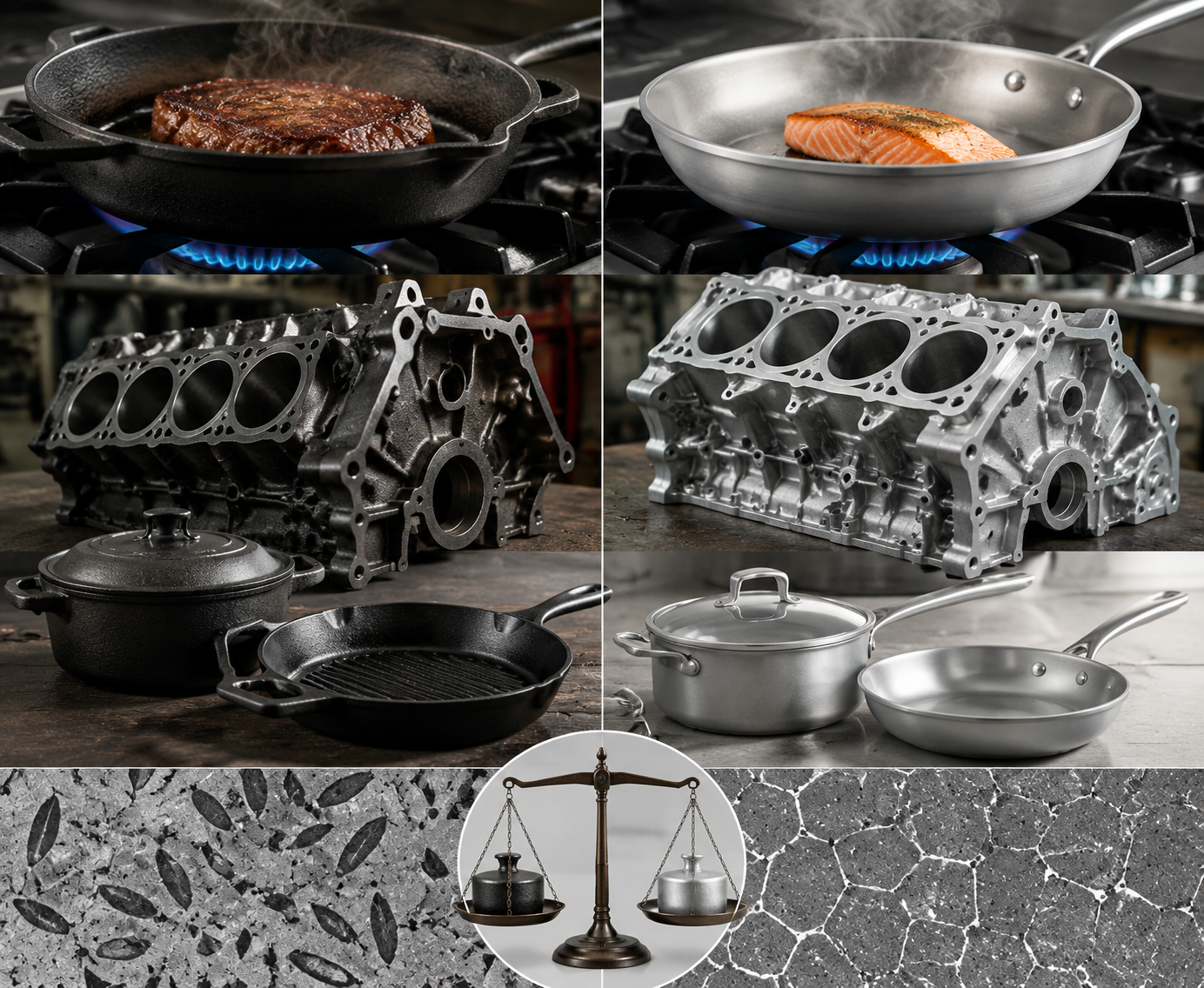
If you are comparing cast iron vs cast aluminum, the core trade-off comes down to three things: heat retention, weight, and cost. Cast iron holds heat longer and distributes it more evenly once it reaches temperature, making it the preferred choice for high-heat searing, slow cooking, and applications where thermal stability matters. Cast aluminum heats up roughly three times faster, weighs about one-third as much, and costs significantly less to manufacture — which is why it dominates in automotive engine components, lightweight cookware, and industrial housings where weight savings are critical.
Neither material is universally superior. The right choice depends entirely on your specific application, budget, and performance priorities. This article breaks down every meaningful difference so you can make that call with confidence.
Material Composition and Basic Properties
Cast iron is an iron-carbon alloy containing between 2% and 4% carbon by weight, along with silicon, manganese, and trace elements. This high carbon content gives cast iron its characteristic brittleness but also contributes to its excellent compressive strength and thermal mass. The most common types are gray cast iron, ductile (nodular) iron, and white cast iron, each with distinct microstructures that affect mechanical performance.
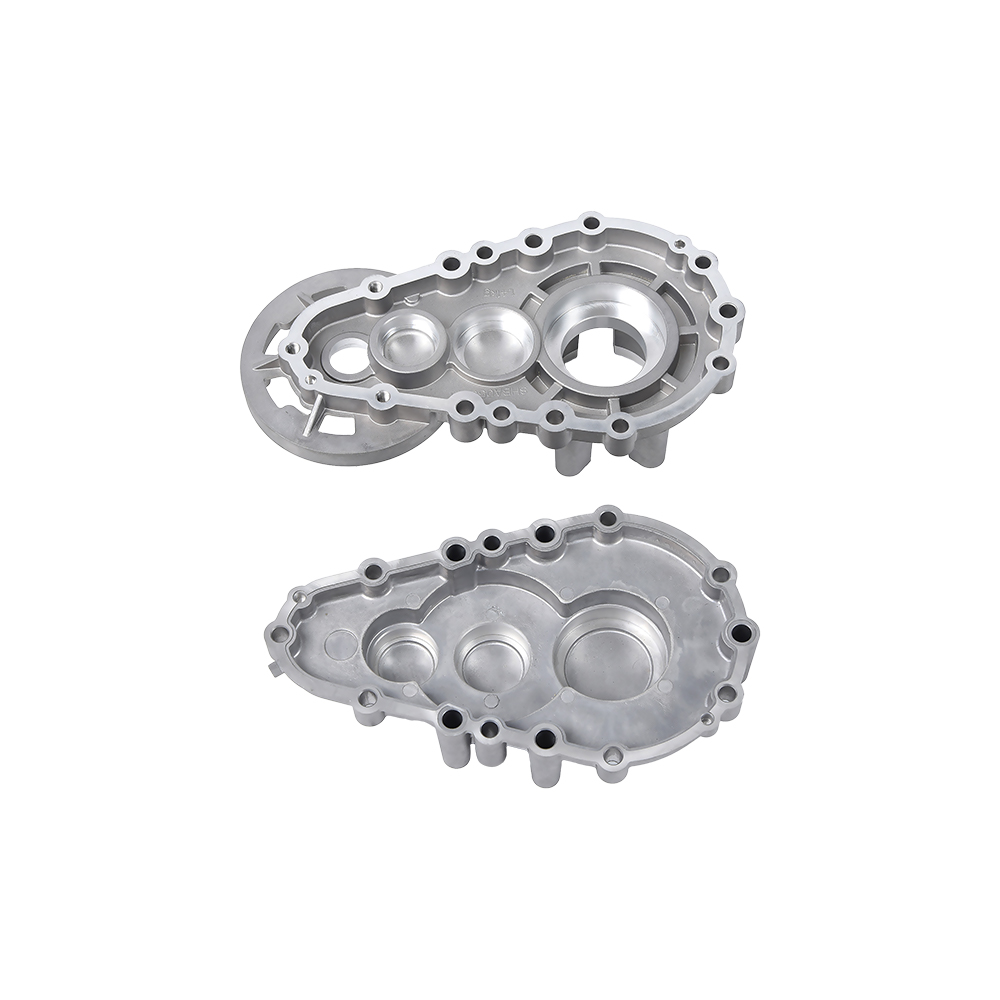
Aluminum casting uses aluminum alloys — most frequently A380, A360, or A319 — combined with silicon, copper, magnesium, and zinc depending on the application. The aluminum casting process involves pouring molten aluminum into molds, allowing it to solidify into complex shapes with dimensional accuracy that rivals or exceeds iron casting in many cases. The result is a part that is fundamentally lighter at the molecular level: aluminum has a density of approximately 2.7 g/cm³ compared to cast iron's 7.2 g/cm³.
This density difference alone explains much of the downstream performance variation between the two materials. It affects shipping costs, structural load requirements, thermal behavior, and the kind of machinery needed to produce and machine the finished parts.
Weight Comparison: The Most Obvious Difference
Weight is where the gap between cast iron and cast aluminum becomes immediately tangible. A standard 12-inch cast iron skillet typically weighs between 5 and 7 pounds. A comparable 12-inch cast aluminum pan weighs around 2 to 3 pounds. That difference sounds modest on paper, but after an hour of cooking or repeated handling in a commercial kitchen, it becomes very significant.
In automotive applications, the weight advantage of aluminum casting is directly tied to fuel efficiency and emissions compliance. Replacing a cast iron engine block with an aluminum casting equivalent can reduce block weight by 40% to 55%. A typical cast iron V8 engine block weighs around 80 to 100 pounds. An aluminum version of the same block weighs 40 to 55 pounds. Across a full vehicle, these savings across multiple aluminum-cast components — cylinder heads, intake manifolds, transmission housings, suspension brackets — add up to hundreds of pounds removed from the vehicle's total mass.
For aerospace and portable equipment, the math is even more compelling. Every kilogram saved in a component that gets carried, launched, or shipped translates directly into operational cost reduction. This is why aluminum casting has become the default for brackets, housings, and structural components in aviation, defense systems, and consumer electronics enclosures.
| Property | Cast Iron | Aluminum Casting |
|---|---|---|
| Density | 6.8–7.8 g/cm³ | 2.5–2.9 g/cm³ |
| Typical 12" Skillet Weight | 5–7 lbs | 2–3 lbs |
| V8 Engine Block Weight | 80–100 lbs | 40–55 lbs |
| Weight Reduction vs. Cast Iron | Baseline | ~60–65% lighter |
Thermal Performance: Heat Retention vs. Heat Conductivity
Thermal behavior is where the two materials diverge most sharply in practical use — and where the comparison gets more nuanced than most people expect.
Heat Retention
Cast iron has a specific heat capacity of approximately 0.46 J/g·°C and, combined with its high density, stores enormous amounts of thermal energy. This is why a cast iron skillet maintains its temperature when you drop a cold steak onto it — the thermal mass overwhelms the heat-absorbing effect of the food. In contrast, aluminum casting has a specific heat capacity of about 0.90 J/g·°C — roughly double per gram — but because aluminum parts are so much lighter, the total stored heat in an aluminum pan is considerably lower than in a cast iron equivalent.
For searing meat, this matters enormously. Professional chefs often prefer cast iron precisely because it does not lose temperature when cold protein hits the surface. The Maillard reaction — the browning process that creates flavor — requires sustained surface temperatures above 300°F (149°C). Cast iron holds that temperature through the shock of cold food contact. An aluminum pan of similar thickness may drop temperature more sharply and take longer to recover.
Heat Conductivity and Heating Speed
Aluminum casting conducts heat at roughly 205 W/m·K, compared to cast iron's 46–52 W/m·K. That means aluminum moves heat through its body nearly four times faster than cast iron. This leads to faster warm-up times and, importantly, more even surface temperature distribution across the entire pan or component surface — assuming the heat source is consistent.
In engine applications, aluminum cylinder heads conduct heat away from combustion zones more rapidly, which can reduce hot spots and improve cooling efficiency. This is one reason why even manufacturers who retain cast iron engine blocks often switch to aluminum cylinder heads — the head runs cooler, reducing the risk of detonation and warping under sustained high-load conditions.
Thermal Expansion
Cast iron expands at roughly 10–11 µm/m·°C, while aluminum casting expands at approximately 21–24 µm/m·°C. This higher thermal expansion coefficient in aluminum means more dimensional change per degree of temperature shift. In precision applications — engine cylinders, valve seats, bearing housings — this expansion must be carefully accounted for in the design. Aluminum engine blocks, for example, often require steel or iron cylinder liners to manage the expansion differential between the piston rings and the bore wall.
Strength and Durability Under Real-World Conditions
Mechanical strength comparisons between cast iron and aluminum casting require some care because both materials span a wide range of grades and alloys, and the type of stress matters as much as the raw numbers.
Compressive Strength
Cast iron excels in compressive applications. Gray cast iron has a compressive strength of 570–1,130 MPa, making it outstanding for bases, frames, and components that primarily bear downward or squeezing loads — machine tool beds, engine blocks under combustion pressure, heavy-duty vises, and large industrial pipe fittings. This is why cast iron dominated heavy industry for more than a century before aluminum alloys matured.
Tensile Strength and Impact Resistance
Gray cast iron has a tensile strength of approximately 100–300 MPa and is notably brittle — it fractures rather than bends when overloaded. Ductile iron improves on this significantly, reaching tensile strengths of 400–900 MPa, but standard aluminum casting alloys like A380 reach tensile strengths of 310–325 MPa with much better elongation — meaning they deform rather than shatter under impact. In applications where components might absorb shock loads — automotive suspension parts, power tool housings, portable equipment — aluminum casting's ability to deform slightly rather than crack can be a genuine safety advantage.
Hardness and Surface Wear
Cast iron, particularly gray cast iron, has excellent surface hardness and wear resistance due to its graphite microstructure, which acts as a self-lubricating layer. This is why cast iron cylinder liners, brake rotors, and machine slideways maintain their surfaces well over millions of cycles. Uncoated aluminum casting surfaces are softer and more susceptible to abrasive wear. Most structural aluminum casting applications address this through hard anodizing, chrome plating, or by using harder aluminum alloy formulations, but the baseline wear resistance of cast iron remains higher without surface treatment.
Corrosion Resistance
Aluminum casting has a clear advantage in corrosion resistance. Aluminum naturally forms a thin, tightly bonded oxide layer on its surface that prevents further oxidation, even in humid and marine environments. Cast iron, unless protected with paint, seasoning, or a rust-inhibiting coating, will begin to rust within hours of exposure to moisture and oxygen. For outdoor equipment, marine hardware, food processing machinery, and components that cannot be easily maintained, aluminum casting is significantly more durable over time without additional protective measures.
Manufacturing Process and Cost Differences
The aluminum casting process and the iron casting process share the same fundamental concept — molten metal poured into a mold — but differ substantially in execution, tooling, temperatures, and economics.
Melting Temperature
Aluminum melts at approximately 660°C (1,220°F), while cast iron requires temperatures of 1,200–1,400°C (2,192–2,552°F) to melt. The lower processing temperature of aluminum casting dramatically reduces energy consumption per part, extends the working life of tooling and dies, and opens up die casting as a viable high-volume production method. Die casting aluminum — forcing molten aluminum into a hardened steel die under high pressure — allows cycle times of seconds per part and extremely tight dimensional tolerances, something that cannot be replicated with cast iron at comparable volumes.
Tooling and Setup Costs
For high-volume production, aluminum die casting tooling costs are substantial — a complex die casting tool for an automotive component might cost $50,000 to $200,000 — but the per-part cost drops sharply with volume, often to under $5 per part at production scale. Cast iron sand casting has lower tooling costs and is more economical for low-volume, large parts, but cycle times are longer and dimensional tolerances are wider. For complex small-to-medium components in volumes above 10,000 units per year, aluminum casting is typically more cost-effective in total production economics.
Machinability
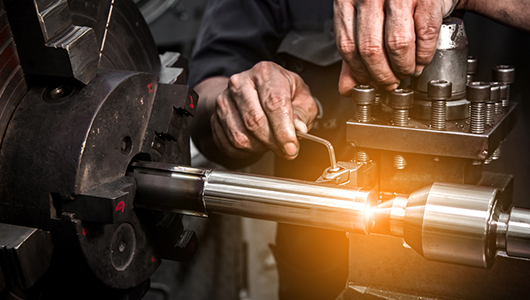
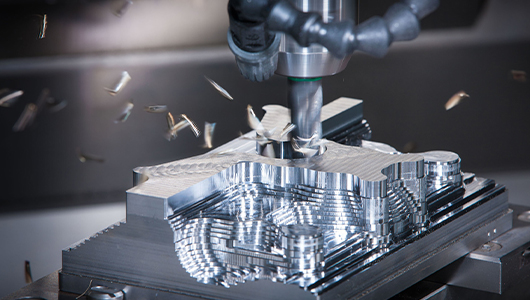
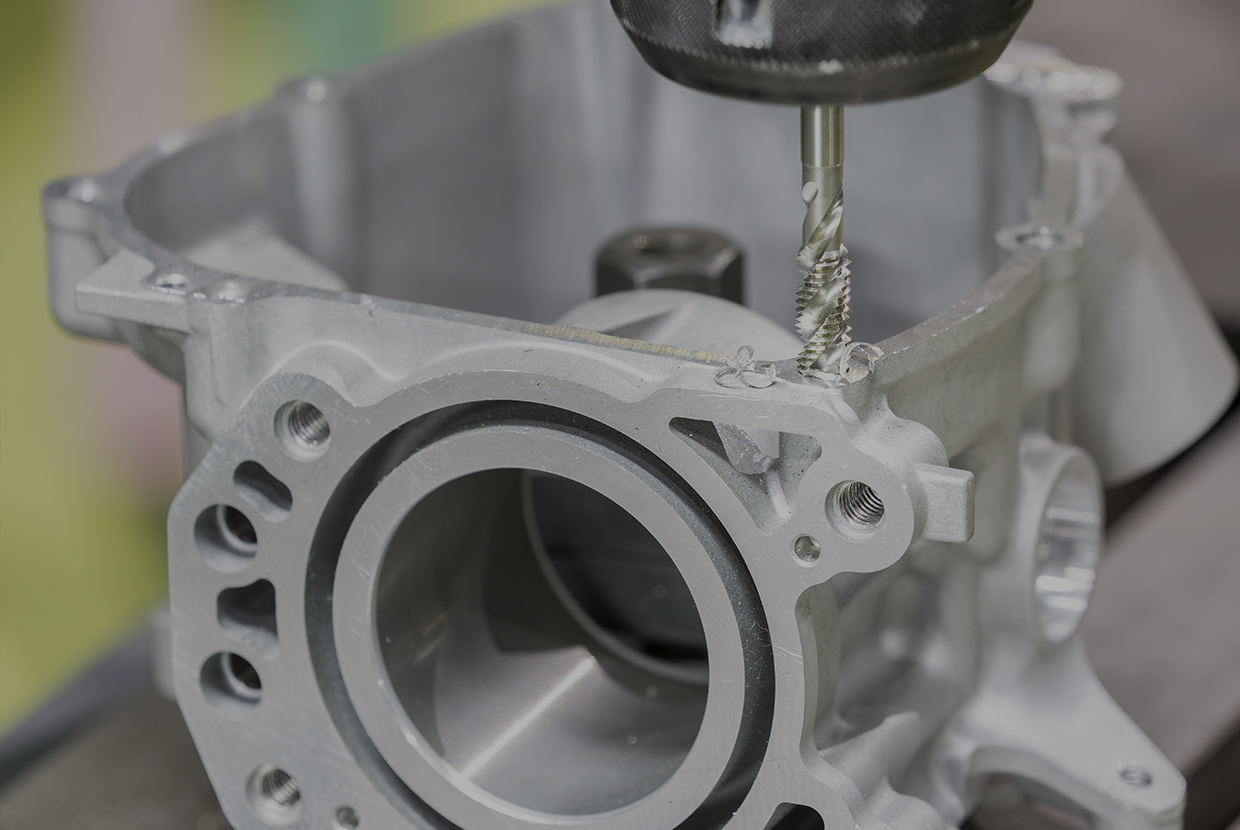
Aluminum casting is generally easier to machine than cast iron. Aluminum cuts faster, produces chips that are easier to manage, causes less tool wear, and allows higher spindle speeds — often two to three times faster than comparable operations on cast iron. This means lower machining cycle times and longer tool life, both of which reduce finished part costs. Cast iron machining produces abrasive graphite dust that requires careful chip management and adequate filtration systems, adding operational complexity in machining facilities.
Recyclability
Both materials are highly recyclable. Aluminum's recycling advantage is energy-based: recycling aluminum requires only about 5% of the energy needed to produce primary aluminum from bauxite ore. Cast iron scrap is also routinely recycled, and the iron casting industry has long operated with significant recycled content. For sustainability-conscious manufacturers, aluminum's energy profile in recycling gives it an edge in lifecycle environmental assessments.
Application Breakdown: Where Each Material Wins
Looking at where each material is actually used in industry and consumer products reveals a clear pattern: cast iron for heavy-duty, stationary, high-temperature or high-compressive-load applications; aluminum casting for lightweight, complex-geometry, high-volume, or corrosion-exposed applications.
Cookware
Cast iron cookware — skillets, Dutch ovens, griddles — remains unmatched for high-heat searing, long braising, and oven cooking. Its heat retention makes it ideal for maintaining consistent temperatures during bread baking and for achieving deep sear marks on steaks. A well-seasoned cast iron surface becomes increasingly non-stick with use and can last generations with basic maintenance.
Cast aluminum pans with non-stick coatings dominate commercial and home kitchens for everyday cooking precisely because they are lighter and heat faster. Most non-stick frying pans sold globally use an aluminum casting base with a PTFE or ceramic coating. They are practical and affordable but typically have a shorter service life than cast iron.
Automotive Engines
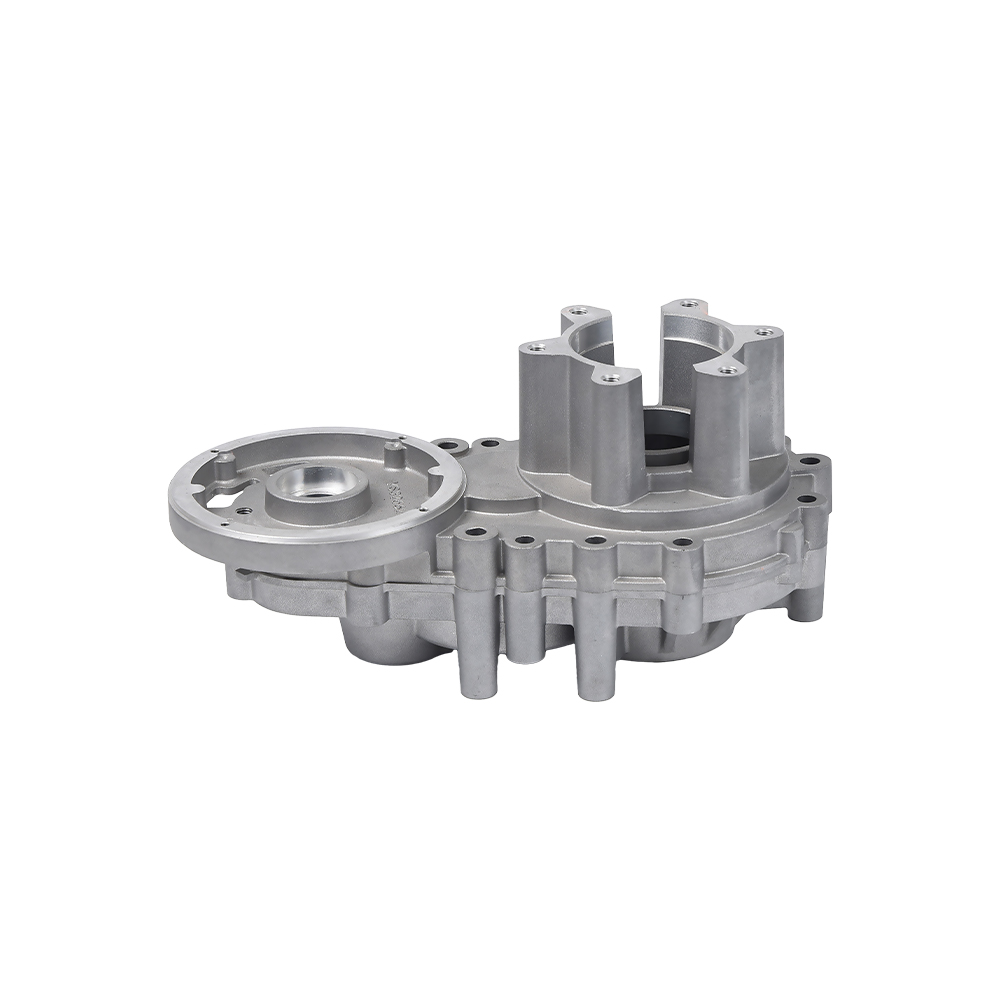
The automotive industry has been shifting from cast iron to aluminum casting for decades, driven by fuel economy regulations and emissions targets. In the 1970s, cast iron engine blocks were standard across nearly all passenger vehicles. Today, the majority of passenger car and light truck engines use aluminum casting for the engine block, cylinder heads, intake manifolds, and transmission cases. Heavy-duty diesel engines — semi-trucks, large commercial vehicles, marine applications — still often use cast iron blocks because of the extreme combustion pressures and the greater importance of durability over weight in those applications.
Industrial Machinery
Machine tool beds, lathe bases, milling machine tables, and press frames are almost universally cast iron. The reasons are multiple: damping, rigidity, wear resistance, and dimensional stability. Cast iron absorbs vibration better than aluminum — a property called damping capacity — which is critical in precision machining where vibration translates directly into surface finish problems. A cast iron lathe bed dampens tool chatter far more effectively than an aluminum equivalent of the same geometry.
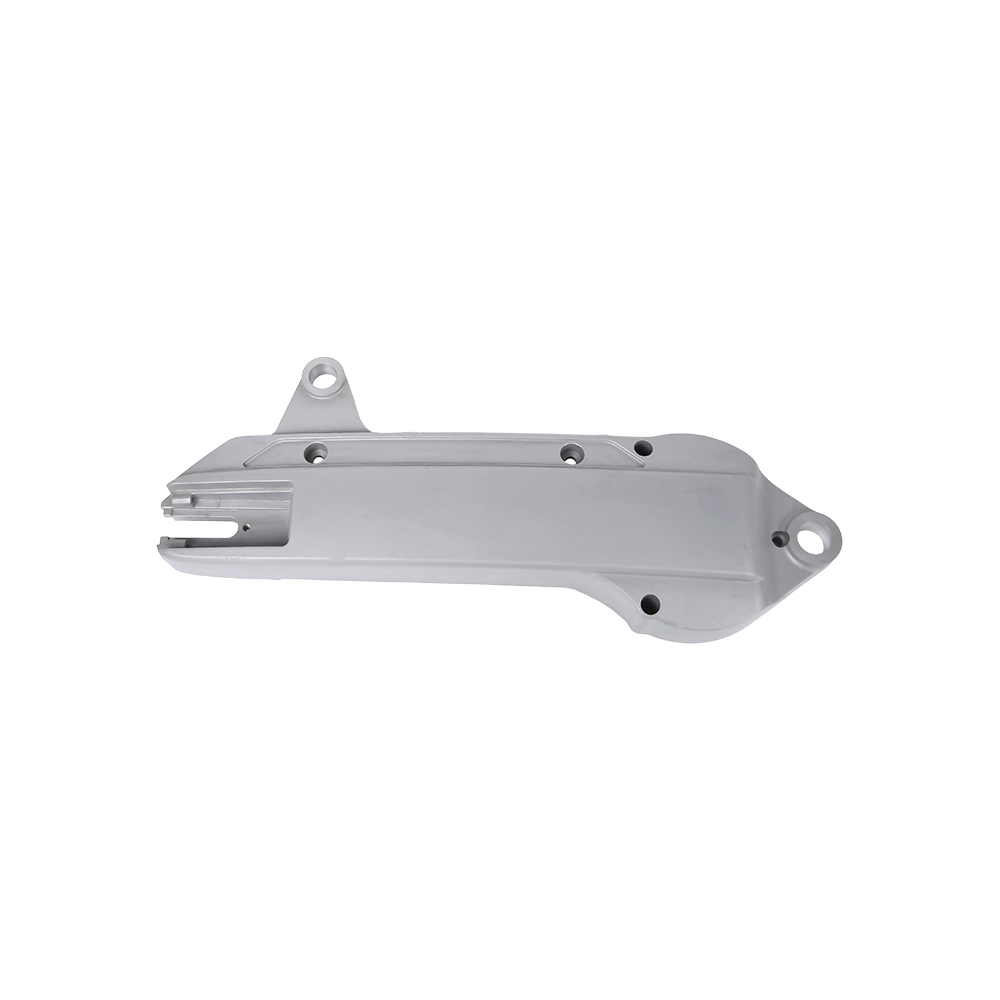
For smaller portable power tools, handheld equipment, and machinery that is moved regularly, aluminum casting has taken over. Cordless drill housings, circular saw bases, grinder bodies, and similar tools are almost entirely aluminum casting today.
Outdoor and Marine Equipment
For any application exposed to moisture, salt, chemicals, or weather without regular maintenance, aluminum casting is the clear choice. Outboard motor housings, marine hardware, outdoor lighting fixtures, irrigation system components, and coastal architectural elements favor aluminum casting because the natural oxide layer protects the material without painting or plating.
- Cast iron: machine tool bases, heavy presses, wood stoves, engine blocks for heavy trucks, manhole covers, antique cookware
- Aluminum casting: automotive engine blocks for passenger cars, aerospace brackets, marine housings, power tool bodies, consumer electronics enclosures, everyday cookware with coatings
- Either works well: brake components (both are used depending on vehicle class), pump housings, valve bodies, industrial brackets
Side-by-Side Comparison of Key Properties
| Property | Cast Iron | Aluminum Casting | Advantage |
|---|---|---|---|
| Density | 7.2 g/cm³ | 2.7 g/cm³ | Aluminum |
| Thermal Conductivity | 46–52 W/m·K | ~205 W/m·K | Aluminum |
| Heat Retention (Thermal Mass) | Excellent | Moderate | Cast Iron |
| Compressive Strength | 570–1,130 MPa | ~280–310 MPa | Cast Iron |
| Corrosion Resistance | Poor (rusts) | Excellent | Aluminum |
| Vibration Damping | Excellent | Poor–Moderate | Cast Iron |
| Melting Temperature | 1,200–1,400°C | ~660°C | Aluminum |
| Machinability | Moderate | Excellent | Aluminum |
| Raw Material Cost | Lower | Higher per kg | Cast Iron |
| High-Volume Production Speed | Slower | Faster (die casting) | Aluminum |
Common Myths Worth Addressing
"Cast iron always lasts longer"
Cast iron can last generations in the right conditions — protected from rust, not subjected to thermal shock, not dropped. But an aluminum casting in a corrosive marine environment will outlast bare cast iron dramatically. Longevity depends on the environment, not just the material. A cast iron skillet stored improperly will rust and pit in months. An aluminum boat propeller housing might look nearly new after decades at sea.
"Aluminum is too weak for structural use"
This is false in virtually all modern applications. Aircraft frames, suspension components, bridge components, and high-performance engine blocks are routinely made from aluminum alloys — including aluminum casting alloys — because their strength-to-weight ratio exceeds that of cast iron. A component designed with proper geometry in aluminum casting can bear equivalent loads to a cast iron part at a fraction of the weight. The comparison needs to be specific heat-to-weight ratio, not absolute material strength.
"Aluminum pans give food a metallic taste"
Untreated bare aluminum can leach trace amounts of aluminum into acidic foods cooked directly in it, which may affect flavor in extended cooking scenarios. However, virtually all modern aluminum cookware — whether anodized, coated, or clad — eliminates direct food contact with the aluminum substrate. This concern has minimal relevance to properly manufactured cast aluminum cookware in modern use.
"Die-cast aluminum is low quality"
Die casting aluminum produces parts with excellent dimensional accuracy, smooth surface finish, and consistent mechanical properties. High-pressure aluminum die casting is used for automotive engine blocks, gearbox housings, medical device components, and aerospace structural parts — all demanding applications where quality is non-negotiable. The term "die-cast" itself carries no quality implication; it refers only to the manufacturing method.
How to Choose Between Cast Iron and Cast Aluminum
Work through these questions to reach the right answer for your situation:
- Does weight matter? If the component is moved, carried, lifted, or transported regularly — or if it is part of a vehicle or machine where mass affects performance — lean toward aluminum casting. If the part is stationary and heavy weight is acceptable or even desirable (stability, vibration damping), cast iron is viable.
- Is corrosion exposure a factor? Any outdoor, marine, chemical, or humid environment without reliable maintenance favors aluminum casting without hesitation.
- What kind of mechanical loads are involved? Sustained compressive loads, heavy static loads, and high-vibration environments favor cast iron. Impact loads, weight-sensitive structural applications, and components subject to bending favor aluminum casting.
- What are the thermal requirements? If you need sustained high temperatures with maximum stability — industrial ovens, heavy-duty engine blocks, commercial smokers — cast iron holds temperature better. If you need fast heat-up, even heat distribution, or need to minimize heat soak into surrounding components, aluminum casting performs better.
- What is the production volume? Low-volume, large parts often favor cast iron sand casting for economics. High-volume, complex small-to-medium parts favor aluminum die casting.
- What is the maintenance situation? If regular maintenance is reliable and the end user understands the material, cast iron can work even in imperfect environments. If low maintenance is a hard requirement, aluminum casting is far safer.
The Aluminum Casting Process: A Closer Look
Understanding the aluminum casting process clarifies why aluminum parts look, feel, and perform the way they do, and why certain design choices that are natural in aluminum are difficult or impossible in cast iron.
The main aluminum casting methods currently in industrial use are:
- High-pressure die casting (HPDC): Molten aluminum injected into a steel die under pressures of 10–175 MPa. Cycle times of 15 to 60 seconds per part. Best for high-volume, thin-walled, complex geometry parts. Common in automotive and consumer electronics. The dominant method for most modern aluminum casting production.
- Low-pressure die casting (LPDC): Molten aluminum pushed into a mold under low pressure (0.1–0.5 MPa). Better fill control, less porosity than HPDC. Common for automotive wheels and cylinder heads where structural integrity under pressure is critical.
- Gravity die casting (permanent mold casting): Aluminum flows into a reusable metal mold under gravity alone. Slower than HPDC but produces denser parts with better mechanical properties. Used for pistons, pump housings, and other precision components.
- Sand casting: Aluminum poured into a sand mold, which is broken away after solidification. Most economical for prototypes and low-volume, large parts. Rougher surface finish and wider tolerances than die casting.
- Investment casting (lost wax): A wax pattern is coated in ceramic slurry, the wax melted out, and aluminum cast into the ceramic shell. Extremely high accuracy and surface quality, used for aerospace and medical components where tolerances are critical and volume is low.
The aluminum casting process allows wall thicknesses as thin as 1–2 mm in complex shapes, internal channels, and integrated features that would require multiple pieces in other manufacturing methods. This design freedom gives engineers significant flexibility to optimize parts for both performance and material efficiency — reducing weight further by removing unnecessary mass while maintaining structural requirements through intelligent geometry.
Cost Realities: What You Actually Pay
Raw aluminum costs more per kilogram than iron. As of recent commodity prices, primary aluminum trades at roughly $2,200–2,500 per metric ton, while iron scrap and pig iron typically trade at $300–600 per metric ton. On a pure materials basis, aluminum costs three to seven times more per unit weight.
However, finished part cost is a different calculation. Because aluminum parts weigh dramatically less, you use far fewer kilograms per part. A cast iron engine block at 45 kg and $350/ton in material cost contains about $15.75 in iron. An aluminum engine block at 22 kg and $2,300/ton contains about $50.60 in aluminum. The aluminum block costs roughly three times more in raw material — but delivers similar or better performance in most passenger vehicle contexts, and saves about 23 kilograms in weight that translates into fuel savings over the vehicle's life.
For consumer cookware, a bare cast iron skillet costs $20–$50 and will last a lifetime with minimal maintenance. A comparable aluminum non-stick pan costs $25–$80 but may require replacement every 3–7 years as the coating degrades. Total lifetime cost favors cast iron for long-term users who maintain their equipment.
Bottom line on cost: cast iron is cheaper per kilogram of material; aluminum casting is often more cost-effective per finished part function over the product's operational lifetime, especially when weight savings have downstream economic value.
Final Verdict
Cast iron remains the material of choice when you need maximum thermal mass, extreme compressive strength, excellent vibration damping, and long surface life in high-wear applications — particularly in heavy stationary machinery, specialty cookware, and heavy-duty engines where weight is not a primary constraint.
Aluminum casting is the better choice for the vast majority of modern manufacturing applications: lighter vehicles, portable equipment, corrosion-exposed hardware, high-volume consumer products, aerospace components, and any context where moving mass costs money or energy. The aluminum casting process also gives designers more geometric freedom, faster production rates, and easier downstream machining — all of which compound cost advantages at scale.
The fact that aluminum casting now accounts for the majority of new engine blocks, most consumer appliance housings, and a rapidly growing share of structural components across industries is not coincidence — it reflects a genuine performance and economic advantage in a world where lightness, speed, and corrosion resistance are increasingly valued. Cast iron is not obsolete; it is simply specific. Know what you need, and the right answer becomes obvious.