 LANGUAGE
 English
 русский
 Español


Home / News / Industry News / A357 Aluminum Alloy Composition: Silicon, Magnesium and Heat Treatment Explained
Content
- 1 A357 Aluminum Alloy Composition: The Full Chemistry, Element by Element
- 2 What Each Element Actually Does Inside a Casting
- 3 A357 vs A356 vs 356: Where the Numbers Separate
- 4 Heat Treatment: Why the Chemistry Alone Is Not Enough
- 5 The Casting Route Changes What the Same Chemistry Delivers
- 6 Defects That Trace Back to Composition or Melt Handling
- 7 Where A357 Parts Earn Their Keep
- 8 Procurement Checklist Before You Release a Purchase Order
- 9 Frequently Asked Questions About A357 Aluminum Alloy Composition
- 9.1 Is A357 the same as 357.0?
- 9.2 Can A357 be high pressure die cast?
- 9.3 Why does A357 cost more than A356?
- 9.4 How do I verify magnesium content on an incoming lot?
- 9.5 Does A357 need beryllium?
- 9.6 Can A357 parts be welded?
- 9.7 What surface finish and tolerance can I expect?
- 9.8 Is A357 suitable for thin-wall parts?
If a drawing calls out A357-T6 and a supplier ships A356-T6, the parts will still bolt up. They will still measure correctly on a CMM. They may even pass a bench test. What they will not do is reach the yield strength the design assumed, and that shortfall tends to appear months later as a cracked housing, a weeping seal face, or a fatigue failure at a bolt boss. The chemistry difference is small on paper, which is exactly why it slips through incoming inspection.
A357 aluminum alloy composition, by weight, is 6.5 to 7.5 percent silicon, 0.40 to 0.70 percent magnesium, a maximum of 0.20 percent iron, a maximum of 0.20 percent copper, a maximum of 0.10 percent manganese, a maximum of 0.10 percent zinc, and a maximum of 0.20 percent titanium. Aluminum makes up the balance. Compared with A356, both the magnesium floor and the magnesium ceiling move upward, and the iron limit is held tighter. Those two shifts are what deliver roughly 15 percent more yield strength after a proper T6 heat treatment.
That is the short answer. The rest of this article breaks the chemistry down element by element, compares A357 against A356 and 356 on real numbers, and then explains how the casting route and the aging cycle decide whether that chemistry becomes a dependable structural part or an expensive pile of scrap.
A357 Aluminum Alloy Composition: The Full Chemistry, Element by Element
The table below lists the published composition limits for the A357.0 casting designation, together with a practical target window that foundries actually aim for inside those limits. The limits come from the standard aluminum casting specifications used across the industry, and the same numbers appear in the Aluminum Association designation sheets and in the ASM Handbook, Volume 15: Casting, which remains the standard reference for aluminum casting metallurgy.
| Element | Specified Range (wt%) | Practical Foundry Target | Function in the Part |
|---|---|---|---|
| Silicon | 6.5 - 7.5 | 6.9 - 7.2 | Fluidity, hot-tear resistance, castability |
| Magnesium | 0.40 - 0.70 | 0.55 - 0.62 | Age hardening through Mg2Si precipitation |
| Iron | 0.20 max | 0.10 - 0.14 | Impurity; controls ductility loss |
| Titanium | 0.20 max | 0.10 - 0.15 | Grain refinement, feeding behaviour |
| Copper | 0.20 max | Below 0.05 | Impurity; trims corrosion resistance |
| Manganese | 0.10 max | Below 0.05 | Alters iron phase morphology |
| Zinc | 0.10 max | Below 0.05 | Impurity from scrap carryover |
| Others, each | 0.05 max | Trace only | Unspecified residuals |
| Others, total | 0.15 max | Trace only | Cumulative impurity ceiling |
| Aluminum | Balance | Balance | Matrix |
One detail that catches buyers off guard: some A357 variants allow a very small beryllium addition, in the range of 0.04 to 0.07 percent, to round off the iron-bearing platelets. Others cap beryllium at 0.0007 percent and forbid it in practice. If a part is destined for a regulated environment or a machining cell with strict air-handling rules, that single line on the spec sheet changes which melt shop can quote you.
What Each Element Actually Does Inside a Casting
Silicon at 6.5 to 7.5 Percent
Silicon is the reason this alloy can be poured at all. It lowers the melting range and pushes the alloy toward the aluminum-silicon eutectic, which sits near 577 degrees Celsius. At roughly 7 percent silicon the alloy is hypoeutectic, so the solidified structure is a mix of aluminum dendrites surrounded by a fine eutectic network. That network is what gives you thin-wall fluidity, resistance to hot tearing, and a reasonably low shrinkage stress.
Drop silicon below the range and misruns and hot tears become routine. Push it above the range and the eutectic silicon coarsens into acicular plates that act like internal notches. Unmodified eutectic silicon in an A357 casting can pull elongation down by 40 percent or more compared with a properly modified melt, which is why a strontium addition of about 0.010 to 0.020 percent, or a sodium-based modifier, is standard practice.
Magnesium at 0.40 to 0.70 Percent
Magnesium is the hardening element and the main reason A357 exists as a separate alloy. During artificial aging, fine magnesium silicide precipitates nucleate throughout the aluminum matrix and block dislocation motion. A356 caps magnesium at 0.45 percent; A357 permits up to 0.70 percent. That extra magnesium raises peak-aged yield strength by roughly 20 to 30 MPa when everything else is equal.
The trade-off is process sensitivity. A357 sits closer to the edge of its solubility limit, so a short solution treatment or an uneven quench leaves undissolved magnesium silicide behind, and the part then under-performs its specification while still passing a spectro check on the incoming ingot.
Iron at 0.20 Percent Maximum
Iron is the quiet killer of ductility. Above roughly 0.25 percent in a 7 percent silicon alloy, iron forms beta-phase Al5FeSi platelets that are brittle, plate-like, and prone to cracking under load. Holding iron at 0.20 percent or lower, and preferably 0.15 percent for premium-quality work, keeps those platelets small and less harmful. This tighter iron limit, more than the magnesium, is what distinguishes a premium A357 melt from an ordinary secondary alloy.
Titanium and Grain Refinement
Titanium at 0.10 to 0.15 percent, normally introduced through an Al-5Ti-1B master alloy, restricts grain growth during solidification. Fine equiaxed grains improve feeding, spread shrinkage porosity into smaller and better-distributed pores, and raise both tensile strength and elongation. A melt that has been degassed and modified but not grain refined will show coarse columnar grains and a wider scatter in mechanical test results.
Copper, Manganese, Zinc, and the Trace Bucket
Copper is capped at 0.20 percent because it degrades corrosion performance in wet or salt-laden environments. Manganese at 0.10 percent maximum modifies the iron phase slightly but cannot rescue a melt that is already iron-heavy. Zinc at 0.10 percent maximum is largely a scrap-control parameter. The catch-all limits, 0.05 percent for any single unspecified element and 0.15 percent total, exist to stop unknown residuals from shifting the solidification behaviour of the alloy.
A357 vs A356 vs 356: Where the Numbers Separate
These three alloys are frequently quoted interchangeably, and on a drawing revision they can look like clerical variants. They are not. The table below shows typical published T6 values; actual numbers move with casting process, section thickness, and the position the coupon is cut from.
| Characteristic | 356-T6 | A356-T6 | A357-T6 |
|---|---|---|---|
| Magnesium range (wt%) | 0.20 - 0.45 | 0.20 - 0.45 | 0.40 - 0.70 |
| Iron limit (wt%) | 0.20 - 0.35 | 0.20 max | 0.20 max, often 0.15 |
| Tensile strength | Around 230 MPa | Around 275 MPa | Around 310 MPa |
| Yield strength | Around 165 MPa | Around 205 MPa | Around 255 MPa |
| Elongation | 3 - 5 percent | 5 - 7 percent | 4 - 6 percent |
| Typical use | General housings, covers | Structural brackets, wheels | High-load housings, aerospace parts |
The practical read: if your stress analysis assumed A357 yield strength and you receive A356, you have quietly lost about 50 MPa of margin. On a part with a safety factor of 3, that is invisible. On a part sized to a safety factor of 1.4, it is the difference between a passing fatigue test and a redesign.
Heat Treatment: Why the Chemistry Alone Is Not Enough
You can hit every number in Table 1 and still produce a soft part. The alloy only reaches its specified strength after a three-stage T6 cycle, and each stage has a narrow practical window.
- Solution treatment at roughly 540 degrees Celsius for 6 to 12 hours, long enough to dissolve the magnesium-rich phases back into solid solution.
- Quenching, usually into warm water or a polymer bath, fast enough to trap a supersaturated solid solution but slow enough to avoid warping thin sections.
- Artificial aging at roughly 155 to 170 degrees Celsius for 4 to 8 hours to precipitate the fine magnesium silicide particles that do the actual strengthening.
The classic failure mode is a quench delay that is longer than the alloy can tolerate. A357 is more sensitive here than A356 because the higher magnesium loading means more solute has to be retained in solution. A delay of a few minutes between pulling the load and hitting the quench tank can drop yield strength well below the specified minimum while leaving tensile strength only marginally affected, which makes the problem hard to detect with a single hardness check.
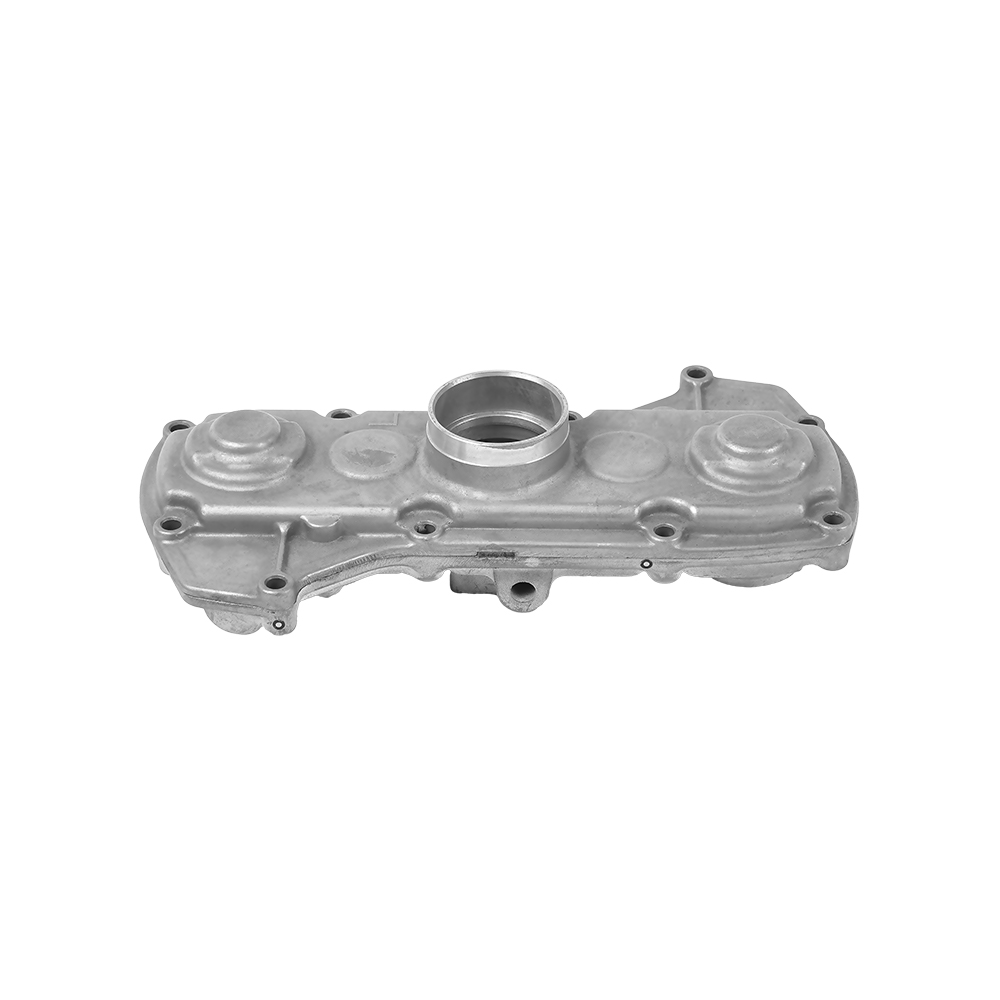
Heat treated aluminum engine cylinder parts and similar structural castings are a good illustration of the payoff. The same geometry, poured from the same melt, can come out of the furnace at either 250 MPa or 290 MPa yield strength depending purely on how the quench was managed.
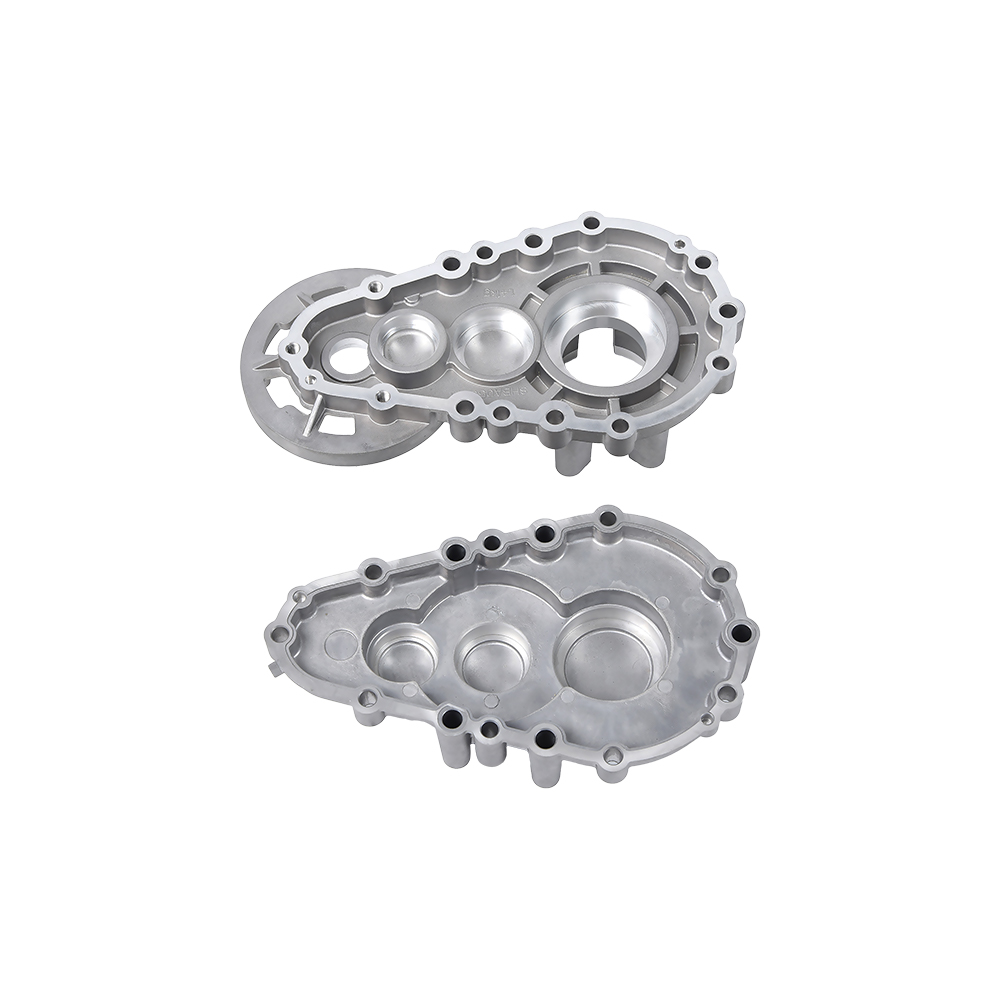
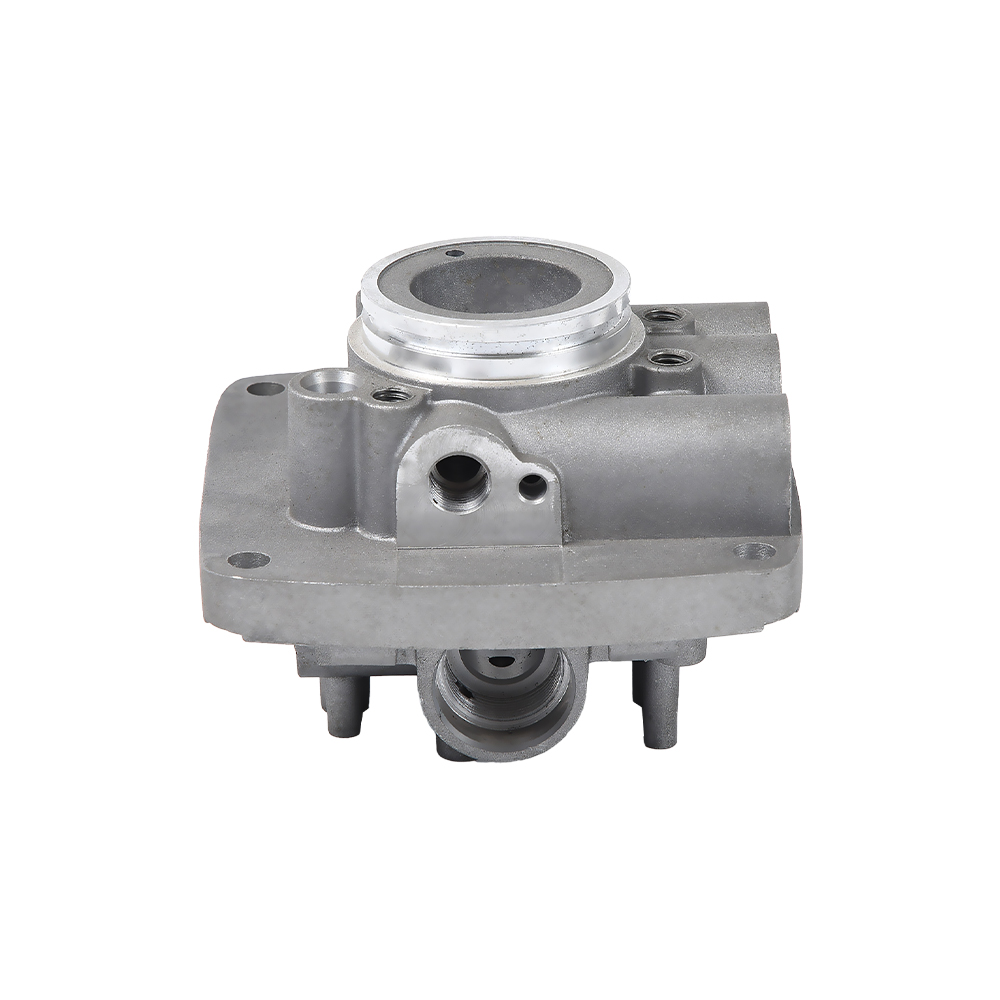
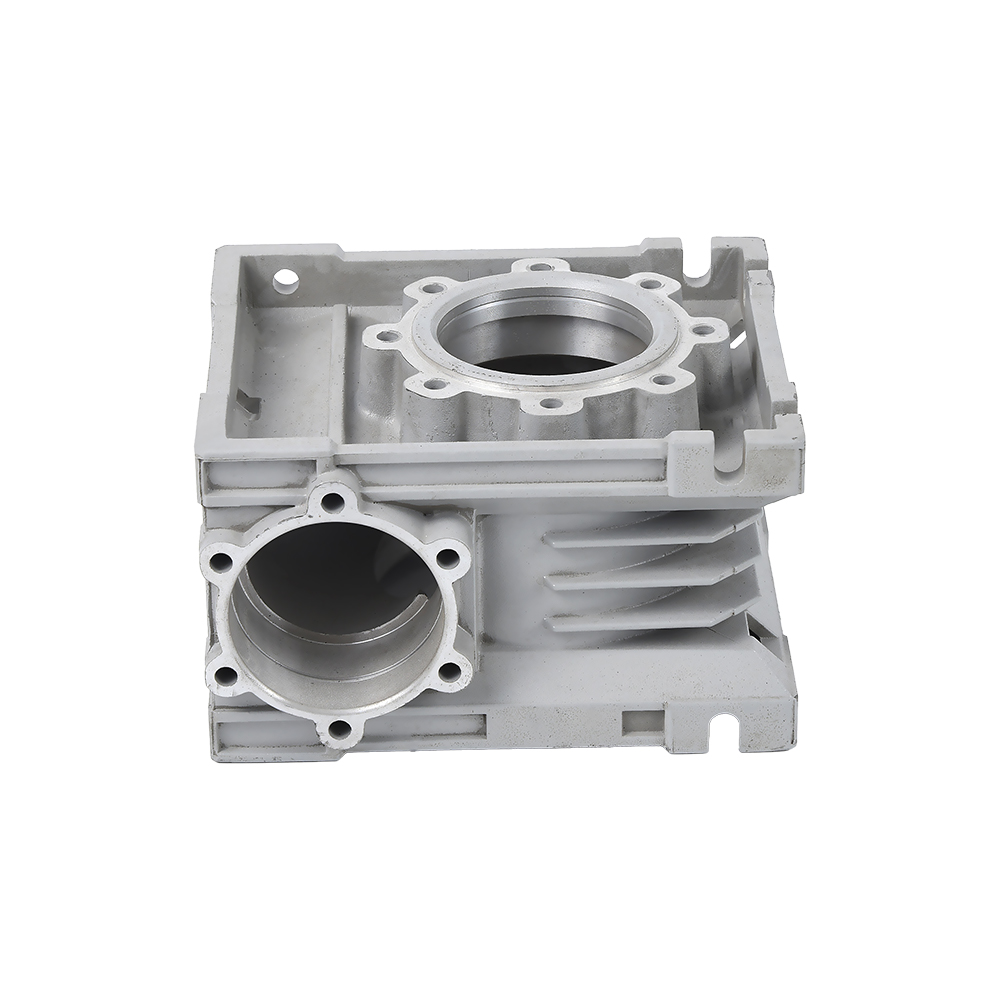
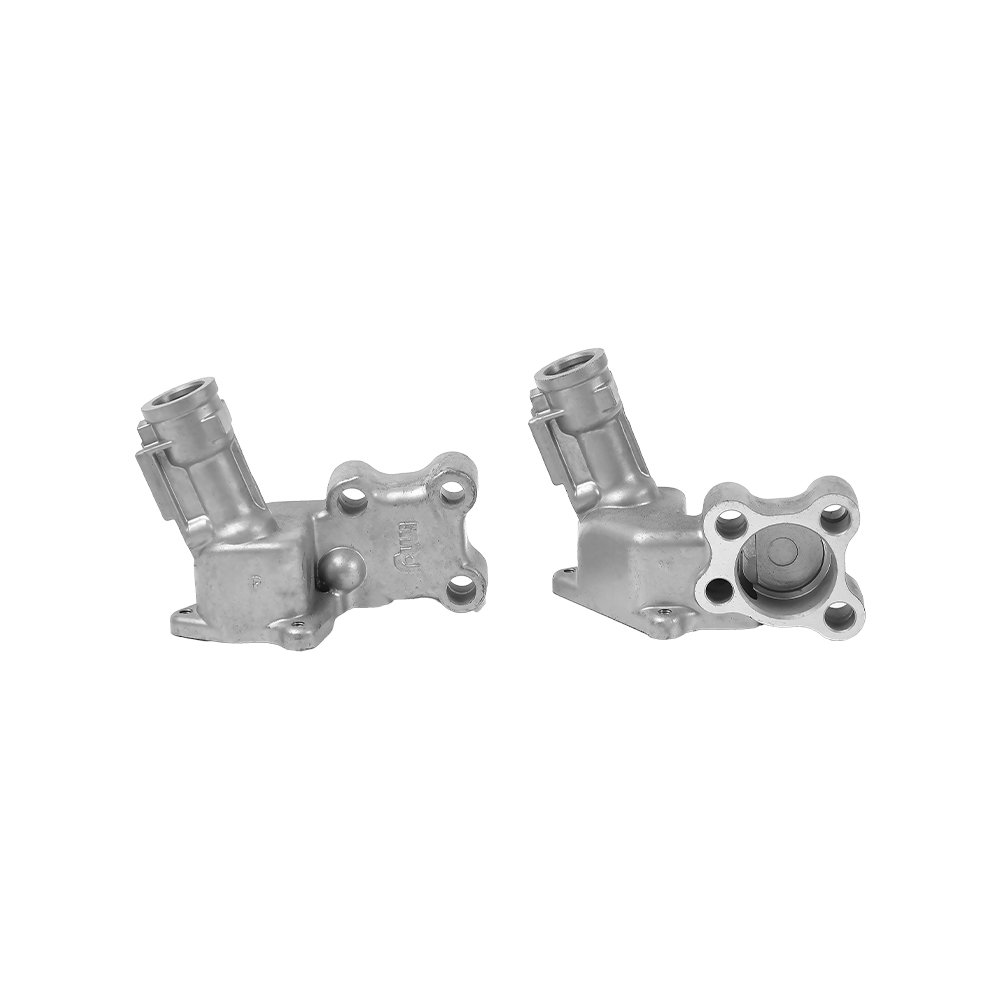
 Aluminum Auto Engine Cylinder PartsRice Transplanter Spare PartsView Product →
The Casting Route Changes What the Same Chemistry Delivers
A357 is overwhelmingly a gravity-family alloy. It is poured into sand moulds, investment shells, permanent steel moulds, and low pressure die casting dies. It is not a natural fit for conventional high pressure die casting, and the reason is gas, not chemistry.
High pressure die casting fills a die in milliseconds and traps air and die lubricant decomposition products inside the metal. Those voids are invisible until the part goes into a solution treatment furnace at 540 degrees Celsius, at which point the internal pressure rises and the surface blisters. A357 depends on T6 to reach its strength, so the process and the alloy pull in opposite directions. If you want the A357 chemistry in a high pressure part, you generally have to accept an as-cast or low-temperature-aged condition and a correspondingly lower strength.
Low pressure die casting sits in a useful middle ground. Filling is slow and controlled, the riser tube feeds metal under pressure through solidification, and gas entrapment is far lower than in a high pressure shot. That makes low pressure A357 a realistic route for parts that need both wall-thickness control and full T6 properties. If you want the background on how the process fills a cavity, this explanation of how aluminum die casting works walks through the fill sequence step by step.
A practical comparison of the three routes for A357-type work:
- Sand casting gives the greatest design freedom and the slowest solidification, which coarsens the microstructure and lowers elongation unless chills are used.
- Permanent mould casting speeds up cooling, refines the grain structure, and typically adds 20 to 30 MPa of tensile strength over sand for the same alloy.
- Low pressure die casting combines a permanent mould with controlled filling, keeping gas porosity low enough for a full T6 cycle on thick-walled parts.
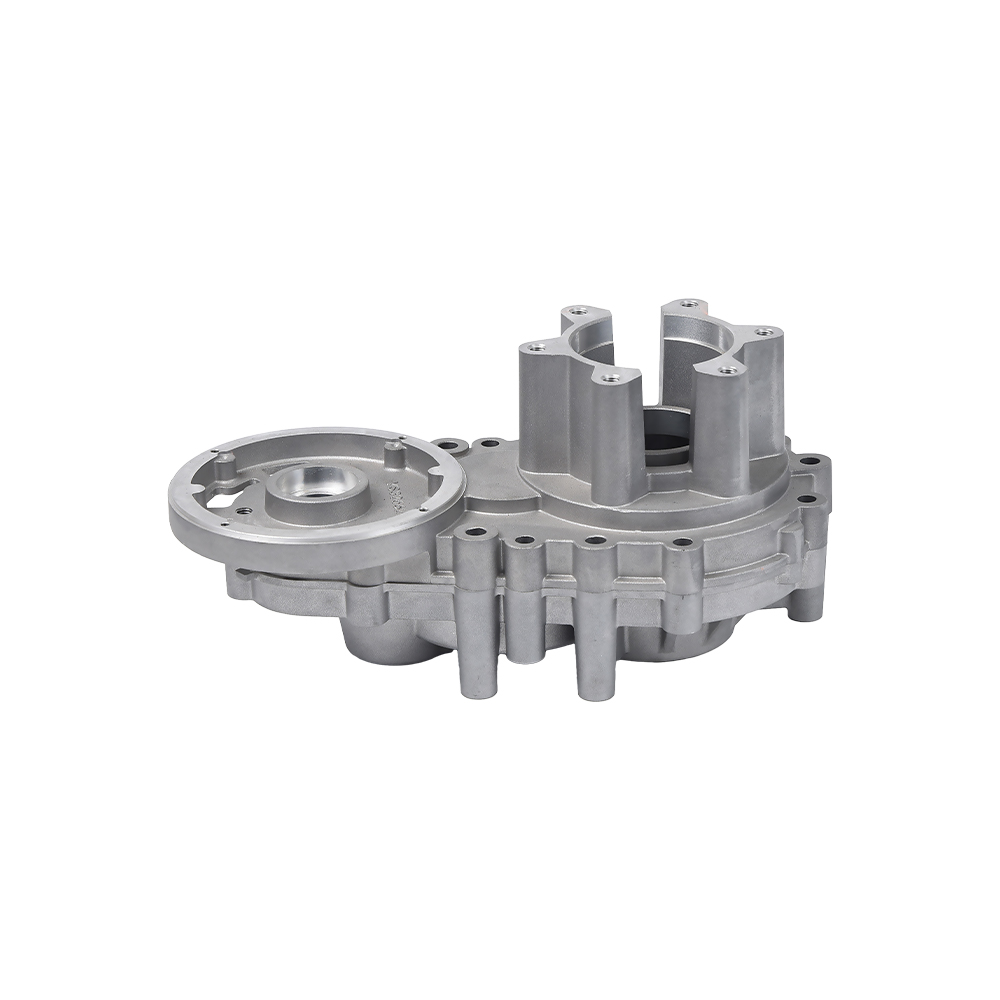
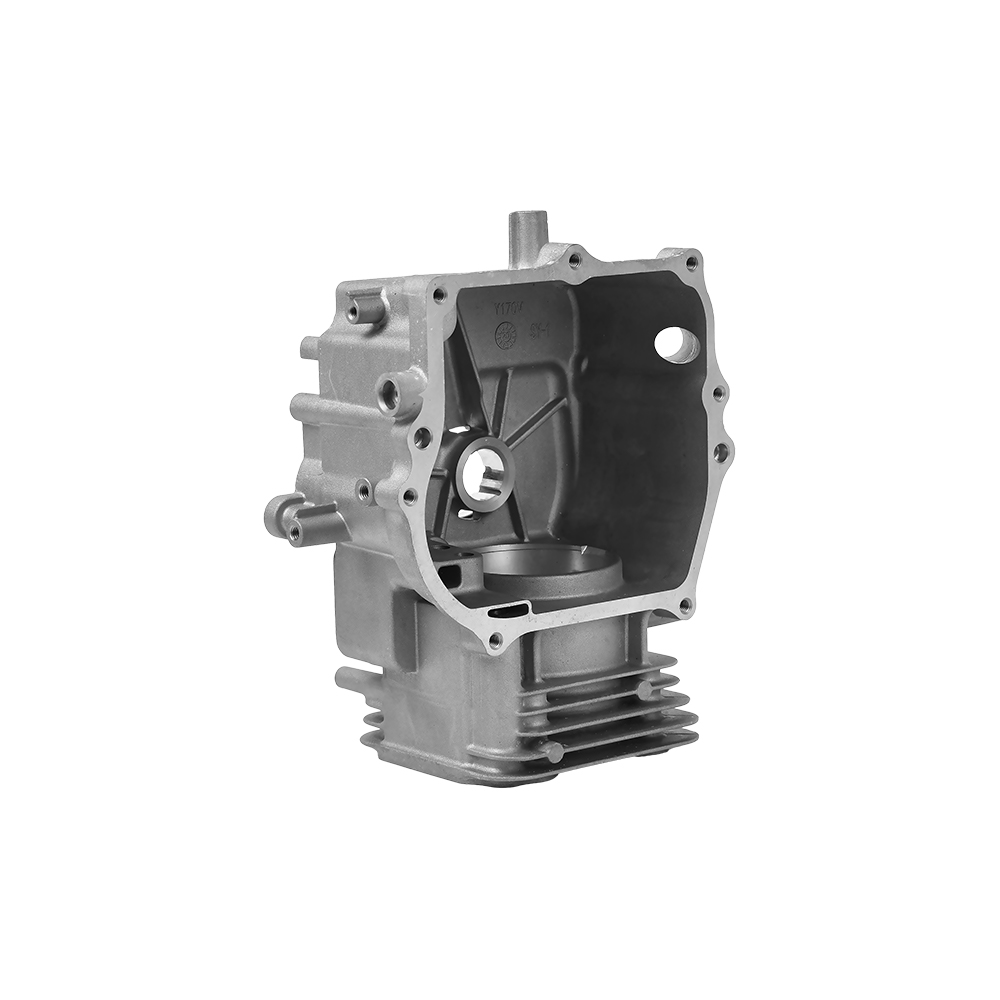
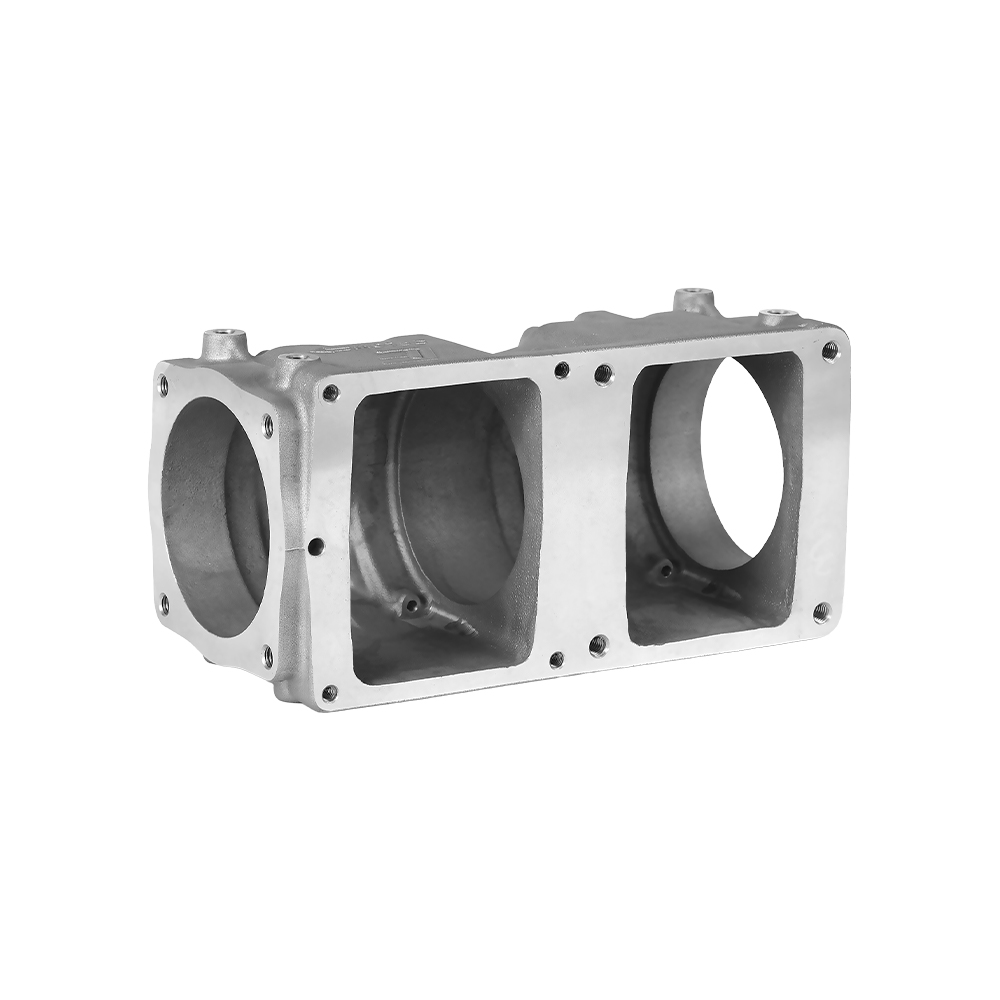 Automobile Cylinder Body PartsAluminum Die Casting Gasoline Engine CaseView Product →
Defects That Trace Back to Composition or Melt Handling
Most A357 rejects are not caused by the alloy being wrong. They are caused by the melt being treated wrong. The five recurring problems are these:
Gas porosity. Hydrogen solubility in liquid aluminum is roughly twenty times its solubility in solid aluminum. Any hydrogen left in the melt after degassing becomes round pores as the metal freezes. The fix is rotary degassing with argon or nitrogen plus a clean, dry charge, and a measured hydrogen level below about 0.15 ml per 100 g of aluminum for structural work.
Shrinkage porosity. A357 contracts roughly 6 to 7 percent by volume on solidification. Feed paths, risers, and chills have to be designed so that the last liquid to freeze sits in a riser rather than in a bolt boss. Thick-to-thin transitions are where this shows up first.
Oxide inclusions. Aluminum oxide forms in seconds on a disturbed melt surface. Turbulent pouring folds that film into the casting, and it produces a linear defect that shows up on a machined face as a dark streak that will not polish out.
Hot tearing. A357's silicon content gives it good resistance, but a low silicon or badly grain-refined melt will tear at sharp internal corners during the first minutes of cooling. Radius the corners and keep titanium in the middle of its range.
Blistering during T6. This is a process-selection failure rather than a chemistry failure, and it is the single most common reason a buyer discovers that their chosen casting route cannot deliver the specified temper.
Where A357 Parts Earn Their Keep
A357 shows up wherever a casting has to carry load, survive vibration, and still hold a machined tolerance. The applications below all share that pattern.
- Aircraft and rotorcraft structural castings, where weight is critical and fatigue life is the governing design case.
- Automotive suspension and chassis nodes, including control arms, knuckles, and subframe brackets.
- Pump, compressor, and hydraulic housings that see internal pressure and cyclic loading.
- Motor housings and end caps, where the alloy has to hold bearing bores round through thermal cycling.
- Impellers and rotating components, where the balance between strength and elongation decides the burst margin.
- Thermal management components in electrified powertrains, where a combination of stiffness and heat path matters more than raw tensile strength.
A die cast motor housing is a representative case study. The part usually has a thin cylindrical wall, a thick mounting flange, and machined bearing seats at each end. Those three features pull the solidification behaviour in three different directions at once: the wall wants fast cooling, the flange wants feeding, and the bores want dimensional stability after heat treatment. Getting all three from one alloy means keeping silicon mid-range for fluidity, magnesium mid-range for strength, and iron at the low end for machinability.
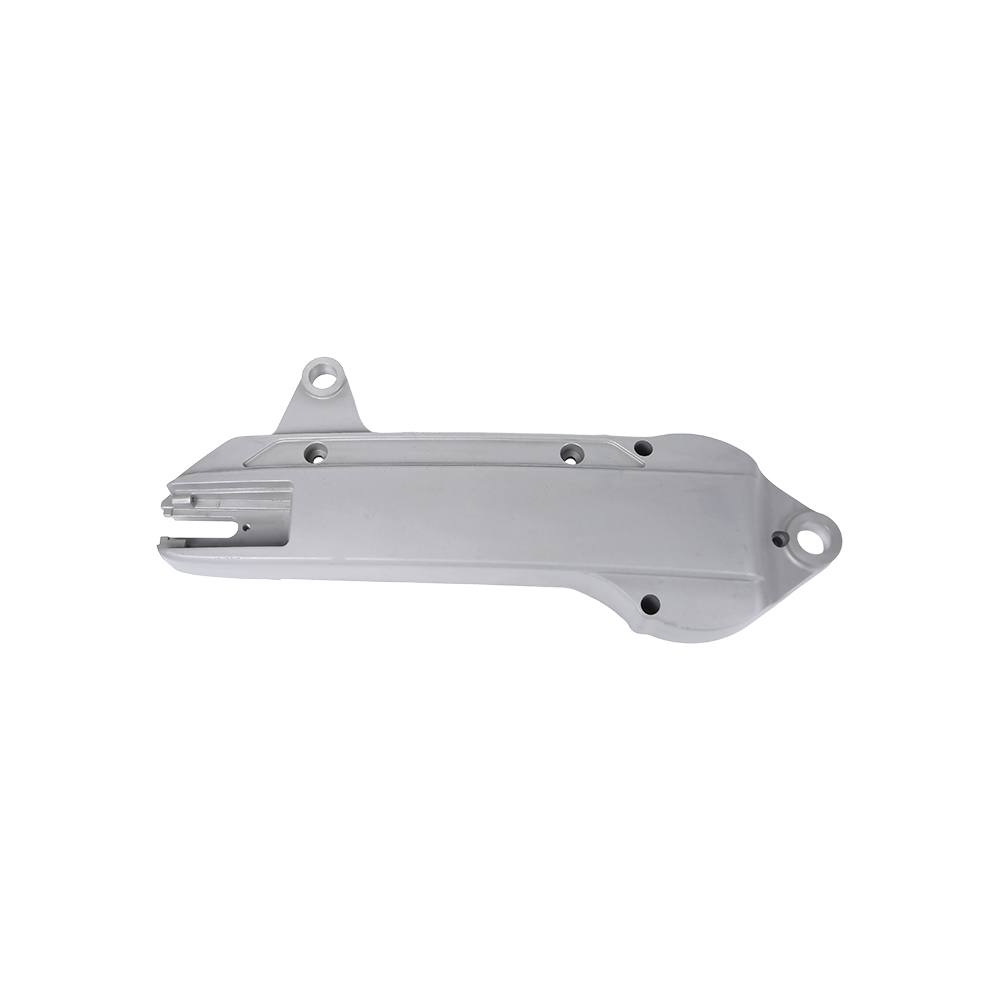
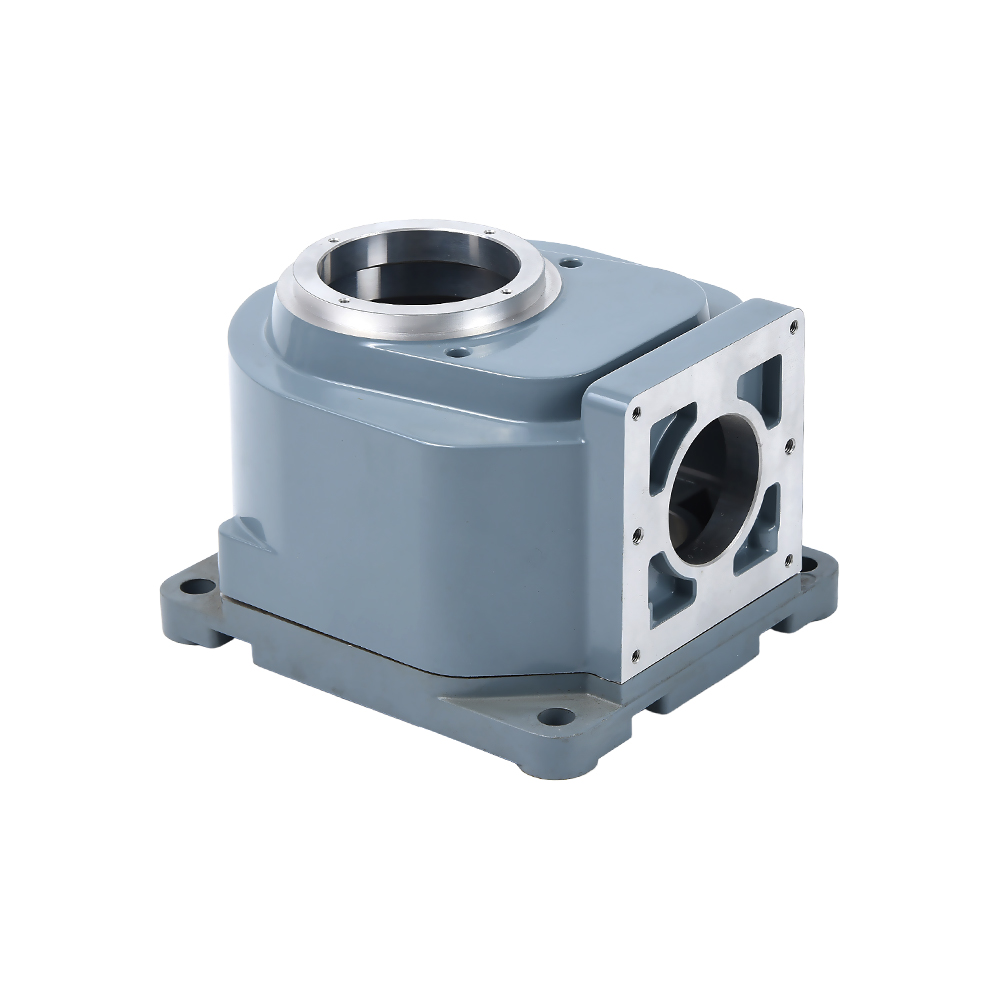
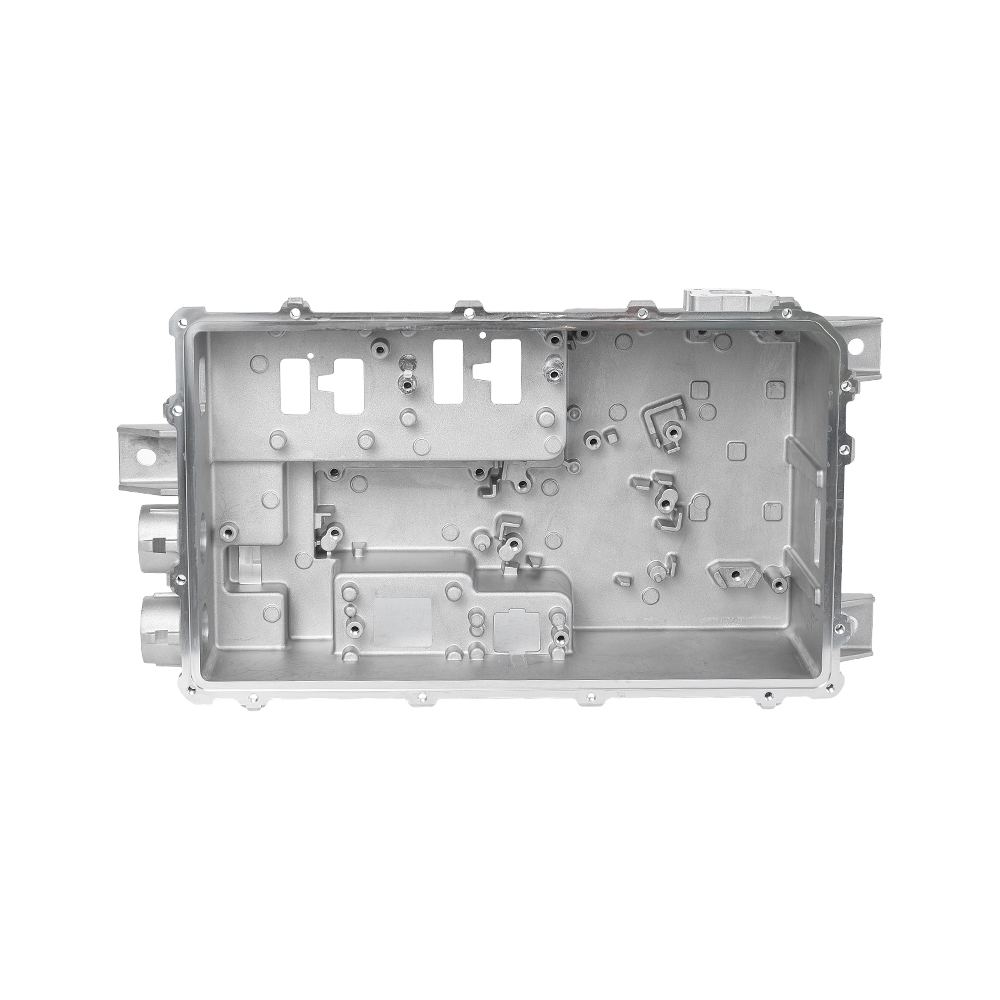 Aluminum Die Cast Motor Housing 375Aluminum Die Casting Gearbox HousingView Product →
Procurement Checklist Before You Release a Purchase Order
A few questions up front remove most of the risk from an A357 order. Work through them in this order and the technical conversation becomes short.
- Confirm the temper, not just the alloy. A357-F, A357-T5, and A357-T6 are different products with different strength levels, and the drawing has to say which one.
- Ask for the magnesium and iron targets, not only the limits. A supplier aiming for 0.45 percent magnesium is effectively delivering A356 with an A357 label.
- State where the mechanical test coupon will be cut from. A coupon cut from a riser will always look better than one cut from the part.
- Agree on the heat treatment record. Solution time, quench delay, and aging temperature are the three numbers that decide the result.
- Decide the acceptance criteria for internal soundness before the first article, because radiographic and sectioning results drive tooling changes.
- Confirm the machining allowance. A357 machines cleanly, but hard spots from segregation or a coarse eutectic will destroy a carbide insert and an on-time delivery schedule at the same time.
If you want a straight answer on whether your geometry suits A357 or a different alloy, send the drawing and the alloy call-out to our engineering team and we will come back with the process route, the achievable temper, and the machining allowance in one reply.
Frequently Asked Questions About A357 Aluminum Alloy Composition
Is A357 the same as 357.0?
They refer to the same family. A357 is the casting designation used in aluminum casting standards, and 357.0 is the Aluminum Association designation for the same composition. When you see 357.0-T6 or A357-T6 on a drawing, read them as the same material and check the magnesium and iron limits to be certain, because older drawings sometimes carry looser iron allowances than current practice.
Can A357 be high pressure die cast?
It can be cast in a high pressure die casting machine, but it cannot easily be given a full T6 treatment afterwards because trapped gas expands at solution temperature and blisters the surface. In practice, high pressure A357 parts are supplied in an as-cast or deliberately under-aged condition. If the drawing requires A357-T6, the part should be routed to low pressure die casting, permanent mould, sand, or investment casting.
Why does A357 cost more than A356?
Three reasons. The tighter iron limit requires cleaner charge material and better melt control, which reduces the amount of low-cost scrap a foundry can use. The higher magnesium loading means tighter process control during solution treatment. And the process routes that can deliver a genuine T6 result, such as low pressure or permanent mould, have longer cycle times than a high pressure shot.
How do I verify magnesium content on an incoming lot?
Optical emission spectrometry on a chilled sample from the pour is the standard method, and it takes only a few minutes once the sample is prepared. Ask for the magnesium figure to be reported as a number rather than as a pass or fail against a wide window, and sample more than one location on large castings because magnesium can segregate during slow solidification.
Does A357 need beryllium?
No, and many specifications forbid it. A beryllium addition of 0.04 to 0.07 percent improves the morphology of iron-bearing phases and can help with oxide skin behaviour, but it introduces handling requirements in the melt shop and in machining. Most structural work is done with beryllium-free A357 and a tight iron limit instead.
Can A357 parts be welded?
They can, with the right filler and process control, but welding a T6 part creates a local heat-affected zone that loses strength. Where the weld is non-structural, this is not a problem. Where the weld sits in a load path, the design should assume a reduction in local strength in that zone and account for it.
What surface finish and tolerance can I expect?
As-cast surfaces from a permanent mould or a low pressure die typically land between 3.2 and 6.3 micrometres Ra, depending on die coating and wall thickness. Machined faces are limited by tooling and fixturing rather than by the alloy, and general machining tolerances of plus or minus 0.05 mm on critical bores and faces are routine on a stable casting.
Is A357 suitable for thin-wall parts?
Yes, within limits. The 7 percent silicon content gives good fluidity, and walls down to about 3 mm are achievable in permanent mould or low pressure casting. Below that, the challenge shifts from fluidity to solidification rate: thin sections cool so fast that the magnesium silicide can stay partially undissolved even after a full solution treatment, and the part will not reach the properties its chemistry suggests.
To close the loop: A357 aluminum alloy composition is defined by 6.5 to 7.5 percent silicon, 0.40 to 0.70 percent magnesium, and a maximum of 0.20 percent iron, with the remaining elements held at trace level and aluminum making up the balance. The magnesium range is what separates it from A356 and gives it roughly 50 MPa of extra yield strength in the T6 condition. The iron limit is what preserves ductility. And the casting route plus the quench discipline decide whether either of those advantages actually shows up in the finished part.
If a quotation for A357-T6 looks noticeably cheaper than the rest, the answer is usually in one of three places: the magnesium target, the iron ceiling, or the temper actually being delivered. Ask for the numbers and the argument ends quickly.