 LANGUAGE
 English
 русский
 Español


Home / News / Industry News / Aluminum Casting Die Buyers Guide: Tool Steel, Tool Life, Cost & Defects
Content
- 1 What an Aluminum Casting Die Actually Is
- 2 The Die Governs Casting Quality More Than the Press Does
- 3 Steel Grades and Expected Tool Life for Aluminum Dies
- 4 What Drives the Price of an Aluminum Casting Die
- 5 Die-Related Casting Defects and How to Prevent Them
- 6 Design Rules That Protect the Die and Lower Scrap
- 7 Aluminum Alloy Selection and Its Effect on Tool Life and Tolerances
- 8 Casting plus Machining: Where the Die Becomes a Finished Part
- 9 Questions to Ask a Die-Casting Supplier Before You Approve Tooling
- 10 Frequently Asked Questions About Aluminum Casting Dies
- 10.1 What is the difference between a die and a mold?
- 10.2 How many shots can you get from an aluminum casting die?
- 10.3 Which steel grade is best for an aluminum die-casting die?
- 10.4 Can one die be used to make several different parts?
- 10.5 Does a multi-cavity die reduce the cost per part?
- 10.6 Why does porosity appear even when the die is new?
- 10.7 Do aluminum die-cast parts always need machining after casting?
- 10.8 How long does it take to build an aluminum casting die?
- 10.9 What is heat checking and why does it matter?
An aluminum casting die is the most expensive single decision in a die-casting project. It is the hardened steel tool that shapes every casting, sets the cycle time, controls the defect rate, and determines how much post-processing the part will need. The die is where tolerances are born, where gas porosity is won or lost, and where a cheap quote can become an expensive reality. For buyers and engineers evaluating aluminum die-casting suppliers, the die deserves more attention than the press size, the alloy price, or even the part weight.
In this guide, we focus specifically on the die, not the general process. You will find the steel grades used for aluminum dies, realistic tool life numbers, the cost structure behind a die quote, the defects that start inside the cavity, and the design rules that keep tooling and production budgets under control. The goal is to make the next tooling quotation easier to compare and much harder to misread.
What an Aluminum Casting Die Actually Is
A die is not just a mold with an empty cavity. It is a complete tool system made of several steel plates, interchangeable inserts, sliding cores, ejector pins, overflow wells, gates, and internal cooling channels. The fixed half of the die is mounted to the stationary platen of a cold-chamber die-casting machine; the moving half is mounted to the clamping platen that opens and closes the die for every shot. Molten aluminum enters the cavity under high pressure, solidifies in a few seconds, and the moving half pulls away so the ejector system can push the casting out.
For aluminium parts, almost all production uses the cold-chamber process because the molten metal temperature, roughly 620–700°C depending on the alloy, is too hot for a hot-chamber machine. The die therefore has to survive both high injection pressure and thermal shock on every cycle. That is why die steel, heat treatment, cooling design, and surface finishing matter far more in aluminum than in zinc or plastic injection tooling.
Die components can be grouped by function. The table below is a practical checklist for buyers who want to understand what they are actually paying for in a tooling quotation.
| Component | Function | Replaced / serviced |
|---|---|---|
| Die plates | Hold the cavity inserts and guide the moving half | After tool overhaul or crash damage |
| Cavity inserts | Machined steel blocks that form the casting surface | When heat checking or erosion exceeds drawing limits |
| Slides and lifters | Create side holes, undercuts, and complex release angles | Wear parts, inspected during scheduled maintenance |
| Ejector pins | Push the solidified casting out of the moving half | Routinely replaced after several thousand shots |
| Runner, gate, overflow wells | Guide molten metal into the cavity and trap cold or dirty material | Modified during sampling if flow problems appear |
| Cooling channels | Remove heat from the die in a controlled way | Cleaned and flow-tested in tool maintenance |
If you are new to the wider manufacturing method, it helps to first understand the aluminium die casting process and then come back to the tooling details. In practice, the die is the part of the process that separates a stable, repeatable production run from one that creates surprises in every audit.
The Die Governs Casting Quality More Than the Press Does
Many purchasing conversations focus on press tonnage, injection speed, and shot weight. Those parameters matter, but they are adjusted around the die. A die decides how well the metal fills the cavity, how fast it cools, where the last material solidifies, and whether gas has a way to escape. Even a brand-new 900-ton press cannot produce a sound casting from a poorly designed die.
Three die-controlled factors have the largest impact on quality:
- Filling pattern. The gate position and runner geometry control how molten aluminum travels through the cavity. A die that fills evenly pushes air ahead of the metal into overflow wells; a die that fills unevenly creates cold shuts, mistuns, and trapped gas.
- Cooling rate. Water lines inside the die determine where the casting solidifies first. Directional solidification should force the last liquid metal into overflow areas or risers, not inside the part wall. If the cooling layout is wrong, shrinkage porosity appears in the same location on every shot.
- Die surface condition. A well-finished, correctly released cavity produces castings with consistent surface texture and fewer sticking problems. As the die surface begins to heat check or erode, casting surface quality degrades before the defect becomes visible on simple dimensional checks.
In a production environment, the die also controls repeatability. A stable die, run under a documented process window, should deliver the same dimension and the same surface finish across thousands of shots. When a customer sees dimensional drift in delivered parts, the first question should always be about die condition, not about the aluminum alloy. For a useful reference on defect categories and what they mean on the shop floor, the NADCA defect classification system is a widely used industrial start point.
Steel Grades and Expected Tool Life for Aluminum Dies
The steel grade is the first thing to check when comparing two die quotations for the same part. Two suppliers can quote a similar die price, but one may use a standard H13 vacuum-hardened steel while the other uses a higher-cost premium grade with better thermal fatigue resistance. The die price is similar only until the first appearance of heat checking.
| Steel grade | Common hardness for Al dies | Expected die life for Al castings | Best suited for |
|---|---|---|---|
| H13 | 46–52 HRC | 100,000–150,000 shots | Production standard for most aluminum castings |
| H11 | 44–52 HRC | 80,000–120,000 shots | Complex cores, deep ribs, difficult ejection geometries |
| Premium H13 / ESR-grade | 48–54 HRC | 150,000–200,000 shots | Long-run automotive and high-integrity parts |
The alloy being cast also changes die life. Aluminum sits in the middle of the range. Zinc alloys cast at lower temperatures and create far less thermal fatigue; magnesium and copper-based alloys attack the die surface more aggressively. The table below gives a realistic comparison.
| Alloy family | Typical melt temperature | Typical die life | Main cause of die wear |
|---|---|---|---|
| Zinc alloys | 380–450°C | 500,000+ shots | Abrasive wear, low thermal shock |
| Aluminum alloys | 620–700°C | 100,000–200,000 shots | Thermal fatigue and soldering |
| Magnesium alloys | 620–680°C | 80,000–120,000 shots | Higher chemical attack on steel |
| Copper / brass alloys | 900–1000°C | 20,000–50,000 shots | Severe thermal cracking and erosion |
Die life numbers above assume reasonable maintenance: controlled die temperature, regular cleaning, crack inspection, and occasional stress-relief operations on heavily loaded tooling. Without maintenance, even a premium steel die will fail early. Do not treat die life as a fixed characteristic of steel; it is a result of steel, tool design, process control, and maintenance together.
What Drives the Price of an Aluminum Casting Die
A die quotation is not only the price of machining a cavity. The steel block is a small part of the total cost. The real money goes into engineering, electrode manufacturing, CNC programming, polishing, assembly, and trial shots. If a supplier quotes a very low die price, ask what is excluded rather than celebrating the deal.
A simplified cost breakdown for a typical aluminum die-casting die looks like this:
- Design and mold-flow simulation: 5–10% of the tooling price. This cost is worth protecting because it prevents expensive corrections later.
- Die steel and heat treatment: 12–18%. Includes vacuum hardening, tempering, and stress relief.
- CNC machining and EDM: 40–50%. This is the core of the die manufacturing work.
- Fitting, polishing, and assembly: 15–20%. Includes achieving the specified surface finish and ejection system response.
- Trial shots and sampling: 3–5%. Used to validate dimensions, surface quality, and process parameters before production release.
The biggest strategic decision is the number of cavities. A single-cavity die is cheaper, simpler, and easier to modify. A multi-cavity die produces multiple parts in one machine cycle and lowers the cost per part, but it multiplies tooling risk. If one cavity has a slight dimensional offset, the whole production run must stop while that cavity is repaired.
| Cavity number | Relative die cost | Parts per cycle | Most suitable volume |
|---|---|---|---|
| 1 cavity | 1.0x | 1 | Prototyping, very low volume, complex geometry |
| 2 cavities | 1.6–1.8x | 2 | Annual volumes from tens of thousands upward |
| 4 cavities | 2.5–3.0x | 4 | High-volume automotive and appliance parts |
| 8 cavities | 4.5–5.5x | 8 | Stable, very high-volume programs with confident forecasts |
Many experienced buyers start with a single-cavity or two-cavity tool, validate the process, and then add more cavities or build a second die. That approach reduces the financial exposure of a design error while still allowing a ramp-up path to high-volume production.
Die-Related Casting Defects and How to Prevent Them
Most die-casting defects are named after what the inspector sees on the finished part, but many of them start inside the die. Understanding the defect-to-die relationship helps buyers ask the right questions during sampling and PPAP discussions. The table below summarizes the most common die-related defects and the practical countermeasures used by die-casting engineers.
| Defect | Die-related cause | Prevention |
|---|---|---|
| Gas porosity | Poor venting, long flow paths, misplaced overflow wells | Redesign gates and vents, add vacuum assistance |
| Cold shuts | Die temperature too low, metal freezes before cavity is full | Increase die temperature, balance fill time, adjust gate speed |
| Soldering / sticking | Aluminum chemically bonds to an unprotected die surface | Nitriding or PVD coating of cavity surfaces |
| Heat checking | Repeated thermal expansion and contraction of the die face | Use H13 or premium steel, controlled cooling, periodic stress relief |
| Flash | Die deflection, worn parting line, wrong clamping force | Repair parting line, maintain platen parallelism, adjust clamp tonnage |
| Ejection marks | Insufficient draft, too few ejector pins, high ejection force | Increase draft angle, add ejector pins, polish the cavity surface |
A well-designed die will not eliminate all defects by itself. Process parameters such as melt temperature, injection profile, spray application, and cycle timing must match the die design. But if the die is corrected and the defect still appears on every shot, the process window is probably being violated, not the die design.
Design Rules That Protect the Die and Lower Scrap
Part designers sometimes treat the die as if it can reproduce any CAD model. It cannot. The die needs draft angles, uniform walls, rounded corners, and space for metal to flow. If the part violates these rules, quality problems appear in production and die maintenance costs rise. The good news is that most rules are simple and measurable.
| Design feature | Recommended range | Reason |
|---|---|---|
| External draft angle | 1–2 degrees | Allows clean ejection without surface damage |
| Internal draft angle | 2–3 degrees | Helps the casting release from the moving half |
| Nominal wall thickness | 2.5–6.0 mm | Balances filling, strength, and cooling behavior |
| Wall uniformity | Keep sections as even as possible | Avoids shrinkage porosity and sink marks |
| Rib base thickness | 0.6–1.0x the adjacent wall | Stiffens the part without creating thick sections |
| Internal corner radius | 1.0 mm or larger when possible | Reduces stress concentration and improves metal flow |
These are starting points, not absolute laws. Large parts, thin-walled housings, structural brackets, and pressure-tight valve bodies will each deviate in a different direction. The objective is not to follow the table blindly; it is to force the design review to ask why a particular wall, rib, or radius exists before the die steel is cut.
Aluminum Alloy Selection and Its Effect on Tool Life and Tolerances
The aluminum alloy does not just decide the mechanical properties of the final part. It also influences how aggressively the molten metal attacks the die, how well it fills thin sections, and what dimensional tolerance you can expect. Buyers who switch alloys after the die is already built may be surprised by the result.
| Alloy | Key characteristics | Typical applications |
|---|---|---|
| A380 / ADC12 | Balanced strength, filling, and cost | General structural, automotive housings, engine brackets |
| A383 | Better resistance to hot tearing, good filling | Thin ribs, complex thin-wall parts |
| A360 | Better corrosion resistance, lower copper content | Exposed parts, marine or corrosive environments |
| A413 | Excellent fluidity and pressure tightness | Valve bodies, pressure-tight components |
| B390 | High hardness, good wear resistance, harder machining | Engine blocks, cylinder barrels, wear-critical surfaces |
From a die perspective, the silicon content and copper content of the alloy affect soldering and erosion behavior. Alloys with higher silicon, such as A383 or B390, flow well but can be more abrasive to the steel surface. Alloys with lower iron content may increase soldering, which is why a surface treatment such as nitriding is often specified together with the alloy decision. The right combination is alloy, die coating, cooling layout, and process settings, not any single item.
Casting plus Machining: Where the Die Becomes a Finished Part
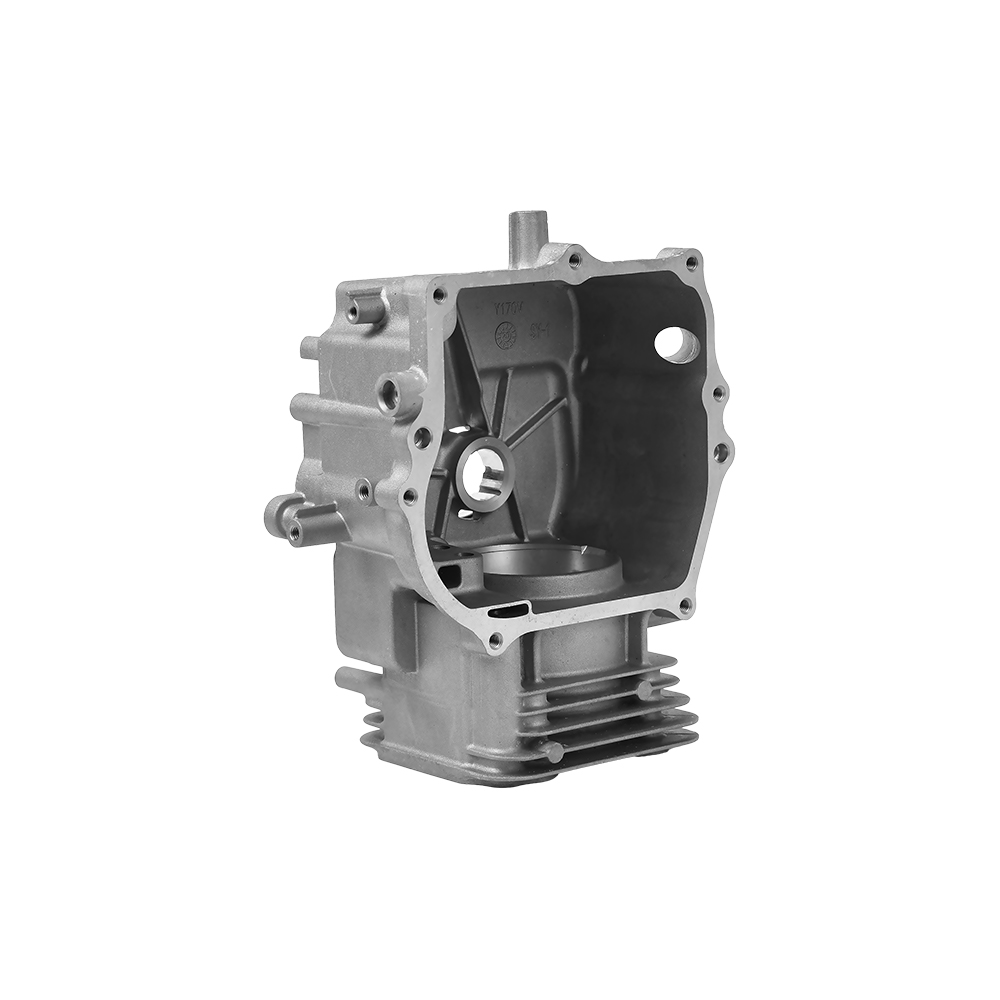
An aluminum casting die produces a near-net shape, not a finished component. Bores still need to be machined, sealing faces need flatness, threads need cutting, and critical dimensions need the tighter tolerance that a CNC process can provide. This is why the machining capability of the die-casting supplier matters as much as the die itself.
A supplier that runs both die casting and CNC machining in the same factory can control the complete workflow: the die creates the casting, the CNC machine finishes it, and the final inspection sees the same part in the same building. That arrangement reduces logistics time, avoids damage during transportation, and keeps the measurement datum stable between operations.
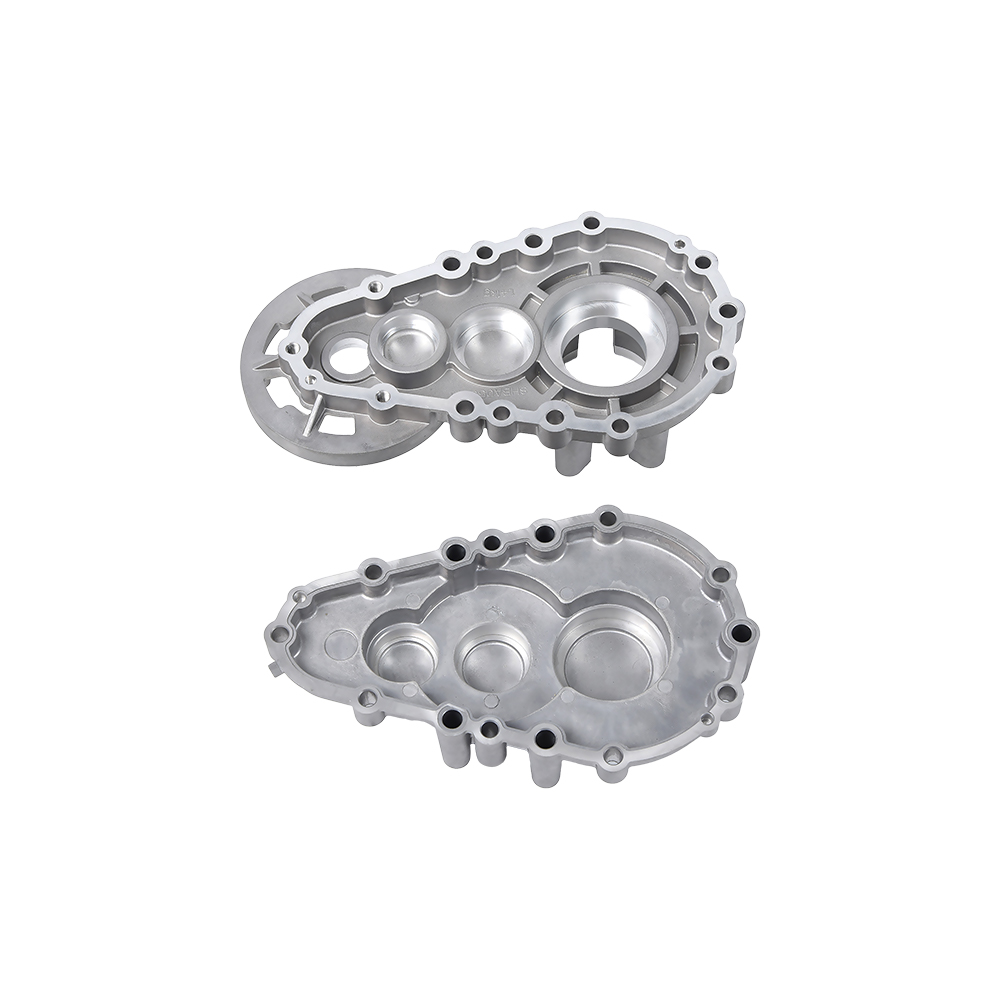
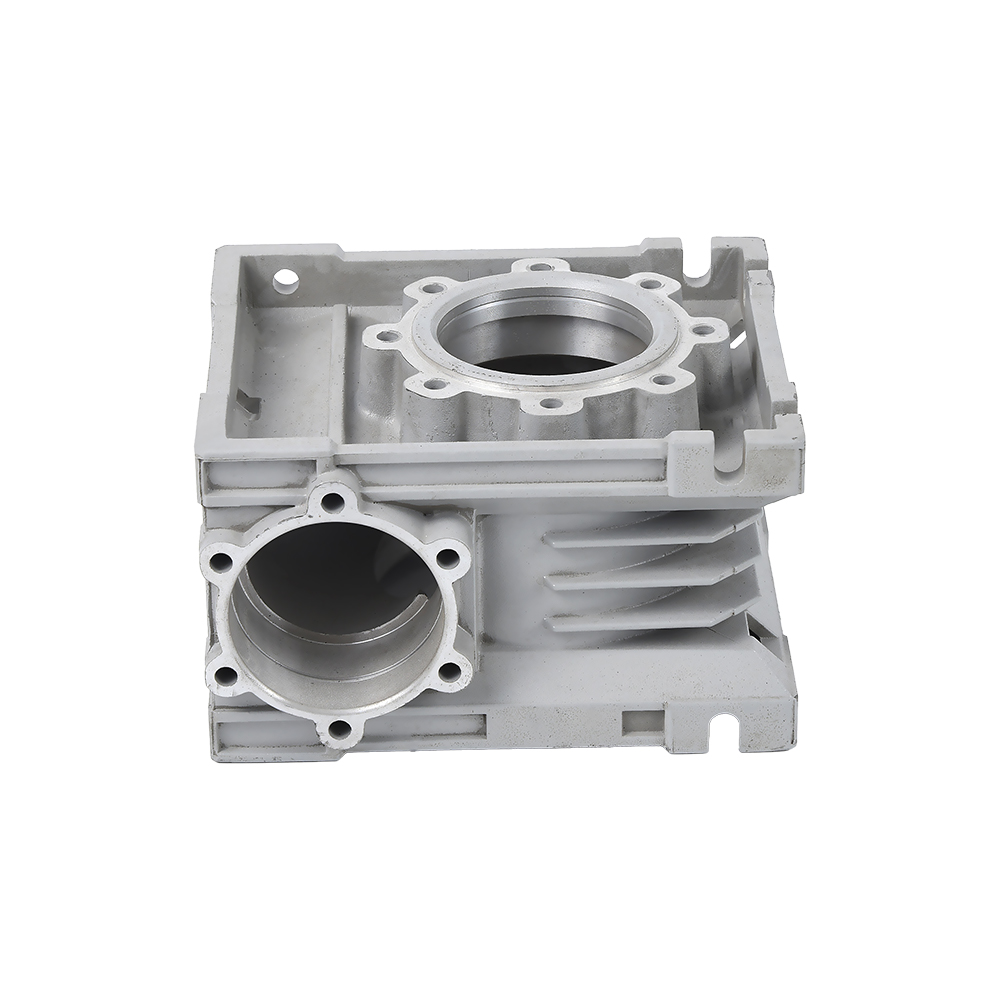
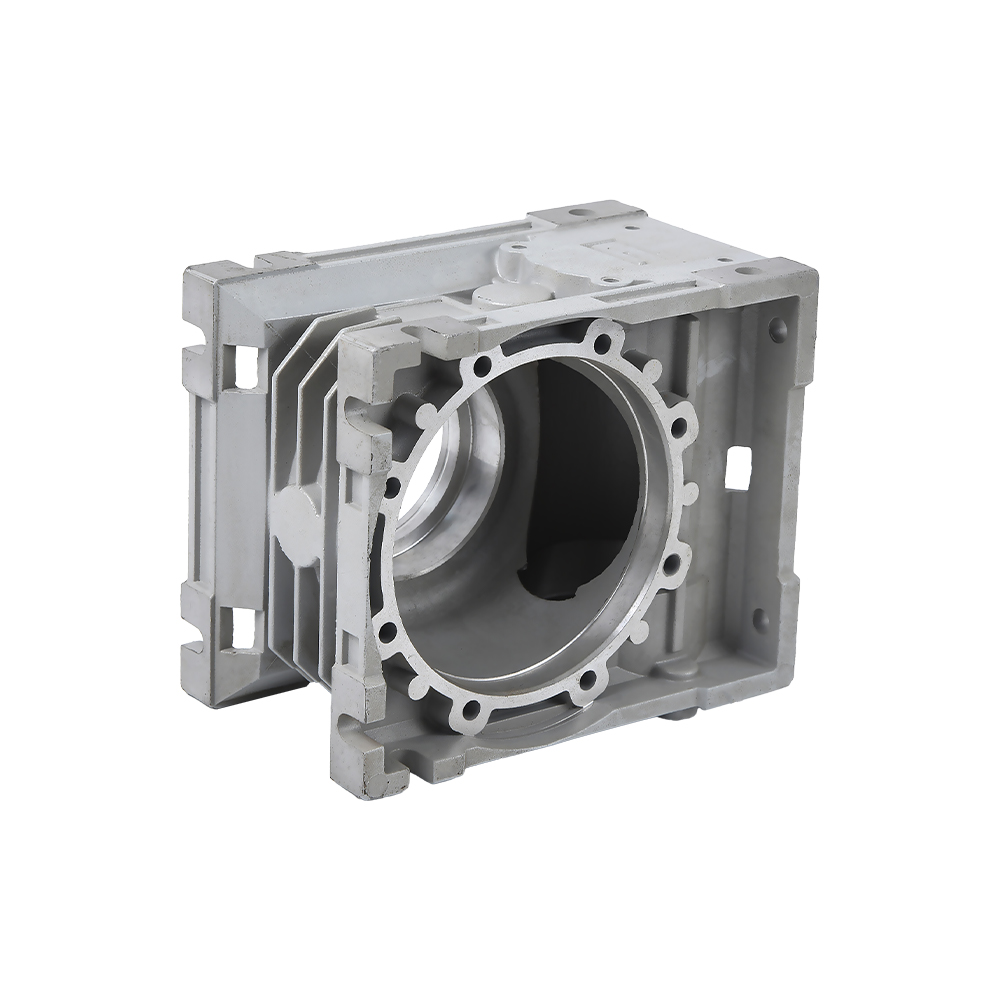 Aluminum Die Casting Gearbox Housing for Precision AssemblyThis gearbox housing demonstrates how die casting forms overall geometry while subsequent CNC machining achieves the tight tolerances required for gear assembly and oil sealing, making it a clear example of integrated casting and machining workflow.View Product →
A gearbox housing is a typical example. The die forms the overall geometry, bearing pockets, and mounting bosses, but the sealing surfaces and bearing bores usually require machining after casting. Without machining, the housing is still functional as a raw casting but cannot meet the tolerances needed for gear assembly and oil sealing.
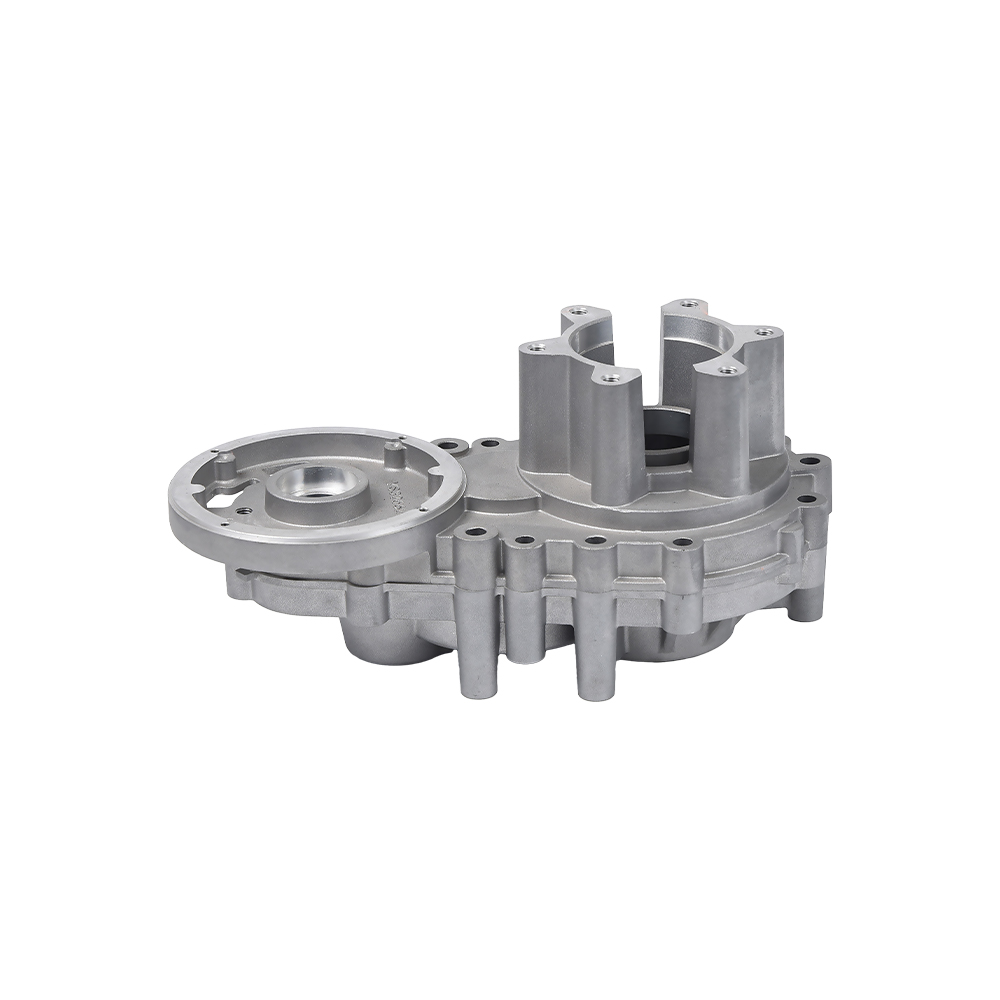
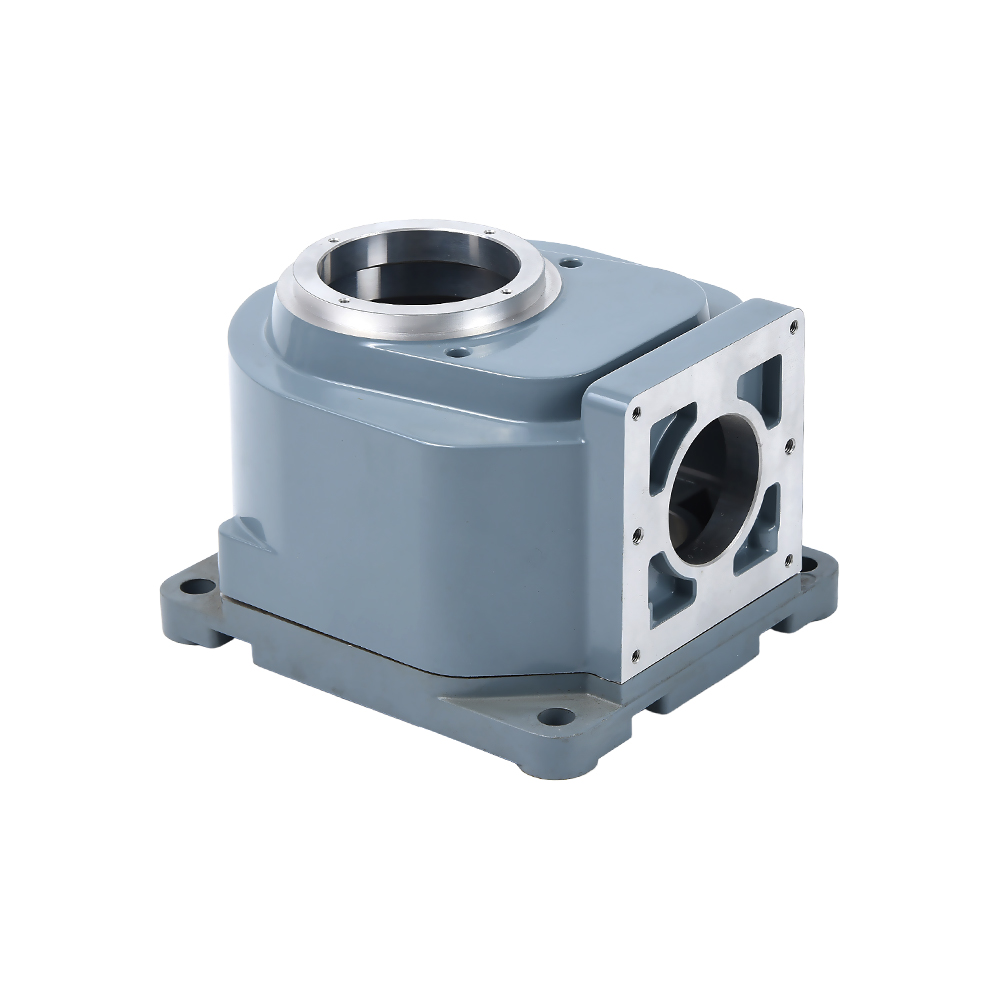
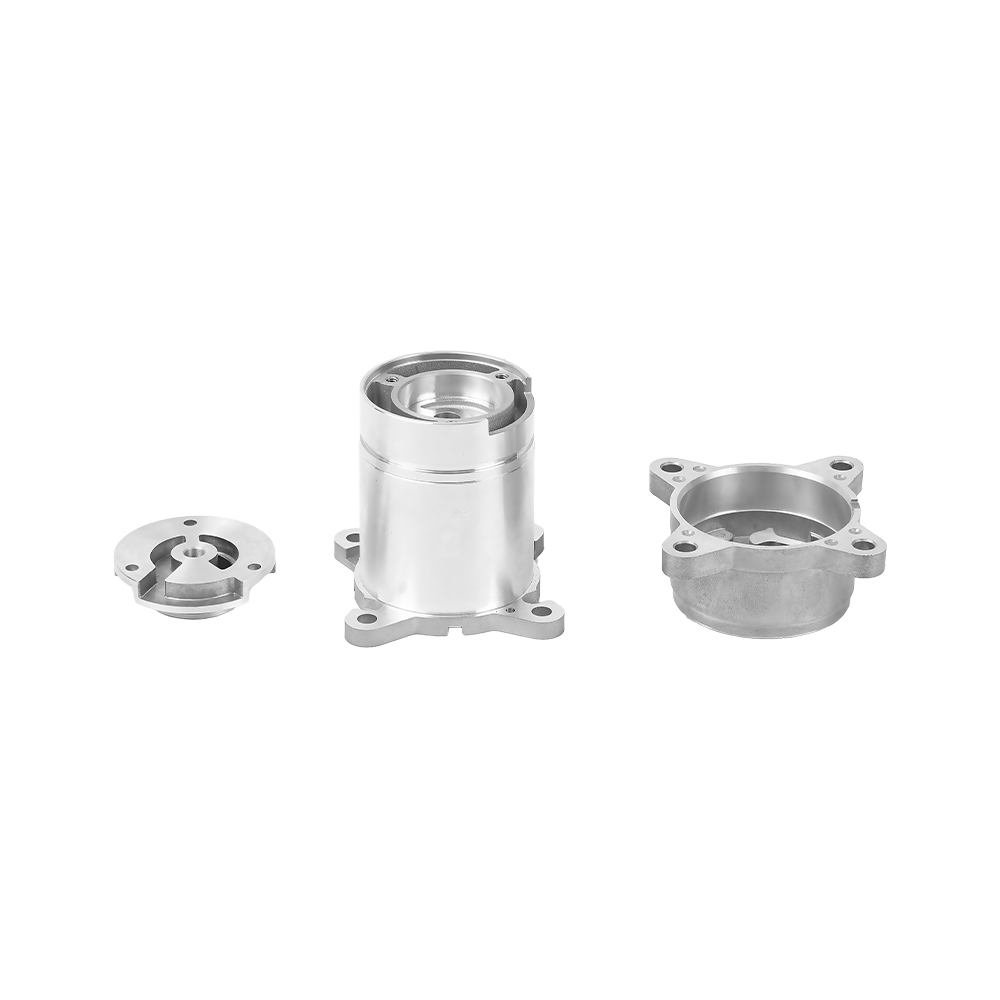 Brushless Motor Accessories Requiring Secondary MachiningMotor housings and end shields rely on die casting for thin walls and complex fin detail, but need precise machining for bore roundness and stator assembly surfaces, following the same logic as gearbox housings.View Product →
Electric motor components follow the same logic. Motor housings, end shields, and brushless motor accessories need precise bore roundness, good thermal conformance, and a clean surface for the stator assembly. The casting die provides thin walls and complex fin detail; secondary machining creates the final locating features.
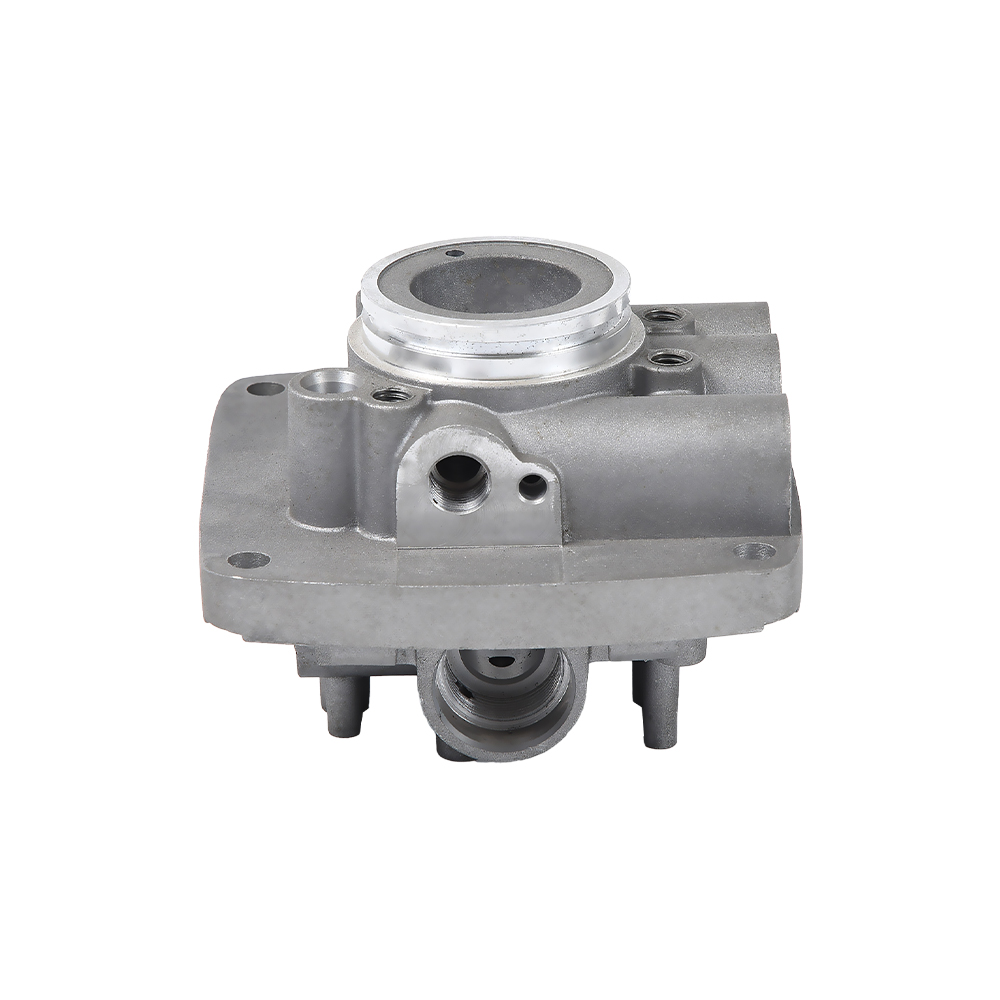
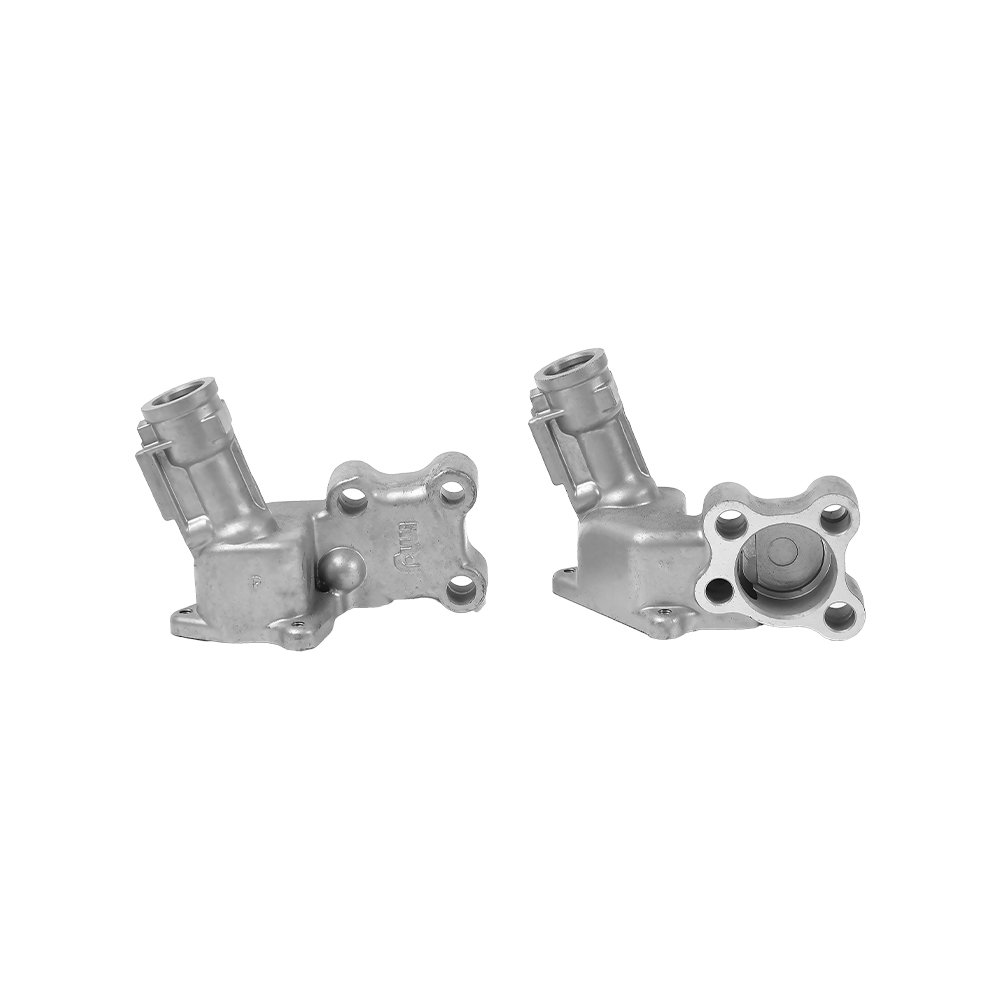
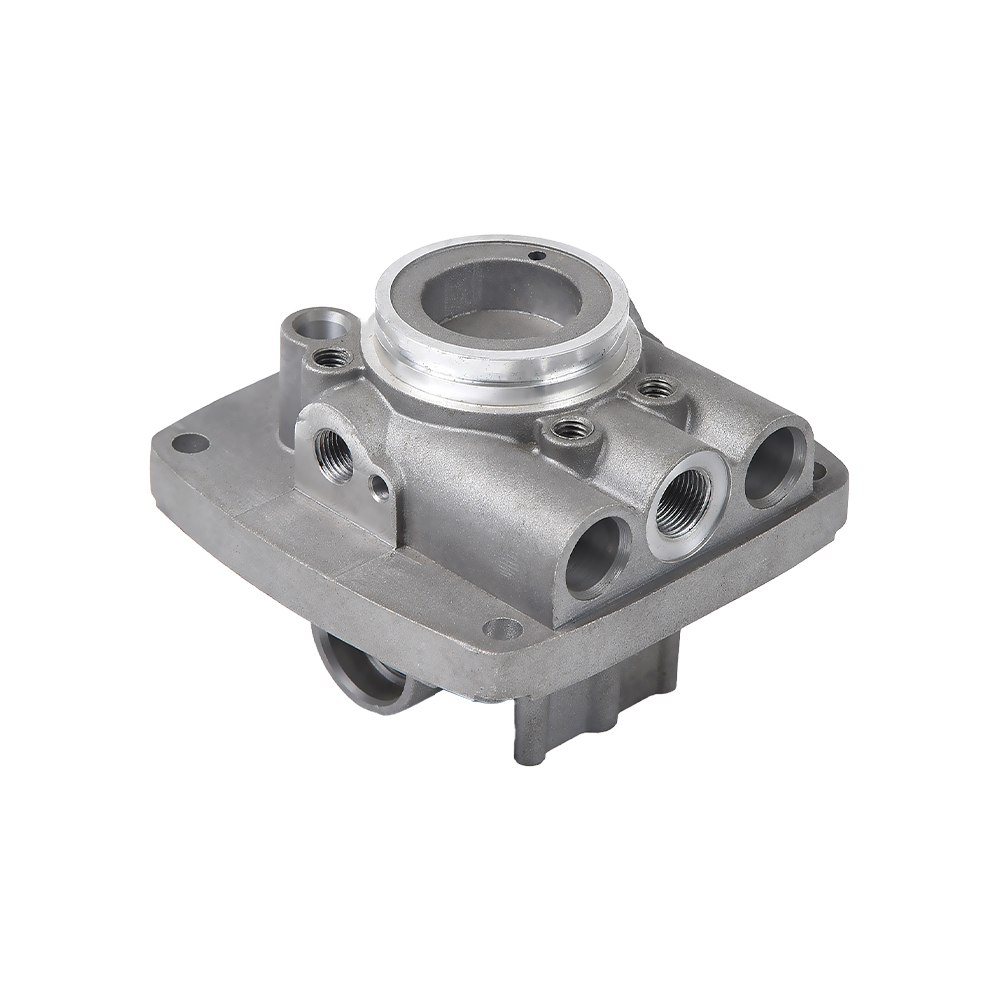 Aluminum Die Casting Hydraulic Valve with Integrated MachiningHydraulic valve bodies benefit from in-house die casting and CNC machining to ensure pressure-tight walls and accurate valve bores, port threads, and sealing faces, while enabling faster dimensional feedback to the die cavity.View Product →
Hydraulic valve bodies benefit from integrated casting and machining for a different reason. The die ensures pressure-tight walls and internal passage geometry, while CNC machining brings the valve bore, port threads, and sealing faces to their final dimensions. A supplier that can do both in-house has a shorter communication loop when dimensional feedback points back to the die cavity.
From a buyer perspective, the practical question is not whether the supplier has a CNC workshop. Almost all do. The more important question is whether the same team owns the die, the casting parameters, and the machining fixtures. When all three are in one facility, problems get solved at their source instead of being passed back and forth between subcontractors.
Questions to Ask a Die-Casting Supplier Before You Approve Tooling
Tooling quotations are easier to compare when both suppliers answer the same set of technical questions. Use the list below as a starting point. It covers the information needed to compare die quality, not only die price.
- What steel grade, heat treatment, and surface coating will the die use? The answer should be specific, such as H13 vacuum-hardened plus nitriding, not simply “steel.”
- Will you run mold-flow simulation before cutting steel? Simulation reports show the expected fill pattern, air traps, and solidification behavior. Ask to see the report.
- How many cavities are included in the quoted die price? A price for a single-cavity die cannot be compared with one for a two-cavity die without adjusting the per-part output.
- What dimensional tolerance will the casting hold before machining? This reveals whether the supplier understands the link between die condition and dimensional drift.
- How many trial shots are included? Sampling cost and the number of samples are part of the tooling agreement.
- What is the expected die life, and what maintenance schedule do you recommend? Die life affects the long-term cost per part, not the initial tooling price.
- Will the same factory do the CNC finishing after casting? In-house casting plus machining reduces transfer risk and keeps tolerance ownership in one place.
- What die repairs are covered under the quotation warranty, and for how many shots? This prevents a cheap die from becoming expensive after the first thousand parts.
The answers to these questions matter more than the polished sales pitch. A supplier that gives clear, honest technical answers during the tooling phase is much more likely to behave the same way during mass production.
Frequently Asked Questions About Aluminum Casting Dies
What is the difference between a die and a mold?
A mold is a generic term for a hollow form used to shape material. A die is a specific tool used in die casting: it operates under very high injection pressure, has moving parts such as slides and ejectors, and cycles much faster than a typical sand mold. In aluminum die casting, the word die is the correct term.
How many shots can you get from an aluminum casting die?
With H13 steel and proper maintenance, a production die for aluminum parts typically lasts between 100,000 and 200,000 shots. Higher-grade ESR steels and protected surface treatments can push this toward the upper end. Die geometry complexity and the alloy being cast are the two biggest variables.
Which steel grade is best for an aluminum die-casting die?
H13 is the industry standard for production aluminum dies. It provides a good balance of hardness, toughness, and resistance to thermal fatigue. H11 may be chosen for very complex cores that need more toughness, while premium H13 ESR grades are used for long-run projects where higher tooling cost is justified by lower per-part cost.
Can one die be used to make several different parts?
Not with a single fixed cavity. A die creates one cavity geometry, although interchangeable inserts can allow a family of similar parts using the same die base. Each change in part shape requires a change in cavity geometry, runner layout, or both. Do not expect a single die to cover completely different part designs.
Does a multi-cavity die reduce the cost per part?
Yes, because more parts come out of the same machine cycle. But the die itself costs more, the setup becomes more complex, and a defect in one cavity can disrupt the whole tool. Multi-cavity dies are the right choice when the annual volume is high and the part design is stable.
Why does porosity appear even when the die is new?
Porosity in aluminum die castings usually comes from trapped gas or shrinkage during solidification. The die controls this through venting, overflow placement, gate design, and cooling line layout. If the die design is correct but porosity still appears, the process parameters may be outside the recommended window.
Do aluminum die-cast parts always need machining after casting?
Most functional parts do. The die creates a near-net shape, but bores, sealing faces, threads, and tight tolerances require CNC machining. A supplier with both die casting and machining capability can keep the tolerances under one roof and reduce transport and handling damage.
How long does it take to build an aluminum casting die?
For a medium-complexity die, a typical lead time is six to twelve weeks, depending on cavity depth, number of slides, and whether mold-flow simulation is included. The sampling and approval phase adds several more weeks. If a supplier promises a very short delivery time, ask how many hours of design validation are included.
What is heat checking and why does it matter?
Heat checking is the network of fine cracks that appear on the die surface after repeated heating and cooling cycles. It transfers marks onto the casting, increases the risk of soldering, and eventually forces a die repair. Good die cooling and a proper steel specification delay the onset of heat checking.
An aluminum casting die is not a commodity item that you buy once and forget. It is a precision tool that determines your part quality, your production stability, and your long-term unit cost. Compare the steel grade, the cooling design, the number of cavities, and the maintenance plan before you compare the price. When the die is designed and built correctly, the casting process has a chance to run smoothly; when the die is weakened to save money, every subsequent batch pays for it.
If you are evaluating a supplier for an aluminum die-casting project, include the tooling specification in your quotation process and contact our team directly to discuss a die design that matches both your part geometry and your production volume.