 LANGUAGE
  English
 русский
 Español

Content
- 1 What Is Aluminium Alloy Casting and Why It Matters
- 2 Major Aluminium Casting Processes Compared
- 3 Selecting the Right Aluminium Alloy for Casting
- 4 Critical Design Rules for Aluminium Alloy Castings
- 5 Common Defects in Aluminium Casting and How to Prevent Them
- 6 Heat Treatment of Aluminium Alloy Castings
- 7 Surface Finishing and Post-Processing for Aluminium Castings
- 8 Quality Control and Inspection Methods in Aluminium Casting Production
- 9 Aluminium Casting in the Automotive and Electric Vehicle Industry
- 10 Sustainability and Recyclability of Aluminium Casting
- 11 Cost Drivers and How to Reduce Aluminium Casting Costs
- 12 Emerging Technologies Shaping the Future of Aluminium Alloy Casting
What Is Aluminium Alloy Casting and Why It Matters
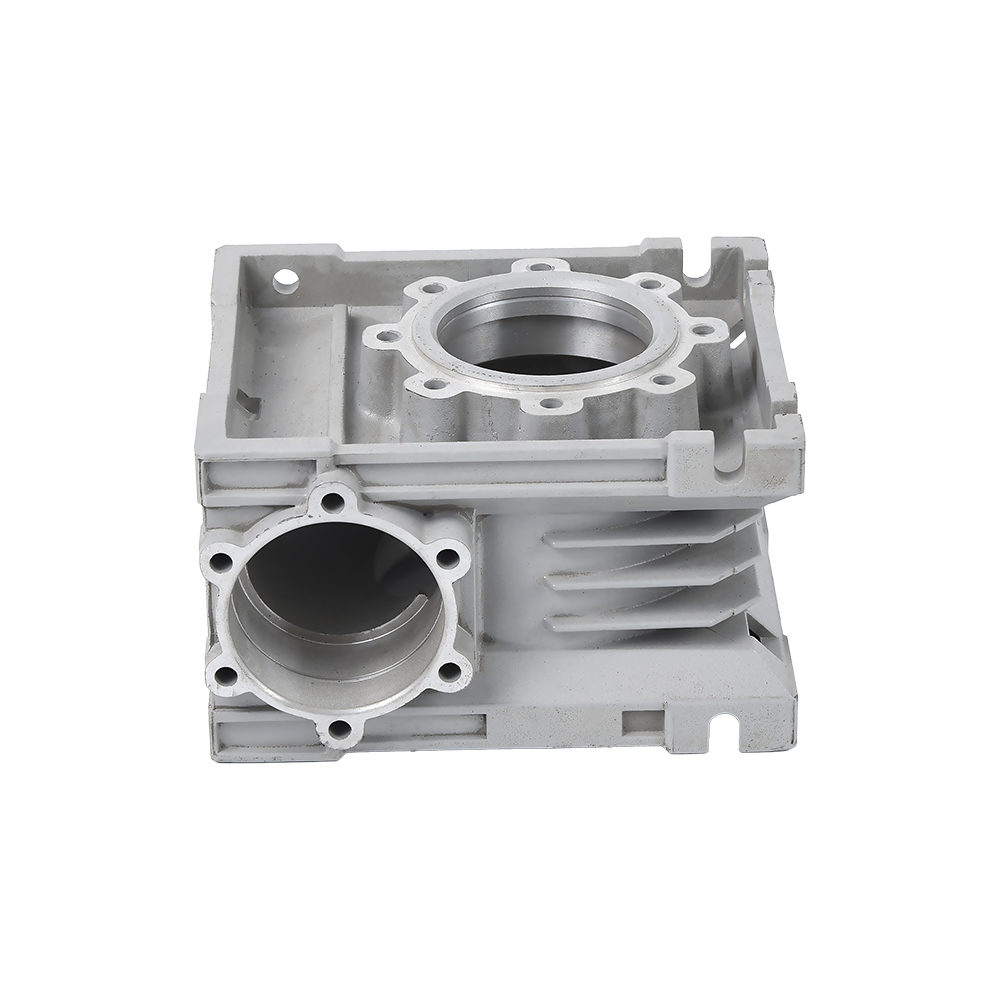
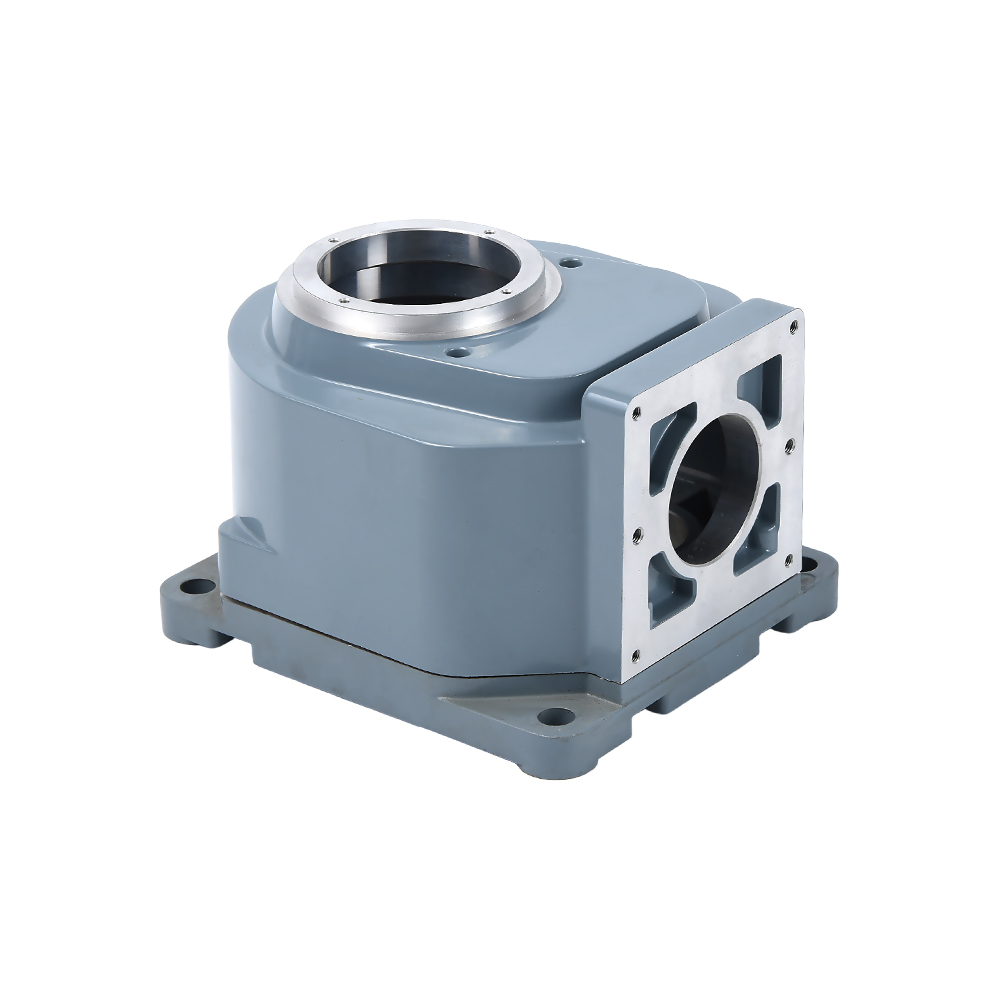
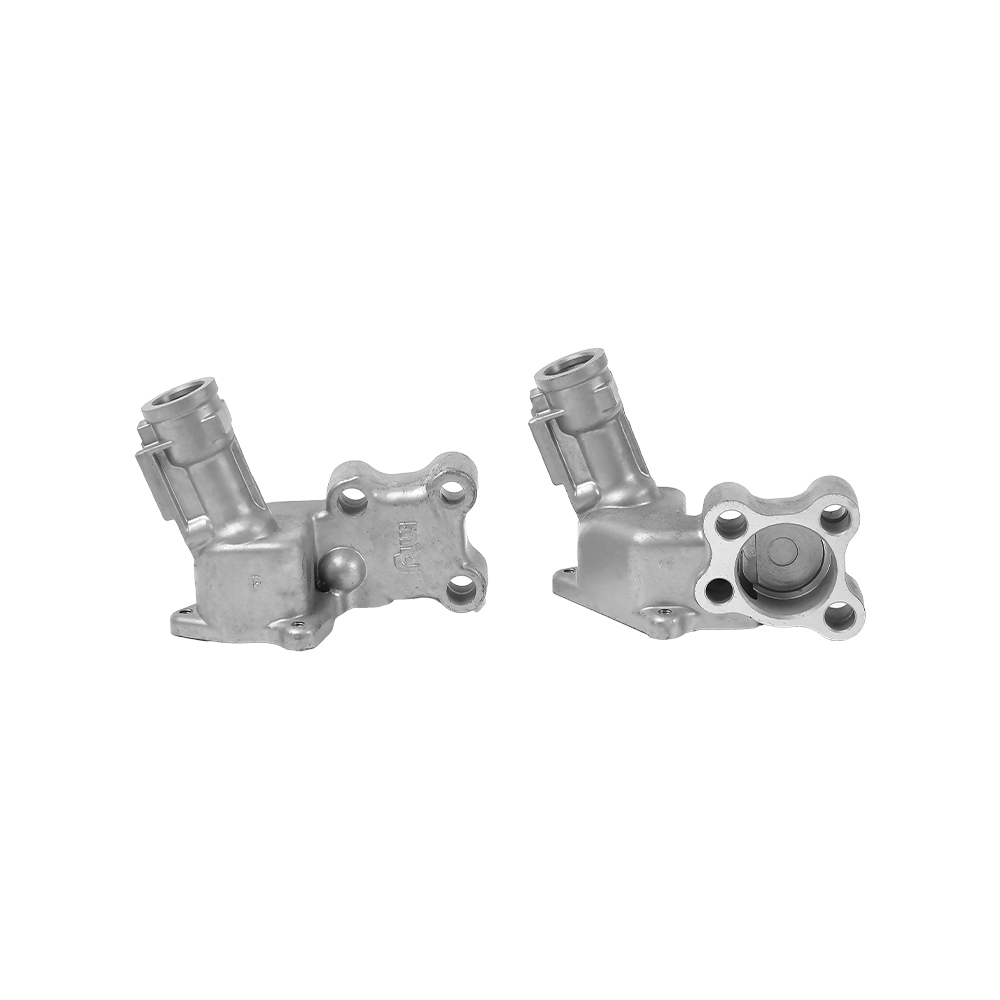
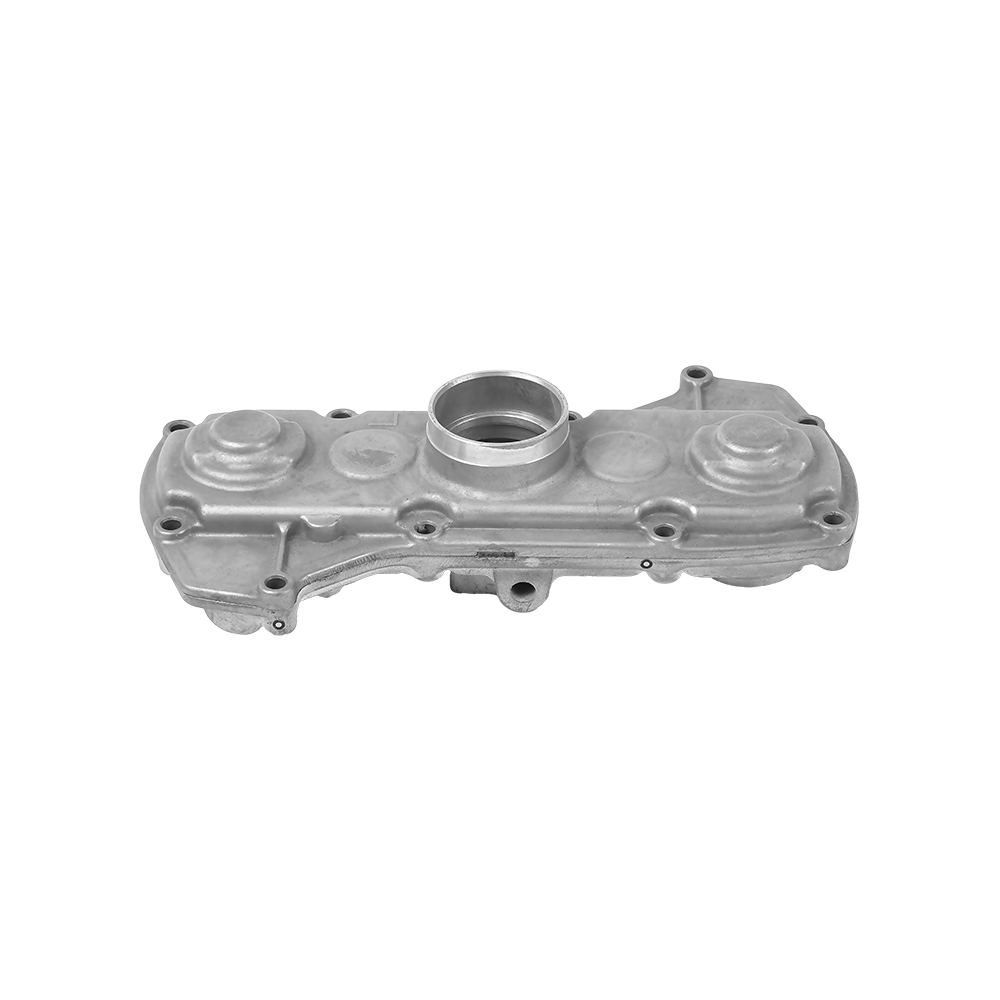
Aluminium alloy casting is a manufacturing process in which molten aluminium alloy is poured or injected into a mould to produce near-net-shape components. The cast part solidifies, is ejected or removed, and typically requires only minor finishing before it is ready for use. This single process can deliver complex geometries, thin walls, and integrated features — features that would require multiple machining operations in solid-stock work.
The short answer to why aluminium casting dominates so many industries: aluminium alloys offer a density of roughly 2.7 g/cm³ compared to 7.8 g/cm³ for steel, yet alloys such as A380 or A356-T6 deliver tensile strengths between 310 MPa and 330 MPa. That strength-to-weight ratio, combined with excellent corrosion resistance and the ability to cast extremely intricate shapes, makes aluminum casting the default choice for automotive structural parts, aerospace brackets, consumer electronics housings, marine hardware, and medical device enclosures.
Global demand confirms the trend. The aluminium die casting market alone was valued at approximately USD 63 billion in 2023 and is projected to grow at a compound annual rate above 7% through 2030, driven primarily by electric vehicle lightweighting requirements and consumer electronics miniaturisation. Understanding the full landscape of aluminium alloy casting — processes, alloy selection, quality control, and cost drivers — is therefore practical knowledge for engineers, procurement managers, and product developers alike.
Major Aluminium Casting Processes Compared
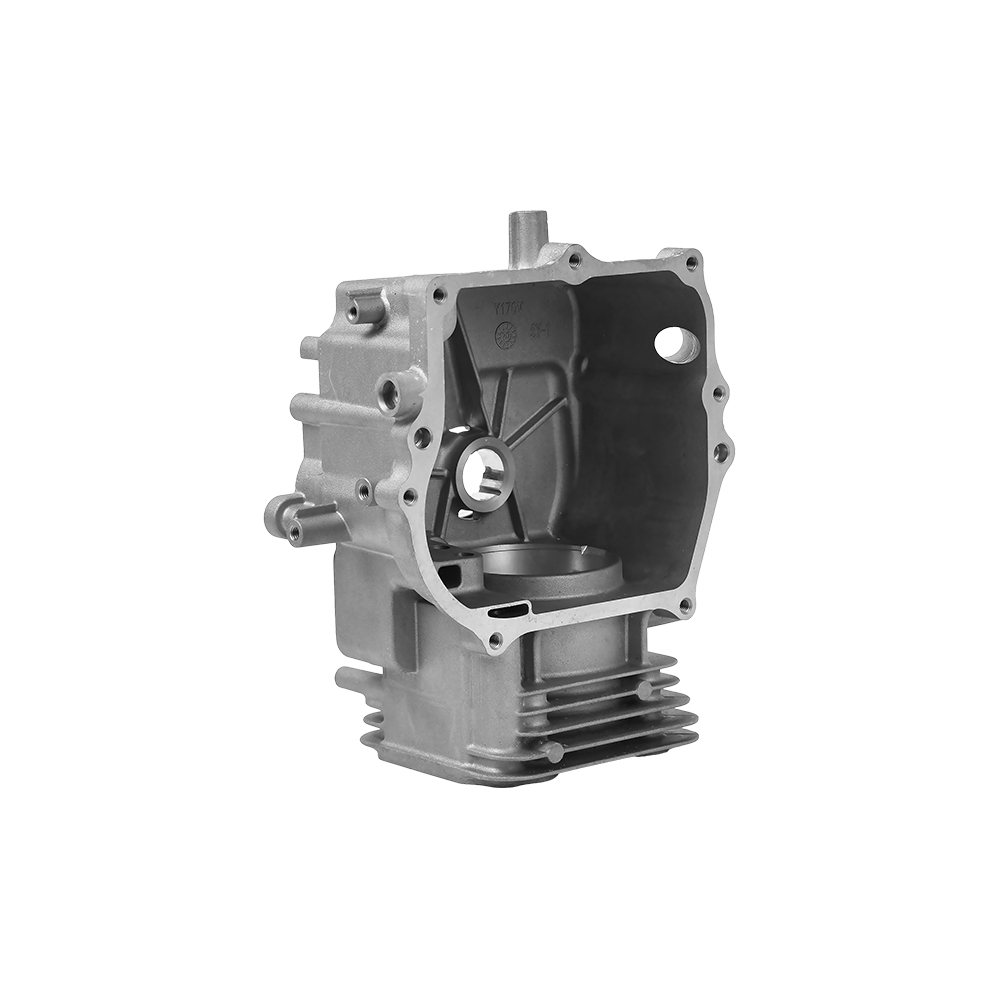
Not all aluminum casting processes are interchangeable. Each method has a distinct cost profile, dimensional capability, and mechanical property outcome. Choosing the wrong process early in product development routinely leads to expensive tooling changes or compromised part performance. The four most widely used processes are high-pressure die casting (HPDC), low-pressure die casting (LPDC), gravity permanent mould casting, and sand casting.
High-Pressure Die Casting (HPDC)
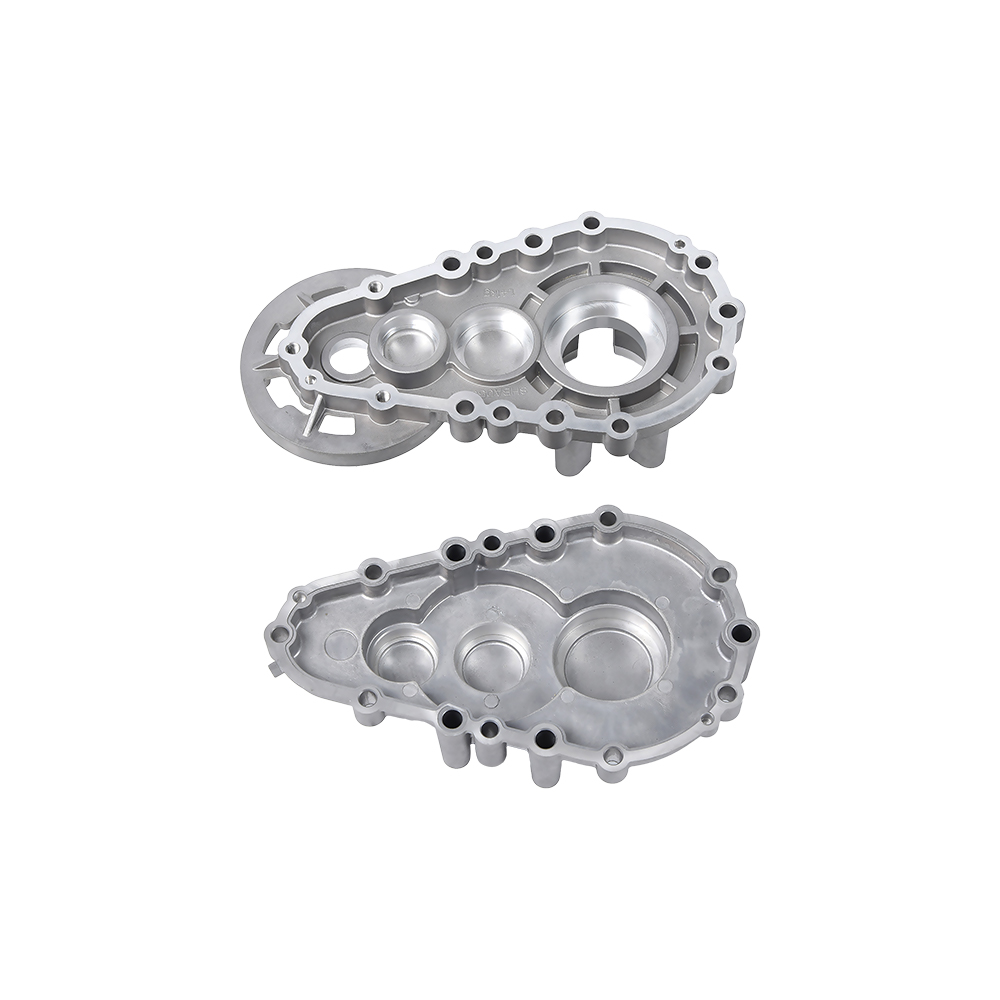
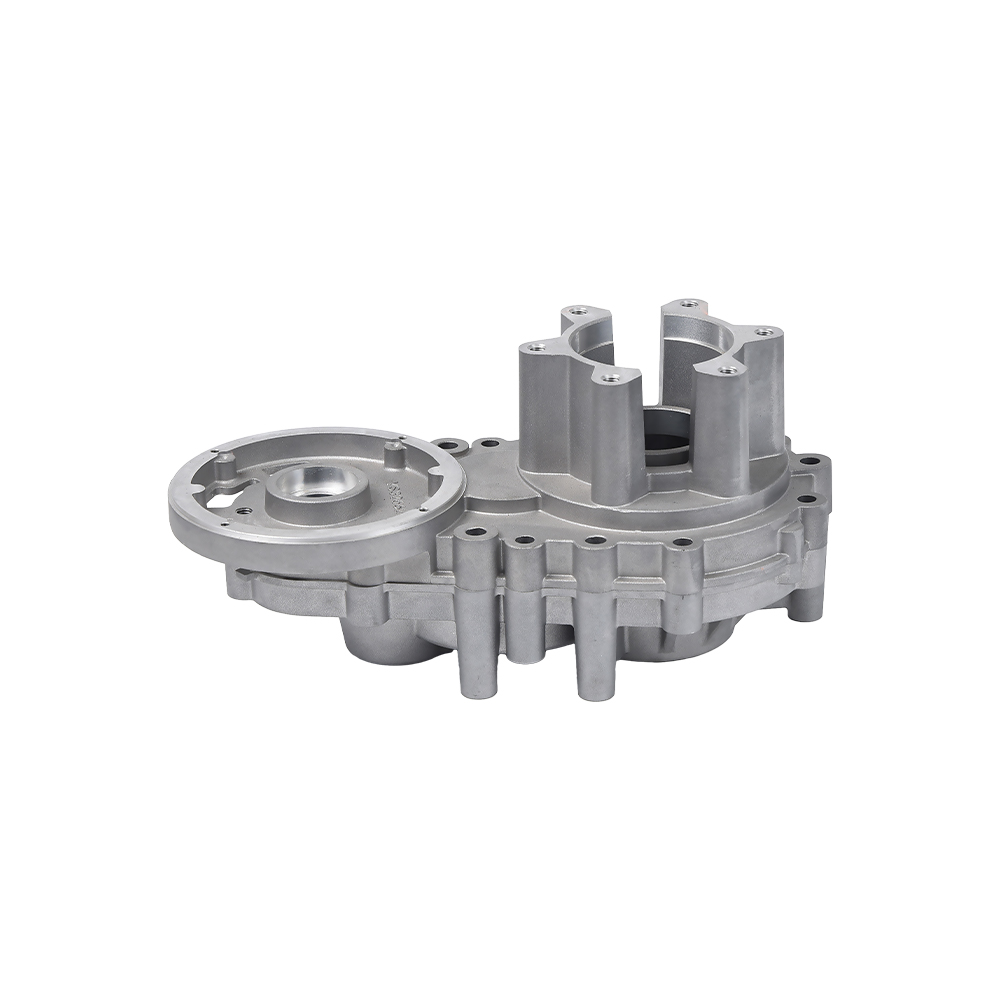
HPDC forces molten aluminium alloy into a steel die at pressures typically between 70 MPa and 1,050 MPa and cycle times as short as 15 seconds per shot. This makes it the highest-volume aluminium casting method on the planet. Automotive OEMs use HPDC to produce engine blocks, transmission housings, battery trays, and structural body nodes at rates of millions of parts per year. Surface finish is excellent — Ra values of 1.0–3.2 µm are routine — and wall thicknesses can reach 1.0 mm in optimised designs.
The trade-off is that high injection velocity traps air in the die cavity, producing porosity that limits post-cast heat treatment in conventional HPDC. Vacuum-assisted HPDC and squeeze casting variants largely overcome this, allowing T5 and even T6 temper treatments that push tensile strength toward 340 MPa in alloys such as AlSi10MnMg.
Low-Pressure Die Casting (LPDC)
LPDC uses a pressurised furnace below the die, filling from the bottom upward at pressures of 0.3–1.0 bar. The laminar fill pattern dramatically reduces entrapped air, producing aluminium castings with lower porosity and far greater suitability for full T6 heat treatment. Wheel manufacturers rely on LPDC almost exclusively: over 70% of aluminium alloy wheels globally are produced via LPDC, using A356 alloy to achieve yield strengths of 200–240 MPa after T6 treatment. Cycle times are longer (2–5 minutes) and die costs are slightly lower than HPDC, but part complexity is somewhat more limited.
Gravity Permanent Mould Casting
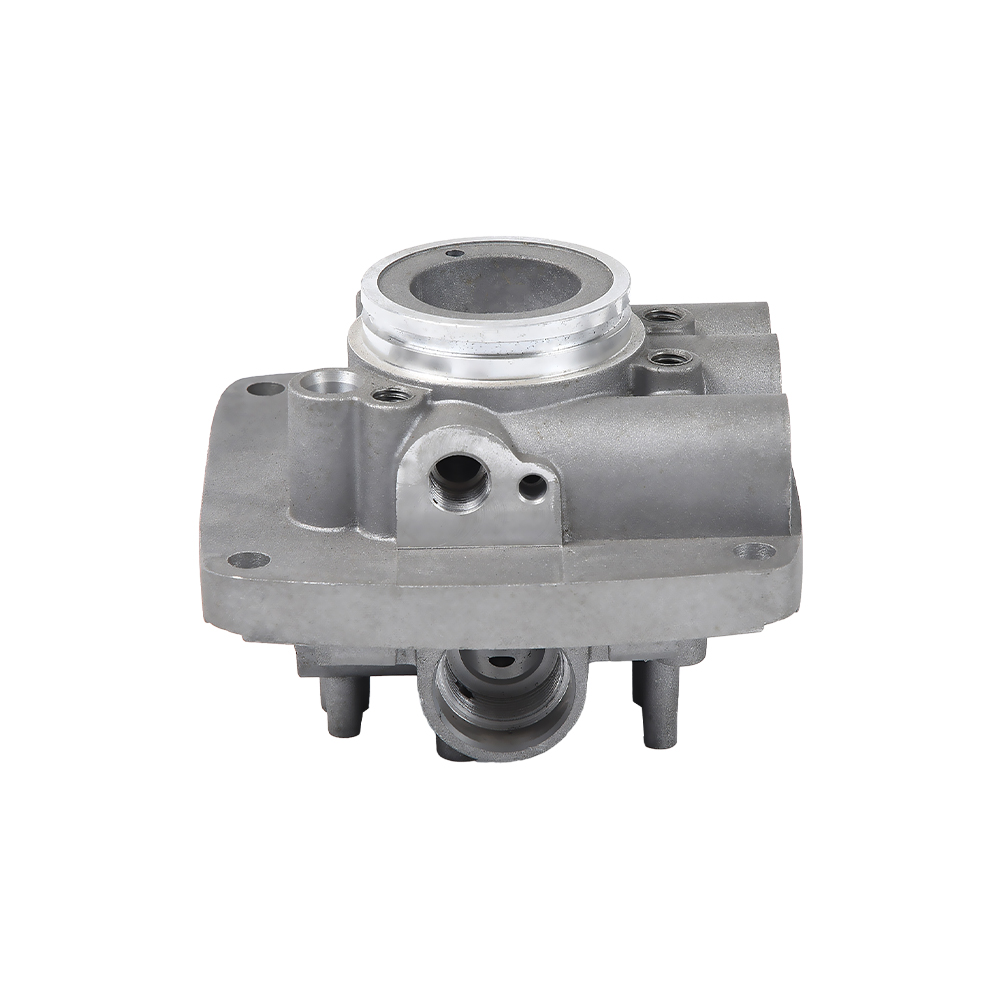
Also called gravity die casting or chill casting, this process relies on gravity to fill a reusable steel or iron mould. Fill is slower and more controlled than HPDC, resulting in low porosity and good mechanical properties. Gravity permanent mould casting is the process of choice for cylinder heads, pump bodies, and hydraulic manifolds where pressure tightness is mandatory. Typical dimensional tolerances are ±0.3 mm — not as tight as HPDC (±0.1–0.2 mm) but considerably better than sand casting (±0.8–1.5 mm).
Sand Casting
Sand casting uses expendable sand moulds and is the most flexible aluminium casting method by geometry. Cores of almost any shape can be set inside the mould to create internal passages, making it ideal for complex intake manifolds, marine propellers, and large structural components. Tooling costs are the lowest of all casting methods — a simple pattern can cost under USD 5,000 — which makes sand casting the default for prototype runs and low-volume production below roughly 500 pieces per year. The downside is a coarser surface finish (Ra 6–25 µm) and the widest dimensional tolerances.
| Process | Typical Tooling Cost (USD) | Dimensional Tolerance (mm) | Porosity Level | Best Volume Range |
|---|---|---|---|---|
| HPDC | 50,000–500,000 | ±0.1–0.2 | Moderate–High | >10,000 pcs/yr |
| LPDC | 30,000–200,000 | ±0.2–0.4 | Low | 5,000–200,000 pcs/yr |
| Gravity Permanent Mould | 10,000–80,000 | ±0.3–0.5 | Low–Moderate | 1,000–50,000 pcs/yr |
| Sand Casting | 1,000–20,000 | ±0.8–1.5 | Moderate | <5,000 pcs/yr |
Selecting the Right Aluminium Alloy for Casting
Alloy selection is the second most consequential decision after process choice. The Aluminium Association designates casting alloys with a three-digit system (e.g., 380, 356, 319) where the first digit indicates the primary alloying element. Silicon-based alloys dominate aluminium casting because silicon dramatically improves fluidity, reduces shrinkage, and lowers the melting range — all of which translate to fewer casting defects and longer die life.
A380: The Industry Workhorse
A380 (Al–8.5Si–3.5Cu) is the single most widely used aluminium die casting alloy in North America, and for straightforward reasons: it flows into thin sections easily, resists hot cracking, and delivers tensile strength of about 324 MPa with hardness around 80 HRB in the as-cast condition. Its copper content gives it excellent machinability and high-temperature strength, making it suitable for engine bracket and power tool housings. The drawback is moderate corrosion resistance — parts in salt-spray environments typically require anodising or powder coating.
A356 and A357: Premium Structural Alloys
A356 (Al–7Si–0.35Mg) produces low porosity aluminium castings that respond well to T6 heat treatment, reaching yield strengths of 200–240 MPa and elongations of 6–10%. When magnesium is increased to 0.55–0.6% (A357), strength climbs further, with yield strengths after T6 of 275–310 MPa. Aerospace structural nodes, suspension knuckles, and motorsport components regularly use A357-T6 for this reason. Both alloys have better corrosion resistance than A380 due to lower copper content.
AlSi10MnMg (Silafont-36): The EV Era Alloy
The electric vehicle industry has accelerated adoption of low-copper, high-ductility alloys. AlSi10MnMg contains less than 0.1% copper, which allows it to be heat treated even after HPDC (in vacuum-assisted or squeeze-cast variants) and reach elongations of 10–15% combined with tensile strengths of 280–320 MPa. These properties make it the preferred alloy for structural battery enclosures and crash-relevant body nodes in Tesla, BMW, and Volkswagen platforms.
319 and 413: Pressure Tightness and Fluidity
Alloy 319 (Al–6Si–3.5Cu) has been the standard choice for cylinder heads and water jackets for decades because it maintains pressure tightness and resists fatigue at elevated operating temperatures. Alloy 413 (Al–12Si) offers the highest fluidity of any common aluminium casting alloy — it can fill sections under 1 mm — making it the specification for intricate decorative hardware, thin-wall housings, and complex valve bodies where fill is the overriding concern rather than ultimate strength.
Critical Design Rules for Aluminium Alloy Castings
Foundry failures in aluminium casting rarely originate on the foundry floor. The majority trace back to design decisions made weeks or months earlier. Following established design-for-manufacturability principles from the concept stage avoids expensive late-stage tooling modifications and part rejections.
- Wall thickness uniformity: Abrupt thickness transitions create differential cooling rates, leading to hot tears and shrinkage porosity. Aim for uniform walls of 2.5–4 mm in HPDC, with gradual transitions (maximum 3:1 ratio) where thicker sections are unavoidable.
- Draft angles: All surfaces parallel to the die-draw direction need draft to facilitate ejection. Standard draft is 1–3° on external walls and 2–5° on internal cores. Ignoring draft adds pull-out load, damages the part surface, and accelerates die wear.
- Rib design: Stiffening ribs should be 60–80% of the adjoining wall thickness to prevent sink marks and shrinkage on the opposite face. Rib height should not exceed five times the rib thickness without additional support structures.
- Fillet radii: Inside radii of at least 1.5 mm reduce stress concentrations at corners and improve metal flow. Sharp internal corners in aluminium castings are a primary fatigue crack initiation site.
- Boss design: Bosses for self-tapping screws should have a wall thickness equal to the outside radius of the boss and be connected to adjacent walls with gussets. Isolated bosses on flat panels almost always develop shrinkage porosity.
- Undercuts and side actions: Every undercut requires a side core or lifter mechanism in the die, adding tooling cost and maintenance complexity. Redesigning geometry to eliminate undercuts can reduce die cost by 15–25%.
- Gate and runner location: Gate placement determines fill pattern, weld line location, and air entrapment risk. Weld lines — where two flow fronts meet — are the weakest points in an aluminium casting and should be positioned away from high-stress zones through simulation-guided gating design.
Common Defects in Aluminium Casting and How to Prevent Them
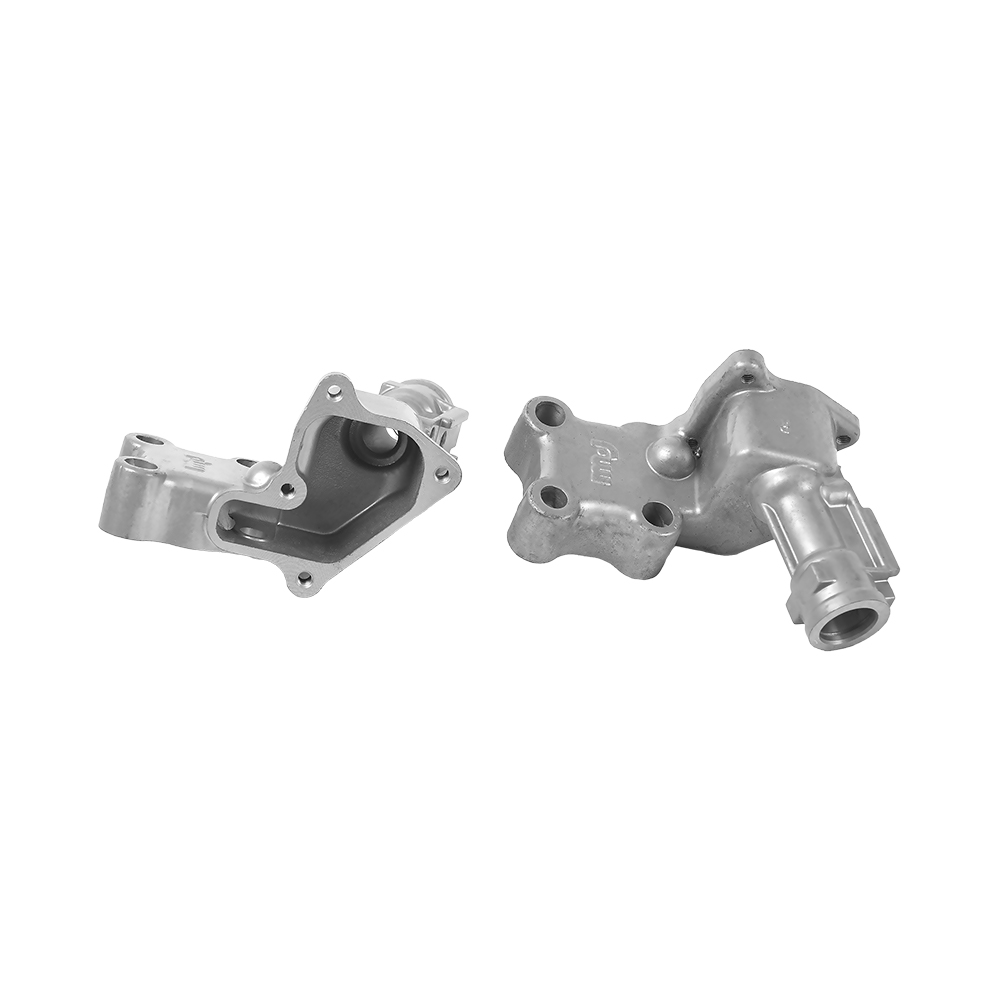
Understanding defect mechanisms is the fastest route to improving first-pass yield in aluminium casting operations. The most costly defects — those that escape visual inspection and cause field failures — are subsurface and require non-destructive testing (NDT) to detect.
Shrinkage Porosity
Aluminium alloys contract approximately 3.5–7% by volume on solidification. If liquid metal cannot feed this contraction — because the gate has frozen off or the feeding path is geometrically blocked — a void forms inside the casting. Shrinkage porosity reduces effective cross-section area, cuts fatigue life, and causes pressure leaks in fluid-handling components. Prevention strategies include directional solidification design (thicker sections near the gate), adequate riser volume, and simulation tools like MAGMASOFT or ProCAST to predict hot spots before cutting steel.
Gas Porosity
Hydrogen is the only gas that dissolves significantly in liquid aluminium — at 660°C the solubility drops from roughly 0.69 mL/100g to 0.036 mL/100g on solidification, forcing hydrogen out of solution as spherical pores. Melt degassing with rotary impeller units (RIU) using argon or nitrogen reduces dissolved hydrogen to below 0.10 mL/100g, cutting gas porosity scrap rates by 40–60% in controlled production environments. Melt temperature management is equally important — every 50°C rise in holding temperature approximately doubles hydrogen pick-up rate from atmospheric moisture.
Cold Shuts and Misruns
When two flow fronts meet at insufficient temperature, they fail to fuse completely, creating a cold shut — a planar discontinuity that appears as a seam on the surface or internally. Misruns occur when the metal solidifies before fully filling the cavity. Both defects indicate inadequate metal temperature, insufficient injection speed, or gating geometry that causes premature cooling. In HPDC, gate velocity in the range of 30–50 m/s is typically required to maintain heat across thin sections; dropping below this threshold substantially increases cold shut frequency.
Hot Tearing
Hot tears form in the semi-solid state when thermal contraction exceeds the strength of the partially solidified network. High-copper alloys (380, 319) have narrower solidification ranges and are less susceptible; alloys with wide solidification ranges (certain Al-Mg compositions) are far more prone to hot tearing in complex geometries. Reducing restraint through proper mould design and modifying alloy composition — adding small amounts of titanium boride grain refiner, for instance — are standard mitigation approaches.
Oxide Inclusions
The aluminium oxide skin that forms instantly on any liquid surface will fold into the casting if metal handling is turbulent. Oxide films (bifilms) are among the most damaging inclusion types because they are essentially pre-existing cracks in the microstructure, having no bonding between their two surfaces. Minimising turbulence in ladle transfer and runner design, filtering the melt through ceramic foam filters rated at 30–50 PPI (pores per inch), and using bottom-fill pouring systems all significantly reduce oxide inclusion rates.
Heat Treatment of Aluminium Alloy Castings
Heat treatment can transform the mechanical properties of aluminium casting alloys by factors of two or more, but not every alloy or process combination is compatible. The Aluminium Association temper designations — T4, T5, T6, T7 — define what thermal processing has been applied.
- T4 (Solution treated and naturally aged): The casting is solution-treated at 520–540°C to dissolve alloying elements, then quenched and allowed to age at room temperature. Ductility is maximised; strength is intermediate. Rarely used in production due to long natural ageing times (several days to weeks for stability).
- T5 (Artificially aged only): No solution treatment — the casting goes directly from the die into the ageing oven at 150–200°C. Suitable for HPDC parts because it avoids the distortion and blistering that quenching can cause in porous castings. Modest strength gains over as-cast; primarily used to improve dimensional stability.
- T6 (Solution treated and artificially aged): The full precipitation hardening cycle. A356-T6 wheels achieve yield strengths of 200–240 MPa versus 100–130 MPa in the F (as-cast) condition — a strength improvement exceeding 80%. Requires low-porosity castings; conventional HPDC parts typically cannot be T6 treated without vacuum-assisted or squeeze-cast processing.
- T7 (Solution treated and over-aged): Ageing is carried past the peak hardness point to improve dimensional stability and stress corrosion resistance. Used for aluminium castings in elevated-temperature service where creep resistance matters more than maximum strength.
Quench rate during T6 processing is a critical variable that is often underappreciated. Water quenching at 60–80°C (warm water) rather than cold water reduces residual stress and distortion in complex aluminium castings by 30–40% with only a modest strength penalty compared to cold water quenching.
Surface Finishing and Post-Processing for Aluminium Castings
Raw aluminium casting surfaces are rarely the finished state for functional parts. Post-processing choices affect corrosion performance, appearance, dimensional accuracy, and cost in ways that must be planned at the design stage.
Machining
CNC machining of aluminium casting alloys is generally fast and inexpensive — aluminium cuts at two to three times the speeds used for steel, with carbide or PCD tooling achieving surface finishes of Ra 0.8 µm or better. The key concern is that aggressive machining can expose subsurface porosity, especially near sealing surfaces. Critical faces — gasket seats, O-ring grooves, bore diameters — should have adequate machining stock (typically 0.5–2 mm) allocated in the casting design.
Anodising
Hard anodising grows an aluminium oxide layer 25–75 µm thick that is integral to the base metal, with hardness of 300–500 HV — harder than mild steel. It provides excellent abrasion resistance and electrical insulation, and is standard for hydraulic actuators, pneumatic cylinders, and heat sink surfaces. Type II (standard) anodising at 15–20 µm improves corrosion resistance and accepts dye colouring. High-silicon alloys like A380 and A413 anodise poorly due to the silicon particles disrupting coating uniformity; A356 and alloys with silicon below 7% anodise far more consistently.
Powder Coating and Painting
Powder coating over a chromate or zirconium conversion layer provides excellent salt-spray resistance (typically 1,000 hours per ASTM B117) and is cost-effective for medium to high volumes. Automotive exterior aluminium castings for wheel covers, mirror brackets, and trim components are almost universally powder coated or wet painted over a conversion coating. Outgassing from subsurface porosity during powder coat oven cure (180–200°C) can cause surface blisters — another reason to control casting porosity during the foundry stage.
Impregnation
Vacuum impregnation fills interconnected porosity with a thermoset sealant (typically polyester methacrylate), restoring pressure tightness to castings that would otherwise leak. This is a well-established, MIL-spec process widely used in automotive transmission cases, hydraulic blocks, and pneumatic bodies. Impregnation costs roughly USD 2–8 per part depending on size and is far more economical than scrapping a finished casting. Up to 30% of automotive aluminium castings that undergo pressure testing are rescued via impregnation rather than scrapped.
Quality Control and Inspection Methods in Aluminium Casting Production
Robust quality control in aluminium casting is not a final-stage gate — it is a process embedded throughout melting, casting, and finishing. Waiting until the finished part to detect problems is the most expensive quality strategy possible.
Melt Quality Monitoring
Reduced Pressure Test (RPT) is the standard shop-floor method for monitoring hydrogen content. A small melt sample solidifies under vacuum; the resulting porosity is compared against reference standards. More precise density-index measurements using the Archimedes method distinguish good melt (density index <2%) from marginal (>5%) or poor melt with confidence. Spectrometric analysis of alloy chemistry every 2–4 hours of production is standard practice in quality-focused foundries.
X-Ray and CT Scanning
Industrial X-ray radiography detects internal voids above roughly 0.5 mm, making it the standard method for inspecting pressure-critical aluminium castings. Industrial computed tomography (CT) takes this further, producing a full 3D volumetric map of internal porosity, inclusions, and wall thickness — without sectioning the part. CT scanning is increasingly used for first-article inspection and process development, with systems capable of resolving features to 50 µm or smaller. The throughput bottleneck for CT (one part per 5–30 minutes) limits it to sampling rather than 100% inspection except in safety-critical applications.
Pressure Testing
Air decay and helium leak testing are the final gatekeepers for fluid-handling aluminium castings. Air decay measures pressure loss over a fixed time in a sealed cavity; helium leak testing uses a mass spectrometer to detect helium tracer gas permeating through interconnected porosity. Helium testing can detect leak rates as low as 10⁻⁹ mbar·L/s — several orders of magnitude more sensitive than air decay — and is the specification for aluminium casting components in refrigeration systems, fuel systems, and high-pressure hydraulics.
Coordinate Measuring Machine (CMM) and 3D Scanning
CMM inspection using touch probes measures critical dimensions against GD&T callouts with uncertainty of ±2–5 µm. For complex free-form surfaces, structured-light 3D scanners capture full surface geometry in minutes and compare it against the nominal CAD model using colour deviation maps. First-article inspection of a new aluminium casting typically requires both CMM for datum-referenced critical dimensions and 3D scan for overall form and wall thickness verification.
Aluminium Casting in the Automotive and Electric Vehicle Industry
The automotive sector consumes more than 70% of all aluminium casting production by volume, and electrification is accelerating the share further. A conventional internal combustion engine vehicle contains 120–180 kg of aluminium, heavily concentrated in the powertrain. An electric vehicle shifts that mass toward structural body castings, battery housings, and thermal management components.
Tesla popularised the concept of gigacasting — using extremely large HPDC machines (6,000–9,000 tonne clamping force) to produce entire rear underbody or front structural assemblies as a single aluminium casting instead of 70–100 stamped and welded steel components. The claimed benefits are real: parts count reduction of over 75%, assembly time reduction of approximately 40%, and weight savings of 10–15 kg per assembly compared to the equivalent steel weldment. Rivian, Volvo, and General Motors have all announced similar programmes.
Battery enclosures represent one of the largest new application areas for aluminium casting. A typical 800V EV platform battery tray combines structural stiffness (to protect cells in a crash), thermal management channels (integral coolant passages cast directly into the floor), and electromagnetic shielding — all in a single aluminium alloy casting weighing 25–45 kg. The design complexity and consequence of failure make process control and NDT even more critical than in traditional powertrain casting.
Sustainability and Recyclability of Aluminium Casting
One of the most compelling environmental arguments for aluminium casting is the recyclability of the material. Aluminium can be recycled indefinitely without loss of properties, and recycling requires only 5% of the energy needed to produce primary aluminium from bauxite ore. In practice, the aluminium casting industry already uses a high proportion of secondary (recycled) metal — estimates put the average recycled content in automotive aluminium castings at 50–70%.
The distinction between wrought and casting alloys matters here. Most high-silicon casting alloys (A380, A356, 413) cannot be directly recycled back into wrought sheet or extrusion stock without blending down the silicon content — a process requiring additional primary aluminium. This creates a practical ceiling on closed-loop recycling between casting and wrought product streams. The industry is responding with new alloy designs that accept higher scrap contamination without property loss, and with better scrap sorting technology to maintain cleaner alloy streams.
Life-cycle analysis consistently shows that an aluminium casting that saves 1 kg of vehicle weight recovers its production energy debt within 30,000–40,000 km of vehicle use through reduced fuel or energy consumption, provided the part is recycled at end of life. For a vehicle driven 200,000 km over its lifetime, the net energy and CO₂ balance strongly favours lightweight aluminium casting over heavier steel alternatives.
Cost Drivers and How to Reduce Aluminium Casting Costs
The total cost of an aluminium casting comprises raw material, tooling amortisation, cycle time, scrap rate, secondary operations, and overhead. Understanding which lever has the most leverage in a given situation allows engineers and buyers to make smarter trade-offs.
- Raw material: Aluminium alloy ingot typically represents 40–55% of total casting cost. Switching from primary to secondary alloy where specification permits can reduce material cost by 10–20%. Minimising runner and overflow volume — material that must be re-melted — directly reduces yield loss.
- Tooling amortisation: For low volumes, tooling cost dominates. Designing out undercuts, standardising on common draft angles, and reducing the number of die inserts all reduce initial tooling investment. At volumes above 50,000 parts, tooling amortisation drops below 5% of part cost and cycle time becomes the critical lever.
- Cycle time: In HPDC, cycle time determines machine utilisation and directly sets the hourly output rate. Thermal analysis of die cooling channel placement can reduce solidification time — the longest single phase in the cycle — by 15–25%, raising throughput proportionally.
- Scrap rate: A 5% improvement in first-pass yield is equivalent to adding 5% capacity at no capital cost. Statistical process control on injection parameters (velocity, pressure, metal temperature) combined with in-die sensors for real-time monitoring consistently drives scrap rates from industry average (8–12%) toward world-class levels (2–4%).
- Secondary operations: Every machined surface, every insert, and every secondary fastener adds labour and handling cost. Designing machined features with generous tolerances where functionally acceptable, and consolidating parts to reduce assembly operations, can trim per-unit costs by 20–40% on complex assemblies.
Emerging Technologies Shaping the Future of Aluminium Alloy Casting
Several technology trajectories are actively reshaping what aluminium casting can achieve and at what cost.
Simulation-Driven Process Development
Casting simulation software (MAGMASOFT, ProCAST, Flow-3D) predicts fill pattern, solidification, porosity, residual stress, and distortion before the first metal is poured. Companies that invest in simulation-driven development routinely reduce die trial iterations from five or six to one or two, cutting time-to-production by weeks and tooling revision costs by 60–80%. The physics models are sufficiently accurate that simulation-optimised gating designs often outperform experienced foundry engineers' intuition on complex geometry.
Semi-Solid Metal Casting (Thixocasting and Rheocasting)
Semi-solid processing injects aluminium alloy in a partially solidified, thixotropic state. The near-laminar fill pattern eliminates gas entrapment almost entirely, producing aluminium castings with porosity levels approaching wrought products and full T6 heat treatability from HPDC-like tooling. Mechanical properties are correspondingly superior: A356 processed via rheocasting achieves elongations of 12–16% at tensile strengths above 300 MPa. The technology remains more expensive than conventional HPDC due to tighter thermal process windows, but adoption in safety-critical automotive structural nodes is growing steadily.
Artificial Intelligence in Foundry Process Control
Machine learning systems trained on thousands of production shots are now deployed in aluminium die casting operations to predict part quality in real time from in-die sensor data (temperature, pressure, velocity) and adjust machine parameters shot-to-shot without human intervention. Early implementations report scrap reductions of 20–35% and the ability to detect process drift before it generates out-of-specification parts. As training datasets grow, the predictive accuracy and the range of adjustable parameters will expand further.
Additive Manufacturing for Tooling
Metal additive manufacturing (laser powder bed fusion, directed energy deposition) is transforming die insert design for aluminium casting. Conformal cooling channels — following the contour of the die cavity instead of running in straight drilled holes — can be produced only through additive methods. Studies demonstrate that conformal cooling reduces cycle time by 15–30% and extends die life by reducing thermal fatigue through more uniform temperature distribution across the die face. The capital cost of printed inserts is higher, but the productivity gain and reduced downtime for die maintenance deliver a positive ROI within 18–36 months in high-volume HPDC production.