 LANGUAGE
  English
 русский
 Español

Home / News / Industry News / Aluminium Casting Material Guide: Alloys, Properties & Die Casting Selection
Content
- 1 What Is Aluminium Casting Material?
- 2 Main Families of Aluminium Casting Alloys
- 3 Comparing Common Aluminium Casting Materials
- 4 How to Choose the Right Aluminium Casting Material
- 5 High-Pressure Die Casting vs Low-Pressure Casting Materials
- 6 Aluminium Casting Material Behaviour in Machining and Surface Treatment
- 7 Industry Applications and Real-World Examples
- 8 Standards and Specification Equivalents
- 9 Common Casting Defects Linked to Material Choice
- 10 Cost and Procurement Considerations for Aluminium Casting Material
- 11 Frequently Asked Questions About Aluminium Casting Material
- 11.1 What is the most common aluminium casting material?
- 11.2 What is the difference between ADC12 and A356?
- 11.3 Can aluminium die castings be heat treated?
- 11.4 Which aluminium casting material is best for thin walls?
- 11.5 Why is copper added to aluminium casting alloys?
- 11.6 Which alloy gives the best anodized surface?
The drawing lands on your desk with nothing but "aluminium casting material" written in the material block. That phrase is not a specification; it is a category with very different branches. The compact answer for most buyers is this: for high-pressure die casting, ADC12 or A380 will solve most housing, bracket, and cover applications. For structural parts that must bend, absorb impact, or carry loads after welding, A356 is the safer starting point. The reason is not brand preference. It is the way each alloy behaves under rapid solidification, how much ductility it can deliver, and what it costs to machine and surface treat afterwards. This guide walks through the alloys, the selection logic, and the mistakes that appear when the material is chosen before the process.
What Is Aluminium Casting Material?
Pure aluminium is not a practical casting material. It has low fluidity, it oxidizes quickly, and its as-cast strength is too low for most engineering parts. Casting alloys are therefore built from aluminium plus deliberate additions that change the melt behaviour and the final mechanical properties.
Silicon is the dominant addition. An aluminium alloy with 7–12% silicon flows into thin sections easily, shrinks less while solidifying, and resists hot tearing. Copper adds as-cast strength and makes the material cut cleanly in CNC machining. Magnesium generates age hardening and improves corrosion resistance when combined with a proper heat treatment. Iron is kept in the range of 0.8–1.2% in die casting alloys because it suppresses soldering to the die surface, although high iron forms brittle needles that reduce elongation.
It is also worth knowing that the phrase covers both primary alloys, which start with smelter ingot, and secondary alloys, which come from recycled aluminium. ADC12, the most widely specified casting material in Asian die casting plants, is typically a secondary alloy. That is normal practice; the composition is controlled to a published range, and impurities are managed to match JIS H5302, ASTM B85, or customer-specific limits.
Main Families of Aluminium Casting Alloys
Every aluminium casting material belongs to one of four practical families. Once you recognise which family your part needs, the alloy choice becomes much easier.
Al-Si-Cu Alloys: ADC12, A380, A383
These are the workhorses of high-pressure die casting. Silicon sits between 8% and 12%, while copper stays between 1.5% and 3.5%. Copper raises as-cast strength and improves machining. A383 bumps silicon up and lowers copper slightly to reduce die soldering, which is handy for dies with long, thin cores. If you are making high volumes of housings, brackets, covers, or oil pump bodies, this family is the default.
Al-Si-Mg Alloys: A356, A357
When the finished part has to bend, absorb impact energy, or be welded, A356 and A357 are usually better than ADC12. They contain about 7% silicon and 0.3–0.7% magnesium. In the T6 condition, their yield strength is comparable to ADC12 while elongation is significantly higher. These alloys pour well at lower pressure and are used in low-pressure and gravity casting for wheels, structural chassis parts, and axle components.
Al-Mg Alloys: A514, EN AC-AlMg5Si
Where corrosion resistance and a bright anodized surface matter, Al-Mg alloys stand out. Magnesium levels around 5% give excellent resistance to seawater and mild chemicals. However, their fluidity is lower and the melt oxidizes more easily, so they are more demanding in the foundry. Use them for marine hardware, food equipment, and decorative housings.
Hypereutectic Al-Si Alloys: A390
At over 15% silicon, primary silicon particles provide outstanding wear resistance and a low coefficient of thermal expansion. A390 is common in engine blocks and compressor cylinders. It is harder to machine and requires special tooling; do not specify it unless wear resistance is the decisive factor.
Comparing Common Aluminium Casting Materials
The table below lists typical aluminium casting materials used for high-pressure, low-pressure, and gravity casting. Values represent separately cast test bars; actual properties in a production casting depend on wall thickness, cooling rate, and heat treatment. Sources: JIS H5302, ASTM B85, and typical alloy supplier datasheets.
| Alloy | Si % | Cu % | Mg % | UTS MPa | Elongation % | Typical Process |
|---|---|---|---|---|---|---|
| ADC12 | 9.6–12.0 | 1.5–3.5 | ≤0.3 | 228 | 1.5–3.5 | HPDC |
| A380 | 7.5–9.5 | 3.0–4.0 | ≤0.1 | 324 | 3.5 | HPDC |
| A383 | 9.5–11.5 | 2.0–3.0 | ≤0.1 | 296 | 3.5 | HPDC |
| A413 | 11–13 | ≤0.1 | ≤0.1 | 296 | 3.5 | HPDC |
| A356 | 6.5–7.5 | ≤0.2 | 0.25–0.45 | 262 T6 | 6–12 | LPDC / Gravity |
| A357 | 6.5–7.5 | ≤0.2 | 0.4–0.7 | 290 T6 | 3–10 | LPDC / Gravity |
How to Choose the Right Aluminium Casting Material
Start with the service condition, then work backwards. This sequence prevents the most common mistake: picking a cheap alloy first and discovering later that it cannot pass a fatigue or pressure test.
- Decide the casting process first. Thin walls, high volume, and tight tolerances point to high-pressure die casting and Al-Si-Cu alloys. Large or structural parts point to low-pressure or gravity casting and Al-Si-Mg alloys.
- Define elongation and impact requirements. If elongation above 5% is needed, standard HPDC alloys like ADC12 will struggle. A356-T6 or ductile HPDC grades are better choices.
- Check pressure tightness. Oil pans, valve bodies, and hydraulic manifolds need silicon-rich material with controlled gas content. A413 and low-pressure A356 are popular for those cases.
- Consider operating temperature. For parts near engine blocks or in electrical systems, thermal conductivity and creep strength can be more important than static yield strength.
- Look at the surface finishing route. For anodizing, low copper and low zinc matter a lot. ADC12 anodizes darker and less evenly than Al-Mg alloys.
- Estimate machining cost. Copper-bearing alloys machine into short chips and hold tolerances well. Hypereutectic alloys destroy standard tooling and require special inserts.
As a rule of thumb:
- Simple thin-wall housing, high volume: ADC12 or A380.
- Structural bracket that will be welded or bent: A356.
- Pressure-tight vessel or oil-tight housing: A413 or low-pressure A356.
- Wear surface under a piston or cylinder: A390.
High-Pressure Die Casting vs Low-Pressure Casting Materials
The same aluminium casting material is rarely optimal for both high-pressure die casting and low-pressure die casting. HPDC fills the die in milliseconds at high pressure, which lets you cast walls of 1.5–3 mm, but it also traps air. Standard HPDC alloys such as ADC12 therefore deliver only 1–4% elongation because the internal porosity limits ductility. Low-pressure casting fills more slowly, solidification is fed from a riser, and the casting is denser enough to accept T6 heat treatment.
- HPDC suits complex shapes, thin walls, and high production rates. ADC12, A380, and vacuum-assisted ductile grades are the standard material range.
- LPDC produces denser, weldable, heat-treatable parts with higher ductility. A356 and A357 are the typical starting points.
- Gravity permanent-mold casting sits between the two and suits simple shapes that require T6 properties.
Understanding how the process changes the material behaviour is essential. A manufacturer that runs both routes, such as a plant with HPDC and LPDC lines, can match the alloy to the part instead of forcing the part into one process. For background on the basic process, see this technical overview of aluminum die casting.
Aluminium Casting Material Behaviour in Machining and Surface Treatment
Casting does not end at the foundry. Most die castings go to CNC machining and surface treatment, and the material determines how easy that is.
- Machinability: Al-Si-Cu alloys give short broken chips and excellent surface finish under standard carbide tooling. High-ductility alloys produce long, stringy chips and are harder to hold tolerance. Hypereutectic alloys wear tools quickly and may require polycrystalline diamond inserts.
- Anodizing: For a clear, bright anodized finish, avoid high copper and high zinc. Al-Mg alloys produce the cleanest films.
- Thermal conductivity: For LED heatsinks and EV cooling plates, thermal conductivity is a key selection factor. Pure aluminium is near 230 W/m·K; ADC12 is roughly 96 W/m·K; A356-T6 is around 151 W/m·K.
| Alloy | Condition | Thermal Conductivity (W/m·K) |
|---|---|---|
| ADC12 | As-cast | 96 |
| A380 | As-cast | 96 |
| A356 | T6 | 151 |
| A357 | T6 | 152 |
Industry Applications and Real-World Examples
Because the alloy drives performance, the application determines the material. In our own production, the same rule appears across every sector we serve, from automotive engine parts to agricultural gearboxes.
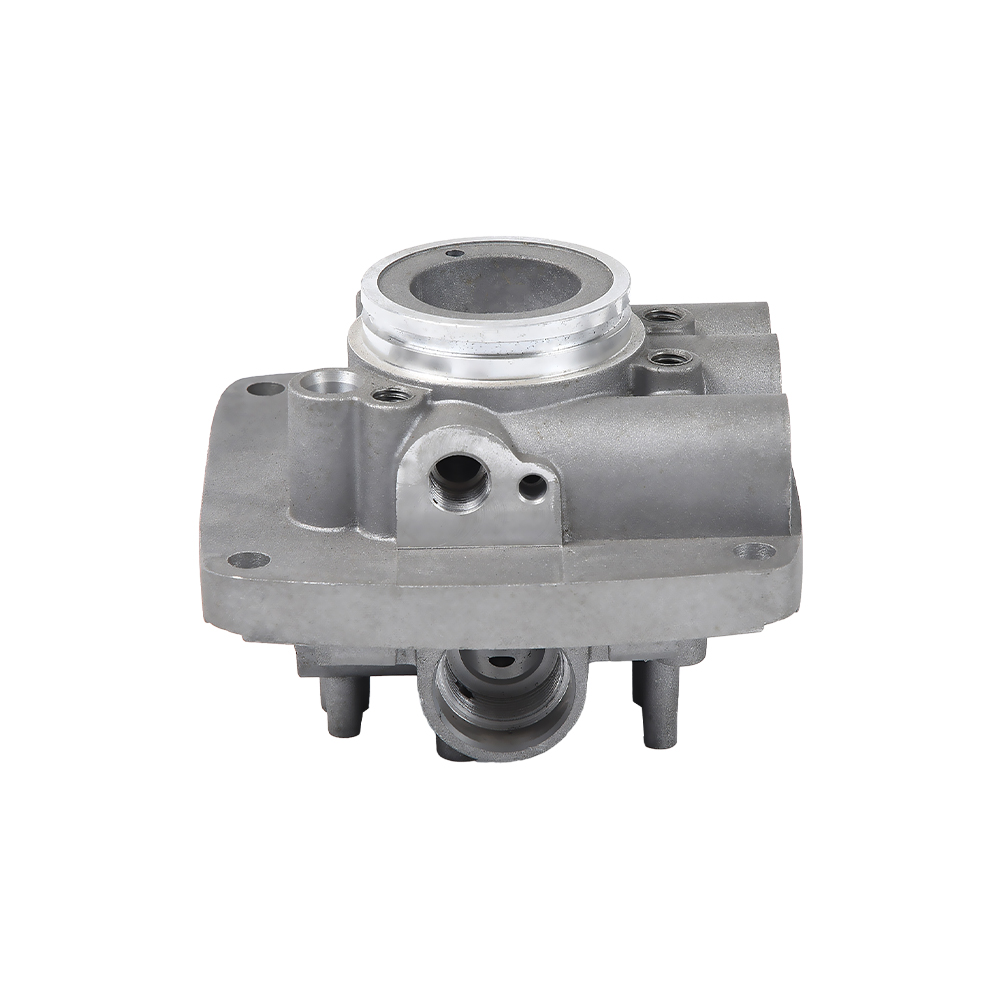
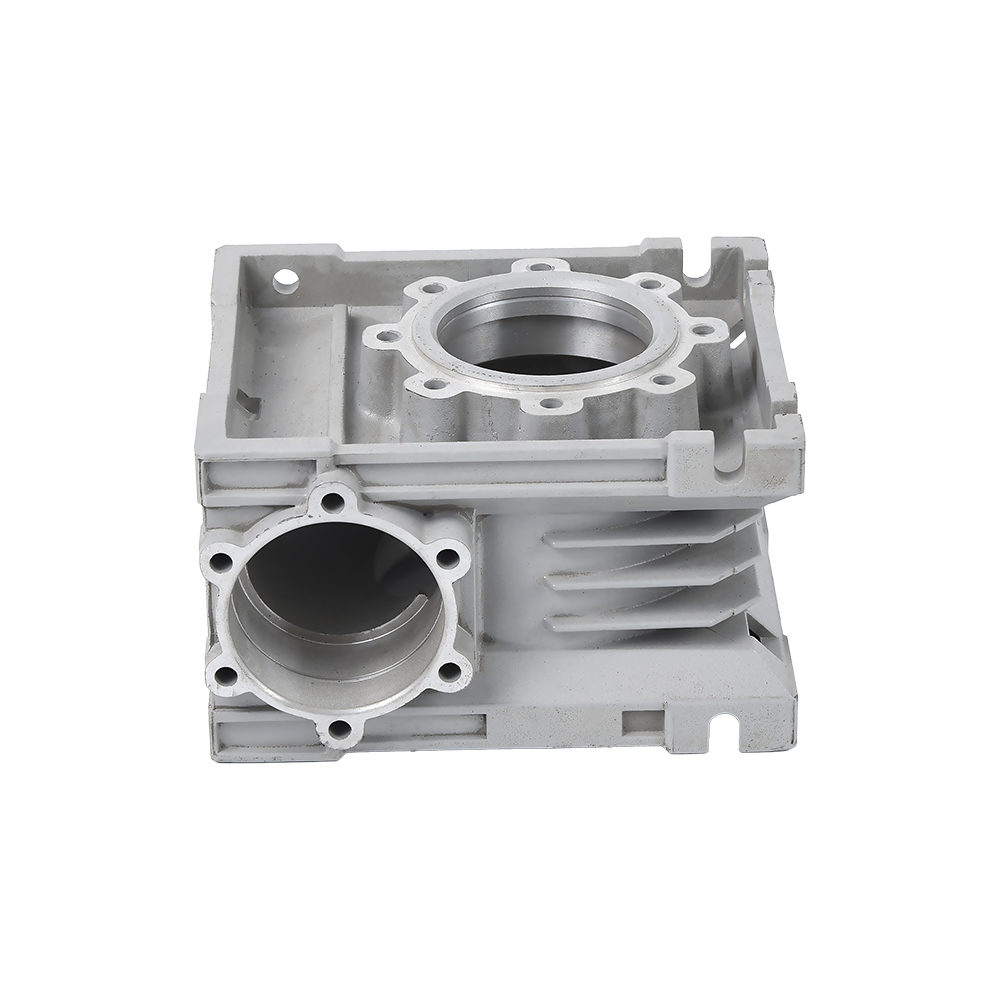
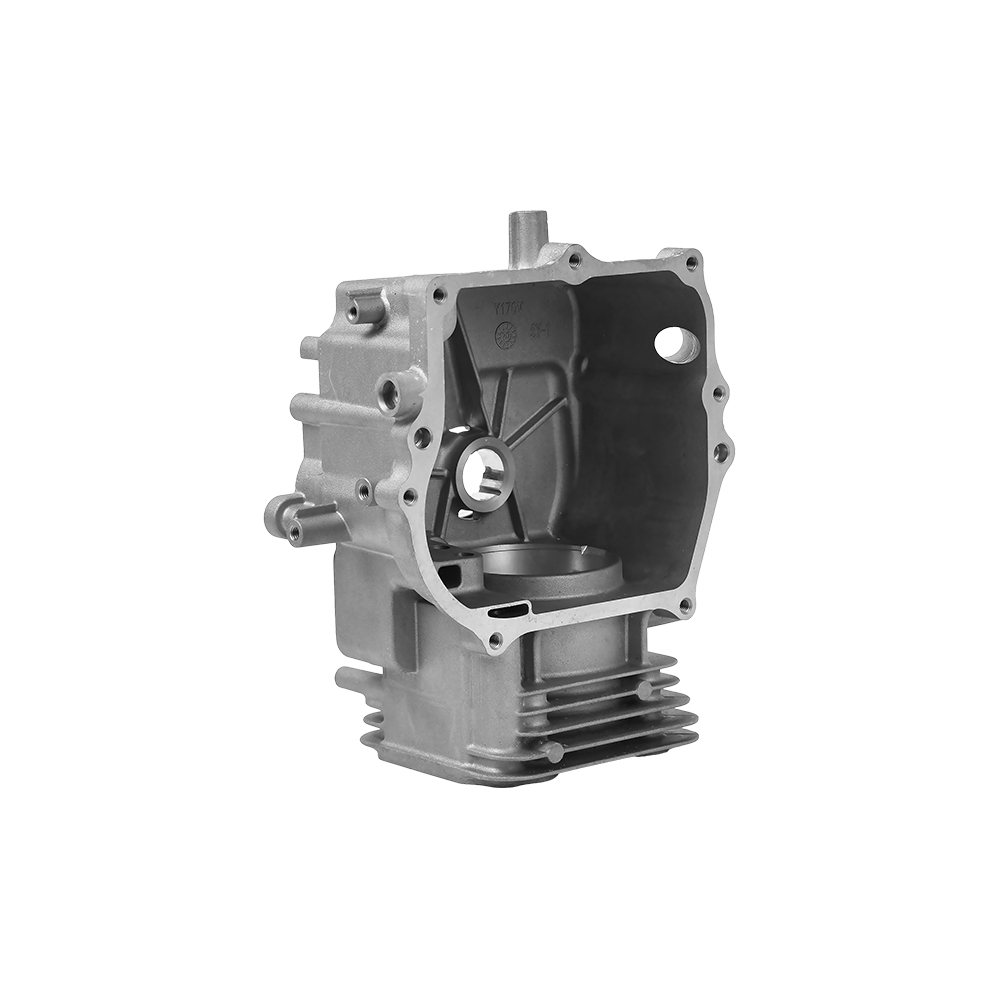
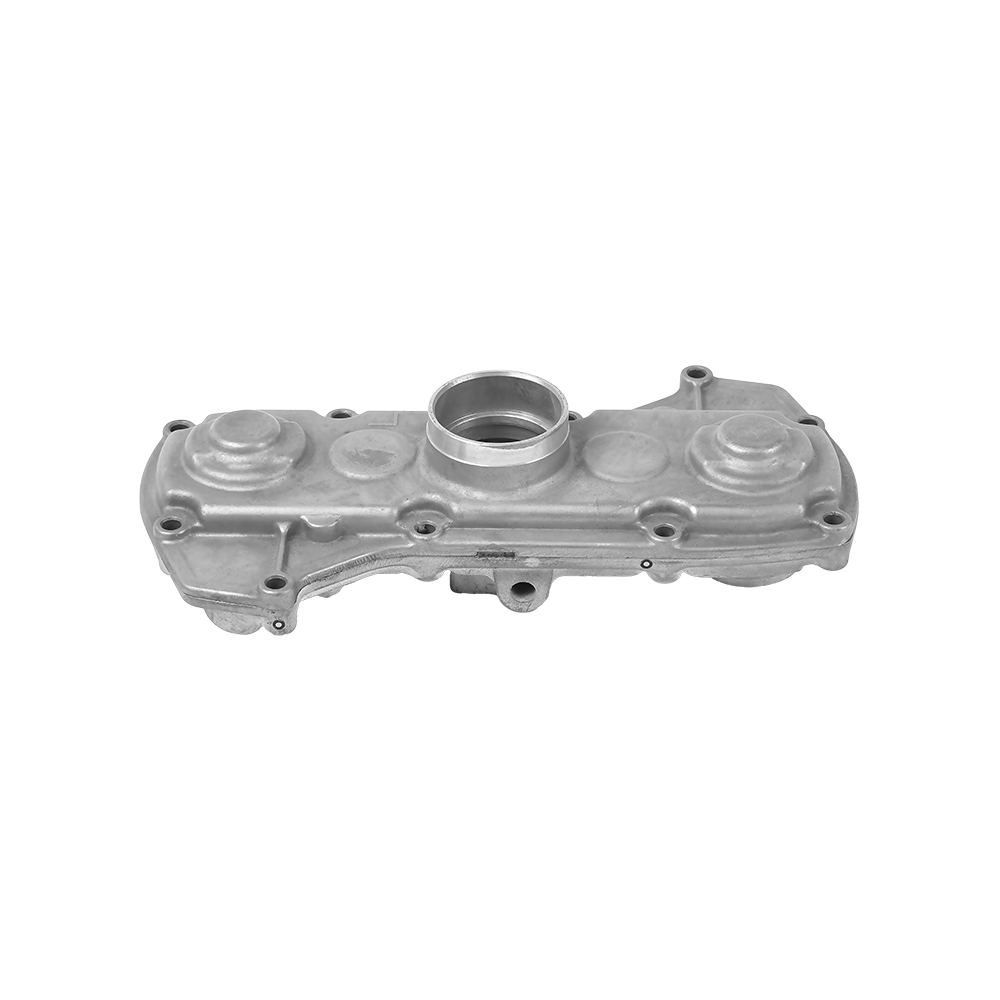
- Automotive engine components: cylinder head covers, oil pump bodies, water pump housings, bearing brackets. Most are made from ADC12 or A380 for cost, machinability, and pressure tightness.
 Aluminum Auto Engine Cylinder Parts for High PerformanceCrafted from aluminum die casting, these engine cylinder parts deliver strength and heat dissipation for automotive applications. Pair them with the material selection principle discussed above to evaluate your own use case.View Product →
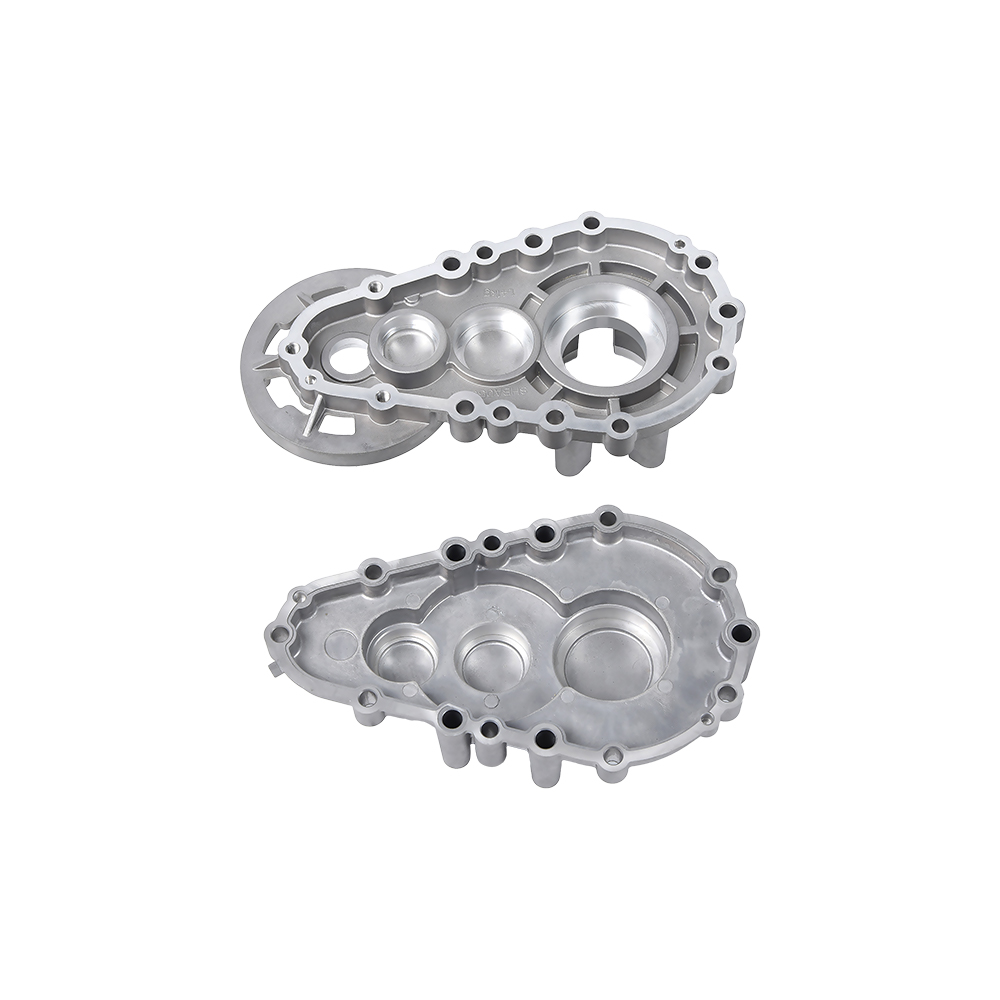
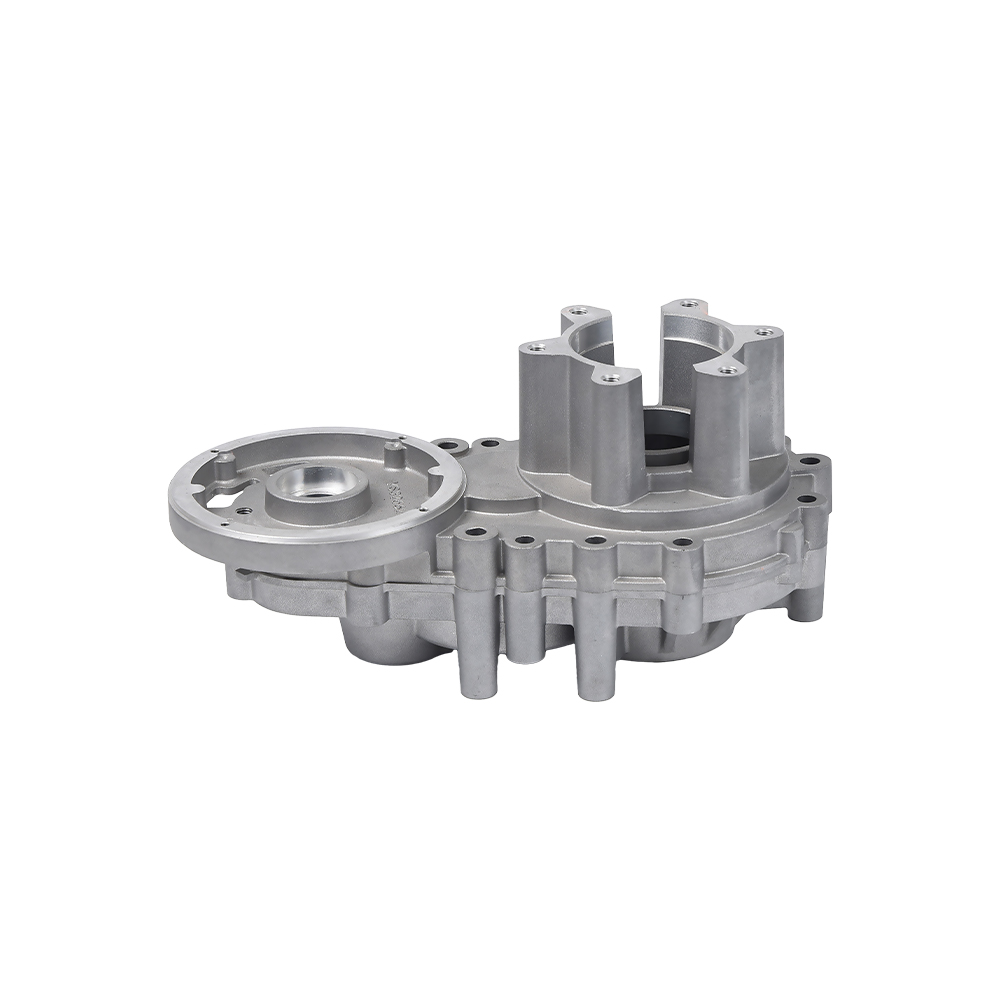
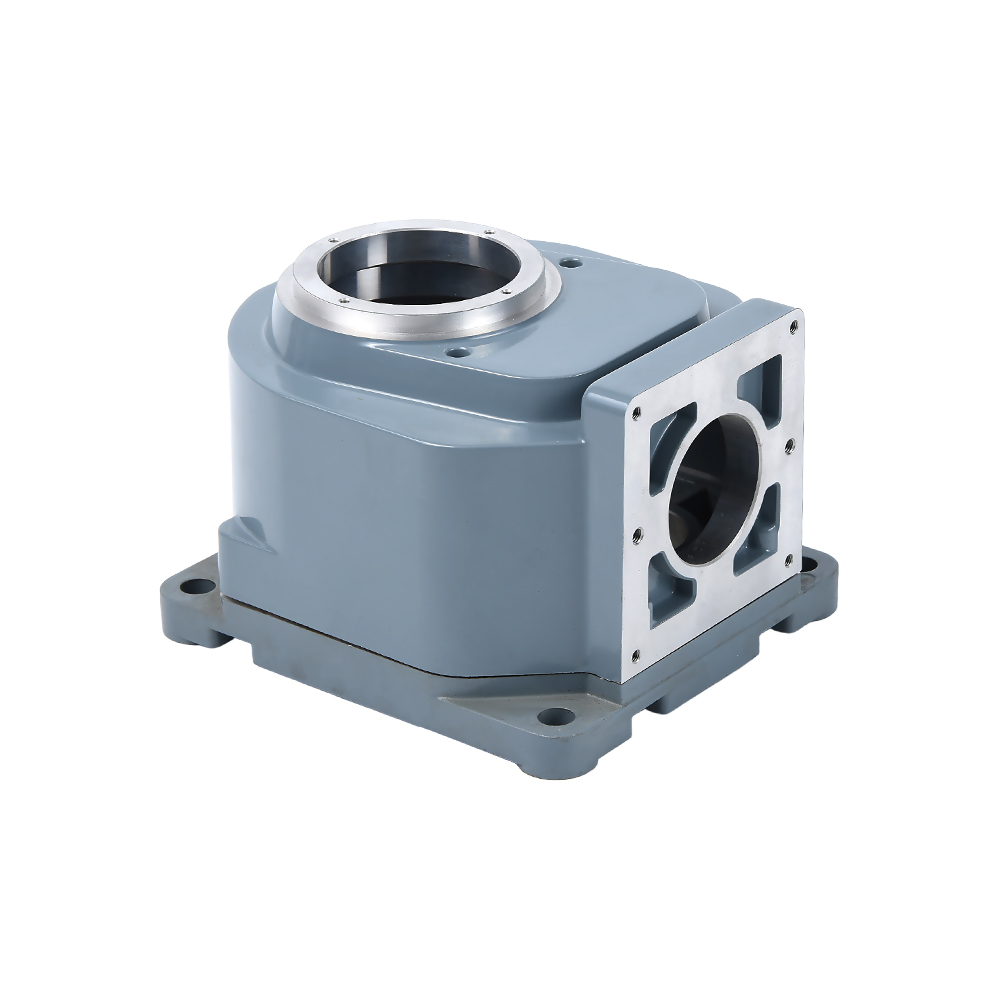
- Transmission and gearbox housings: these need stiffness, dimensional stability, and oil tightness. ADC12 with controlled porosity or A356 in low-pressure casting are both used, depending on the load case.
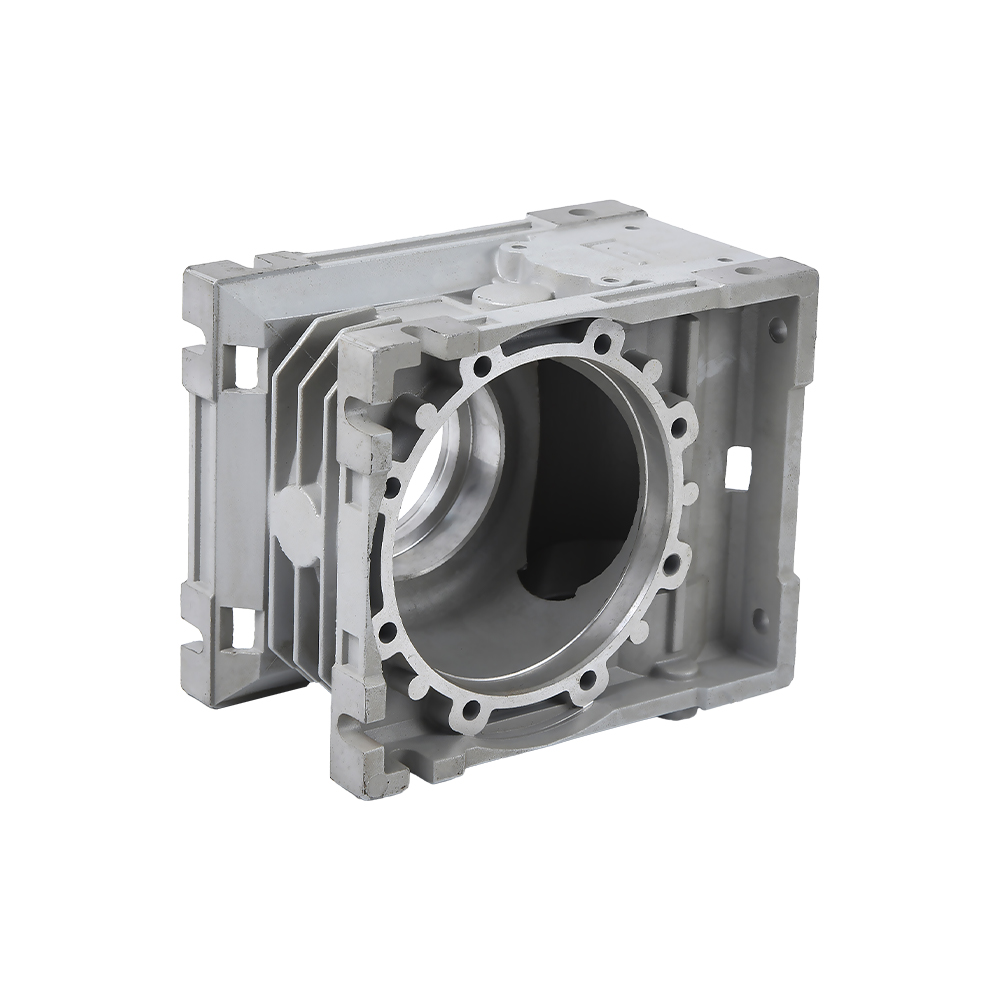 Aluminum Die Casting Gearbox Housing for DurabilityThis gearbox housing leverages aluminum die casting to reduce weight while maintaining structural integrity. Ideal for those comparing casting routes, as highlighted in the following technical note.View Product →
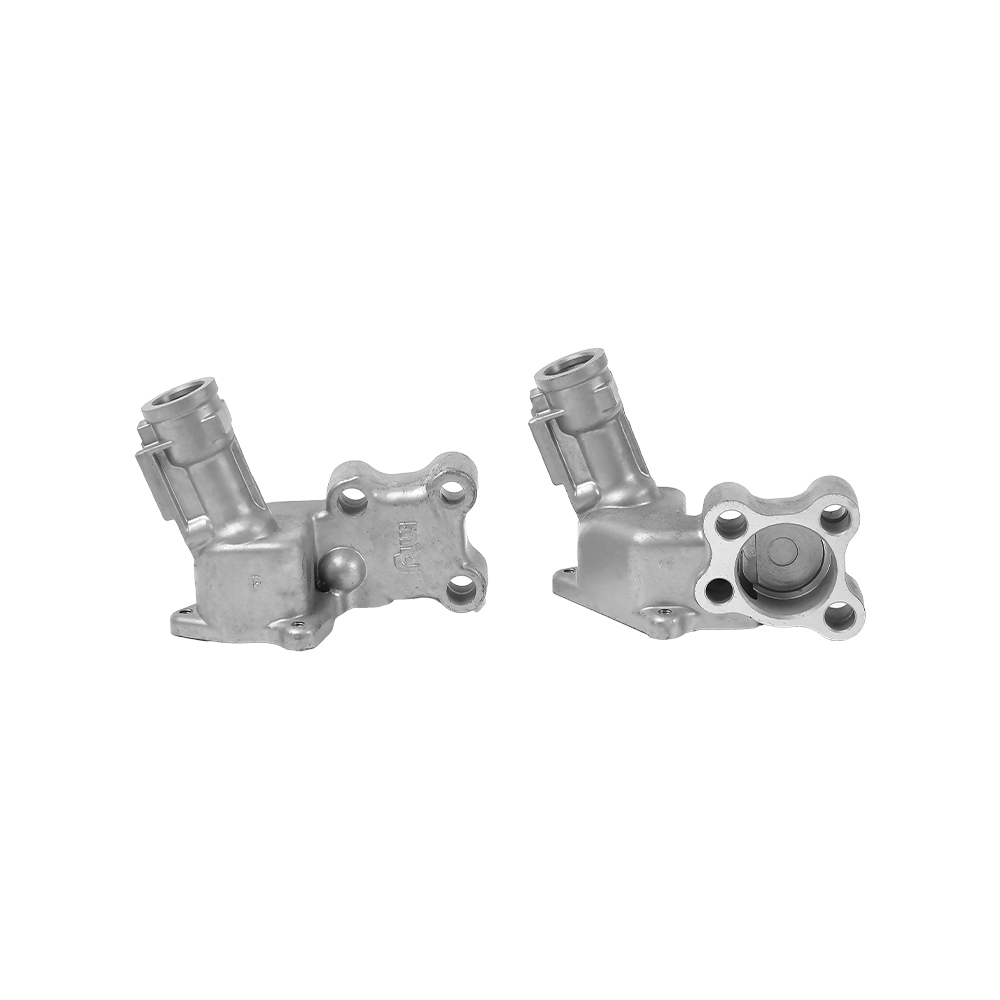
- Hydraulic valves and pneumatic components: pressure tightness and good machining are the priorities. High-silicon Al-Si-Cu alloys are common, while low-pressure A356 is used for denser valve bodies.
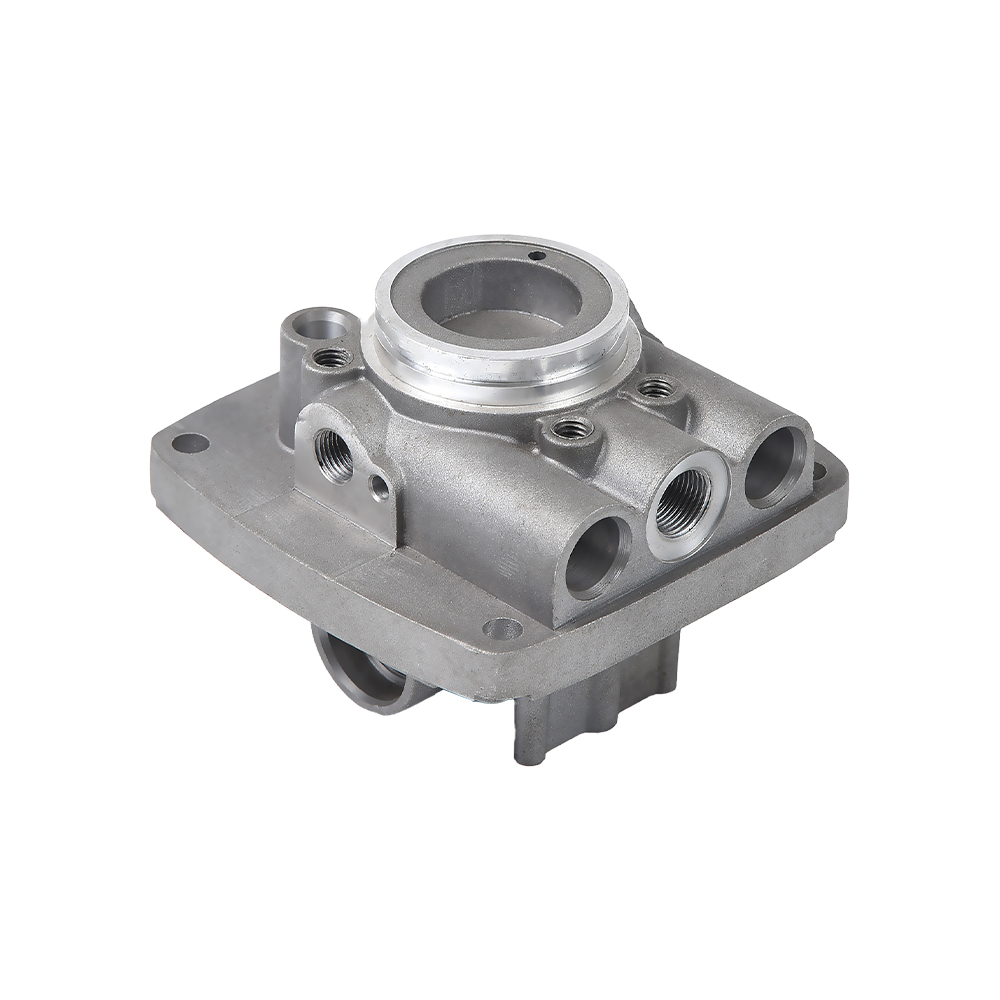 Aluminum Die Casting Hydraulic Valve for PrecisionA precision hydraulic valve produced via aluminum die casting, offering reliable fluid control. The surrounding paragraphs emphasize alloy-driven performance, making this a relevant example for your assessment.View Product →
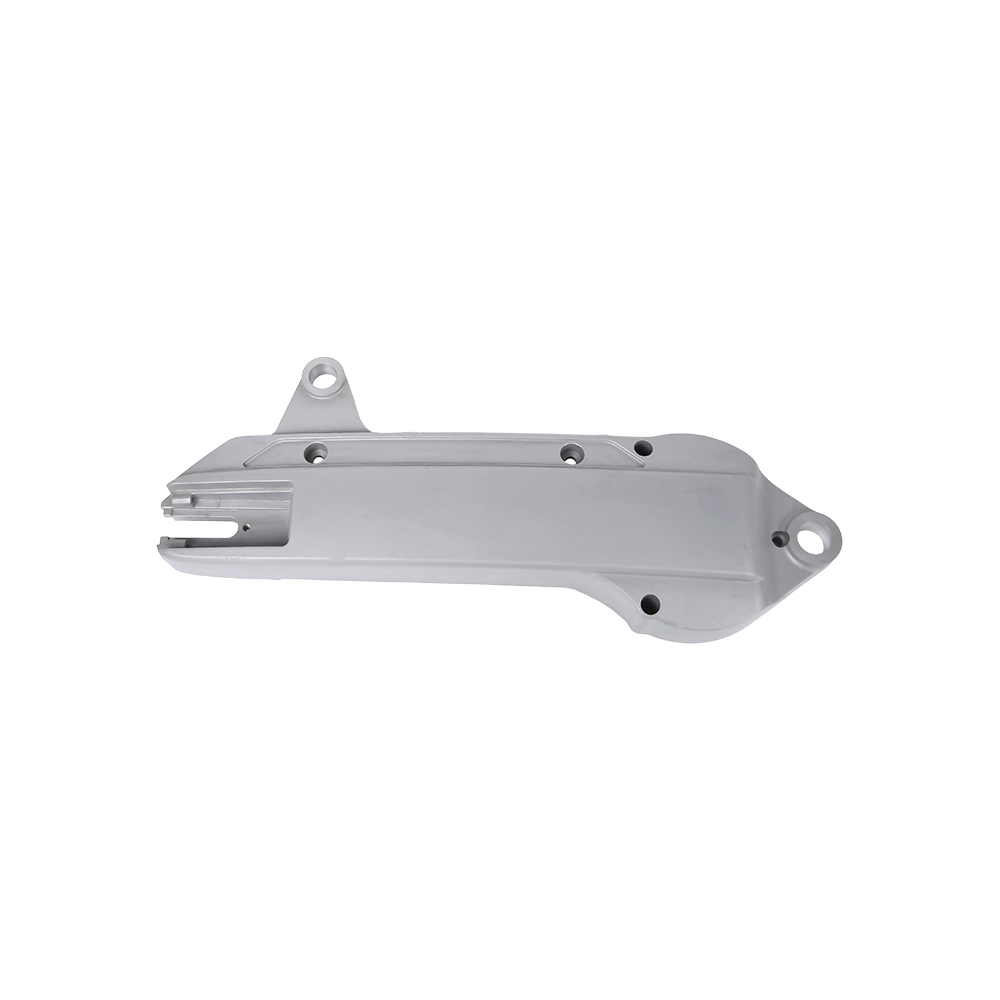
- Motorcycle crankcases and transmission cases: thin walls combined with vibration loads; ADC12 or A383 is typical.
- Agricultural gearboxes: micro tiller gearboxes and rice transplanter parts are exposed to impact and dirt; ductility and corrosion resistance matter.
- New energy vehicle heat dissipation substrates: controlled copper and iron levels help conductivity and flatness.
- Smart home and medical accessories: surface quality and dimensional repeatability drive the alloy choice.
For buyers weighing whether this route is suitable, the advantages of aluminum die casting are summarised in a separate technical note.
Standards and Specification Equivalents
A casting drawing often specifies one alloy by JIS number and another by ASTM or EN AC designation. Being able to cross-reference avoids expensive mistakes in procurement. The table below gives close functional equivalents for the common grades.
| Common Name | JIS | ASTM | EN AC | Typical Process |
|---|---|---|---|---|
| ADC12 | ADC12 (JIS H5302) | A383 similar | AC-44300 (AlSi9Cu3Fe) | HPDC |
| A380 | — | 380.0 (ASTM B85) | AC-46500 (AlSi9Cu3Fe) | HPDC |
| A356 | — | 356.0 (ASTM B26) | AC-42100 (AlSi7Mg0.3) | LPDC / Gravity |
| A357 | — | 357.0 (ASTM B26) | AC-42200 | LPDC / Gravity |
| A413 | ADC12 similar flow | 413.0 (ASTM B85) | AC-44200 (AlSi12) | HPDC |
Common Casting Defects Linked to Material Choice
Material choice determines how many of these defects will show up in a casting. This is why a material review should happen before the tool is cut, not after the first sample comes back.
- Gas porosity: caused by dissolved hydrogen and trapped air. Higher silicon alloys reduce shrinkage porosity, but gas porosity remains; vacuum assist or a slower fill speed is the process fix.
- Shrinkage porosity: appears in the last sections to solidify. Copper-bearing alloys have a longer freezing range, which makes shrinkage harder to feed. A356 with a proper feeding design is more forgiving.
- Die soldering: the casting sticks to the die surface. Iron above 0.8% is intentionally kept in die casting alloys to reduce this problem, although excess iron creates brittle phases.
- Cold shuts: poor material flow and oxide films. High-silicon alloys reduce the risk because they stay fluid longer; higher die temperature also helps.
- Oxide inclusions: more common in Al-Mg alloys where magnesium oxidizes easily at melting temperature. Careful melt handling and filtration are essential.
Cost and Procurement Considerations for Aluminium Casting Material
The alloy price is only part of the real cost. Machining, scrap, process yield, and rework usually matter more in a production programme.
- Alloy price: ADC12 is the cheapest common choice. A356 costs more, and A390 or special ductile HPDC grades cost significantly more.
- Secondary machining: copper-bearing alloys machine into short chips, reducing cycle time and tool wear. Hypereutectic alloys require premium tooling.
- Scrap control: in-house returns from die casting should be remelted in controlled ratios; too much recycled scrap raises iron content.
- Supplier integration: a manufacturer with in-house mould, die casting, and CNC machining can fix material-related problems faster. If the same plant runs both high-pressure and low-pressure casting, the material can be matched to the part rather than forcing the part into one process.
- Consistency: for large volume parts, confirm that the supplier maintains the composition range and monitors mechanical properties regularly.
Frequently Asked Questions About Aluminium Casting Material
What is the most common aluminium casting material?
ADC12 in the JIS system and A380 in the ASTM system are the most common high-pressure die casting materials. Both belong to the Al-Si-Cu family and cover a wide range of housings, brackets, and structural covers.
What is the difference between ADC12 and A356?
ADC12 is optimized for high-pressure die casting: it fills thin walls, resists die soldering, and machines well, but it has limited ductility. A356 is an Al-Si-Mg alloy that can be heat treated to T6, giving much higher elongation and better weldability.
Can aluminium die castings be heat treated?
Standard high-pressure die castings contain trapped gas, so a T6 heat treatment can cause blisters and distorted surfaces. If heat treatment is required, choose low-pressure casting with A356, or use vacuum-assisted HPDC with a dedicated ductile alloy.
Which aluminium casting material is best for thin walls?
Alloys with silicon near 12%, such as A413 or ADC12, have the best fluidity. Wall thickness below 1.5 mm still needs careful process control, including die temperature, injection speed, and venting.
Why is copper added to aluminium casting alloys?
Copper increases as-cast strength and improves machinability, but it reduces corrosion resistance. Copper-bearing alloys should not be chosen for marine or heavily chemical environments unless they are protected by a coating.
Which alloy gives the best anodized surface?
Al-Mg alloys such as A514 anodize with a bright, clear finish. ADC12 with high copper anodizes darker and with less consistency. If decorative anodizing is part of the specification, review the alloy before tooling starts.
The right aluminium casting material is not the one with the highest number in a datasheet. It is the one that matches the process and the service condition. Start with the wall thickness and the production volume, then set the mechanical requirements, and finally compare alloys against total cost. If you have a drawing and need a direct recommendation, the fastest route is to discuss it with a casting manufacturer that runs both high-pressure and low-pressure lines.