 LANGUAGE
  English
 русский
 Español

Home / News / Industry News / Custom Aluminum Castings: Process, Tolerances & Supplier Selection Guide
Content
- 1 Why Aluminum Alloys Are the Default Material for Custom Cast Parts
- 2 Four Casting Processes for Custom Aluminum Parts
- 3 Geometry Rules That Simplify Custom Aluminum Casting Production
- 4 Tolerances and Surface Finish: What Your Drawing Can Realistically Ask For
- 5 Where Custom Aluminum Castings Are Used, and What Each Industry Demands
- 6 Cost Drivers and Realistic Lead Times for Custom Aluminum Castings
- 7 How to Screen a Custom Aluminum Casting Supplier
- 8 Quality Control That Keeps Every Batch Consistent
- 9 Frequently Asked Questions About Custom Aluminum Castings
- 9.1 What is the difference between high-pressure die casting and low-pressure casting for custom parts?
- 9.2 How much does tooling cost for a custom aluminum casting?
- 9.3 What is the minimum wall thickness for aluminum die castings?
- 9.4 Are secondary machining operations always necessary?
- 9.5 How long does a new custom casting project take from drawing to mass production?
- 9.6 Can the same part be transferred from a prototype sand casting to die casting?
- 10 A Practical Word to End With
The direct answer first: a custom aluminum casting is a metal part produced by melting an aluminum alloy, forming it in a reusable mold, and then matching your drawing for geometry, dimensional tolerance, and surface finish. For production runs from a few hundred to several million pieces per year, casting is usually the most economical route to a light, strong, and thermally conductive part when compared to machining from solid billet or fabricating from sheet metal.
Your success depends on four decisions: which alloy, which casting process, which tolerances you actually need, and which supplier you select. These choices are interconnected, and changing one will affect the others. The information below gives you the practical basis for making all four choices without leaving money on the table.
It also pays to work with a partner that controls the whole chain, tooling, casting, and CNC machining, under one roof. When a single team is responsible for all steps, engineering changes are handled faster, tolerances are achieved with less back-and-forth, and the part arrives with a consistent story from start to finish.
Why Aluminum Alloys Are the Default Material for Custom Cast Parts
Aluminum is selected more often than any other non-ferrous metal for custom cast parts, and the numbers explain why. Its density is 2.7 g/cm³, about one third of steel at 7.85 g/cm³. Depending on the alloy, thermal conductivity falls roughly between 90 and 160 W/m·K, and high-pressure die casting produces sound walls as thin as 2 mm. These three properties enable the lightweight, heat-dissipating designs that automotive, electronics, and machinery manufacturers rely on.
Selecting the Right Casting Alloy
Alloy choice has to be matched to the casting process. A380 and ADC12 dominate high-pressure die casting. A356 is the standard for low-pressure, permanent mold, and sand casting. The differences show up in tensile strength, elongation, and thermal conductivity.
| Alloy | Casting Process | Tensile Strength (MPa) | Yield Strength (MPa) | Elongation (%) | Thermal Conductivity (W/m·K) |
|---|---|---|---|---|---|
| A380 | High-pressure die casting | 320 | 160 | 3.5 | 96 |
| ADC12 | High-pressure die casting | 310 | 150 | 2.5 | 92 |
| A356 (T6) | Low-pressure / permanent mold / sand | 262 | 186 | 6 to 12 | 150 |
| A413 | High-pressure die casting | 295 | 130 | 3.5 | 121 |
If your part must be pressure-tight in thin sections, A413 is a common choice because it produces fewer micro-pores in a fast-filling die. If you need ductility, A356 in the T6 temper is the better selection. Confirm your target values against your own structural simulation; the weak point is almost never the published material data but the internal porosity of thick sections.
Four Casting Processes for Custom Aluminum Parts
Nearly every custom aluminum casting project uses one of these processes: high-pressure die casting, low-pressure die casting, permanent mold casting, or sand casting. Each has a different trade-off among cycle time, tooling cost, porosity, and achievable wall thickness. Understanding the basics of each process helps you avoid specifying a process that is either too expensive or unable to reach the required quality. For a deeper explanation of the method, read the fundamental principles of aluminum die casting in our technical guide.
| Process | Wall Thickness | Typical Cycle Time | Tooling Cost | Porosity Risk | Typical Annual Volume |
|---|---|---|---|---|---|
| High-pressure die casting | 2 to 4 mm | 30 to 90 seconds | High | Medium (gas porosity) | More than 10,000 |
| Low-pressure die casting | 3 to 8 mm | 3 to 10 minutes | Medium | Low | 1,000 to 50,000 |
| Permanent mold / gravity | 3 to 8 mm | 5 to 20 minutes | Medium | Low to medium | 500 to 10,000 |
| Sand casting | 4 to 10 mm | 30 minutes to several hours | Low | Low | 1 to 1,000 |
High-pressure die casting offers the fastest cycle and the sharpest surface, but the fast metal fill introduces a higher risk of gas porosity. Low-pressure die casting fills the mold from below with controlled pressure, so the part is denser and easier to make pressure-tight; this is why low-pressure is favored for hydraulic and structural parts. Permanent mold casting is a middle ground for medium volumes and parts that need heat treatment. Sand casting is still the right answer for prototypes, very large parts, and small series.
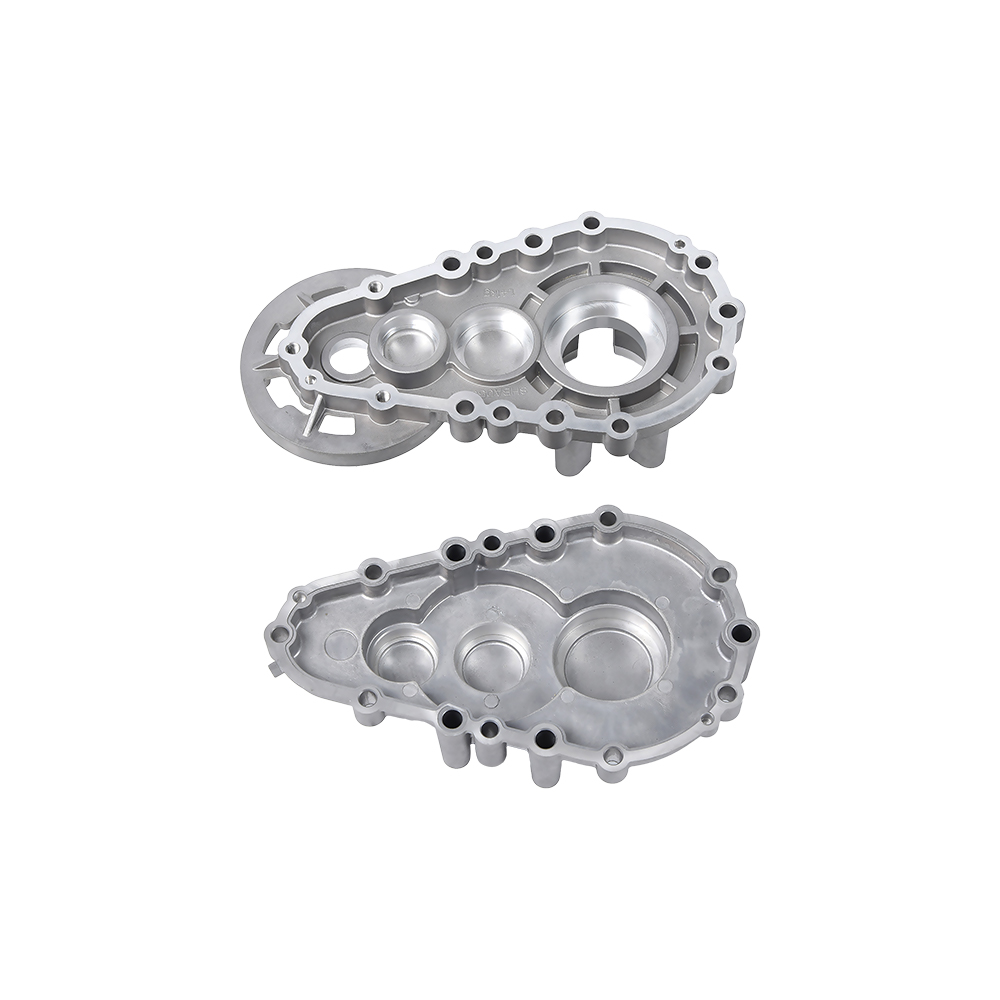
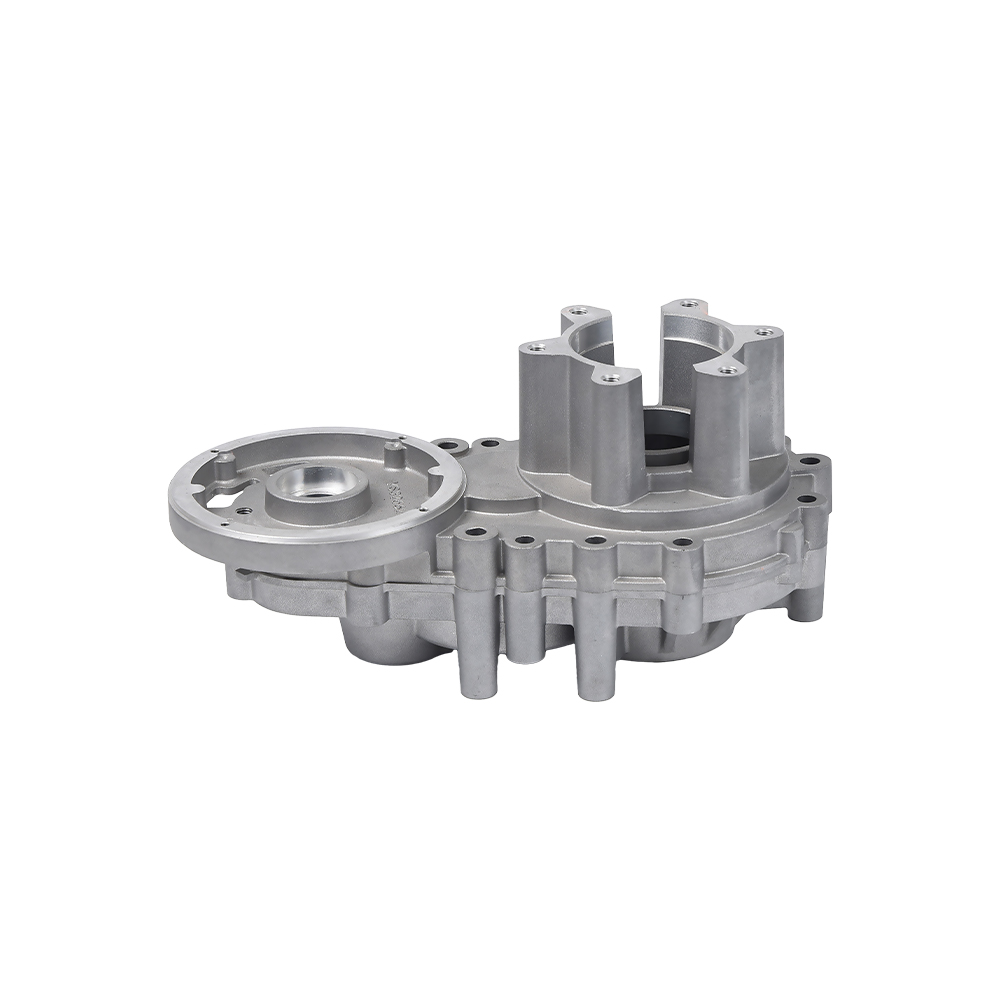
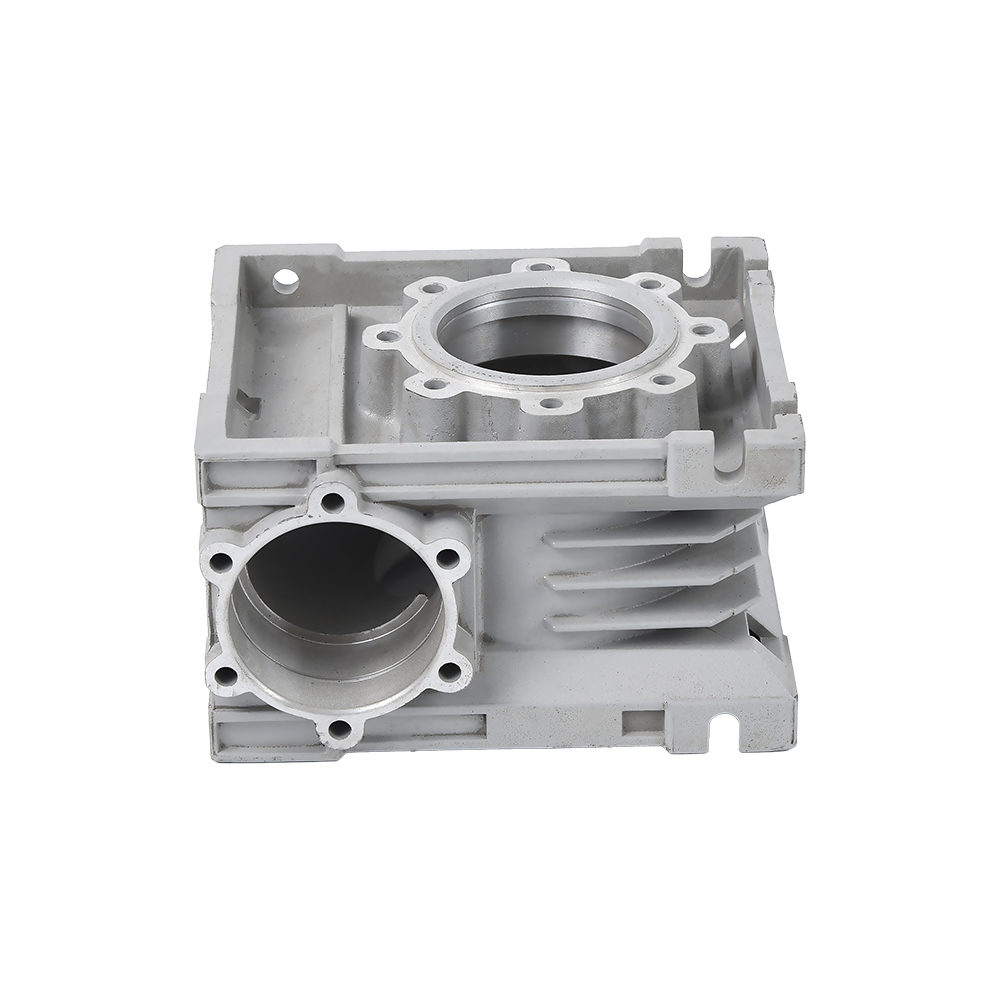
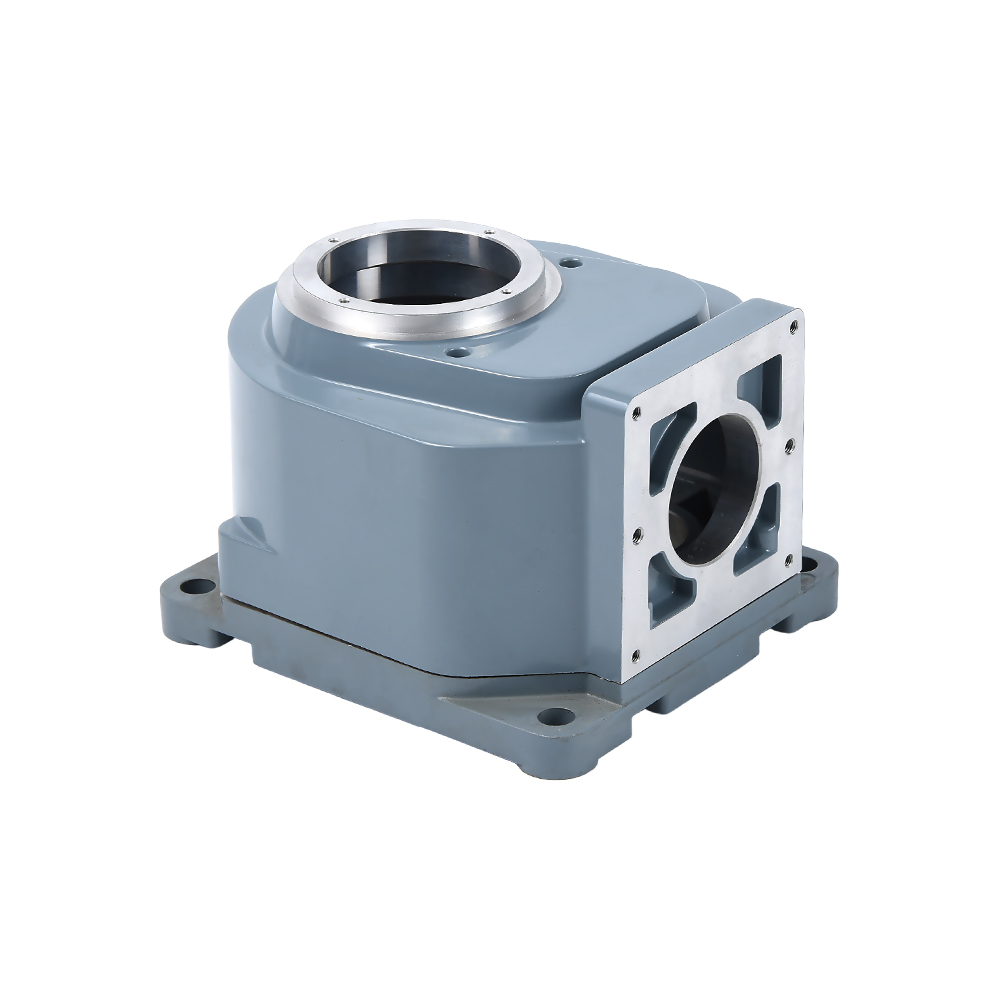
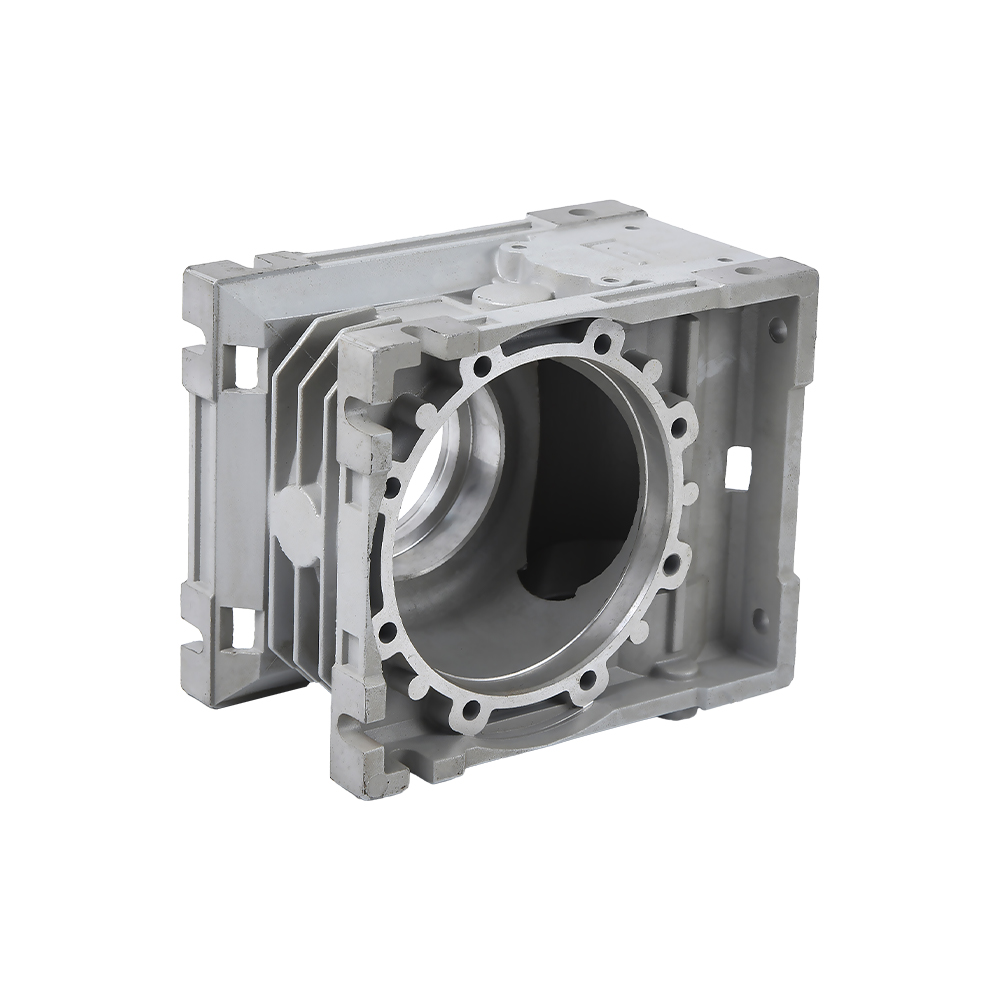 Aluminum Die Casting Gearbox Housing for Pressure-Tight ApplicationsThis gearbox housing is ideal for parts requiring machining on bearing and sealing surfaces. Low-pressure casting produces denser metal with fewer internal pores, reducing defects after machining.View Product →
Many supplier evaluations fail because they compare only the die casting price. In reality the process decides the mechanical result. A gearbox housing that will be machined for bearings and sealed faces, for example, benefits from low-pressure or carefully controlled high-pressure casting, because the machining will open up internal pores and turn hidden gas holes into surface defects.
Geometry Rules That Simplify Custom Aluminum Casting Production
The fastest route to a lower quote and fewer production rejects is to follow basic design for casting. The single most important rule is to maintain uniform wall thickness. A die casting should normally use walls between 2 mm and 4 mm. When you need stiffness, add ribs instead of increasing the whole wall.
The Five Design Parameters That Have the Biggest Effect
- Draft angle of 1 to 3 degrees on both inner and outer walls. Without enough draft, the part sticks in the mold, and forced ejection can distort the geometry.
- Internal corner radius of at least 0.5 mm, ideally 1.0 mm. Sharp corners concentrate stress and increase the risk of hot tearing in the aluminum.
- Rib thickness at 70% to 80% of the adjacent wall. Ribs that are as thick as the wall create sink marks on the opposite surface.
- Boss height to diameter ratio below 2:1. Tall bosses shrink unevenly and cause dimensional drift at the top.
- Avoid blind holes deeper than three times their diameter, otherwise you will need expensive core pulls and risk the part tearing during ejection.
Where to Be Strict and Where to Be Loose
Over-specifying tolerances is the most common budget killer in custom aluminum castings. Only the sealing faces, bearing bores, and mounting surfaces need tight classes. All other surfaces should be left at the natural capability of the process. The more dimensions you tighten, the more machining steps and inspection time you add, and the price climbs quickly.
Tolerances and Surface Finish: What Your Drawing Can Realistically Ask For
A casting dimension and a machined dimension are not the same thing. An as-cast linear dimension on a high-pressure die casting typically holds +/- 0.10 mm in the first 25 mm, while a machined bore is routinely held to +/- 0.02 mm. The first step is to separate these two groups on your drawing.
| Process | Linear Tolerance (First 25 mm) | Additional per 25 mm | Surface Finish Ra (microns) |
|---|---|---|---|
| High-pressure die casting | +/- 0.10 mm | +/- 0.02 mm | 1.6 to 3.2 |
| Low-pressure die casting | +/- 0.20 mm | +/- 0.05 mm | 3.2 to 6.3 |
| Permanent mold | +/- 0.25 mm | +/- 0.05 mm | 3.2 to 6.3 |
| Sand casting | +/- 0.8 mm | +/- 0.1 mm | 6.3 to 12.5 |
A machined flat face easily reaches Ra 0.8 microns, while a good as-cast face sits in the range of Ra 3.2 microns. For parts like valve bodies where sealing is critical, the specification should always require machining of the seal face. For non-functional areas, leave the as-cast surface and save the cost of extra steps.
Where Custom Aluminum Castings Are Used, and What Each Industry Demands
Each industry that consumes custom aluminum castings drives different requirements. Understanding that demand profile helps you define your own purchasing specification.
- Automotive and new energy vehicles: engine blocks, gearbox housings, water pumps, and electric motor housings. Light weight and thermal conductivity are decisive. Part volumes are normally high, so die casting dominates.
- Motorcycles and small power equipment: crankcases and transmission cases. Vibration fatigue resistance is critical.
- Agricultural machinery: rice transplanter gearboxes and micro-tiller gearboxes. Dust, humidity, and shock loading demand robust wall sections and tight sealing.
- Hydraulics and pneumatics: valve bodies, brake pumps, and pressure regulating bodies. Low porosity and pressure tightness are the key criteria.
- Electronics and electrical machines: motor housings, heat dissipation substrates for new energy vehicles, and sensor casings. Dimensional stability and thermal performance matter the most.
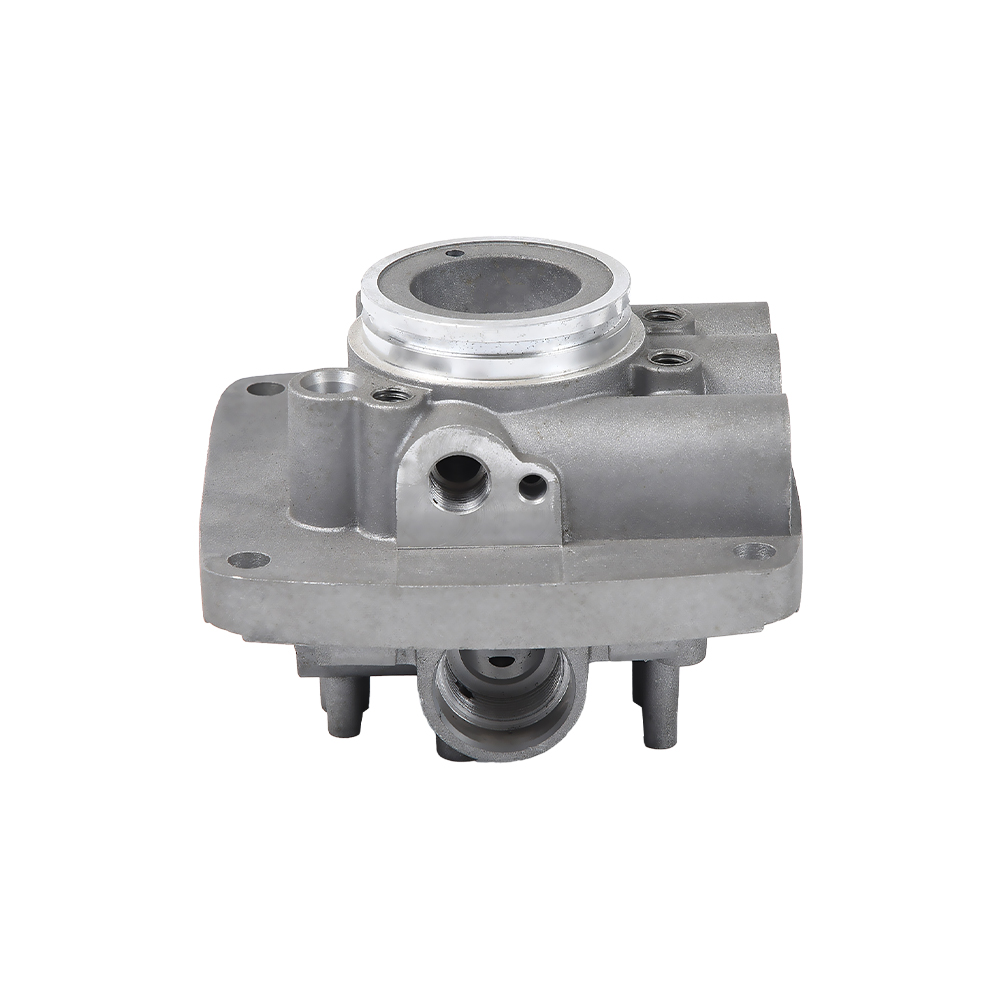
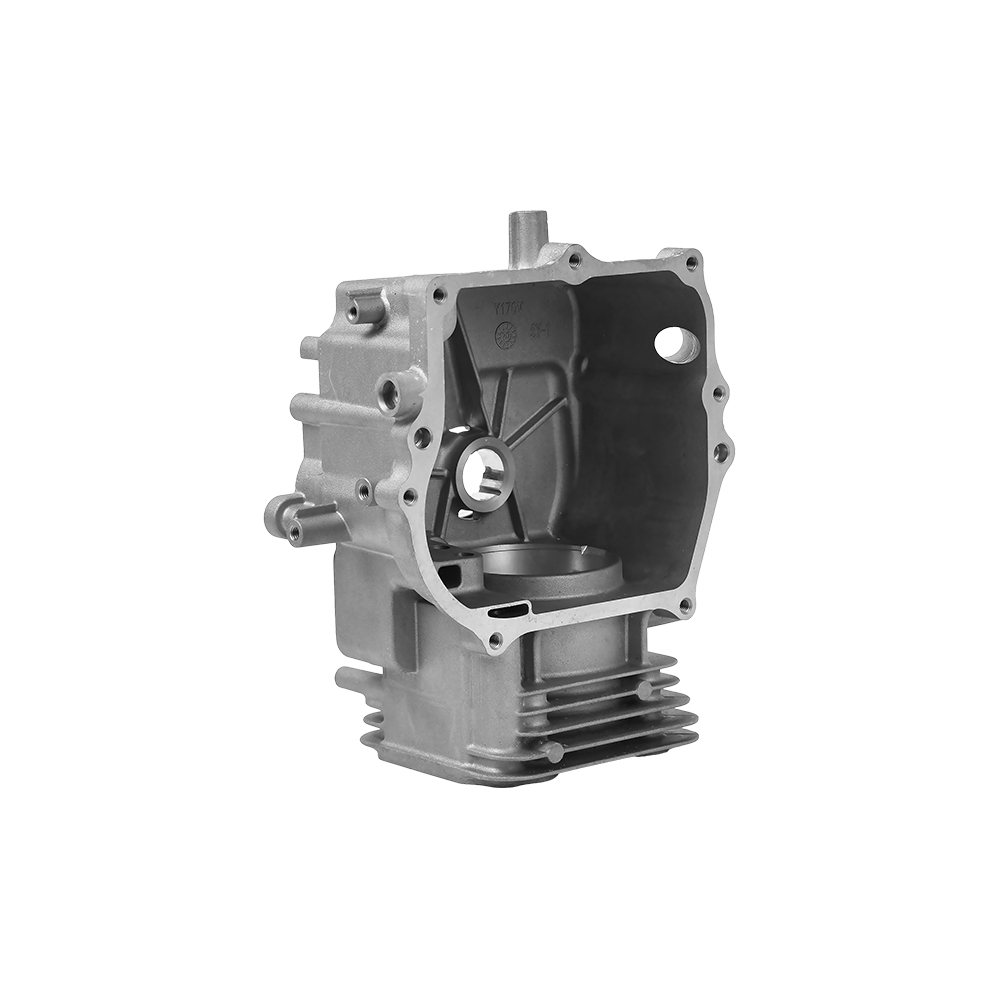
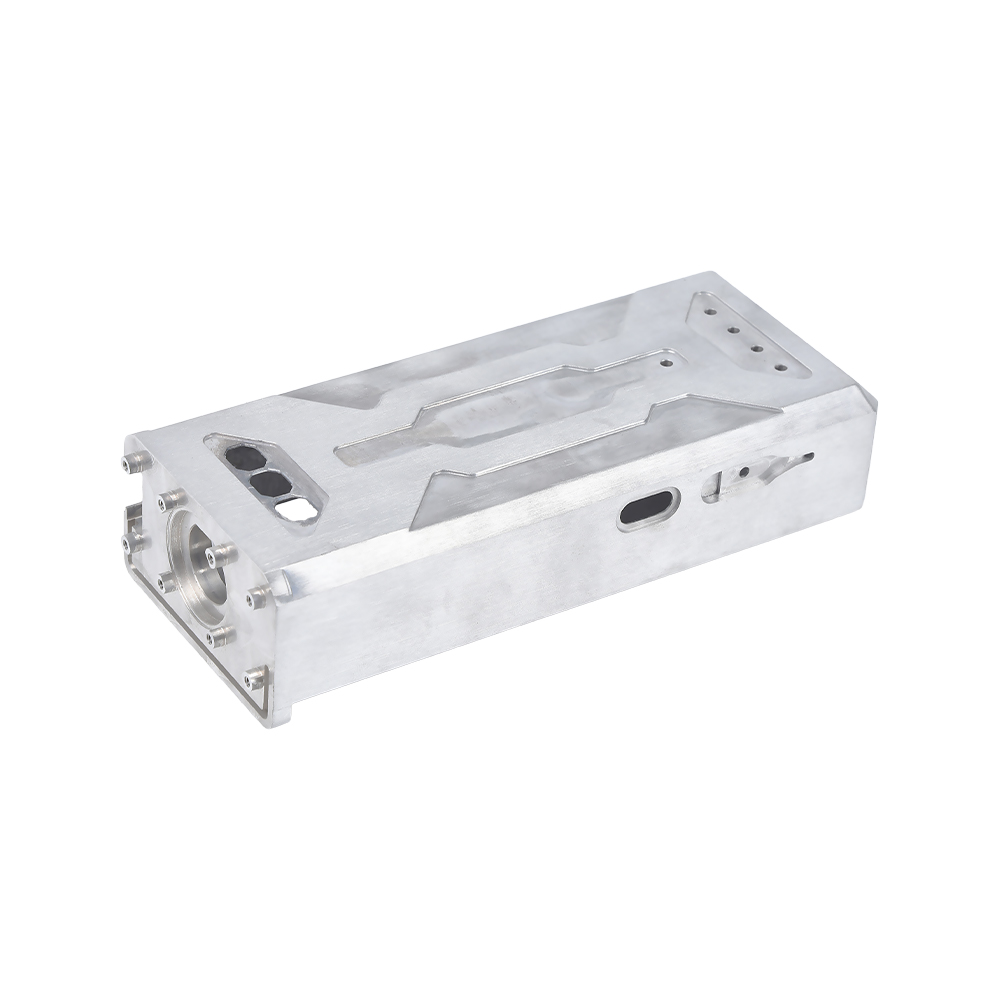 Aluminum Auto Engine Cylinder Parts for Supplier QualificationAssess a supplier's capability by checking if they have produced similar engine cylinder parts. Their prior experience helps anticipate porosity and deformation issues not shown in drawings.View Product →
It is unusual for one foundry to be equally strong in all these sectors. The right question to ask a supplier is not "can you cast aluminum" but "have you already produced parts similar to mine". A supplier that has made vehicle water pumps and gearbox housings, for example, will anticipate porosity and deformation problems that do not appear on the drawing.
Cost Drivers and Realistic Lead Times for Custom Aluminum Castings
The total cost of a custom aluminum casting is made up of tooling, piece price, and finishing operations. Tooling is a one-time investment and depends on part size, cavity count, and mold complexity. The piece price depends on cycle time and material consumption. Finishing depends on how many operations your drawing needs.
- Tooling: a single-cavity high-pressure die casting mold for a mid-size housing typically ranges from $10,000 to $50,000, depending on geometry and steel grade. A sand casting pattern can cost well under $3,000, so for low volumes it is more economical despite the higher piece cost.
- Alloy price: aluminum price follows the London Metal Exchange (LME) rate. Responsible suppliers include a metal adjustment clause so that long production programs do not become unprofitable.
- Cycle time: die casting cycles are measured in seconds, while low-pressure and permanent mold cycles run in minutes. This difference dominates the piece price.
- Secondary operations: machining, tapping, anodizing, and leak testing each add cost. Combining them with a single supplier reduces logistics and administration expense.
A typical project timeline looks like this: tooling takes 4 to 8 weeks from drawing approval, samples and dimensional report follow within 2 to 3 weeks after tooling is complete, and series production starts once samples are approved. That gives a realistic total of 7 to 12 weeks from kickoff to mass production for a straightforward part.
How to Screen a Custom Aluminum Casting Supplier
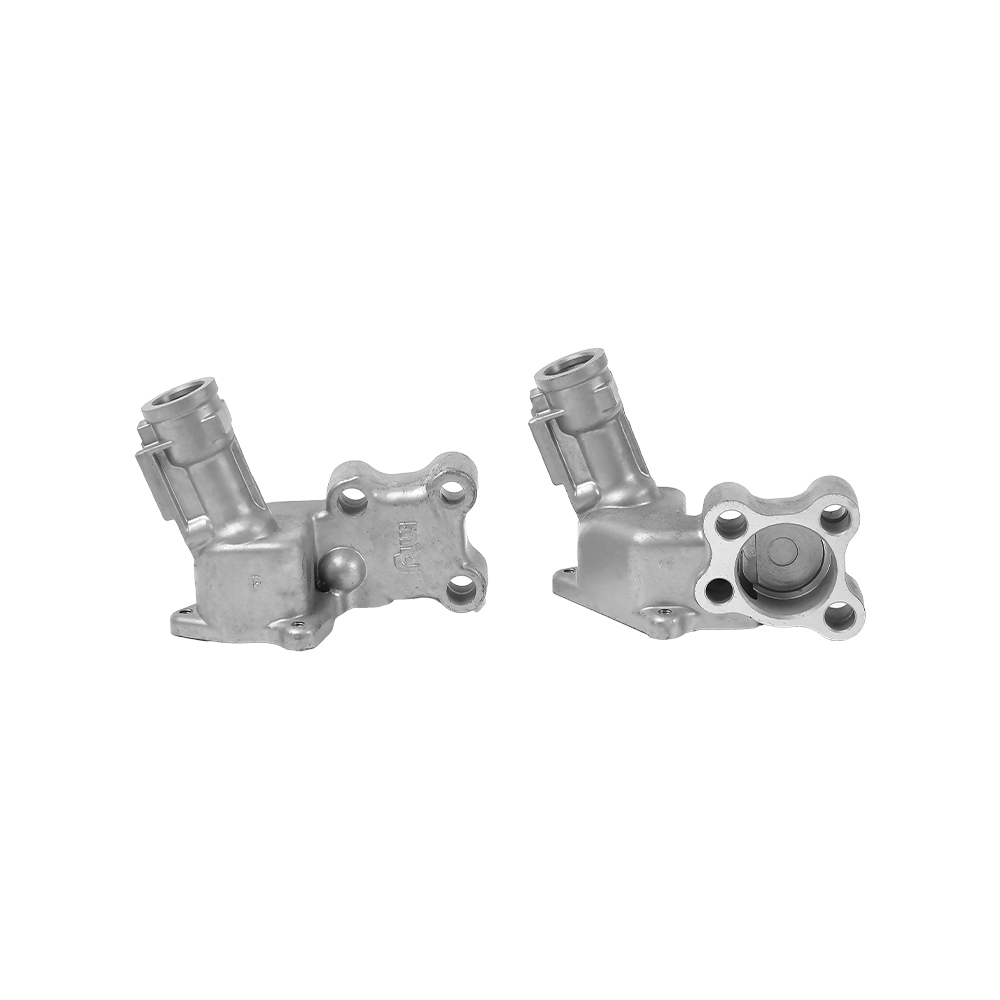
Pricing is necessary but not sufficient. What matters more is how much of the process the supplier controls in-house. Casting and machining are different disciplines, and when they are separate, tolerance problems become a finger-pointing exercise.
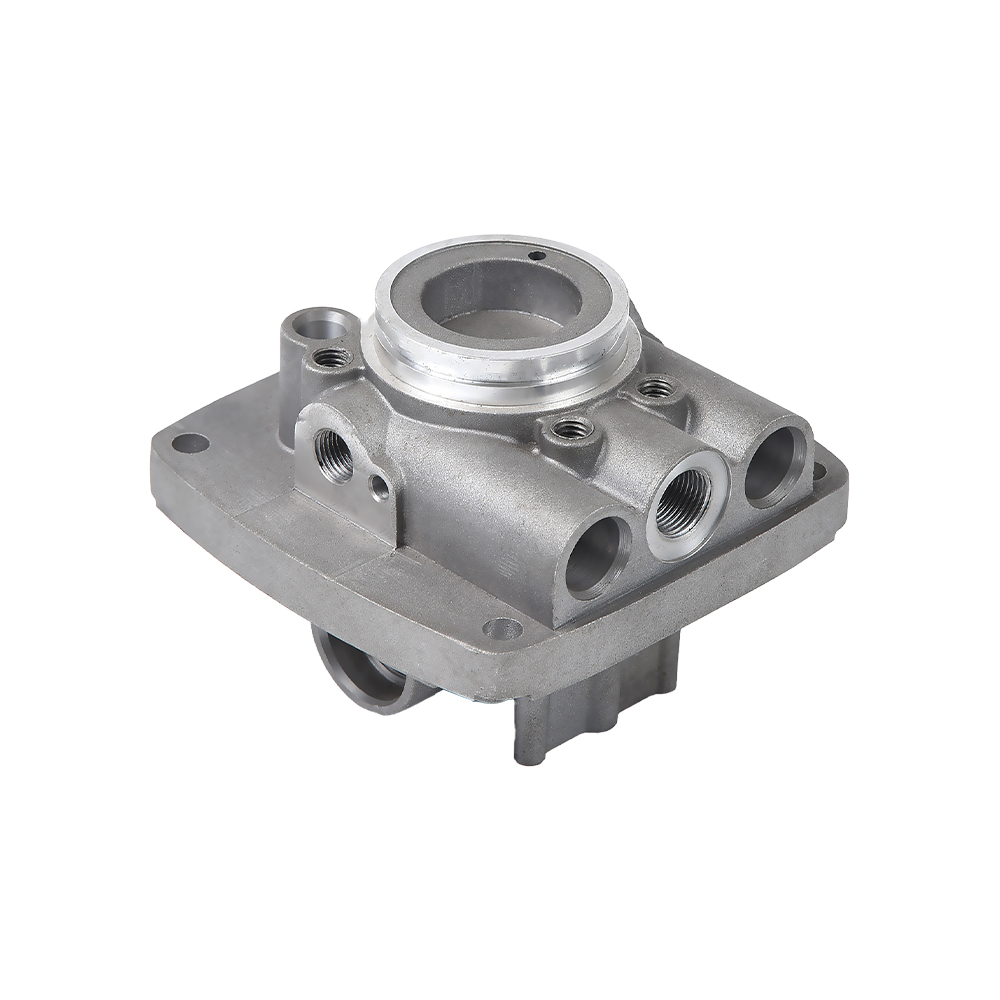 Aluminum Die Casting Hydraulic Valve with In-House ControlChoose a supplier that controls both casting and machining to avoid tolerance disputes. A simple test part reveals the actual dimensional capability of the entire process.View Product →
Six Questions to Ask Before You Send a Drawing
- Does the supplier offer both high-pressure and low-pressure casting? The range matters when the project evolves.
- Is CNC machining performed in-house? This is the fastest way to fix tolerance problems discovered during sample approval.
- Do they have a documented non-conformance process? You want to know how rework and re-inspection will be handled.
- Can they evidence similar parts? Ask for delivery records or case stories, not only stock photos of the equipment.
- What is the standard sample approval procedure? The supplier should define a first article report with measured values per your drawing.
- How quickly do they answer technical questions? A supplier that responds to drawing questions within 24 hours is also likely to respond quickly during production.
One practical test is to send a single simple part with a wider than necessary tolerance on one dimension, then watch what the supplier comes back with. A mature supplier will tell you the tolerance class they can actually hold.
Quality Control That Keeps Every Batch Consistent
A casting project is not finished when the first sample is approved. The real challenge is to keep the next ten thousand parts identical to the sample. Hot processes drift: melt temperature, injection speed, die temperature, and cooling time all change the pore structure and final dimensions.
Checkpoints That Matter on Every Order
- First article inspection, where all dimensions are measured against the drawing and a report is issued with the sample.
- In-process inspection at a fixed interval, so that die wear or process drift is caught early.
- Leak testing on dedicated equipment for valve bodies, pump housings, and any pressure-bearing part.
- Porosity monitoring through destructive sampling or X-ray inspection of critical sections.
- Final dimensional inspection after machining for the tolerances that were specified as machined.
The attribute that separates good suppliers is traceability of the process parameters per batch. Ask whether the supplier records the casting curve, die temperature, and cushion length for each batch. When a problem appears, those records let the team diagnose the cause in days instead of weeks.
Frequently Asked Questions About Custom Aluminum Castings
What is the difference between high-pressure die casting and low-pressure casting for custom parts?
High-pressure die casting injects the melt into the mold at high speed, giving fast cycles and thin walls but a higher chance of gas porosity. Low-pressure casting fills the mold from below under controlled pressure, producing a denser, more pressure-tight structure, but with a slower cycle. Select high-pressure die casting for volume and low-pressure for leak-tight or structural requirements.
How much does tooling cost for a custom aluminum casting?
For a mid-size housing, a high-pressure die casting mold is often in the range of $10,000 to $50,000, while a sand casting pattern can be under $3,000. The choice is economic: spread the tooling cost over your annual quantity. In low volume, the lower tooling cost of sand casting wins; at high volume, the lower piece price of die casting wins.
What is the minimum wall thickness for aluminum die castings?
In high-pressure die casting, 2 mm is typical and 1.5 mm can be achieved on small surfaces. Low-pressure and permanent mold casting normally require 3 mm and above. Thinner walls demand a more fluid alloy, which can slightly reduce the mechanical strength.
Are secondary machining operations always necessary?
No. If your drawing tolerances are within the as-cast capability and no sealing faces or threaded holes are needed, you can use the part directly. But most critical automotive and hydraulic parts are machined because the precision bores, seals, and threads must be much tighter than what any casting process can deliver.
How long does a new custom casting project take from drawing to mass production?
Typically 7 to 12 weeks. Tooling takes 4 to 8 weeks, sample preparation and first article inspection take 2 to 3 weeks, and series production follows sample approval. A mature drawing and a foundry with in-house tooling shorten that timeline.
Can the same part be transferred from a prototype sand casting to die casting?
Yes, but the geometry must be designed for die casting from the start. Sand casting allows thicker walls and no draft; die casting needs draft, uniform wall thickness, and good ejection. If you plan the transfer early with a foundry that offers both processes, the transition becomes a simple tooling change.
A Practical Word to End With
Custom aluminum castings are a proven way to produce light, strong, and thermally efficient parts at scale, but every project succeeds or fails in the details: alloy selection, process match, tolerance budget, and supplier discipline. Overthinking any one of these while ignoring the others is the fastest way to stretch the budget.
Start with a complete drawing, ask for process input rather than just a price, and choose a supplier that controls tooling, casting, and machining together. If your part is at the stage where a second opinion on the casting process would help, contact our engineering team with your drawing; we will show you what is realistic before you commit to tooling.