 LANGUAGE
 English
 русский
 Español


Home / News / Industry News / Choosing Aluminium Die Casting Suppliers: Key Criteria, Costs and Red Flags
Content
- 1 What Separates a Capable Aluminium Die Casting Supplier from a Mismatch
- 2 High Pressure vs Low Pressure: Choose the Process Before the Supplier
- 3 Machining and Finishing: Where the Real Tolerance Is Decided
- 4 How to Verify Supplier Quality Without a Factory Visit
- 5 What Drives the Cost of Aluminium Die Casting Parts
- 6 Red Flags to Watch for in Aluminium Die Casting Suppliers
- 7 Applications Where the Right Supplier Pays for Itself
- 8 Frequently Asked Questions About Aluminium Die Casting Suppliers
- 8.1 What is the difference between suppliers offering high pressure and low pressure processes?
- 8.2 What is a realistic lead time for a custom aluminium die casting project?
- 8.3 What tolerances can aluminium die casting achieve?
- 8.4 What alloys do aluminium die casting suppliers usually work with?
- 8.5 What order quantity makes aluminium die casting economical?
- 8.6 Should I choose a supplier that does machining in-house?
- 8.7 My part leaks in pressure tests. Could a different supplier fix this?
A single porosity cluster in a transmission housing can stop an assembly line for a week. That is why aluminium die casting suppliers are never chosen on price alone. They are chosen on repeatability, process control, and the ability to deliver finished parts that fit without surprises.
The direct answer to how to choose an aluminium die casting supplier is to evaluate five areas in order: casting process capability, in-house secondary machining, inspection and measurement routines, engineering communication, and cost transparency. A supplier that scores well in all five will keep your project predictable. A supplier that is strong in only one or two will eventually generate rework, delays, or field failures.
Since 2010, Ningbo Beilun Youyuan Machinery Manufacturing has combined die casting, CNC machining, and tooling in one facility. The guidance below reflects what we see when buyers compare us with other aluminium die casting suppliers, and it is the framework we recommend anyone apply before sending a drawing for quotation.
What Separates a Capable Aluminium Die Casting Supplier from a Mismatch
Start with the machines. Aluminium alloys are cast on cold-chamber machines because they attack the hot-chamber injection system. The locking force, measured in tonnes, defines the maximum projected area and therefore the practical envelope of your part. A typical custom component supplier operates presses from 180 tonnes to 1,600 tonnes, with larger machines reserved for big housings such as motor frames and transmission cases.
Do not over-match the machine to the part. If a supplier runs one 2,000-tonne press but no smaller equipment, your 200-gram housing will be quoted with inefficient overhead. The right match is a machine range that fits your part family with some flexibility for later design changes.
| Checkpoint | What It Tells You | What to Ask |
|---|---|---|
| Machine tonnage range | Maximum part size and projected area the die can handle | Which press will run this part, and what is its locking force? |
| In-house tooling support | Die repair speed and maintenance consistency over production life | Do you maintain and repair dies inside your own plant? |
| Alloy experience | Suitability of mechanical and corrosion properties for your application | Which alloys do you run most frequently, and why for those applications? |
| Process data discipline | Whether the supplier measures and controls repeatable casting conditions | Can you share last quarter's internal reject rate with a breakdown by defect type? |
Scale also shapes the experience. A mid-size plant with roughly 10 million CNY in fixed assets and 30 million CNY in annual output, which is the approximate scale of our own operation, can produce custom components from 0.05 kg to 15 kg per piece without the minimum order pressure of an industrial group. For engineered parts, that size range usually means faster quoting, shorter chains of command, and more direct answers from the people who actually run the machines.
The product mix tells you something too. A supplier that lists engine parts, transmission housings, hydraulic valve bodies, and motor housings has spread its tooling and process knowledge across challenging geometries. That diversity improves problem-solving on your own component.
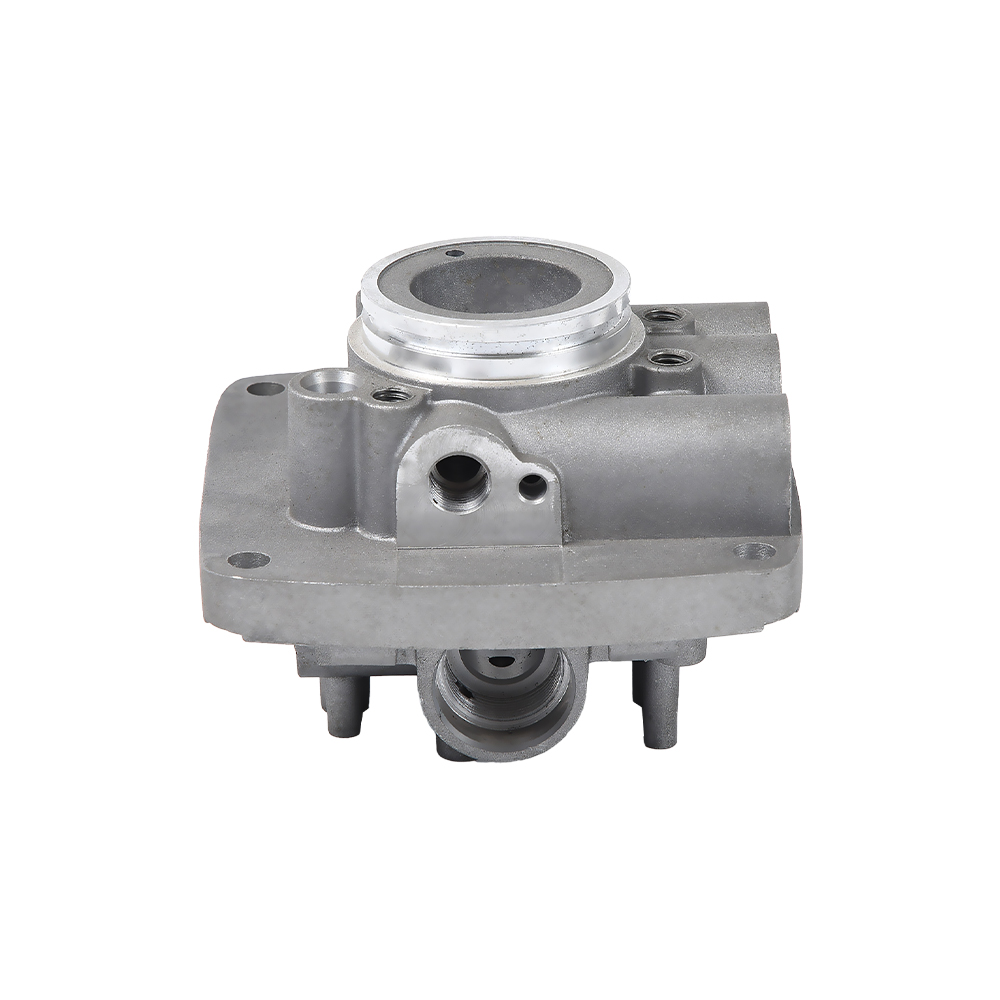
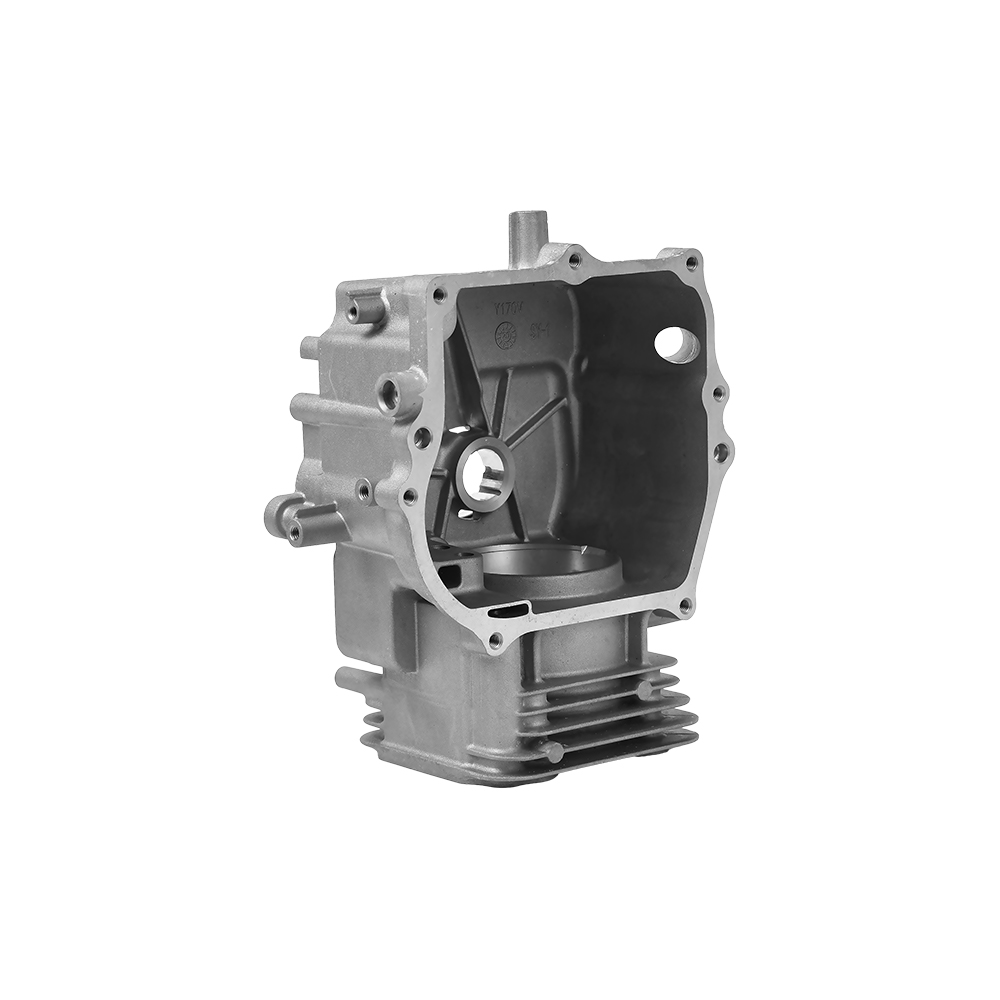
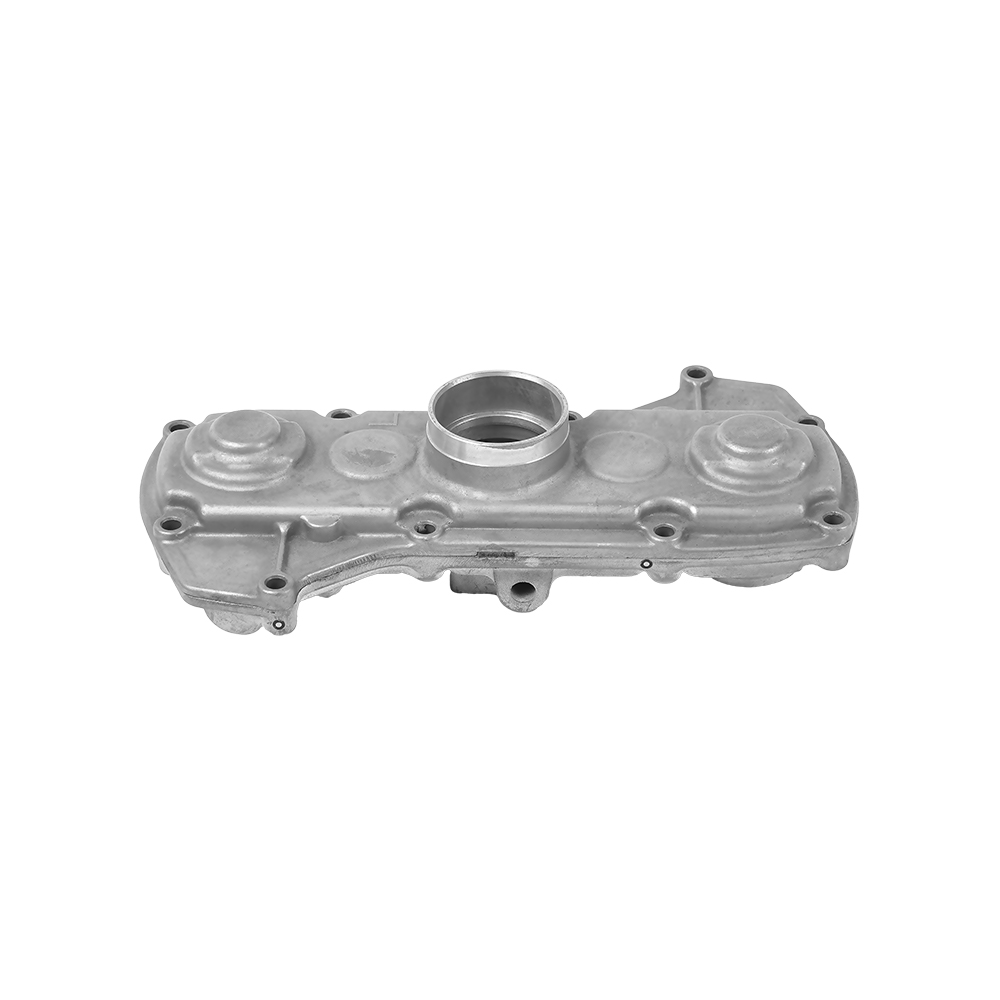
 Aluminum Auto Engine Cylinder Parts for Complex CastingsThis product line demonstrates supplier expertise in high-pressure die casting for thin-walled, complex engine components, supporting scalability and geometry diversity essential for reliable sourcing.View Product →
High Pressure vs Low Pressure: Choose the Process Before the Supplier
The most important technical filter is the casting process. High pressure die casting (HPDC) injects molten aluminium into a steel die at high velocity, producing thin-walled complex parts in cycle times of roughly 30 to 90 seconds. HPDC is why motorcycle crankcases and automotive gearbox housings can be manufactured at scale. The trade-off is a moderate risk of gas porosity, so parts that must hold pressure often need impregnation or a different process.
Low pressure die casting (LPDC) fills the die from below under controlled gas pressure. The slower, calmer fill produces denser metal with far fewer gas inclusions. LPDC is the standard choice for structural brackets, cylinder heads, and other components that must be pressure-tight or heat-treated. Cycle times run from two minutes up to ten minutes, which is why LPDC tends to be reserved for parts where mechanical soundness outweighs cycle economy.
| Factor | High Pressure Die Casting | Low Pressure Die Casting |
|---|---|---|
| Cycle time | 30 to 90 seconds | 2 to 10 minutes |
| Typical wall thickness | 1.5 to 4 mm | 3 to 8 mm |
| Porosity risk | Moderate | Low |
| Pressure-tightness | Often requires impregnation | Naturally dense |
| Best suited for | High-volume complex housings | Structural and load-bearing parts |
For a broader view of why aluminium casting beats other manufacturing routes for many components, read our overview of aluminium die casting advantages. The short version: aluminium offers an excellent strength-to-weight ratio, high thermal conductivity, and the ability to integrate multiple features into one casting.
If your part carries structural load or must seal liquid or gas, ask specifically whether the supplier recommends HPDC, LPDC, or a hybrid approach. A supplier that gives you the same process answer for every enquiry usually has only one process to sell, which is a red flag in itself.
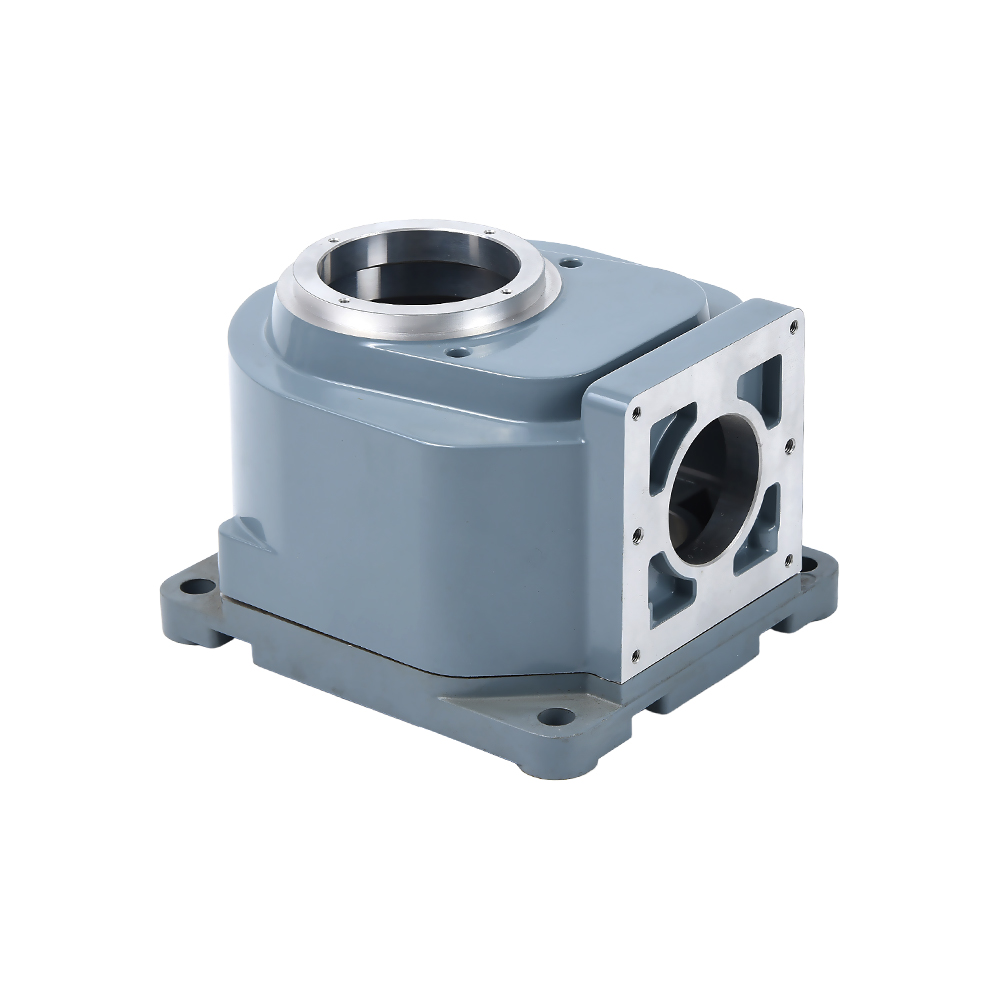
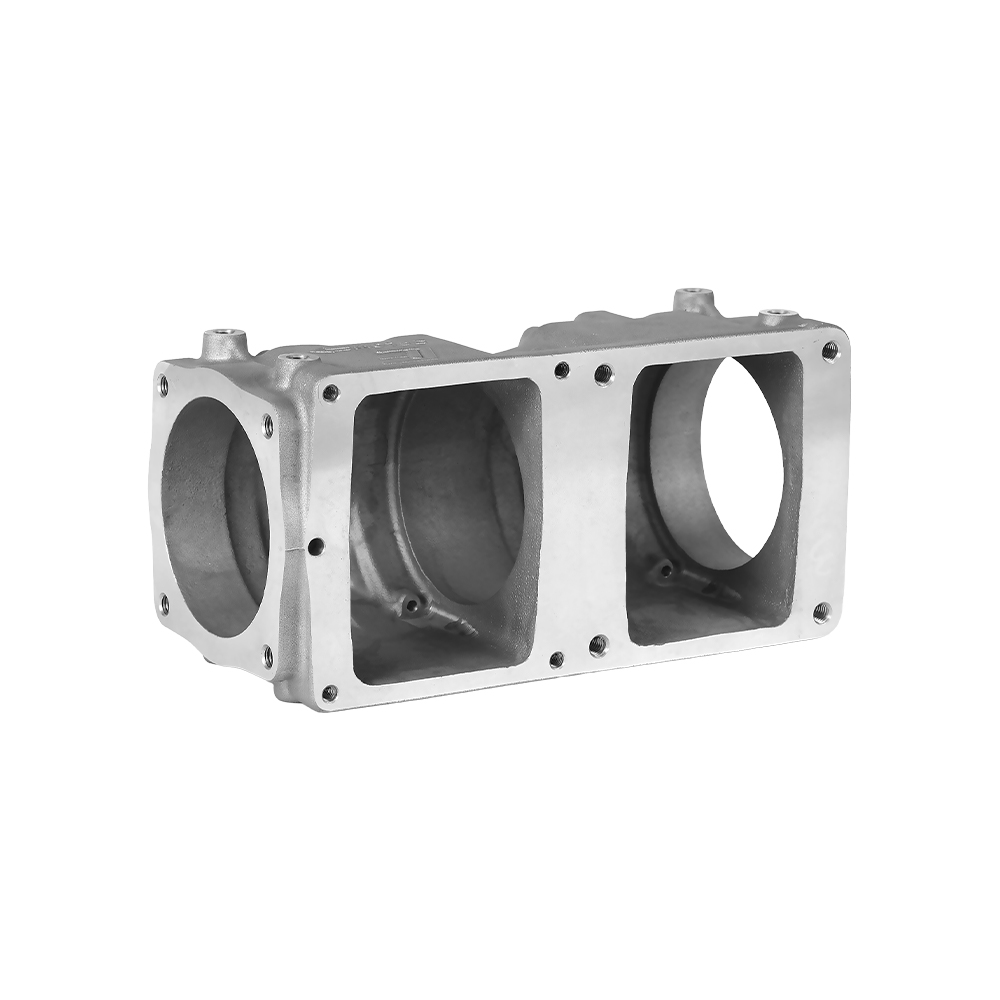 Automobile Cylinder Body Parts Requiring Tight TolerancesFor structural or sealed cylinder bodies, this supplier offers castings meeting linear tolerances of ±0.10–0.30 mm, with CNC machining for critical features—a key capability to verify in-house.View Product →
Machining and Finishing: Where the Real Tolerance Is Decided
Die casting alone holds linear dimensions of about +/-0.10 to +/-0.30 mm depending on part size and feature orientation. Sealing faces, bearing seats, and mounting holes demand tighter control, typically +/-0.02 to +/-0.05 mm. Those numbers are only achievable with CNC machining, and the critical procurement question is whether the casting supplier also performs that machining under the same roof.
When machining is outsourced, the casting and the machining shop share no measurement datum and no single point of responsibility. Transport damage, setup drift, and schedule misalignment become your problem. When casting and machining happen in the same plant, the machined features reference the casting datum directly, and one team owns the dimensional result from melt to finished part.
- Machined bores and sealing faces: +/-0.02 to +/-0.05 mm typical.
- As-cast dimensions: +/-0.10 to +/-0.30 mm, depending on the die-parting line.
- Flatness on machined mounting faces: 0.05 mm over 100 mm is achievable.
- Surface roughness on machined faces: Ra 1.6 to Ra 3.2 micrometers, with Ra 0.8 micrometers available for sealing areas.
Finishing is the second half of the decision. As-cast aluminium surfaces are functional but porous-looking, and oxidation darkens the metal over time. The most common finishing routes are powder coating for corrosion protection and appearance, anodizing for a hard wear-resistant layer, and bead blasting for a uniform matte texture. You should ask which surface treatment the supplier applies routinely, because treatments interact with the alloy and with casting skin quality.
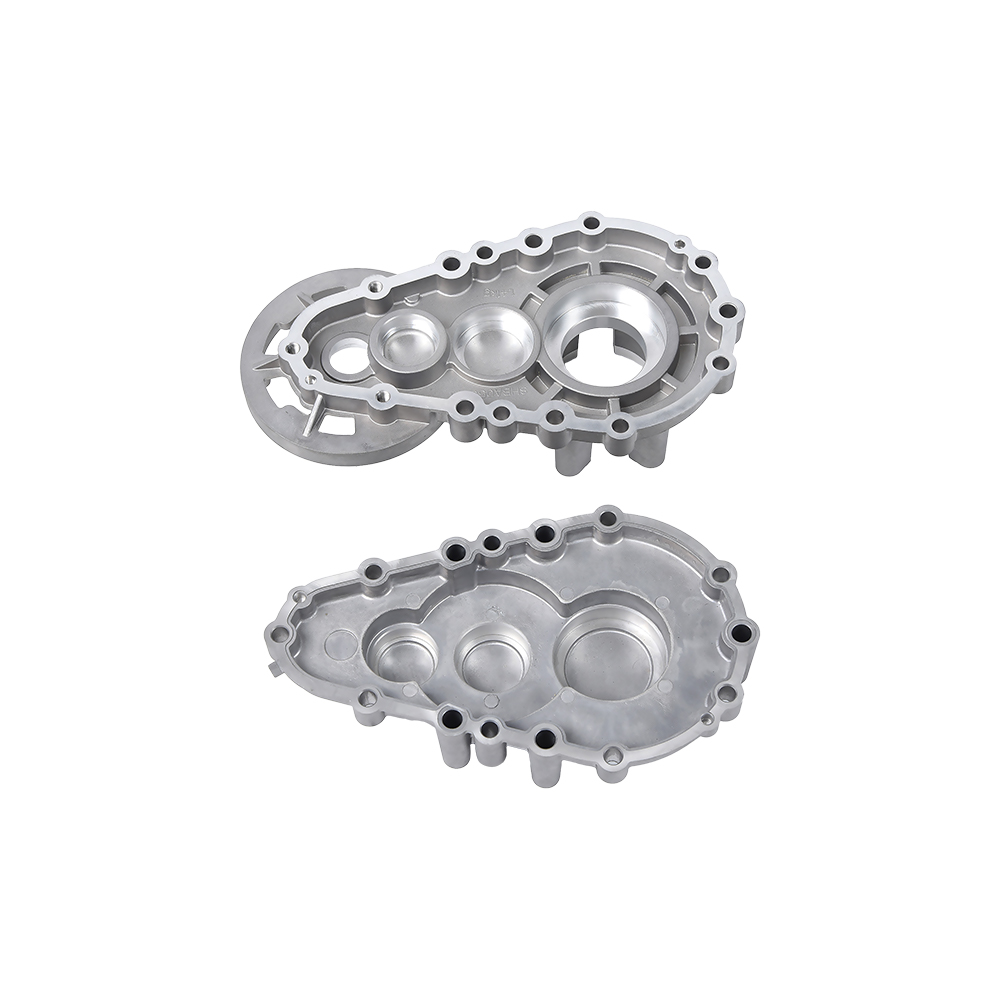
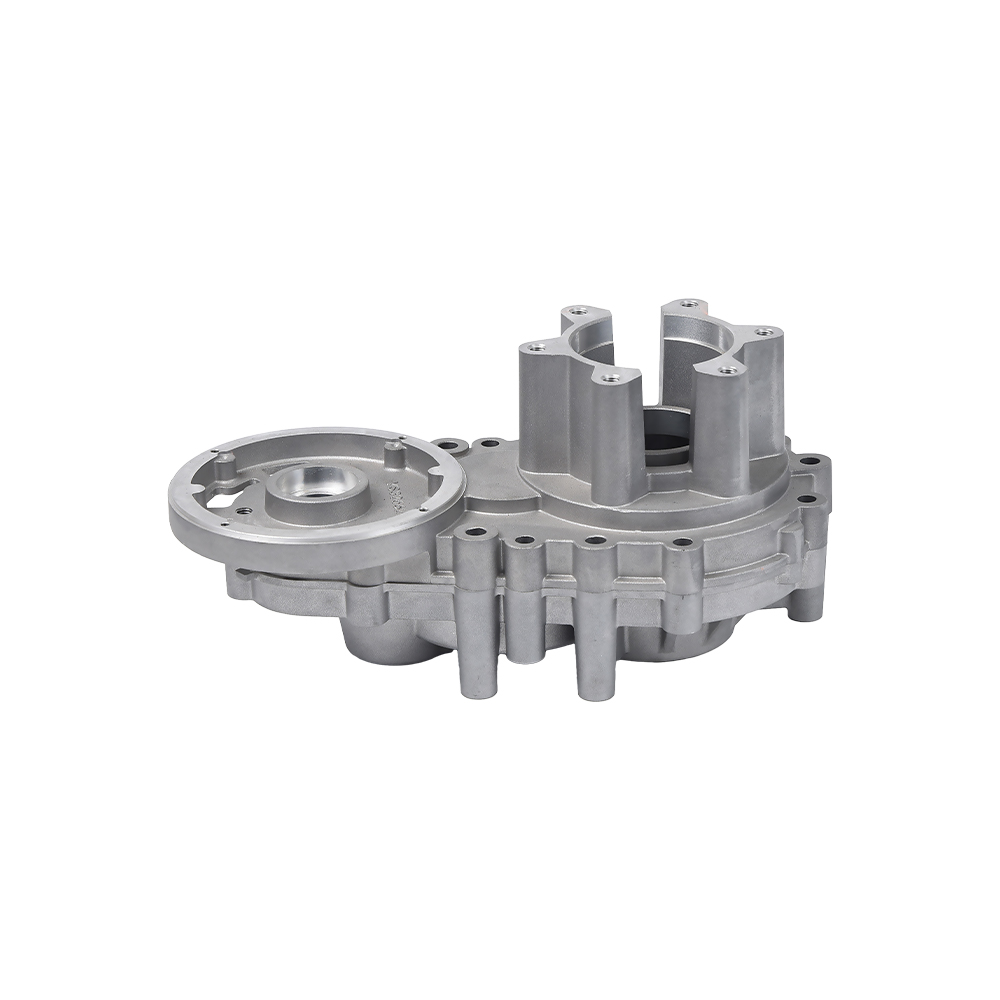
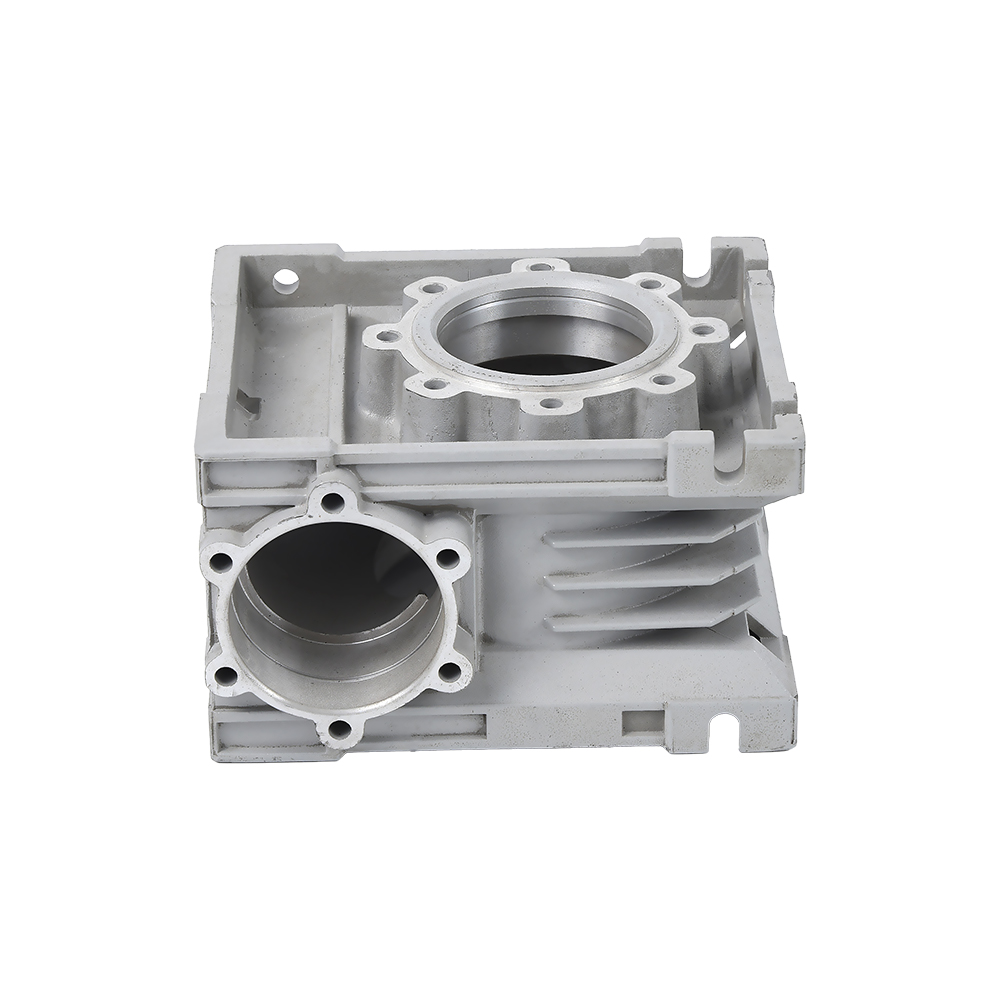
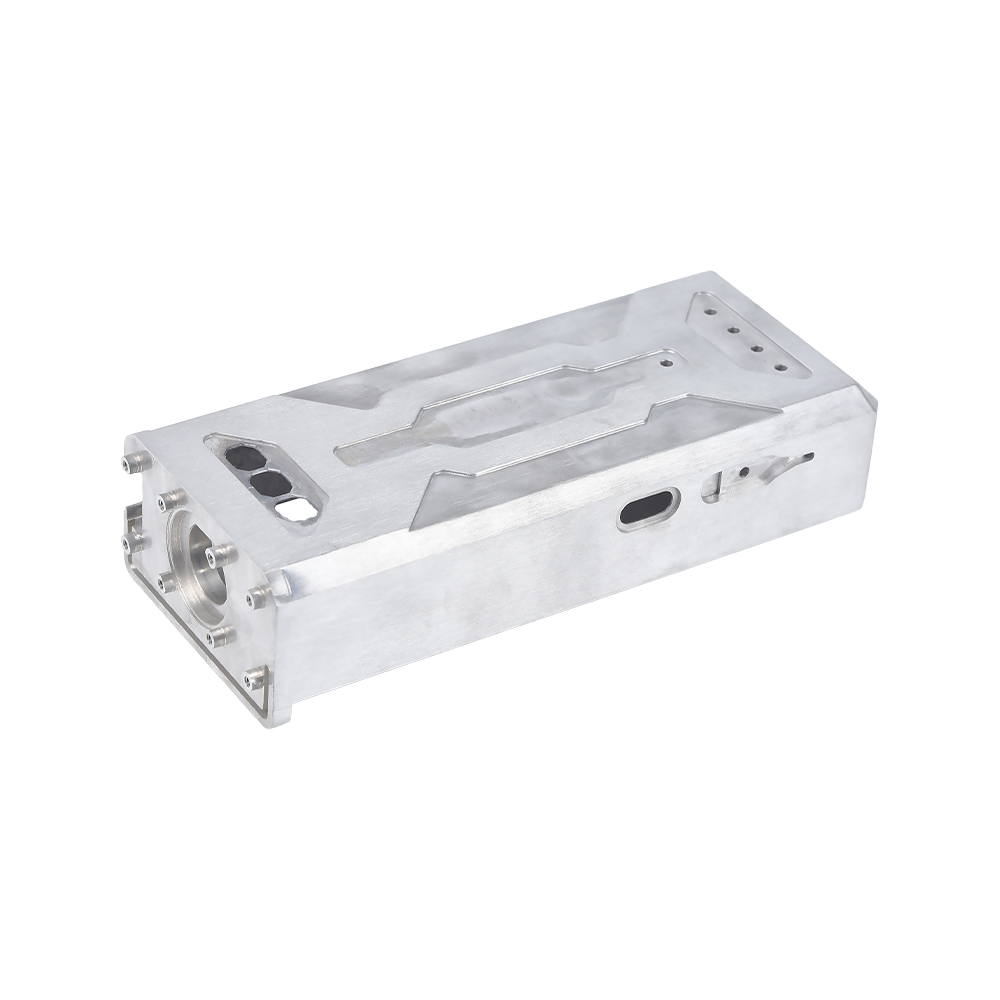
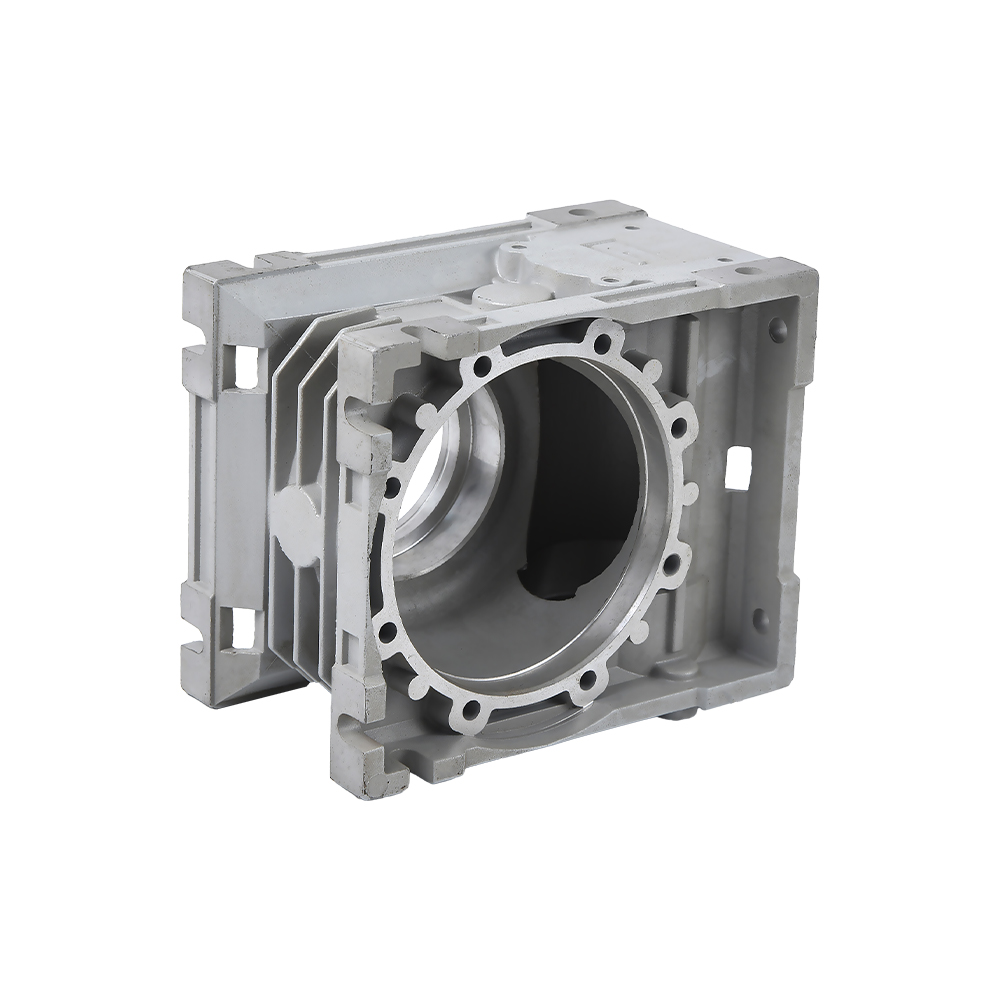 Aluminum Die Casting Gearbox Housing for DurabilityThis gearbox housing, applicable to motorcycle crankcases and reducers, benefits from appropriate surface treatments like powder coating or anodizing, backed by required documentation for import compliance.View Product →
How to Verify Supplier Quality Without a Factory Visit
For most import buyers, the first physical contact with a casting happens when the carton opens. Documentation is therefore your primary verification instrument. Any serious aluminium die casting supplier will provide the following without hesitation.
- First article inspection reports containing CMM data measured against your drawing, not against a supplier-generated reference.
- Process parameter records for the first article run, including injection pressure, plunger velocity, and melt temperature.
- Material analysis documentation confirming the alloy grade and chemical composition of each melt batch.
- Batch traceability that links raw material, furnace, die, machine, and operator for every shipment.
- Leak or pressure test reports for housings, valve bodies, and any component with internal channels.
Documentation, however, is only half the verification. The other half is response quality. When you send a drawing for review, measure how long the supplier takes to identify potential casting difficulties. A capable supplier will point out sharp internal corners that restrict metal flow, deep ribs that trap air, or uneven wall sections that cause differential cooling. If the first reply is only a price, the supplier has not studied your part.
What Drives the Cost of Aluminium Die Casting Parts
The price you pay is not for metal. It is for the engineering locked inside the metal. For a typical custom component, tooling represents 20 to 30 percent of the initial project cost, and machining commonly adds 30 to 50 percent to the cast part price. Understanding the weight of each cost driver prevents both overpaying and over-specifying.
| Cost Driver | Typical Impact | What to Review |
|---|---|---|
| Tooling (die) | 20 to 30 percent of first project investment | Number of slides and cores; expected die life |
| Alloy choice | Material cost varies with alloy grade | ADC12 / A380 / A356 selection against mechanical needs |
| Wall thickness | Thin walls speed cycles but risk fill defects | A design-for-manufacturing review can reduce part mass and cost |
| Machining content | Adds 30 to 50 percent to the cast piece cost | Combine multiple features into one machining setup |
| Surface finish | Anodizing and powder coating add time and handling | Specify only the required grade, not the cosmetic maximum |
| Order volume | Piece price drops as volume spreads tooling and setup | Confirm the annual volume the supplier uses in the quotation |
The biggest single negotiation lever is the casting-machining split. If a feature can be cast instead of machined, the cycle-time saving usually beats the machining cost. That is why design-for-manufacturing feedback is the most valuable thing a supplier can give you at the quotation stage, before you commit to tooling.
Red Flags to Watch for in Aluminium Die Casting Suppliers
Some warning signs appear only after the purchase order is placed. These are the signals worth detecting earlier.
- No in-house machining. You will inherit coordination risk between two unconnected production schedules.
- Vague reject-rate numbers. "Total scrap is below 3 percent" means nothing unless they state measurement criteria and which operations are included.
- Slow or shallow DFM feedback. A supplier who cannot describe how your part will fill, cool, and eject has not engineered it yet.
- No tooling maintenance plan. Dies wear; without scheduled maintenance, dimensional drift appears after a few thousand shots.
- Guaranteeing impossible tolerances. A supplier who quotes +/-0.01 mm as-cast is either inexperienced or planning to machine every surface. Both will be charged to you.
- Offering one alloy for everything. Aluminium alloys differ in fluidity, strength, corrosion behavior, and thermal conductivity. One-size-fits-all alloy advice is commercial convenience, not engineering judgment.
The supplier you want treats your part as an engineering problem, not as a line item.
Applications Where the Right Supplier Pays for Itself
Aluminium die casting earns its place wherever weight, thermal management, and production volume intersect. The strongest demand signals come from a few well-defined sectors.
Automotive and New Energy Vehicles
Powertrain housings, water pumps, oil pumps, transmission cases, and electric motor housings are all aluminium die castings. In new energy vehicles, the cooling circuit expands dramatically; heat-dissipation plates and pump housings multiply per vehicle. These parts combine thin walls with pressure-tight requirements, which is exactly the challenge that separates experienced suppliers from the rest.
Motorcycle and Small Power Equipment
Motorcycle crankcases and transmission cases have to resist vibration, support crankshaft loads, and keep oil inside at operating temperature. Wall sections are thin, and the die design must manage both filling and cooling precisely. A supplier that has produced these parts for years has solved problems that generic machining shops have never met.
Industrial Hydraulics and Pneumatics
Valve bodies, pump housings, and actuator components must maintain internal channels at working pressure without leaks. Die casting produces these channel geometries economically, but the pressure test requirement forces strict process control. Suppliers with hydraulic component experience understand the difference between a void that is cosmetic and a void that is catastrophic.
Agricultural Machinery
Rice transplanters and micro-tillers run in dirt, moisture, and vibration. Gearboxes and structural parts cast from aluminium keep the machine light enough to handle while surviving field conditions. The tolerance stack must stay stable across long production runs, because a farmer cannot pause the season for a replacement part.
Across these applications, the common denominator is the same: the part is only as good as the process that produced it.
Frequently Asked Questions About Aluminium Die Casting Suppliers
What is the difference between suppliers offering high pressure and low pressure processes?
High pressure die casting uses fast injection to produce thin-walled complex parts at cycle times of 30 to 90 seconds. Low pressure die casting fills the die slowly from below, producing denser, pressure-tight castings with thicker walls. The right choice depends on the part function, the mechanical requirements, and the annual volume.
What is a realistic lead time for a custom aluminium die casting project?
Tooling typically takes 4 to 8 weeks, and first articles follow 2 to 4 weeks after tooling approval. Production lead time for repeat orders is usually 2 to 4 weeks, depending on machine availability, volume, and finishing requirements. These figures shift with die complexity and the supplier's order book, so ask for a clear timeline per phase before placing the order.
What tolerances can aluminium die casting achieve?
As-cast dimensions typically hold +/-0.10 to +/-0.30 mm. CNC-machined features reach +/-0.02 to +/-0.05 mm, and sealing faces can be held to Ra 0.8 micrometers surface finish. Design the drawing so that critical dimensions sit on machined features rather than as-cast surfaces.
What alloys do aluminium die casting suppliers usually work with?
ADC12 and A380 are the most common general-purpose alloys because of their fluidity, strength, and machinability. A356 is used where ductility and heat treatment are required. Suppliers should recommend the alloy based on the operating environment, not only on availability.
What order quantity makes aluminium die casting economical?
High pressure die casting becomes economical at roughly 5,000 parts per year and above, because tooling cost is spread across volume. Low pressure die casting can work with smaller volumes of 1,000 to 2,000 parts per year for structural components. Below those volumes, alternative processes such as gravity casting or CNC machining from billet may be more practical.
Should I choose a supplier that does machining in-house?
Yes, for any part with machined bores, sealing faces, or critical mounting dimensions. In-house machining gives the supplier full responsibility for datum consistency, eliminates transport damage, and shortens delivery time. The supplier can also optimize the casting-machining boundary to reduce total cost.
My part leaks in pressure tests. Could a different supplier fix this?
Often, yes. Leakage usually comes from porosity caused by turbulent metal flow, insufficient venting, or incorrect cooling in the die. A supplier experienced in low pressure die casting or vacuum-assisted high pressure casting can redesign the fill strategy to produce a dense casting. Ask for leak-test results from the first article run, not just after production tuning.
A reliable aluminium die casting supplier is not the one with the biggest machine park or the lowest quote. It is the one that understands how your part is made, where it can fail, and how to prevent that failure before the die is cut.
Our team at Ningbo Beilun Youyuan Machinery Manufacturing has solved these questions for automotive, motorcycle, industrial, agricultural, and new energy components since 2010. If you have a drawing and you want a second engineering opinion before you commit to tooling, send it to us through our contact page. You will get a process recommendation, a DFM review, and a transparent quotation that separates the costs you can control from the ones you cannot.