 LANGUAGE
  English
 русский
 Español

Content
- 1 The Direct Answer: Where to Start With Aluminum Casting Ideas
- 2 Why Aluminum Is the Default Metal for Casting Projects
- 3 Matching the Casting Process to the Project
- 4 Twelve Aluminum Casting Project Ideas Worth Building
- 5 Pattern and Mold Design Rules That Prevent a Failed Pour
- 6 Choosing the Right Aluminum Alloy for the Job
- 7 From Rough Casting to Finished Piece: Surface Treatment Options
- 8 Common Casting Defects and How to Catch Them Early
- 9 Budgeting Time, Material, and Energy for an Aluminum Casting Project
The Direct Answer: Where to Start With Aluminum Casting Ideas
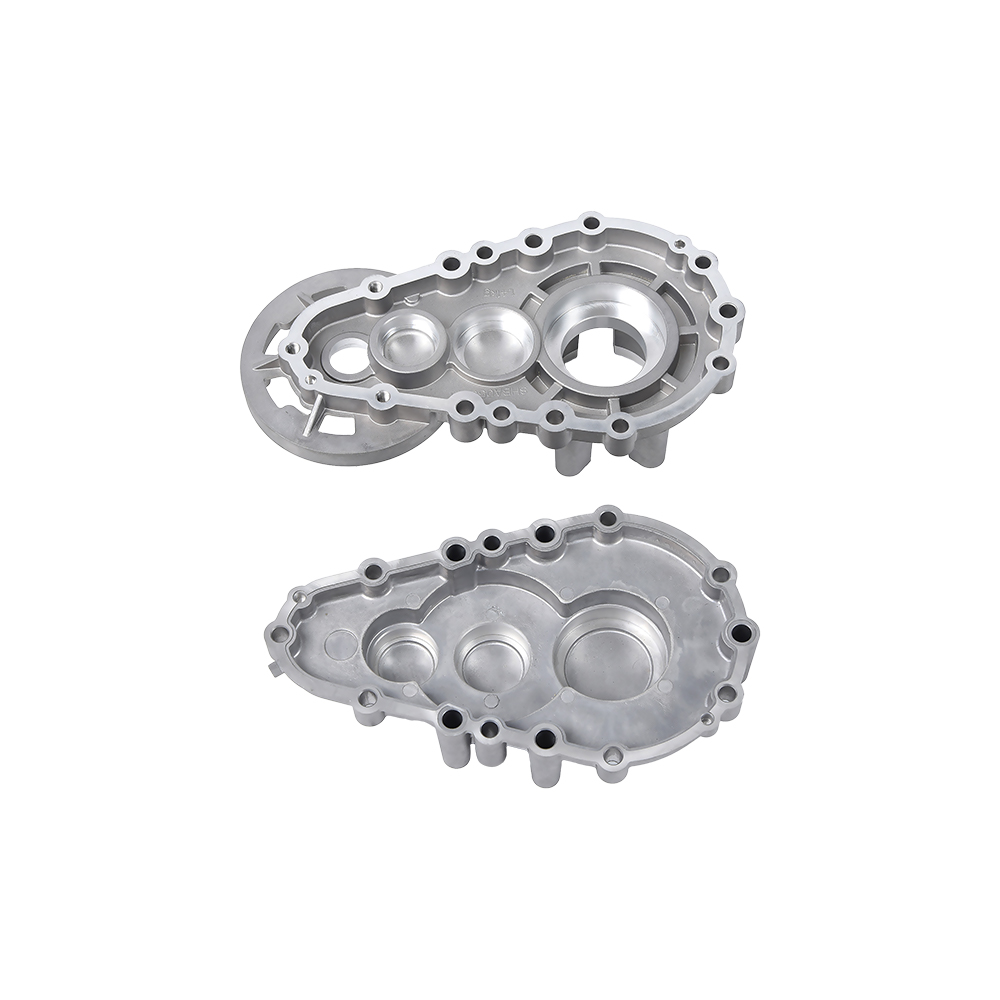
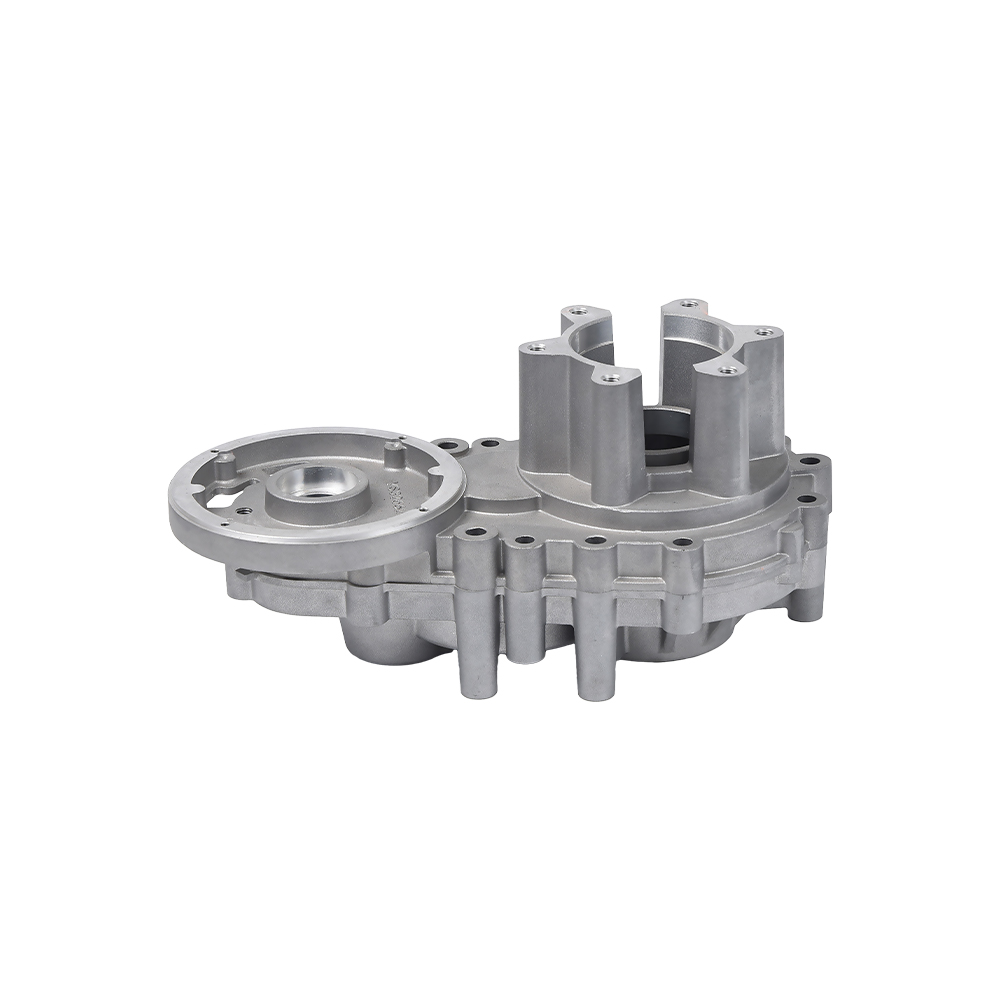
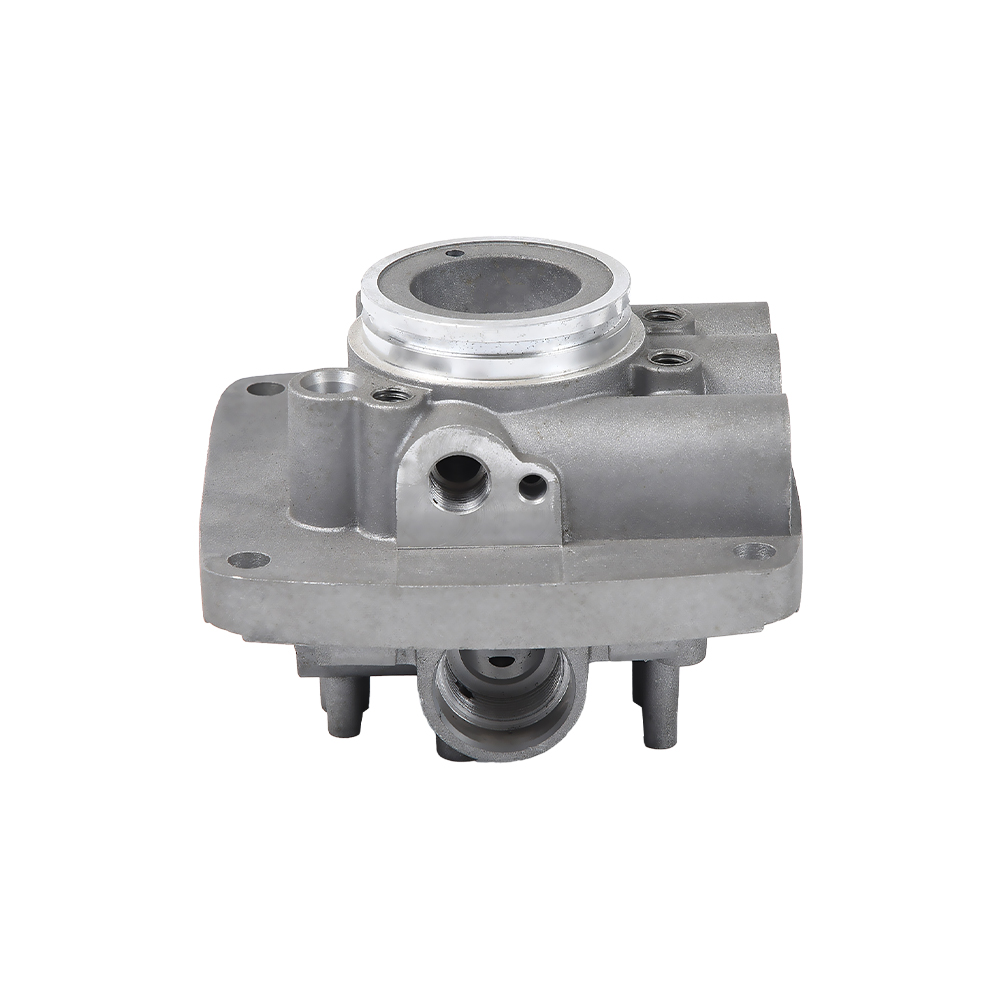
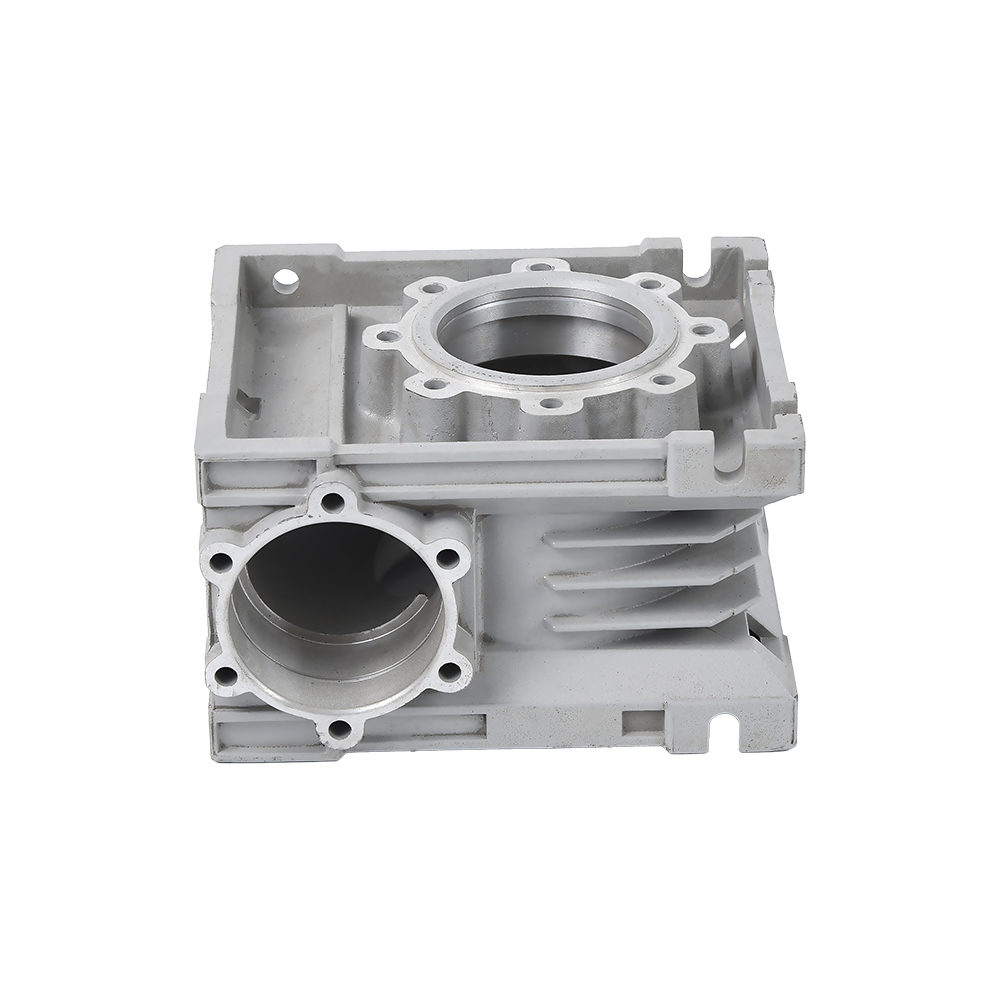
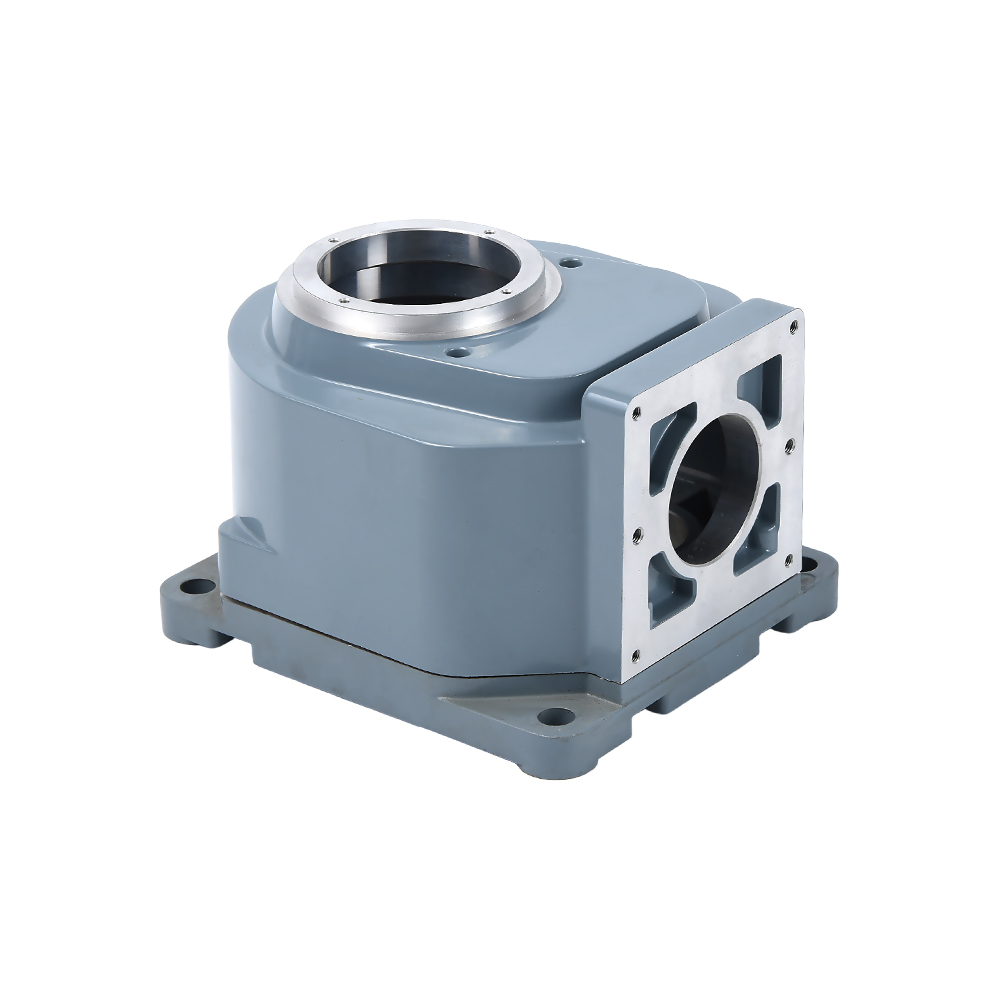
Most workable aluminum casting ideas fall into four practical groups: decorative hardware and architectural fittings such as drawer pulls, house number plaques, and railing brackets; functional replacement parts for engines and machinery such as valve covers, intake fittings, and mounting brackets; shop tooling such as jigs, fixture plates, and alignment blocks; and sculptural or display pieces such as medallions, plant markers, and small statues. For a first project, gravity-fed sand casting using A356 aluminum alloy is the most forgiving starting point. A356 has a comfortable pouring range of roughly 705 to 760 degrees C, fills thin sections well, and machines cleanly once it has gone through a T6 heat treatment.
A propane-fired furnace built from a steel pipe shell with a refractory or ceramic blanket lining can melt a 2 to 5 kilogram charge of clean aluminum scrap or ingot in 25 to 40 minutes, comfortably reaching the 700 plus degree C pour temperature needed for a clean fill. This is the main reason aluminum casting ideas are so accessible compared with bronze, which needs 950 to 1000 degrees C, or cast iron, which runs above 1370 degrees C. Combined with a strength-to-weight ratio close to one third the density of steel after heat treatment, aluminum castings end up genuinely useful rather than purely decorative.
Why Aluminum Is the Default Metal for Casting Projects
Before settling on a project, it helps to know the specific material properties that make aluminum castable and durable. The figures below explain why aluminum shows up in everything from engine blocks to picture frames and garden ornaments.
Low Melting Point, Wide Process Window
Pure aluminum melts at 660.3 degrees C, and common casting alloys melt across a range of roughly 555 to 650 degrees C depending on silicon and copper content. That range sits well within reach of propane, natural gas, or even charcoal-fired furnaces, which is not true of copper-based alloys or cast iron.
Fluidity for Thin Wall Sections
Aluminum-silicon alloys such as A356 and A380 stay fluid long enough to fill wall sections as thin as 2.5 to 3 mm in sand molds, and down to around 1 mm in pressure die casting. This is why thin decorative panels, grilles, and housings can be cast rather than machined from solid stock.
Strength Gain After Heat Treatment
As-cast A356 has a tensile strength near 159 MPa. A T6 heat treatment, meaning solution treatment around 540 degrees C followed by a water quench and aging at roughly 155 degrees C for 4 to 6 hours, raises that to about 262 MPa with 5 to 7 percent elongation.
Recyclability and Predictable Material Cost
Aluminum can be remelted repeatedly with only 5 to 8 percent loss to oxidation per cycle. Scrap aluminum from wheels, extrusions, and engine parts typically runs 1.50 to 3.00 USD per pound, while new ingot runs 2.50 to 4.00 USD per pound, which keeps material costs predictable for repeat projects.
Matching the Casting Process to the Project
The same aluminum casting idea can be carried out through several different processes, and the choice changes the tooling cost, the achievable surface finish, and how many parts make economic sense to produce in one run.
| Process | Typical Run Size | Surface Finish | Tolerance | Tooling Cost | Best Suited To |
|---|---|---|---|---|---|
| Sand Casting | 1 to 50 pieces | 250 to 500 microinch Ra | plus or minus 1.5 mm per 25 mm | 20 to 150 USD pattern | Brackets, plaques, one-off prototypes |
| Permanent Mold (Gravity) | 100 to 10,000 pieces | 100 to 200 microinch Ra | plus or minus 0.5 mm | 500 to 3,000 USD mold | Wheels, housings, repeat hardware |
| Investment (Lost Wax) | 1 to 1,000 pieces | 60 to 125 microinch Ra | plus or minus 0.13 mm per 25 mm | 50 to 500 USD per pattern | Detailed sculptures, medallions, jewelry-scale parts |
| High Pressure Die Casting | 10,000 plus pieces | 32 to 63 microinch Ra | plus or minus 0.1 mm | 10,000 to 100,000 USD tooling | Mass production housings, automotive brackets |
Twelve Aluminum Casting Project Ideas Worth Building
The list below moves from simple decorative pieces toward functional mechanical parts, ordered roughly by increasing pattern complexity and tolerance demands. Each idea includes a practical note on alloy or wall thickness so the project can move straight from idea to pattern.
- Custom drawer pulls and cabinet hardware - cast in A356 with a 4 to 6 mm finished wall, then polished or anodized for a consistent look across a kitchen or workshop run.
- Engraved house number plaques - flat-back castings around 150 by 100 by 6 mm, sand cast and then sandblasted with 80 grit media for a matte, weather-resistant surface.
- Tool handle overlays and ergonomic grips - cast around a steel core insert using 535.0 alloy, chosen for its smooth polish response on curved surfaces.
- Trailer hitch covers and tow point caps - produced by permanent mold gravity casting with a 3 to 5 mm wall, then powder coated for long-term UV resistance.
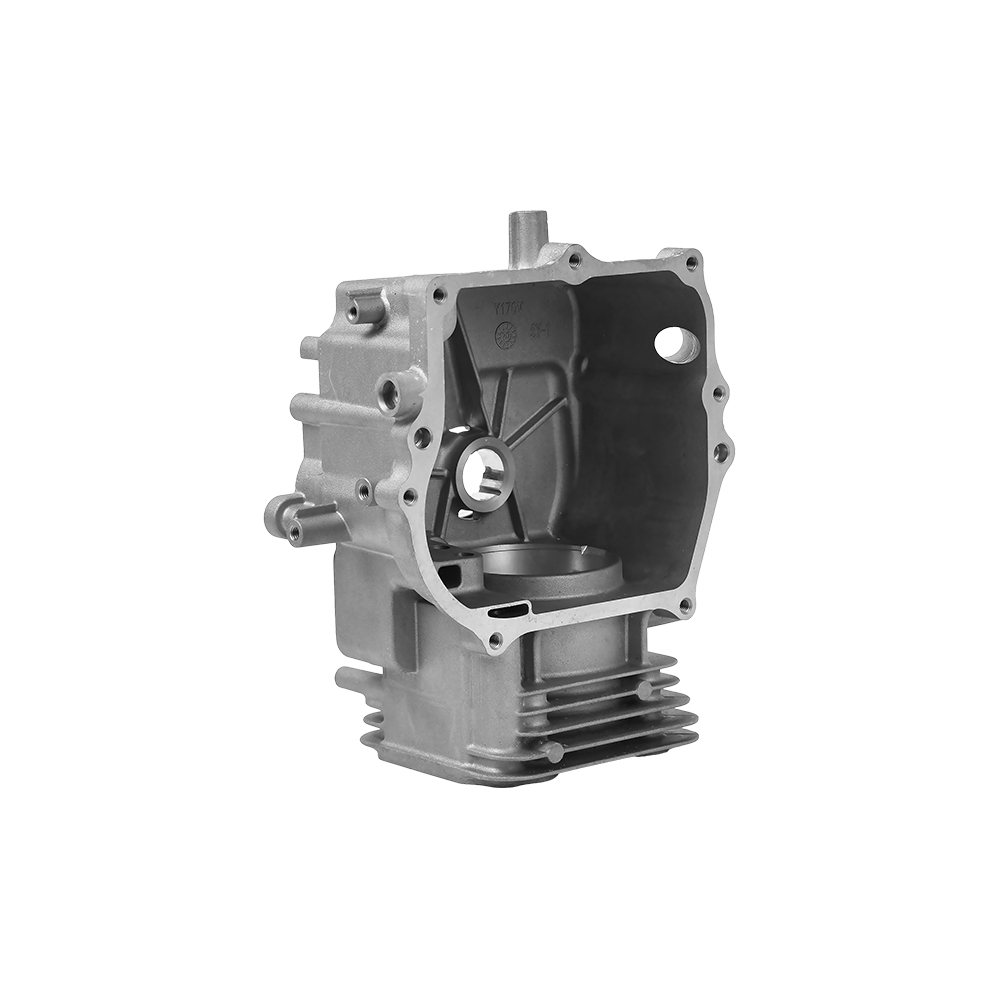
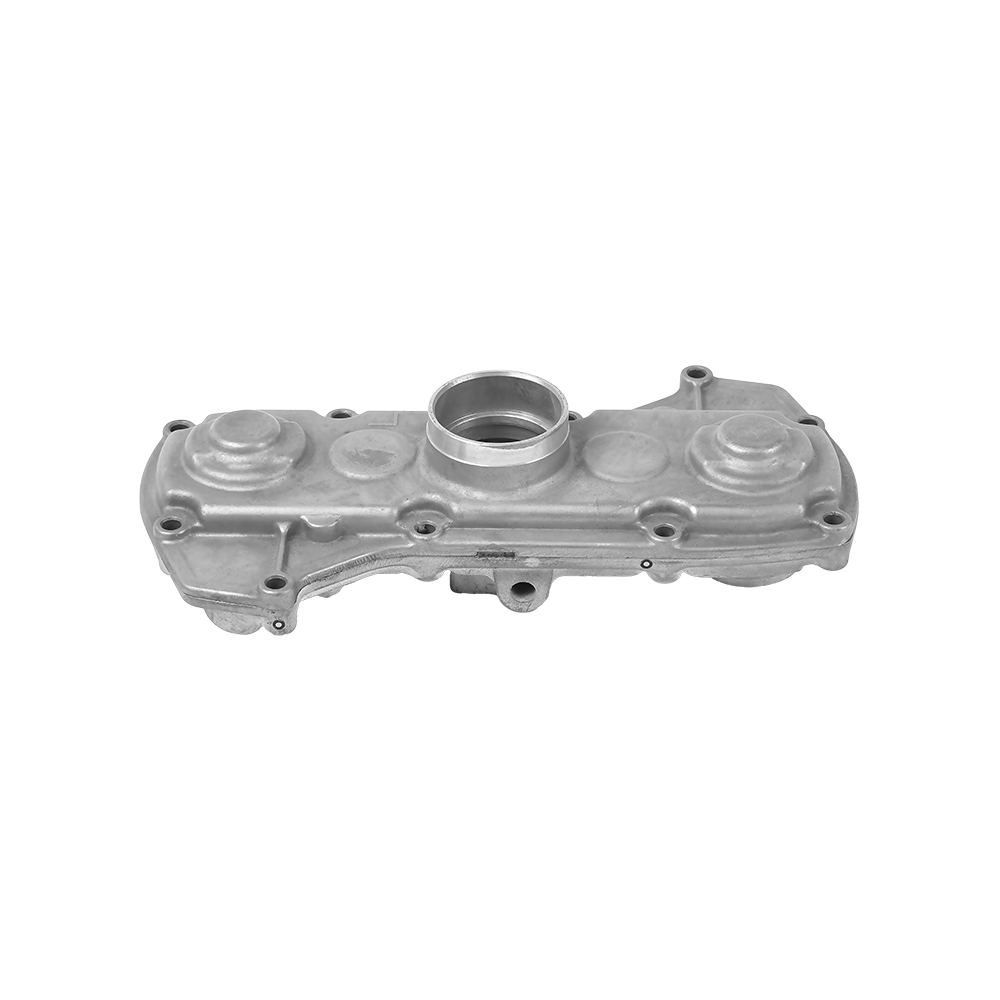
- Motorcycle and ATV valve covers - intricate cooling fin patterns favor sand casting with cores, using A356-T6 rated for continuous service up to roughly 200 degrees C.
- Garden ornaments and plant markers - thin-wall castings around 2 to 3 mm, left as-cast or finished with a clear protective lacquer.
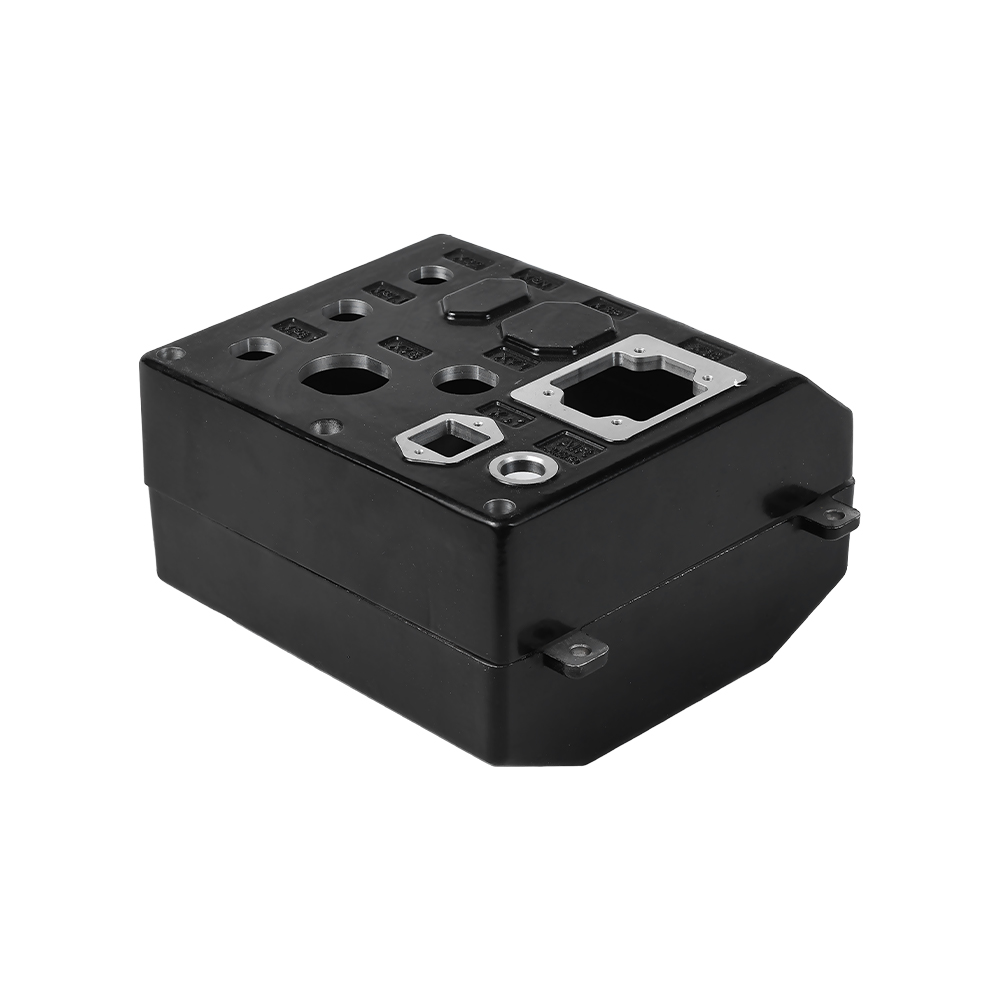
- Light fixture housings and lamp bases - hollow-core sand castings with internal cores removed after pouring, then machined for wiring channels.
- Furniture feet and table leg brackets - load bearing parts that need internal fillets of at least 3 mm to avoid stress risers, cast in A356-T6.
- Belt buckles and award medallions - investment casting captures fine relief detail down to roughly 0.5 mm, ideal for engraved logos or text.
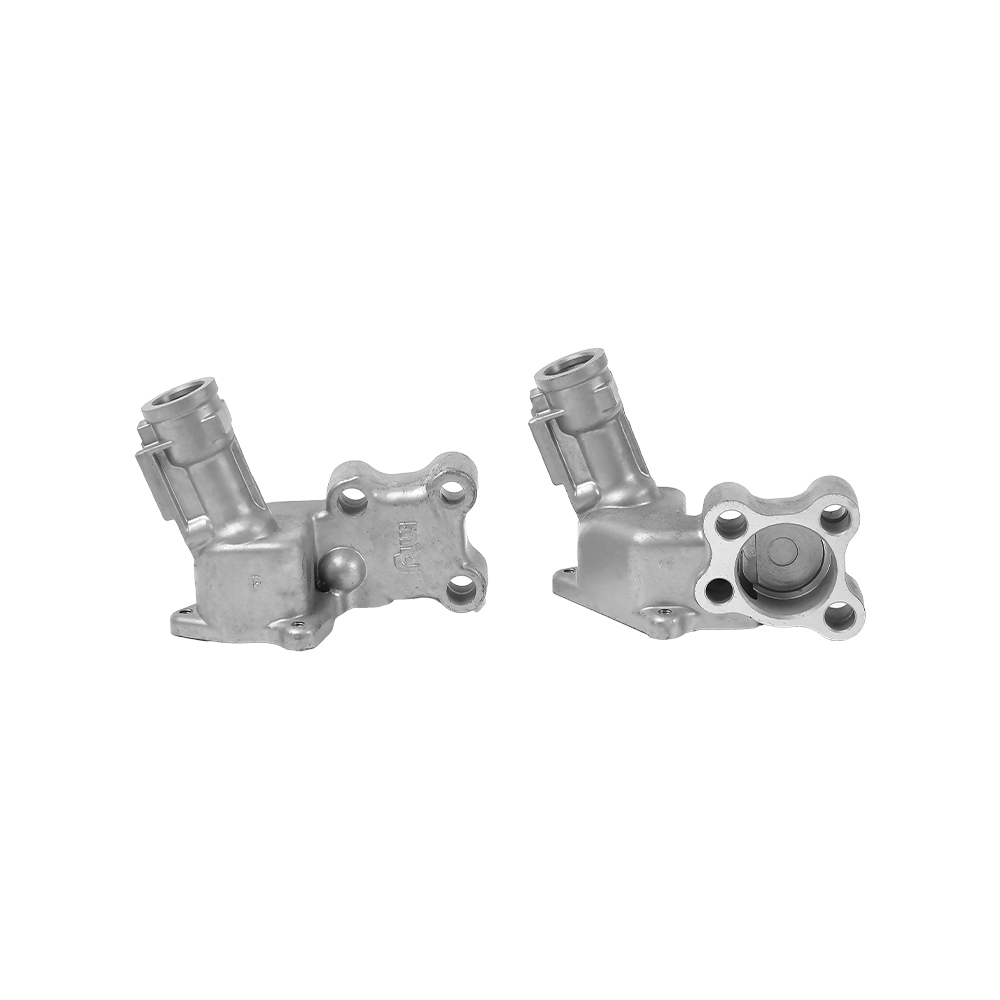
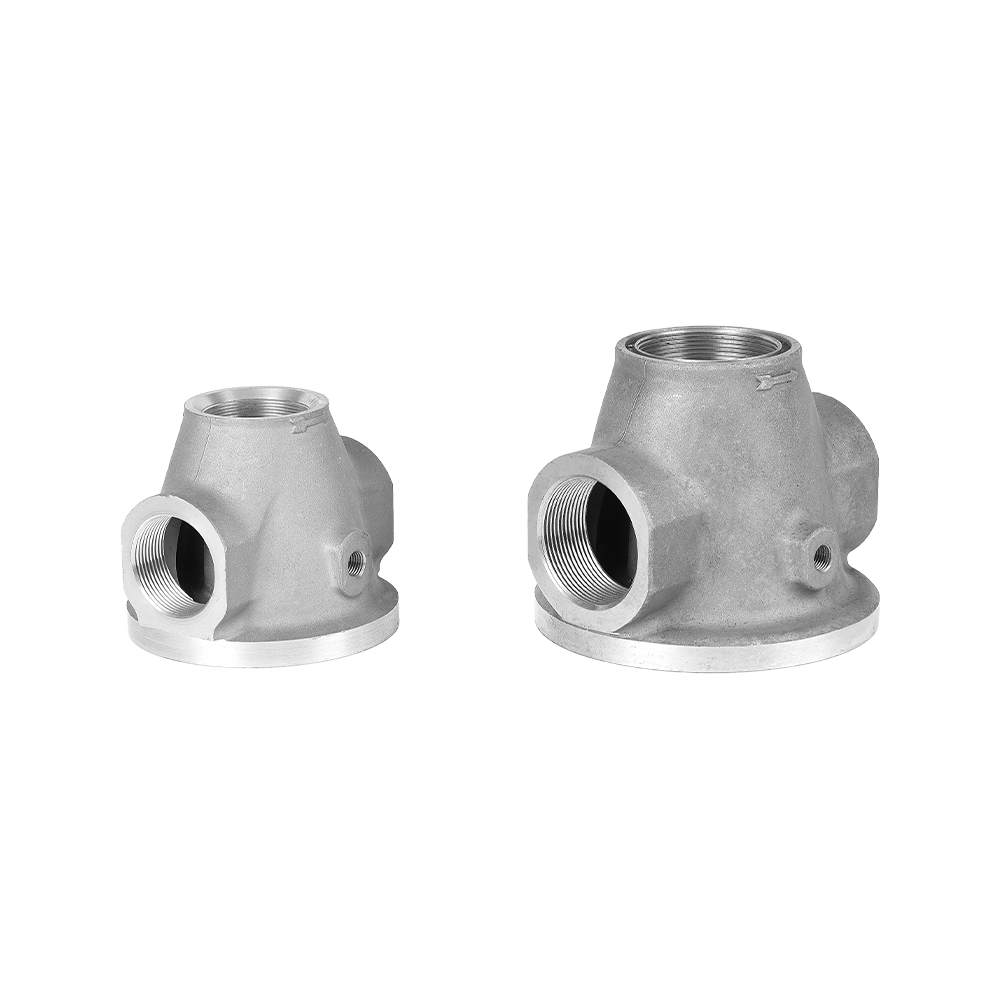
- Replacement intake and float bowl parts for vintage engines - A380 alloy offers good fuel resistance and machinability for threaded ports.
- Custom wheel center caps - permanent mold tooling gives the repeatable diameter tolerance needed for a press fit, then mirror polished.
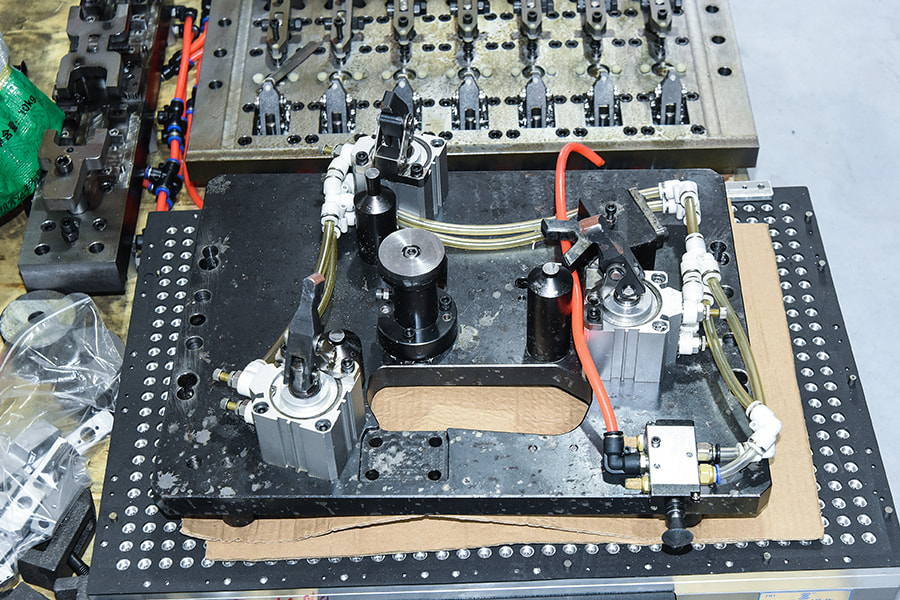
- Shop fixture plates and alignment jigs - functional tooling cast in A356-T6 with a ribbed underside that adds rigidity without adding mass.
Pattern and Mold Design Rules That Prevent a Failed Pour
Three design habits separate a clean pour from a casting full of cracks, voids, or unfilled corners. Wall thickness, draft angle, and fillet radius all interact with how aluminum solidifies, and each one is easy to fix at the pattern stage but expensive to fix afterward.
Wall thickness: sand castings should keep walls at 3 mm minimum, with 4 to 6 mm being far more reliable for structural parts, since thinner sections cool and solidify before the metal can fully fill them. Permanent mold castings can run down to 1.5 to 2 mm because the steel mold pulls heat away faster and keeps the metal moving longer relative to its own solidification front.
Draft angle: vertical faces on a sand casting pattern need 1 to 3 degrees of draft per side so the pattern lifts cleanly without tearing the sand. Permanent mold tooling can use a shallower 0.5 to 1.5 degrees because the polished steel surface releases more easily than packed sand.
Fillet radius: every internal corner should carry a fillet radius equal to or greater than the local wall thickness, with 3 mm as a practical minimum. Sharp internal corners concentrate stress as the casting cools and contracts, and are the most common starting point for hot tears.
Shrinkage Allowance and Why Patterns Run Oversize
Aluminum shrinks in three stages as it goes from liquid to a cool solid: liquid shrinkage of roughly 3.5 to 6 percent by volume, solidification shrinkage of roughly 3.0 to 8.5 percent depending on alloy, and solid-state cooling shrinkage of about 1.3 percent linear for A356 between the solidus temperature and room temperature. Pattern makers compensate for the last stage by cutting the pattern oversize using a shrink rule, typically about 5/32 inch per foot, which is close to that 1.3 percent figure for A356. As a worked example, a finished dimension of 300 mm in A356 should start as a pattern dimension of about 303.9 mm, calculated as 300 multiplied by 1.013.
| Alloy | Linear Shrinkage Allowance | Approximate Pattern Maker Rule |
|---|---|---|
| A356.0 | 1.3 percent | 5/32 inch per foot |
| A380.0 | 1.6 percent | 3/16 inch per foot |
| 443.0 | 1.3 percent | 5/32 inch per foot |
| 535.0 | 1.4 percent | 5/32 to 3/16 inch per foot |
Choosing the Right Aluminum Alloy for the Job
Alloy selection affects fluidity during the pour, strength after heat treatment, corrosion resistance, machinability, and how well the surface responds to polishing or anodizing. The table below compares four alloys that cover most aluminum casting ideas, from structural brackets to high-polish decorative hardware.
| Alloy | Major Alloying Elements | Tensile Strength | Elongation | Best For |
|---|---|---|---|---|
| A356.0 (T6) | Silicon 7%, Magnesium 0.35% | 262 MPa | 5 to 7 percent | Structural castings, wheels, brackets |
| A380.0 | Silicon 8.5%, Copper 3.5% | 324 MPa | 3 percent | Die castings, housings, fuel system parts |
| 443.0 | Silicon 5.2% | 130 MPa | 9 percent | Marine hardware, corrosion resistant fittings |
| 535.0 (Almag 35) | Magnesium 6.8% | 241 MPa | 9 percent | High-polish decorative parts, anodized hardware |
Higher silicon content improves fluidity and reduces hot tearing, which is why A380 and A356 are favored for thin or complex sections, but the same silicon particles accelerate cutting tool wear, so carbide tooling is recommended for machining these alloys. 535.0, by contrast, contains no silicon and machines cleanly with standard high speed steel tools, which combined with its strong response to mechanical polishing is why it remains popular for mirror-finish decorative castings.
From Rough Casting to Finished Piece: Surface Treatment Options
A casting straight out of the mold has a rough, sandy or textured surface and sharp gate stubs that need to be removed before the part looks or functions as intended. The five treatments below cover most aluminum casting ideas, from a quick cleanup to a mirror-polished show piece.
Fettling and Deburring
Gates, risers, and flash are removed with an angle grinder, bandsaw, or hand file. For batches of small parts, vibratory tumbling with ceramic media for 4 to 8 hours rounds edges and removes parting line flash without hand finishing each piece.
Sandblasting for a Uniform Matte Finish
Glass bead media in the 60 to 100 grit range, applied at 80 to 100 PSI, produces a consistent satin texture that also helps hide minor surface porosity. This is a common finish for outdoor brackets, plant markers, and tooling fixtures.
Mechanical Polishing
A progression through 80, 120, 240, 400, 600, and 1200 grit abrasives followed by a buffing wheel and polishing compound can bring A356 or 535.0 to a mirror finish in roughly 30 to 45 minutes per small part. Higher silicon alloys such as A380 polish less evenly because the silicon particles resist abrasion differently than the surrounding aluminum matrix.
Anodizing for Color and Wear Resistance
Type II sulfuric acid anodizing builds an oxide layer roughly 5 to 25 microns thick directly on the aluminum surface, which can accept dye colors and raises surface hardness from around 75 to 90 HV for bare aluminum up to roughly 300 to 400 HV for the anodized layer.
Powder Coating for Outdoor Durability
Powder is applied electrostatically and cured at 190 to 205 degrees C for 10 to 20 minutes, producing a UV-stable, chip-resistant finish well suited to garden ornaments, hitch covers, and other parts that live outdoors.
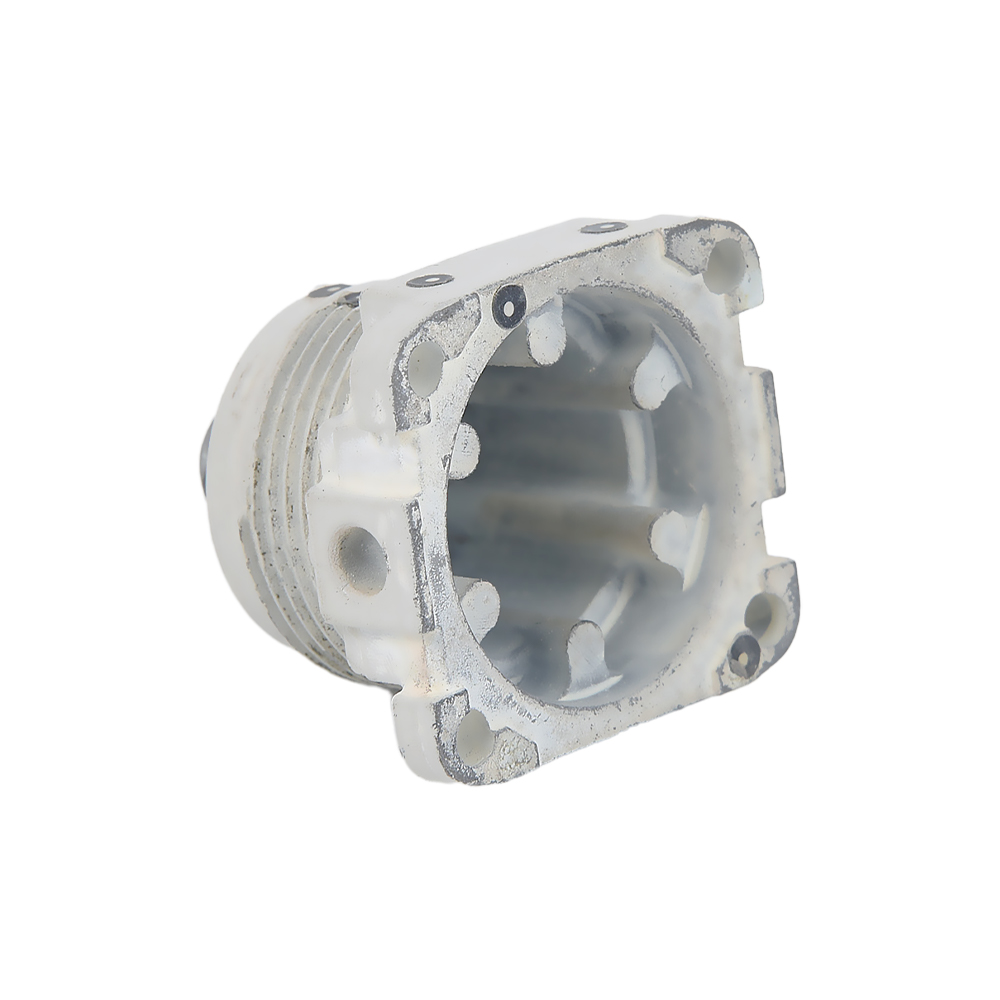
Common Casting Defects and How to Catch Them Early
Most aluminum casting problems trace back to one of six causes, and each one leaves a recognizable signature on the finished part. Checking for these before investing time in finishing saves a lot of polishing work on a part that was never going to hold up.
| Defect | Typical Cause | How to Spot It | Prevention |
|---|---|---|---|
| Gas Porosity | Hydrogen dissolved in the melt from surface moisture | Small round voids scattered through the cross-section | Degas the melt and dry tools and molds thoroughly before pouring |
| Shrinkage Porosity | Insufficient feed metal as thick sections solidify last | Irregular voids near risers or thick section junctions | Size risers larger than the section they feed and place them at the highest point |
| Cold Shut | Two streams of metal meet without fusing, often from low pour temperature | A visible seam or crack-like line on the surface | Raise the pour temperature and improve gating speed |
| Misrun | Metal solidifies before the mold cavity is fully filled | An incomplete casting with rounded, unfilled edges | Raise the pour temperature, enlarge gates, or preheat the mold |
| Hot Tearing | The casting is restrained by the mold while contracting at high temperature | A jagged crack at a section transition | Add fillets, avoid abrupt section changes, and use collapsible cores |
| Inclusions | Sand, oxide film, or dross carried into the mold cavity | Hard spots that resist machining or specks on the surface | Filter the gating system and skim dross before pouring |
Budgeting Time, Material, and Energy for an Aluminum Casting Project
A basic hobby-scale propane furnace setup, including the furnace shell, crucible, lifting tongs, pouring ladle, and protective equipment, typically runs 300 to 800 USD and can melt charges of 2 to 5 kilograms. Greensand for molds is reusable for hundreds of cycles with only minor additive replenishment between pours, which keeps per-part material cost dominated by the aluminum itself rather than the molding media.
700 to 760 C
Typical pour temperature for A356, high enough for clean fills without excessive oxide formation.
25 to 40 min
Melt time for a 5 kg charge in a propane furnace to reach pour temperature from a cold start.
1.3 percent
Linear shrinkage allowance built into A356 patterns between pour and room temperature.
5 to 8 percent
Remelt loss to oxidation per cycle when reusing aluminum scrap or runners and risers.
For time planning, pattern making for a moderately detailed part takes 2 to 8 hours depending on whether it is carved from wood, machined, or 3D printed. Ramming a greensand mold from a finished pattern takes 1 to 3 hours for a single mold. The melt and pour stage, including furnace warmup, takes 1 to 2 hours, and cooling before shakeout ranges from 30 minutes for small thin parts to 2 hours for heavier sections. Fettling and finishing, depending on the surface treatment chosen, adds another 1 to 4 hours. Taken together, a single moderately complex aluminum casting idea can move from sketch to finished part within a single working day once the pattern is ready, with most of that time spent on mold preparation and finishing rather than the pour itself.