 LANGUAGE
  English
 русский
 Español

Content
- 1 What an Aluminum Casting Mold Actually Does and Why It Decides Part Quality
- 2 How an Aluminum Casting Mold Is Actually Built, Step by Step
- 3 Gravity Casting Molds vs High-Pressure Die Casting Molds
- 4 Tool Steel Choices That Determine How Long a Mold Lasts
- 5 Mold Design Elements That Separate Good Parts From Scrap
- 6 Mold Base Components and How They Work Together
- 7 Aluminum Alloys Commonly Poured Into These Molds
- 8 Tolerances, Surface Finish, and Dimensional Control
- 9 How Long a Mold Lasts and What Drives the Cost Curve
- 10 Common Casting Defects Traced Back to Mold Design
- 11 Where Aluminum Casting Molds Are Used Across Industry
- 12 What to Check Before Committing to a Mold Supplier
- 13 Frequently Asked Questions About Aluminum Casting Molds
- 13.1 How much does an aluminum casting mold typically cost?
- 13.2 How many parts can one aluminum casting mold produce?
- 13.3 What is the lead time for building a new aluminum casting mold?
- 13.4 Can one mold cast more than one aluminum alloy?
- 13.5 Why do two suppliers quote very different prices for the same mold?
- 13.6 Is gravity casting or high-pressure die casting better for prototype runs?
- 13.7 How many cavities should a production mold have?
- 13.8 What causes a mold to start producing flash after running fine for months?
- 13.9 Do textured or cosmetic surfaces wear faster than a plain polished cavity?
- 13.10 Should a buyer request trial samples before approving a mold for mass production?
What an Aluminum Casting Mold Actually Does and Why It Decides Part Quality
An aluminum casting mold is the tool that gives molten aluminum its final shape, and roughly seventy percent of the defects found in finished aluminum parts trace back to problems in the mold itself rather than the melt or the machine. Wall thickness, gate placement, venting, and cooling layout inside the mold determine whether a part comes out dense and dimensionally stable or riddled with porosity and warping. Getting the mold right the first time is the single biggest lever a buyer has over cost, cycle time, and long-term part performance.
Every aluminum casting mold, whether built for gravity pouring or high-pressure injection, has to do three jobs at once: guide molten metal into every corner of the cavity, pull heat out of the part fast enough to control grain structure, and release the finished casting without distorting it. A mold that handles only one or two of these well will produce parts that pass a visual check but fail under load, leak under pressure, or vary from shot to shot. That is why mold design conversations at Ningbo Beilun Youyuan Machinery Manufacturing Co., Ltd start with the part's function, not with a CAD file, since the intended service condition of the part changes almost every dimension of the mold.
Buyers new to sourcing tooling often assume the mold is a secondary cost sitting on top of the "real" product, the casting itself. In practice the mold is the product. Once a cavity is cut, every part that comes out of it inherits the same gate marks, the same wall thickness variation, the same parting line, and the same wear pattern as the mold ages. A cheap mold with a poor gating layout does not just cost more in scrap during the first week of production — it keeps costing money every single shot for the entire life of the program, because a design flaw baked into hardened steel cannot be fixed with a process tweak on the casting floor.
How an Aluminum Casting Mold Is Actually Built, Step by Step
The path from a part drawing to a finished, production-ready mold follows a fairly consistent sequence regardless of whether the end process is gravity casting or high-pressure die casting. Understanding each stage helps a buyer know where delays and cost overruns typically originate.
Design for Manufacturability Review
Before any steel is touched, the part drawing is checked for wall thickness consistency, undercuts, draft angles, and tolerance callouts that are unrealistic for a cast part. Catching a problem here costs almost nothing; catching the same problem after the cavity is cut can mean scrapping a finished mold insert.
Flow and Solidification Simulation
Filling simulation predicts how molten aluminum moves through the gate and runner system, where turbulence and air entrapment are likely, and where the metal solidifies last. Solidification simulation flags areas prone to shrinkage porosity so gates and overflow wells can be repositioned on the drawing rather than discovered on the shop floor.
Cavity and Core Machining
CNC milling rough-cuts the cavity and core blocks, followed by electrical discharge machining for fine detail, sharp internal corners, and deep ribs that a rotating cutter cannot reach cleanly. This stage is where the majority of mold lead time is spent, particularly on multi-cavity tooling with complex slides.
Heat Treatment and Hardening
Cavity steel is hardened to the target range for the chosen grade, then stress-relieved to reduce the risk of distortion or cracking once the mold goes into thermal cycling. Skipping or rushing this stage is one of the most common causes of early cavity failure.
Polishing, Assembly, and Fitting
Cavity surfaces are polished to the finish level the part requires, slides and lifters are fitted and timed, and the full mold base is assembled with guide pins, bushings, and the ejector system installed and tested for smooth travel.
Trial Shots and Sampling
The assembled mold is mounted on a casting machine and trial shots are produced, typically starting at reduced pressure or pour speed and stepping up while checking fill completeness, flash, and dimensional accuracy against the drawing. Adjustments at this stage — gate resizing, vent rework, cooling rebalancing — are normal and expected, not a sign the mold was built incorrectly.
Gravity Casting Molds vs High-Pressure Die Casting Molds
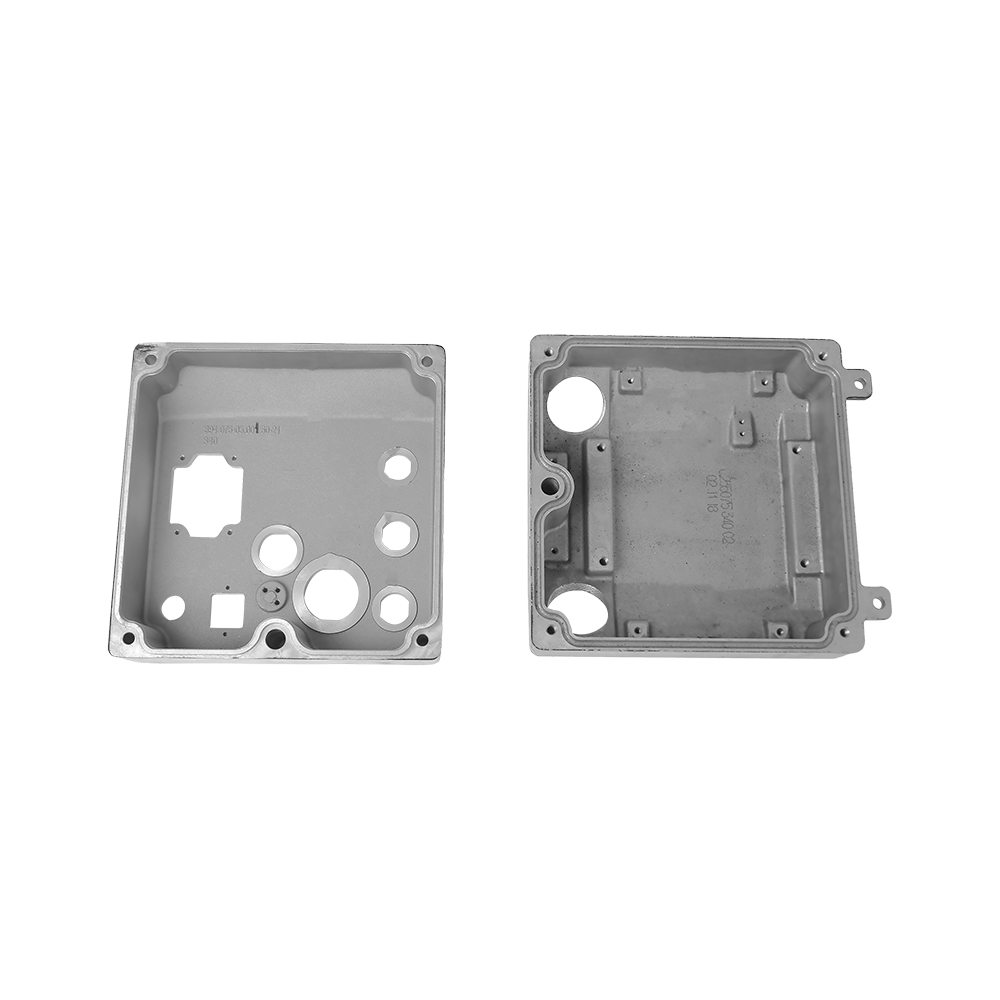
The two dominant families of aluminum casting mold are built around completely different filling physics, and choosing the wrong one is the most expensive mistake a buyer can make before tooling even starts. Gravity molds let molten aluminum flow into the cavity under its own weight, typically at low turbulence, while high-pressure die casting molds force metal in through a shot sleeve at speeds that can exceed 30 meters per second.
| Factor | Gravity Casting Mold | High-Pressure Die Casting Mold |
|---|---|---|
| Typical mold material | Cast iron or H13 tool steel | Hardened H13 or 8407 tool steel |
| Fill speed | Slow, low turbulence | Fast, high turbulence |
| Porosity risk | Lower, heat-treatable | Higher unless vacuum-assisted |
| Wall thickness range | 3 mm and above | 0.8 mm to 6 mm |
| Best production volume | Hundreds to low thousands | Tens of thousands and up |
| Typical cycle time | 2 to 6 minutes | 15 to 60 seconds |
| Post-cast heat treatment | Commonly applied | Limited by trapped gas |
| Tooling investment | Lower upfront cost | Higher upfront cost, lower per-part cost at volume |
Neither process is universally better. A pump housing that will see internal pressure and needs post-cast heat treatment is a strong candidate for a gravity mold, while a thin-wall electronics bracket destined for a run of fifty thousand units almost always points to high-pressure tooling. Aluminum casting buyers who describe the part's load case and expected volume up front save weeks of back-and-forth during mold design. A third option, low-pressure casting, sits between the two: metal is pushed upward into the cavity at modest pressure, giving cleaner fill than pure gravity pouring while keeping porosity lower than high-pressure injection, which makes it a common choice for wheels and pressure-tight housings.
Tool Steel Choices That Determine How Long a Mold Lasts
The steel a mold is machined from sets a hard ceiling on how many shots it can produce before cavity surfaces erode, crack, or lose dimensional accuracy. Three grades cover the large majority of aluminum casting mold builds:
- H13 chromium hot-work steel — the industry default for both gravity and die casting cavities, valued for resisting thermal fatigue cracking through repeated heating and quenching cycles.
- P20 pre-hardened steel — lower cost, easier to machine, and common on gravity molds or short-run tooling where extreme shot counts are not expected.
- 8407 tool steel — a premium alternative to H13 chosen for high-volume die casting programs where cavity life beyond 300,000 shots is the target.
- Cast iron — still used for large, simple gravity mold bodies where thermal mass and low cost matter more than fine surface detail.
Heat treatment after machining is what separates a mold that lasts through a full production program from one that needs early rework. A properly hardened H13 cavity for high-pressure aluminum die casting typically runs at 44 to 48 HRC, a range chosen to balance wear resistance against the toughness needed to survive thermal shock every cycle. Molds machined but left soft, or hardened unevenly across thick and thin sections, are the leading cause of premature heat checking on the cavity surface.
Why Steel Grade Selection Is Rarely a One-Size-Fits-All Decision
A supplier that specifies the same steel grade for every quote regardless of part geometry or volume is usually optimizing for their own convenience rather than the buyer's total cost. A low-volume bracket run of two thousand units does not need 8407 steel and the extra machining cost that comes with it, while a high-volume motor housing program running three shifts absolutely does — undersizing the steel grade there trades a small upfront savings for repeated downtime once the cavity starts showing heat checking well ahead of schedule.
Mold Design Elements That Separate Good Parts From Scrap
Six design decisions inside the mold account for most of the variation in scrap rate between suppliers building what looks, on paper, like the same part.
Gate and Runner Layout
The gate is where molten aluminum enters the cavity, and its size, shape, and position control fill pattern, weld line location, and how much turbulence the metal experiences on the way in. A gate placed at the thickest section of the part lets metal fill thin areas first and pack the thick section last, which reduces shrinkage porosity — reversing that order is a common root cause of sink marks.
Cooling Channel Placement
Conformal or straight-drilled cooling channels pull heat out of the cavity steel between shots. Channels placed too far from the part surface slow the cycle and let heat build up locally, distorting cavity geometry over time; channels placed too close risk thermal cracking at the channel wall. Balanced cooling is what keeps shot-to-shot dimensions repeatable across a full production run.
Venting
Air and gas trapped in the cavity has to escape somewhere, or it ends up trapped inside the casting as porosity. Vents are cut at parting lines, ejector pin locations, and the last points the metal reaches during fill, sized narrow enough to let gas out but not so wide that molten aluminum flashes through.
Draft Angle and Ejection
Vertical walls need a slight taper, usually 1 to 3 degrees for aluminum, so the solidified part releases from the cavity without dragging or scarring the surface. Insufficient draft is one of the most frequent causes of ejector pin marks and cavity wear on textured surfaces.
Slides and Lifters for Undercuts
Any feature that would prevent the part from pulling straight out of the mold — a side hole, an internal boss, a snap clip — needs a slide or lifter that moves out of the way before ejection. Slides add cost and maintenance points, so redesigning a part to remove an unnecessary undercut is often cheaper over the life of the program than tooling around it.
Parting Line Position
Where the mold splits into two halves leaves a visible line on the part and is also where flash is most likely to form if the halves do not seat perfectly. Parting lines are placed to hide on non-cosmetic surfaces where possible and to avoid crossing tight-tolerance features that would be sensitive to any flash-related dimension shift.
Mold Base Components and How They Work Together
The cavity gets most of the attention, but a casting mold is a complete mechanical assembly, and a weak link in any supporting component can shut down a production run just as fast as a cavity defect.
| Component | Function |
|---|---|
| Cavity and core inserts | Form the actual part geometry |
| Mold base plates | Hold inserts and absorb clamping force |
| Guide pins and bushings | Align both mold halves precisely on every cycle |
| Ejector pins and plate | Push the finished casting out of the cavity |
| Sprue bushing and runner | Carry molten metal from the machine into the gate |
| Slides and lifters | Release undercut features before ejection |
| Cooling lines and baffles | Regulate cavity temperature between shots |
Guide pin wear deserves particular attention because it is easy to overlook. If pins and bushings wear unevenly, the two mold halves stop aligning perfectly, which shows up as a gradual dimensional drift across the parting line that can go unnoticed until a batch fails inspection. Checking alignment components on the same schedule as cavity polishing catches this before it becomes a rejected lot.
Aluminum Alloys Commonly Poured Into These Molds
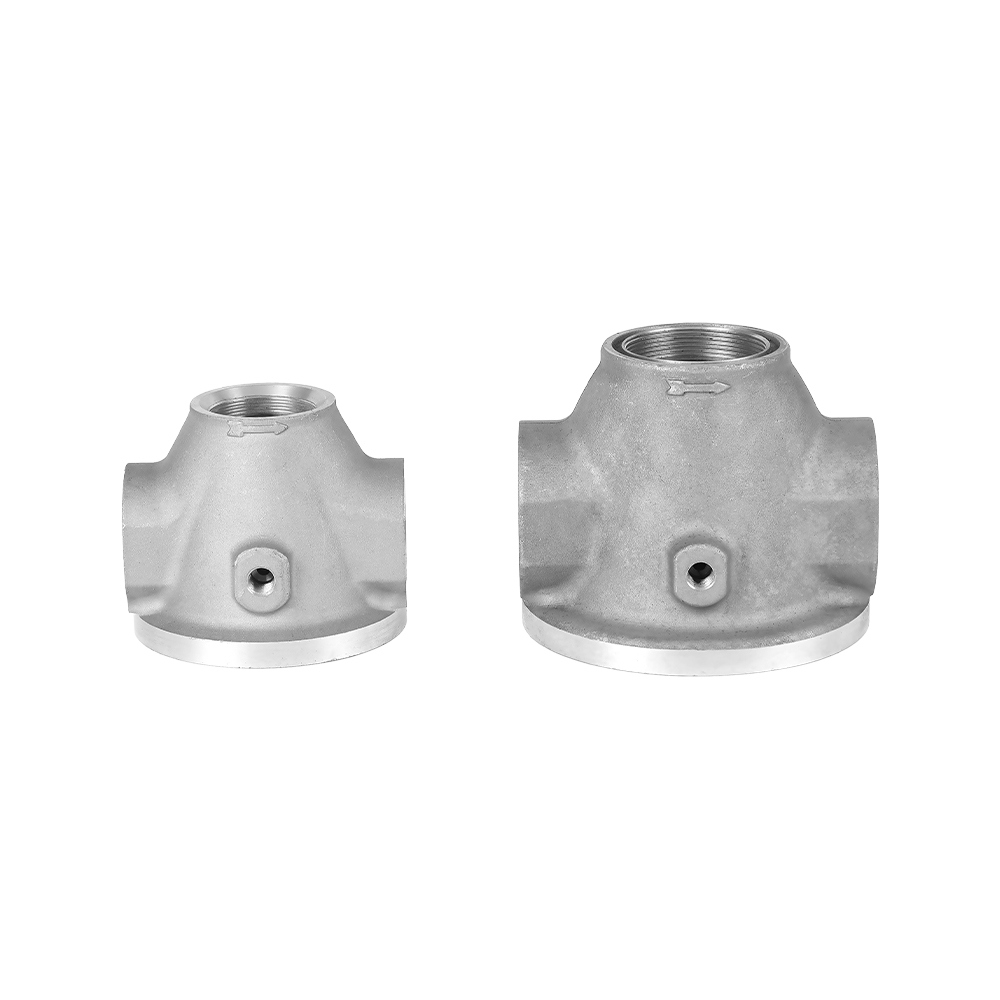
The alloy chosen changes fluidity, shrinkage rate, and how forgiving the casting process is of mold design imperfections, so mold cavities are frequently sized with an alloy-specific shrinkage allowance built in.
| Alloy | Typical Process | Common Use |
|---|---|---|
| ADC12 | High-pressure die casting | Motor housings, gearboxes, brackets |
| A380 | High-pressure die casting | Automotive housings, thin-wall enclosures |
| A356 | Gravity casting, low-pressure casting | Structural and pressure-rated parts |
| A413 | High-pressure die casting | Thin, complex parts needing good pressure tightness |
| A413 | High-pressure die casting | Thin, complex parts needing good pressure tightness |
A356 is worth calling out separately because it is one of the few alloys regularly heat-treated after casting to raise strength, which is only practical when the casting method — almost always gravity casting — has kept internal porosity low enough that heat treatment does not blister the surface.
Why Alloy Choice Changes the Mold Design, Not Just the Melt
Higher-silicon alloys such as ADC12 flow more easily into thin sections, which lets a mold designer push wall thickness down and gate size smaller than would be possible with a lower-silicon alloy like A356. Shrinkage rate is the other variable that quietly changes cavity dimensions: a cavity cut to nominal size for A356 will produce an oversized part in ADC12 and an undersized part if the alloy is swapped without adjusting the steel dimensions to match that alloy's specific shrinkage factor.
Tolerances, Surface Finish, and Dimensional Control
How tight a tolerance a mold can consistently hold depends on the casting process, the alloy, and how the mold itself is maintained over its life, not just on how carefully the cavity was cut on day one.
Typical Achievable Tolerances
High-pressure die casting molds can generally hold linear tolerances around plus or minus 0.1 to 0.2 mm on smaller dimensions before secondary machining, while gravity casting molds, with their slower and less repeatable fill dynamics, typically run closer to plus or minus 0.3 to 0.5 mm. Features that require tighter control than the casting process can reliably hold — a bearing bore, a sealing face — are usually left with extra stock for a secondary machining operation rather than chasing an unrealistic as-cast tolerance.
Surface Finish Options
Cavity surface finish transfers almost directly onto the part, so texture is chosen at the mold stage, not after casting. A mirror-polished cavity produces a bright, smooth as-cast surface suited to parts that will be visible or plated; a light bead-blast texture hides minor flow lines and is common on housings that will be painted or powder coated; a deliberately textured cavity, cut by EDM or chemical etching, gives a consistent grain pattern used for grip surfaces or to disguise gate witness marks.
Dimensional Inspection During Production
First-article samples are typically checked with a coordinate measuring machine against the full drawing, while ongoing production relies on a smaller set of critical dimensions checked at a set frequency. Tracking those critical dimensions over time, rather than only checking pass or fail on a single sample, is what reveals slow cavity wear before it turns into an out-of-tolerance batch.
How Long a Mold Lasts and What Drives the Cost Curve
A well-built H13 aluminum die casting mold typically delivers 100,000 to 300,000 shots before major cavity rework is needed, while gravity molds built for lower cycle counts and less thermal cycling can often exceed that range on simpler geometries. Mold cost is driven far more by cavity count, part complexity, and steel grade than by part size alone.
Buyers evaluating quotes for an aluminum casting mold are often surprised that two molds for visually similar parts can differ in price by fifty percent or more. The gap usually comes down to a handful of variables: number of cavities in the mold, whether side-action slides are needed to form undercuts, the steel grade specified, and how tight the required tolerances are on critical dimensions. A single-cavity prototype mold is priced for speed and flexibility, while a multi-cavity production mold is priced for throughput and durability — comparing the two on price alone misses what each is actually built to do.
Single-Cavity vs Multi-Cavity Tooling
Adding cavities to a mold raises tooling cost and machining complexity, but drops the per-part cost significantly once volume justifies it. A two-cavity mold does not simply double the cost of a single-cavity mold, since the base plates, ejector system, and cooling manifold are largely shared — the incremental cost of each additional cavity is usually lower than the first, which is why high-volume programs favor four, six, or eight-cavity tooling once the business case supports it.
Preventive Maintenance Extends Useful Life
Cavity polishing, vent cleaning, and cooling line descaling on a predictable schedule — rather than waiting for visible defects — routinely adds tens of thousands of extra shots to a mold's working life. Molds that run without scheduled maintenance tend to show a slow creep in scrap rate long before anyone flags a formal quality issue.
When to Repair vs Rebuild
Minor heat checking and localized wear can usually be welded and re-polished without touching the rest of the cavity. Once wear spreads across a large area, or a slide mechanism starts binding regularly, the cost of repeated repair cycles often exceeds the cost of a new cavity insert built to the original design with any lessons learned from the first build folded in.
Common Casting Defects Traced Back to Mold Design
| Defect | Usual Mold-Side Cause | Typical Fix |
|---|---|---|
| Gas porosity | Undersized or blocked venting | Re-cut vents, add overflow wells |
| Cold shut | Gate too small or poorly located | Resize or reposition gate |
| Flash | Worn parting line or low clamp tonnage | Re-machine parting surfaces |
| Sink marks | Uneven wall thickness, poor gate order | Redesign gating, add ribs |
| Cavity wear | Insufficient draft, poor cooling balance | Increase draft, rebalance cooling |
| Soldering | Local hot spot, poor release coating coverage | Adjust cooling, improve spray pattern |
| Dimensional drift | Worn guide pins or bushings | Replace alignment components |
Chasing a defect on the casting floor without checking the mold first is one of the most common ways teams waste weeks of trial and error. Most repeat defects trace back to one of the causes above rather than to melt temperature or shot parameters, which is why experienced toolmakers pull the mold drawing before adjusting the machine.
Reading Defect Location as a Diagnostic Tool
Where a defect shows up on the part is often more informative than what the defect looks like. Porosity clustered near the last-fill area usually points to venting; porosity spread evenly across thick sections usually points to shrinkage and gate timing instead. Flash that appears only on one side of the parting line points to uneven clamp pressure or a localized parting line gap rather than a global tonnage problem — treating it as a global issue leads to unnecessary machine adjustments that do not fix anything.
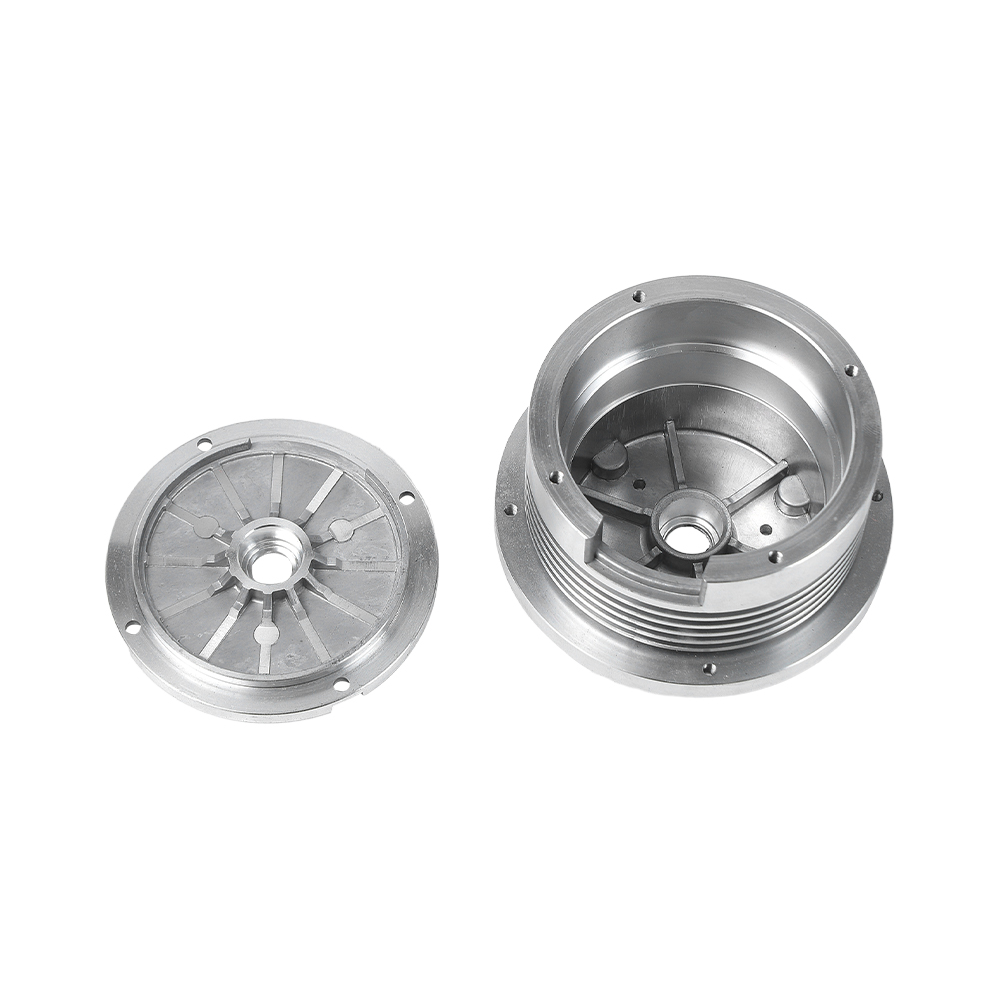
Where Aluminum Casting Molds Are Used Across Industry
Aluminum casting molds show up wherever a design needs to be lightweight, corrosion resistant, and producible in volume without machining a part from solid stock. A few sectors account for most of the demand:
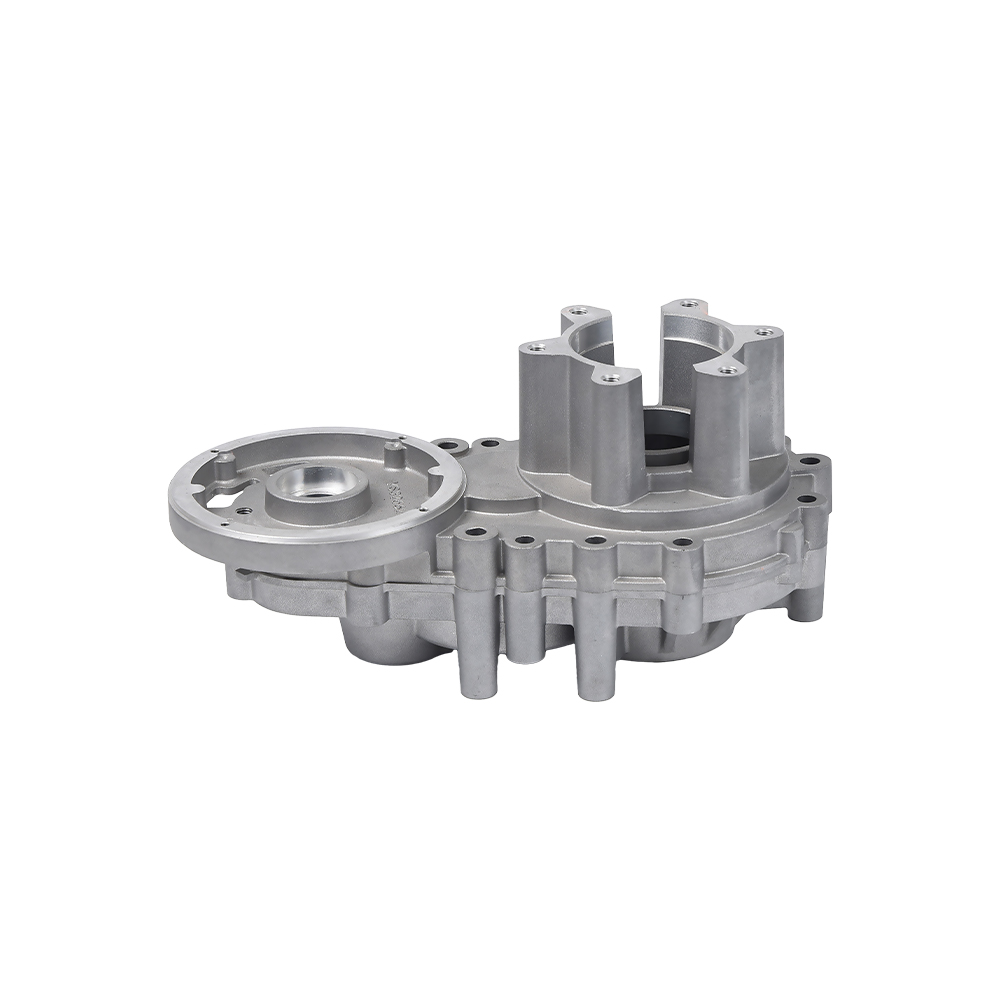
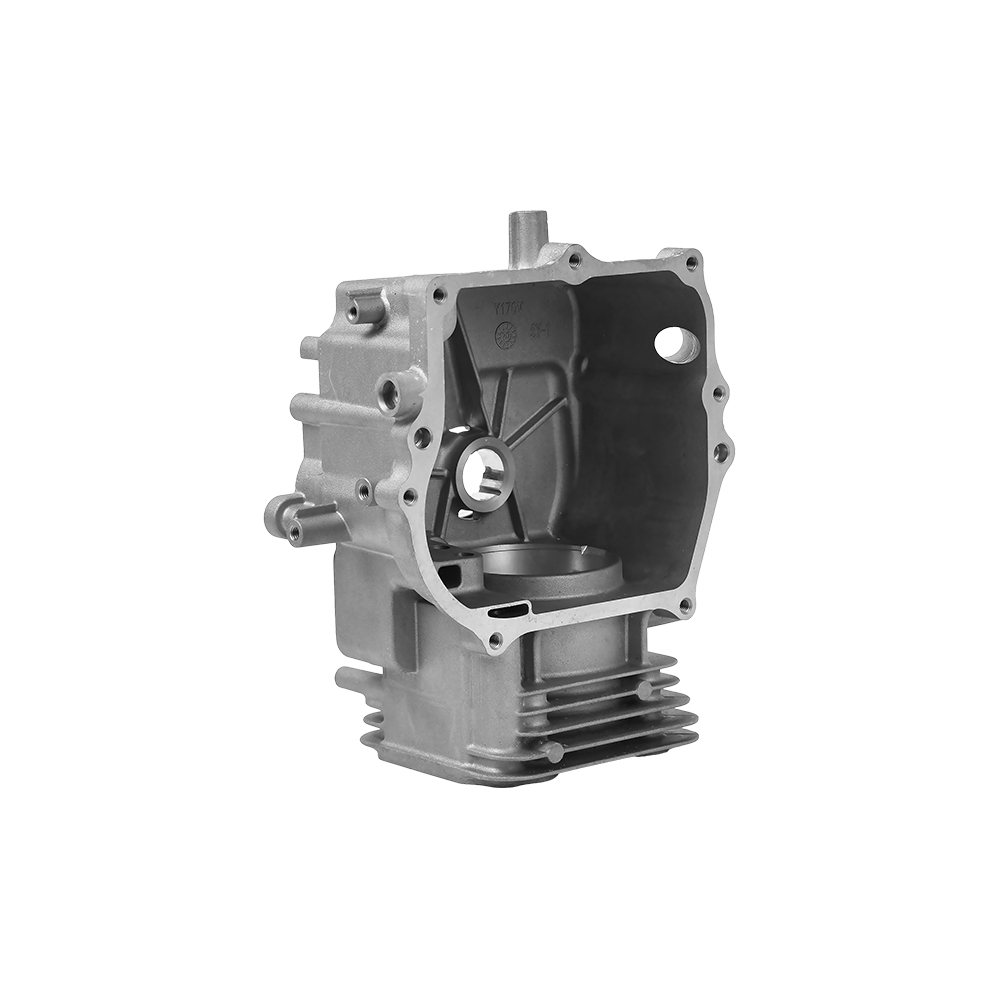
- Automotive — transmission housings, engine brackets, and structural components where weight reduction directly improves fuel efficiency.
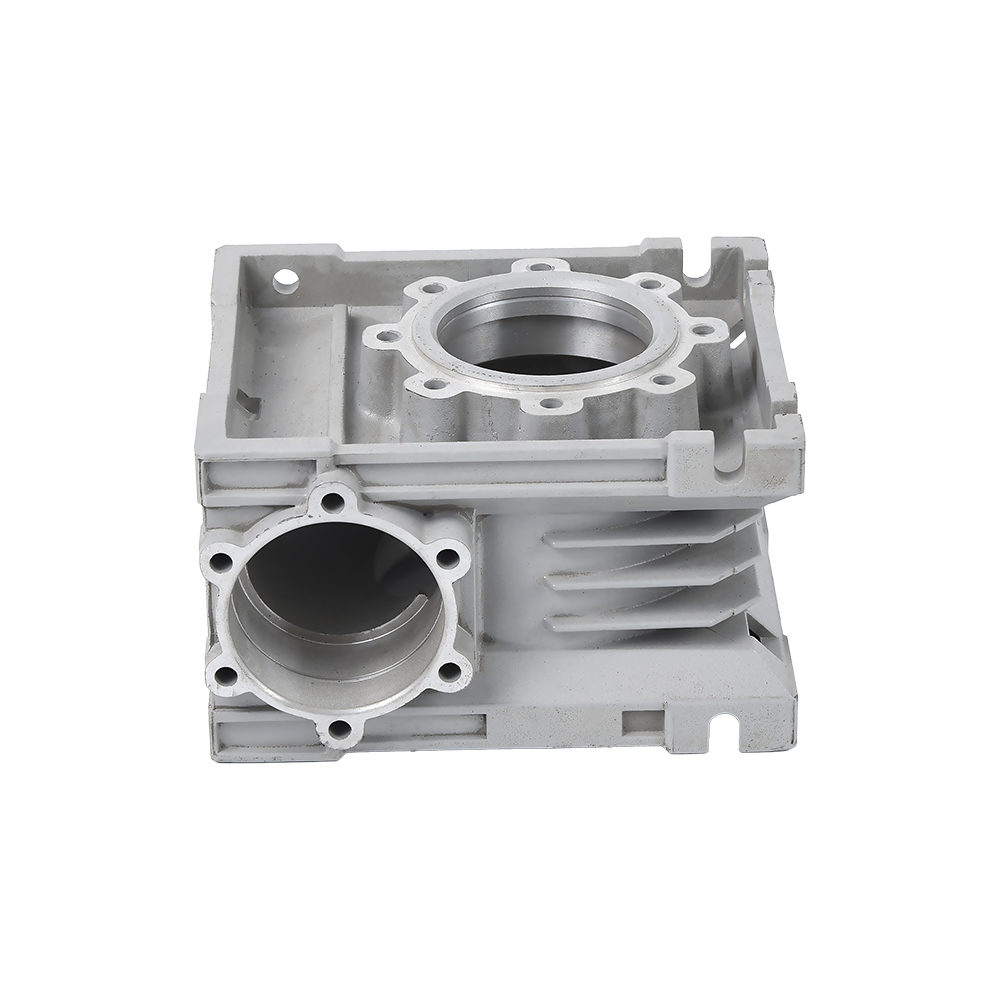
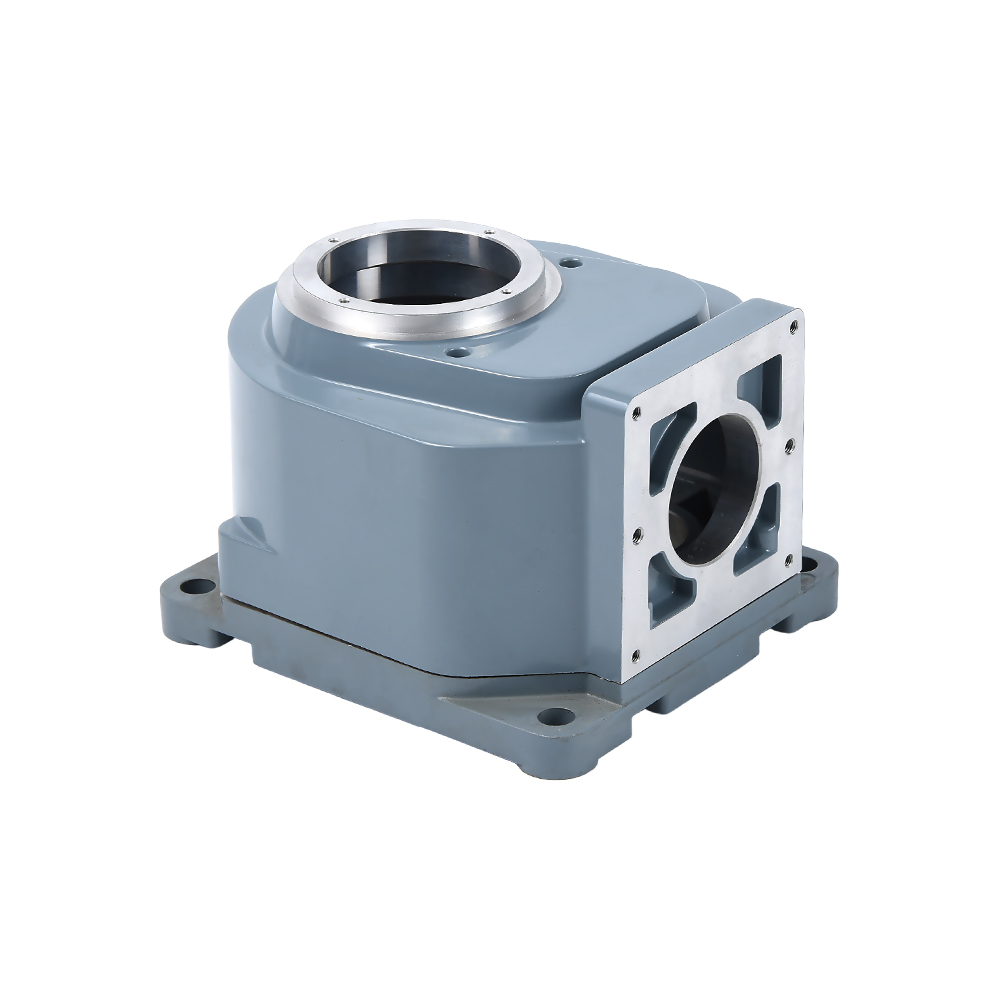
- Electric motor and drive systems — motor housings and end shields that need both thermal conductivity and a clean sealing surface.
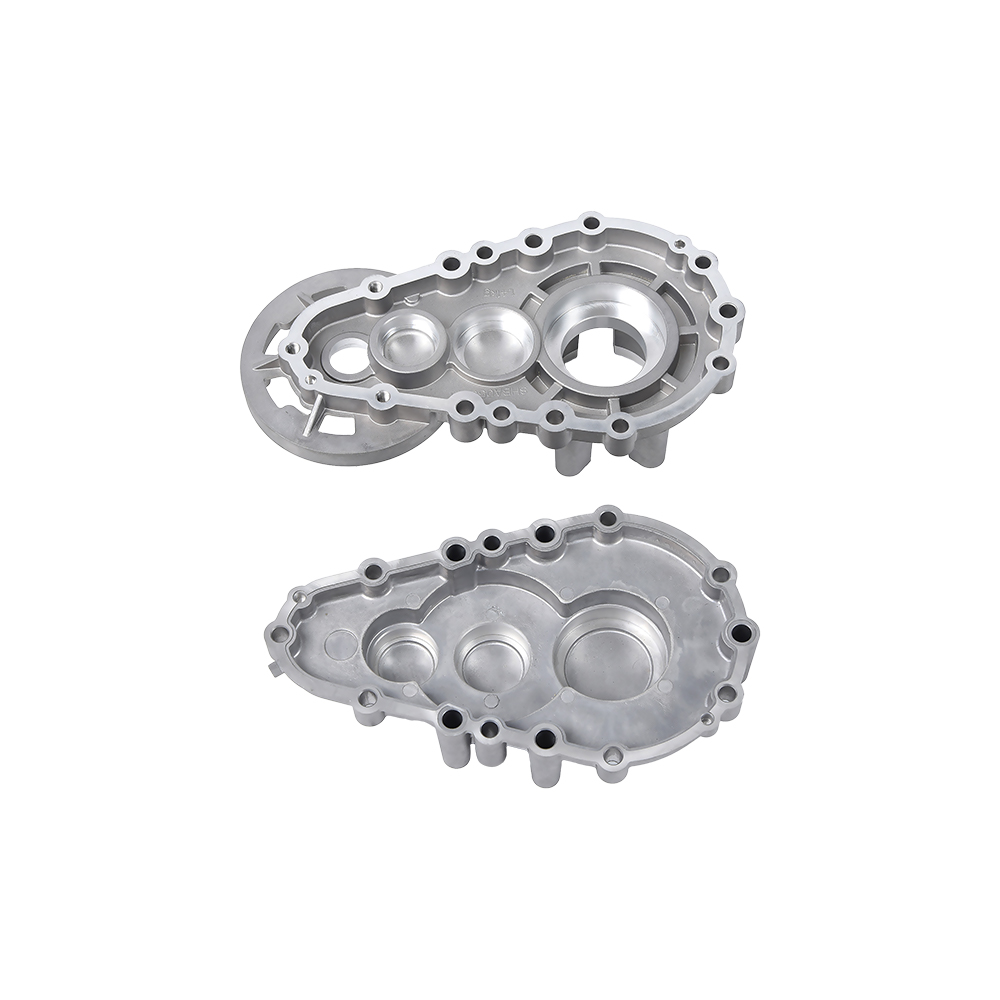
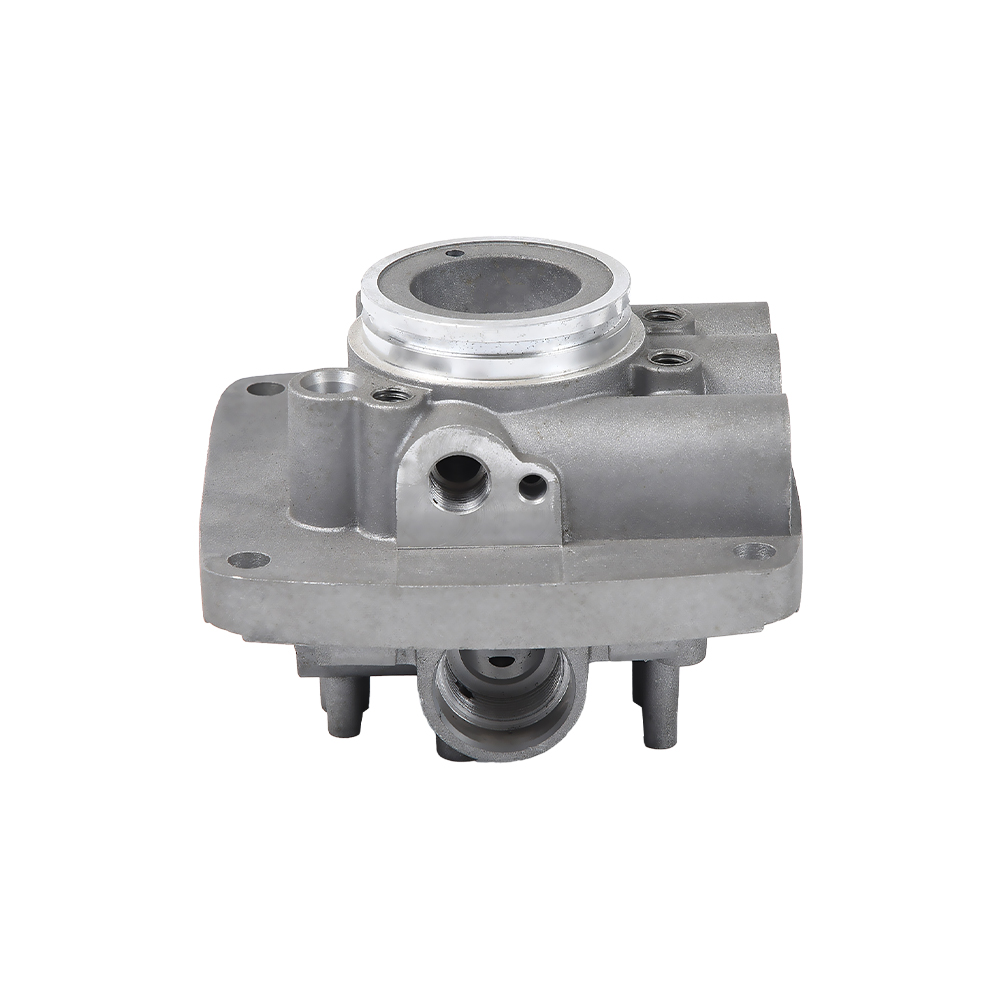
- Industrial machinery — gearbox covers, pump bodies, and valve housings that must hold internal pressure without leaking.
- Consumer electronics — enclosures and heat sinks that combine thin walls with fine surface detail.
- Outdoor and marine equipment — brackets and fittings that need corrosion resistance without the weight of steel.
- LED and lighting hardware — heat sink housings that rely on aluminum's thermal conductivity to draw heat away from the light source.
- Hardware and hand tools — housings and fittings that need a good strength-to-weight ratio in high volume.
Across these sectors, part teams at Ningbo Beilun Youyuan Machinery Manufacturing Co., Ltd generally work from a functional drawing and an expected annual volume rather than a finished mold design, since matching alloy, process, and cavity layout to the real service condition of the part is what keeps first-article samples close to final production output.
What to Check Before Committing to a Mold Supplier
Beilun District in Ningbo has been a center of die and mold manufacturing for decades, and the concentration of toolmakers, steel suppliers, and casting shops in one area shortens lead times for everything from cavity steel sourcing to trial-run modifications. That density is a practical advantage for buyers sourcing an aluminum casting mold, because design changes discovered during sampling can move from sketch to re-cut cavity in days rather than weeks.
Beyond location, several questions separate a supplier who will hand over a working mold from one who will hand over a headache:
- Can they show flow simulation or at least a clear explanation of gate and vent placement before cutting steel, rather than after the first bad trial shot?
- Do they machine and heat-treat cavities in-house, or subcontract steel work to a third party with no accountability for the finished mold?
- Will they commit to a defined shot count before major maintenance, in writing, as part of the mold quote?
- Can they cast trial samples in the actual alloy specified for production, rather than a substitute alloy that behaves differently in the cavity?
- Do they keep a maintenance log for the mold over its life, so wear trends are visible rather than anecdotal?
A supplier that answers all of these without hedging is generally one that treats the mold as a long-term production asset rather than a one-time deliverable.
Communicating Requirements Clearly at Quote Stage
The single biggest driver of an accurate mold quote and a smooth sampling process is a clear, complete part drawing paired with an honest production volume estimate. Suppliers who receive vague or incomplete information tend to quote conservatively to protect themselves, which usually shows up as a higher price and a longer lead time than a buyer who provides full dimensional tolerances, the exact alloy, and expected annual volume up front.
Frequently Asked Questions About Aluminum Casting Molds
How much does an aluminum casting mold typically cost?
Cost depends on cavity count, part size, steel grade, and complexity of slides or lifters. A simple single-cavity gravity mold can run a few thousand dollars, while a complex multi-cavity high-pressure die casting mold with side actions can run into the tens of thousands. Getting an accurate number requires a specific part drawing and target volume rather than a general estimate.
How many parts can one aluminum casting mold produce?
A properly built and maintained H13 die casting mold commonly reaches 100,000 to 300,000 shots. Gravity molds with lower thermal cycling can sometimes exceed that on simpler part geometries. Actual life depends heavily on wall thickness uniformity, cooling balance, and how consistently maintenance is performed.
What is the lead time for building a new aluminum casting mold?
Simple single-cavity molds can be built in three to five weeks. Complex multi-cavity molds with slides, lifters, and cooling inserts typically take six to ten weeks from design freeze to first trial shot, with trial and adjustment adding further time before production release.
Can one mold cast more than one aluminum alloy?
Technically yes, but it is not recommended without adjustment. Different alloys shrink at different rates during cooling, and a cavity sized for the shrinkage of ADC12 will not hold tight tolerances if A356 is poured into it. Switching alloys usually calls for revalidating critical dimensions at minimum.
Why do two suppliers quote very different prices for the same mold?
Price gaps usually come from differences in steel grade, whether cooling channels are conformal or straight-drilled, in-house versus outsourced machining, and how much flow analysis is done before cutting steel. The cheaper quote is not automatically the worse one, but it is worth confirming exactly what steel grade and maintenance commitment is included.
Is gravity casting or high-pressure die casting better for prototype runs?
Gravity casting is generally preferred for prototypes and low-volume runs because tooling cost is lower and the process tolerates minor design revisions without a full cavity rebuild. High-pressure die casting tooling is a bigger upfront investment that pays off once volume climbs into the tens of thousands of units.
How many cavities should a production mold have?
Cavity count is a balance between tooling cost, machine size, and required output. Low-volume programs usually start with a single cavity to keep tooling cost down; once annual volume climbs into the tens or hundreds of thousands, multi-cavity tooling lowers per-part cost enough to justify the higher upfront investment. A supplier can usually model the break-even volume for a given part.
What causes a mold to start producing flash after running fine for months?
Gradual flash is most often wear at the parting line surfaces from repeated clamping, sometimes combined with debris buildup that prevents the two halves from seating fully closed. Re-machining the parting surfaces flat and adding a cleaning step to the maintenance schedule usually resolves it without a full cavity rebuild.
Do textured or cosmetic surfaces wear faster than a plain polished cavity?
Fine texture and sharp cosmetic detail can wear or fill in with debris faster than a smooth polished surface, particularly near the gate where metal velocity is highest. Positioning textured or cosmetic areas away from high-turbulence fill zones, where practical, extends how long the surface holds its intended appearance.
Should a buyer request trial samples before approving a mold for mass production?
Yes, and skipping this step is one of the more expensive shortcuts a buyer can take. Trial samples confirm dimensional accuracy, surface finish, and structural soundness in the actual production alloy before the mold is signed off, catching issues that are inexpensive to fix at the trial stage and far more disruptive once mass production has started.