 LANGUAGE
  English
 русский
 Español

Content
- 1 Key Facts About Aluminum Investment Casting At A Glance
- 2 How Wax Casting Aluminum Actually Works, Step By Step
- 3 Which Aluminum Alloys Are Actually Used In Wax Casting
- 4 Mechanical Properties Of Cast Aluminum Alloys After Heat Treatment
- 5 Surface Finishing And Coating Options For Aluminum Investment Castings
- 6 Quality Control Methods Used In Aluminum Investment Casting
- 7 Material Efficiency And Recycling In Aluminum Investment Casting
- 8 Current Trends Shaping Aluminum Wax Casting Production
- 9 Questions To Ask A Supplier Before Placing An Aluminum Wax Casting Order
- 10 Wax Casting Aluminum Versus Die Casting Versus Sand Casting
- 11 Design Guidelines That Actually Affect Cost And Yield
- 12 Common Defects In Aluminum Wax Castings And How Foundries Prevent Them
- 13 Industries And Parts Where Wax Casting Aluminum Is Used
- 14 What Drives The Cost Of An Aluminum Investment Casting Quote
- 15 Frequently Asked Questions About Wax Casting Aluminum
- 15.1 Is aluminum investment casting stronger than aluminum die casting?
- 15.2 What is the minimum order quantity for aluminum wax casting?
- 15.3 Can aluminum investment castings be anodized?
- 15.4 How does wall thickness affect the price of an aluminum casting?
- 15.5 What tolerance can I expect on an as-cast aluminum investment casting?
- 15.6 Does aluminum wax casting require heat treatment?
- 15.7 What is the difference between A356 and A357 aluminum casting alloy?
- 15.8 How thin can a wall be in an aluminum investment casting?
- 15.9 Can aluminum investment castings be welded or repaired?
- 15.10 How does aluminum investment casting compare in price to CNC machining from billet?
- 15.11 What causes a rough or grainy surface on an aluminum casting?
- 15.12 Is aluminum investment casting suitable for pressure-containing parts?
- 15.13 How long does it take to get a first aluminum wax casting sample?
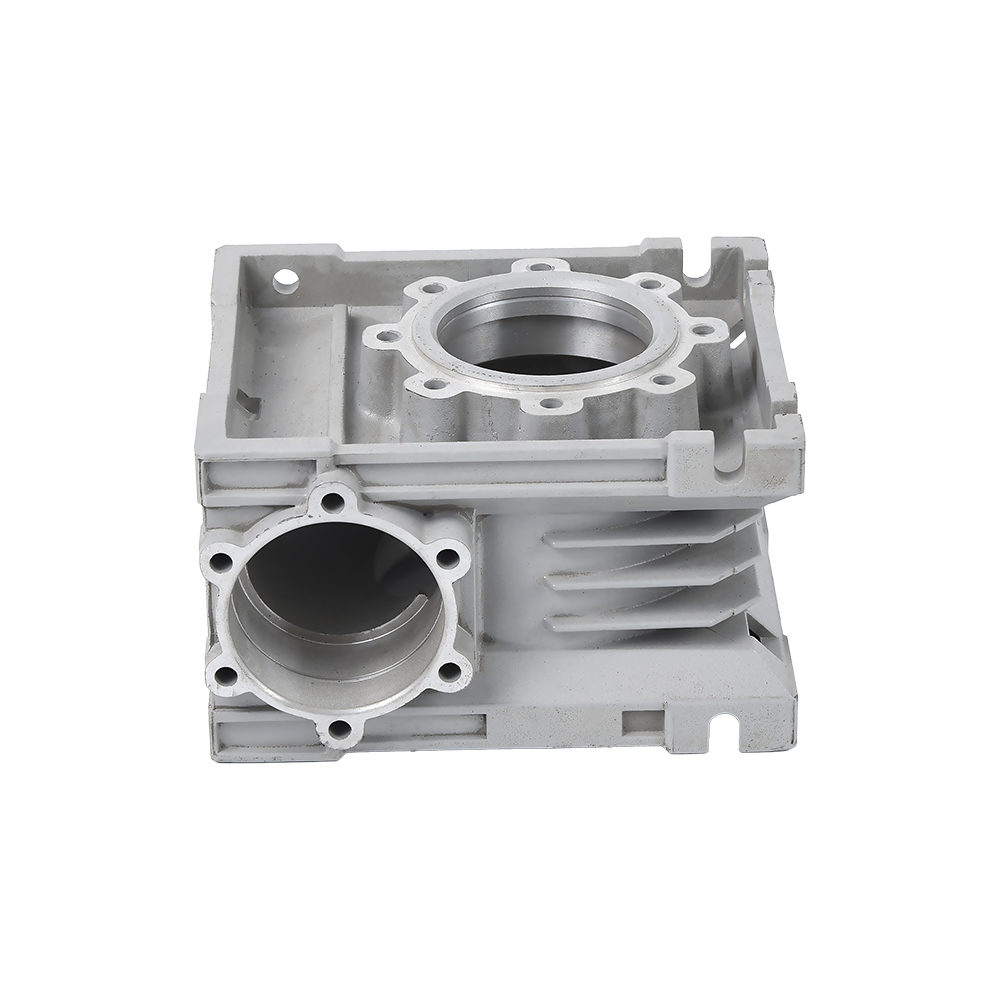
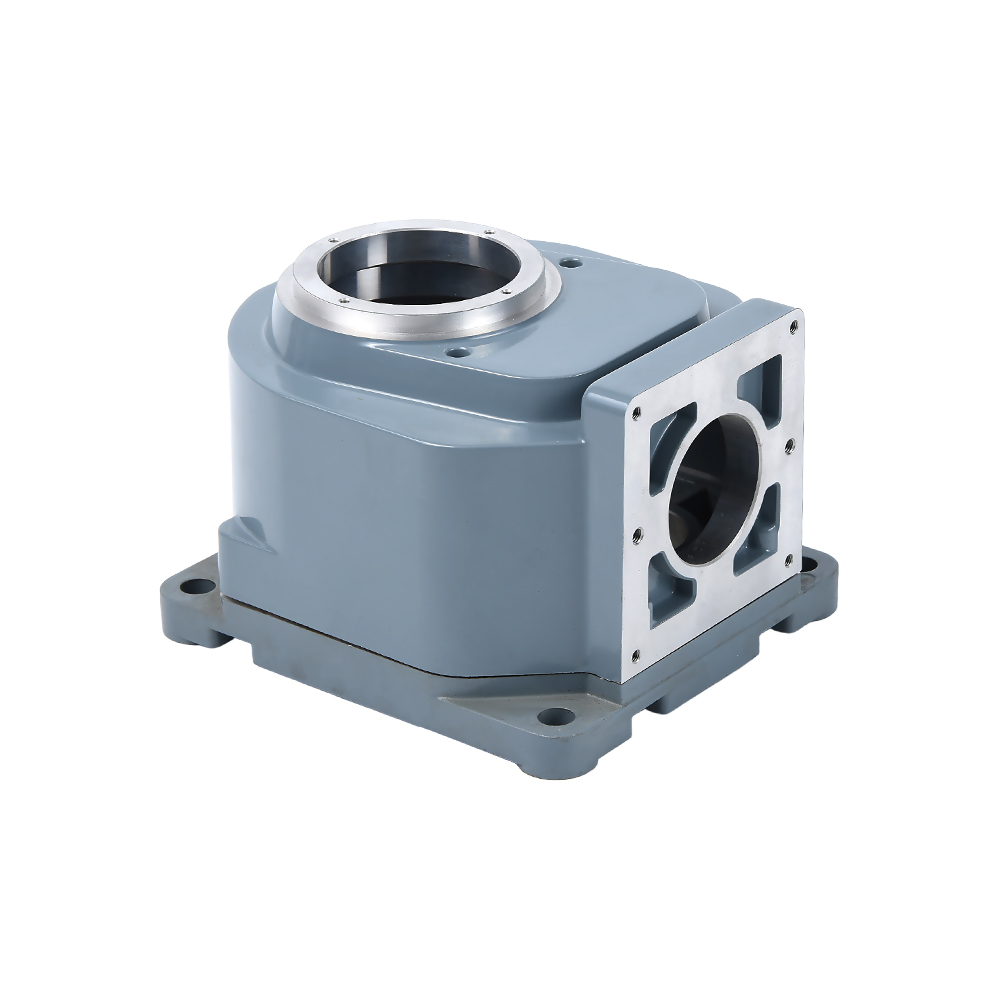
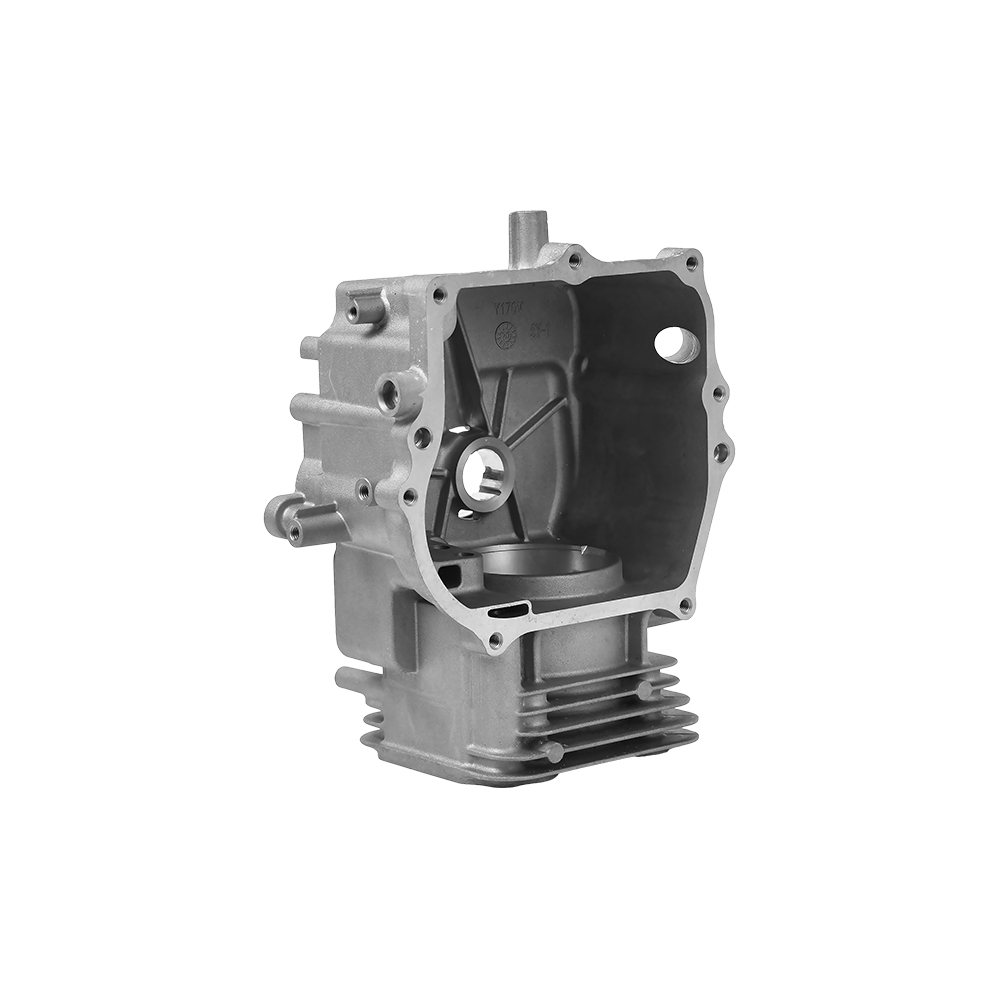
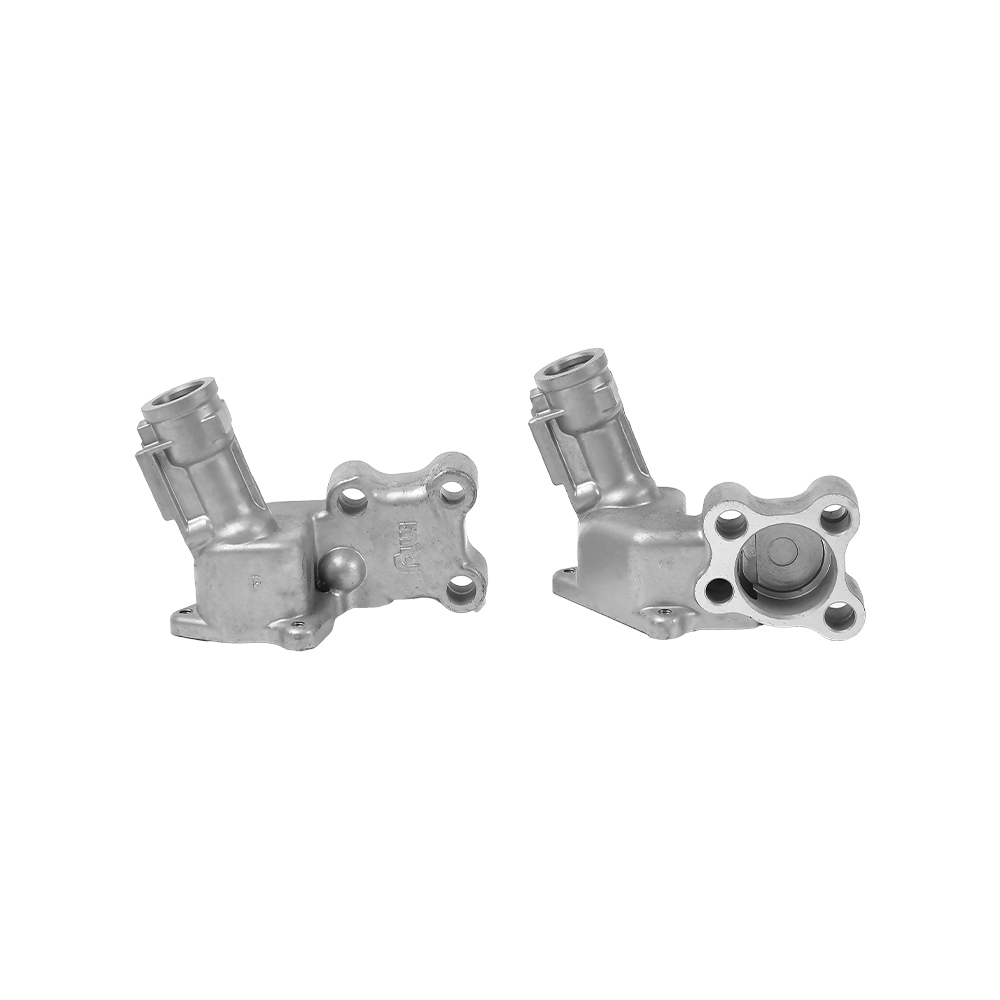
Wax casting aluminum, more precisely known as investment casting or lost-wax casting of aluminum alloys, is a manufacturing process that produces net-shape or near-net-shape aluminum parts by pouring molten aluminum into a ceramic shell built around a disposable wax pattern. The direct answer to the question most buyers ask first: yes, aluminum can be investment cast, and when the part geometry is complex, thin-walled, or requires tight dimensional tolerances without heavy secondary machining, wax casting aluminum is very often the most cost-effective route to that final component.
This guide walks through how the process actually works on a production floor, which aluminum alloys behave well in a wax pattern shell, where the process beats die casting or sand casting and where it does not, what tolerances and surface finishes are realistic, how defects show up and get prevented, and what a buyer should ask a supplier before placing a purchase order. Every section is written to be used directly, not just read.
Key Facts About Aluminum Investment Casting At A Glance
| Parameter | Typical Range | Notes |
|---|---|---|
| Part weight | 0.02 kg – 25 kg | Heavier parts possible but less common due to shell strength limits |
| Wall thickness | 1.5 mm – 50 mm | Below 1.5 mm risks incomplete fill (misrun) |
| Linear tolerance | ±0.13 mm to ±0.25 mm per 25 mm | Tighter than sand casting, looser than CNC machining |
| Surface roughness (as-cast) | Ra 1.6 – 3.2 micrometers | Comparable to die casting, better than sand casting |
| Pouring temperature | 680 degrees C – 760 degrees C | Alloy dependent; A356 typically poured near 705 degrees C |
| Shell preheat temperature | 150 degrees C – 550 degrees C | Higher preheat improves fill of thin sections |
| Typical lead time (tooling plus first article) | 4 – 8 weeks | Rapid tooling or 3D printed patterns can shorten this to 1-2 weeks |
How Wax Casting Aluminum Actually Works, Step By Step
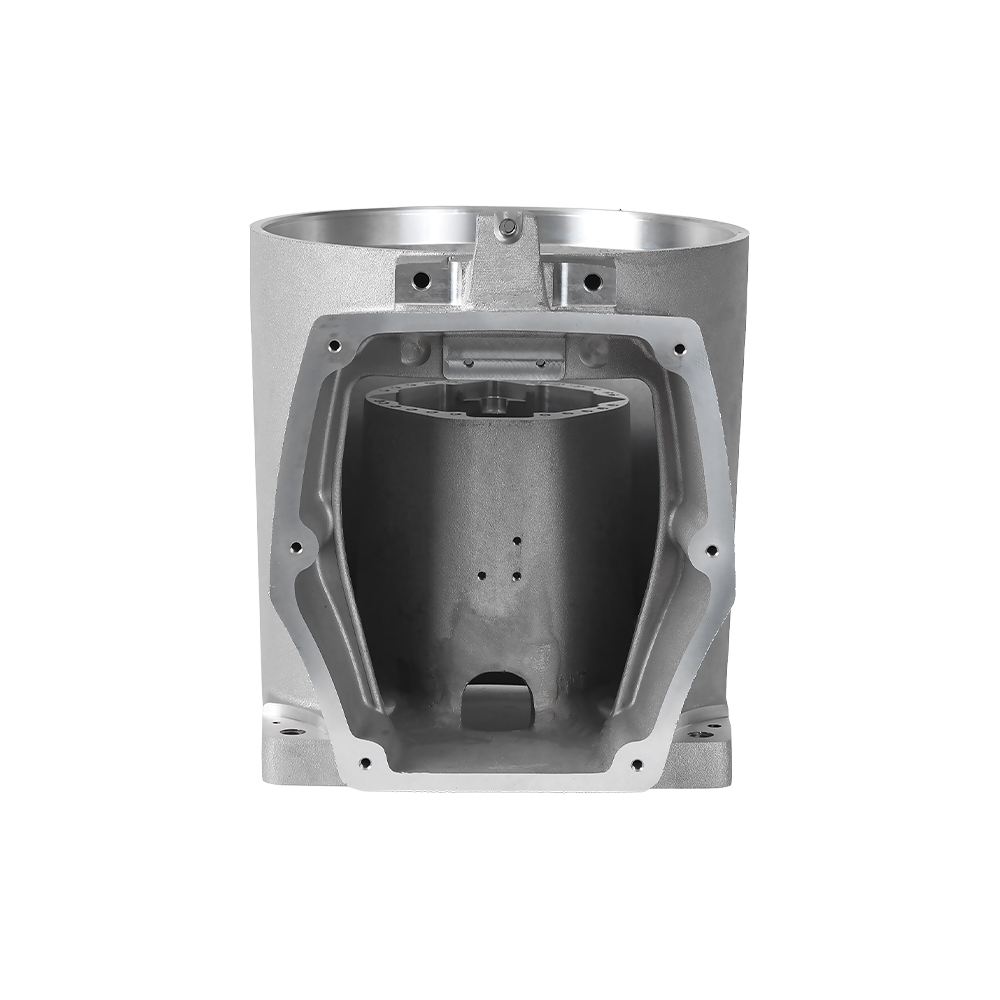
The investment casting process for aluminum follows the same underlying logic used for steel or copper alloy investment castings, but the pouring temperatures, gating design, and shell composition are adjusted because aluminum behaves differently in a ceramic mold than ferrous metals do. Below is the sequence a part actually goes through from a 3D file to a finished aluminum casting.
Step 1: Tooling And Wax Pattern Injection
A hardened tool steel or aluminum die is machined to the shape of the part, oversized slightly to account for shrinkage of both the wax and the aluminum. Molten wax, typically a blend of paraffin and natural resins, is injected into this die under low pressure and cooled until it solidifies into a wax replica of the final part. For short production runs or prototypes, the wax pattern is increasingly produced through direct 3D printing of a castable wax-like resin, which removes the tooling step entirely and shortens lead time significantly.
Step 2: Assembling The Wax Tree
Multiple wax patterns are attached to a central wax sprue, forming what foundries call a tree or cluster. Gating and runner design at this stage determines how evenly the molten aluminum will fill each cavity, and poor gating is one of the most common root causes of porosity and misruns later in the process.
Step 3: Building The Ceramic Shell
The wax tree is dipped repeatedly into a ceramic slurry and then coated with fine to coarse refractory sand, building up layer by layer with drying time between each dip. A typical shell for aluminum casting requires 5 to 9 layers, fewer than the 8 to 12 layers common for steel castings, since aluminum's lower pouring temperature places less thermal stress on the shell.
Step 4: Dewaxing
The shell, now fully hardened, is placed into a steam autoclave or flash-fired oven where the wax inside melts out and is recovered for reuse. This step is why the process is called lost-wax casting; the wax pattern is sacrificed so that its exact negative shape remains inside the ceramic shell.
Step 5: Shell Firing And Preheating
The empty ceramic shell is fired at high temperature to burn off residual wax and moisture, then preheated immediately before pouring. Preheat temperature is a critical lever for aluminum: because aluminum solidifies quickly compared to iron or steel, a shell that is too cold will cause premature freezing before thin sections fill completely.
Step 6: Pouring
Molten aluminum, usually alloy A356, A357, 355, or 713, is poured into the preheated shell either by gravity or with the assistance of vacuum or centrifugal force to help fill thin walls and intricate detail. Vacuum-assisted pouring is common specifically for aluminum because the metal is prone to oxide film formation and gas entrapment, and a controlled atmosphere reduces both.
Step 7: Shell Removal And Cutoff
Once cooled, the ceramic shell is broken away using vibration, water blasting, or mechanical knockout, revealing the aluminum tree. Individual parts are then cut from the sprue using a band saw or abrasive cutoff wheel.
Step 8: Finishing Operations
Gates are ground flush, parts are heat treated if the alloy and application require it, and a final inspection checks dimensions against the drawing. Common finishing steps for aluminum investment castings include T6 heat treatment, bead blasting, chemical conversion coating, anodizing, or powder coating depending on the end use.
Which Aluminum Alloys Are Actually Used In Wax Casting
Not every aluminum alloy is a good candidate for investment casting. Casting alloys are formulated with silicon content specifically to improve fluidity, since molten aluminum needs to travel through thin ceramic shell passages before it solidifies. The table below lists the alloys that show up most often in real production quotes.
| Alloy | Key Composition | Typical Use Case |
|---|---|---|
| A356.0 | Al-7Si-0.3Mg | Aerospace brackets, structural housings, general precision parts |
| A357.0 | Al-7Si-0.5Mg (higher purity than A356) | Aerospace and defense parts requiring higher strength after T6 treatment |
| 355.0 | Al-5Si-1.3Cu-0.5Mg | Pump housings, hydraulic components needing moderate strength |
| 713.0 | Al-7.5Zn-0.7Cu | Parts requiring casting without heat treatment, marine hardware |
| 354.0 | Al-9Si-1.8Cu-0.5Mg | High-strength aerospace and motorsport components |
Among these, A356 remains the default choice for the majority of commercial aluminum investment castings because it balances castability, mechanical properties after heat treatment, and cost. Buyers who need weight savings over cast iron or steel investment castings, but still need the dimensional precision of the investment process, typically start their alloy conversation with A356 before considering the higher-performance options above.
Mechanical Properties Of Cast Aluminum Alloys After Heat Treatment
A drawing tolerance is only half of what a buyer needs to know before approving a casting alloy; the other half is what that alloy can actually carry in service once it has gone through its heat treatment cycle. Investment casting foundries generally report properties in two conditions, as-cast (F temper) and heat treated (T6 temper), and the difference between the two is large enough that specifying the wrong temper on a drawing is one of the most common causes of a part failing in the field despite being dimensionally correct.
| Alloy / Temper | Tensile Strength | Yield Strength | Elongation | Brinell Hardness |
|---|---|---|---|---|
| A356-T6 | 228 MPa | 165 MPa | 3.5 percent | 75 HB |
| A357-T6 | 317 MPa | 248 MPa | 5 percent | 95 HB |
| 355-T6 | 241 MPa | 172 MPa | 2 percent | 80 HB |
| 713-F (as-cast) | 207 MPa | 145 MPa | 3 percent | 70 HB |
| 354-T6 | 310 MPa | 260 MPa | 2 percent | 100 HB |
These figures are representative values drawn from long-standing aluminum association casting alloy data sheets used across the industry; individual foundry results will vary somewhat depending on melt cleanliness, cooling rate through the section, and the specific aging schedule used during T6 treatment. A357, which contains tighter controls on iron and beryllium additions compared to A356, is the alloy of choice whenever a project needs the highest strength-to-weight ratio available from a standard investment casting alloy.
Fatigue performance is often the property that actually decides an alloy choice for rotating or vibrating components. A356 and A357 both perform well in fatigue relative to die cast aluminum because the investment casting process, combined with hot isostatic pressing when specified, closes internal porosity that would otherwise act as a crack initiation site under cyclic loading. For parts that see genuine fatigue cycling in service, such as suspension components or rotating housings, it is worth discussing hot isostatic pressing with the foundry even though it adds cost, because the resulting fatigue life improvement is frequently substantial.
Surface Finishing And Coating Options For Aluminum Investment Castings
The as-cast surface of an aluminum investment casting is already smoother than a die casting or sand casting straight out of the shell, but most commercial applications still call for a secondary surface treatment, either for corrosion protection, cosmetic appearance, or to prepare the surface for assembly with other components.
Bead Blasting And Vibratory Finishing
The most common first step after gate removal is bead blasting with glass or aluminum oxide media, which produces a uniform matte texture and removes any remaining shell residue from the surface. For parts produced in bulk on a tree, vibratory tumbling with ceramic media is often used instead, which is more economical per piece but less controllable on complex internal geometry.
Chemical Conversion Coating
A chromate or non-chromate conversion coating is applied to improve corrosion resistance and provide a base layer for subsequent painting. This is common on aerospace and defense parts where the casting will later be painted or where bare corrosion resistance in a mild environment is required.
Anodizing
Type II sulfuric acid anodizing and Type III hardcoat anodizing are both used on cast aluminum parts, though foundries generally recommend keeping silicon content and porosity in mind, since higher-silicon casting alloys such as A356 anodize to a slightly duller, more gray finish than wrought aluminum alloys do. Hardcoat anodizing adds meaningful wear resistance to a casting's surface and is frequently specified for parts that see sliding contact in service.
Powder Coating And Wet Paint
For parts where cosmetic color matters more than base corrosion resistance from the aluminum oxide layer itself, powder coating over a conversion coating gives a durable, uniform finish in essentially any color, and is common on consumer-facing housings and outdoor equipment components.
Machining After Casting
Any surface that mates with another part, seals against a gasket, or carries a threaded hole is typically left with extra stock in the wax pattern and finished on a CNC mill or lathe after casting. Specifying only the surfaces that truly require machining, rather than machining the entire part, is one of the simplest ways to keep total unit cost down while still hitting functional tolerances where they matter.
Quality Control Methods Used In Aluminum Investment Casting
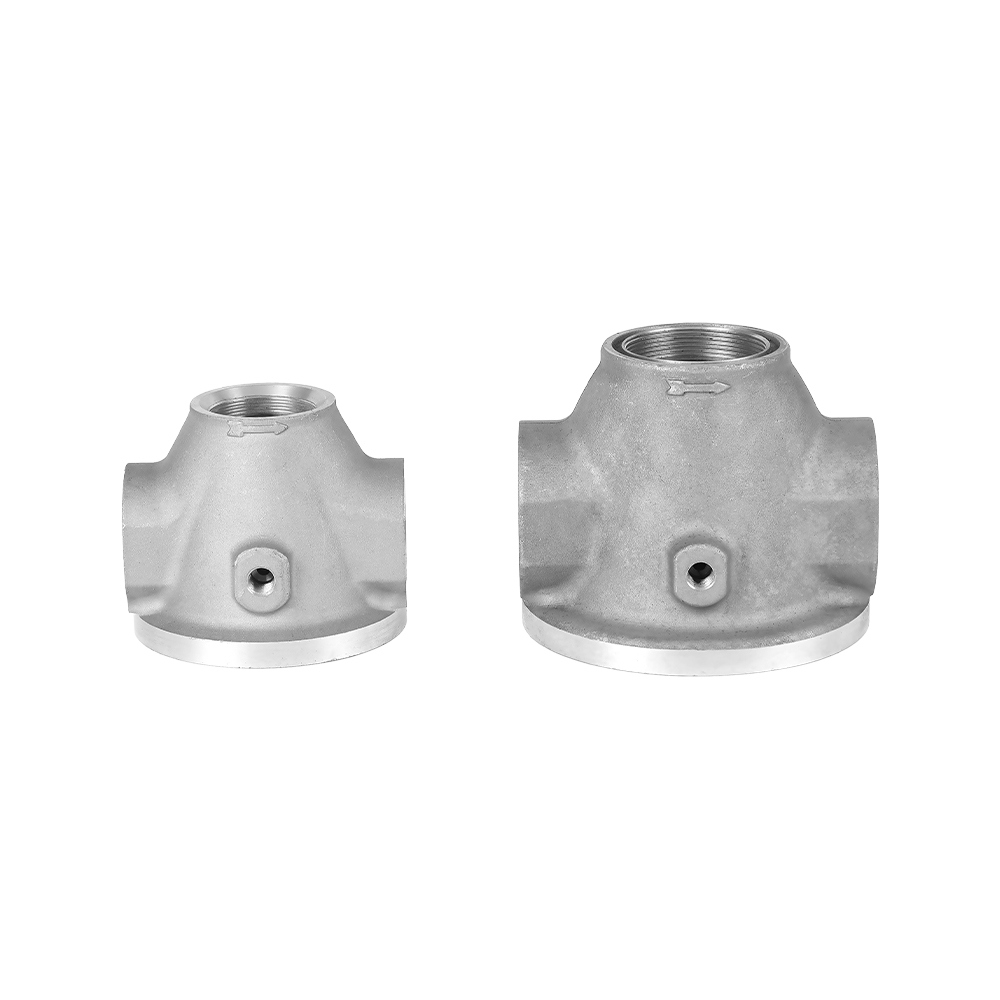
Because internal soundness cannot be judged from the outside of a casting, foundries rely on a combination of inspection methods layered across the production process rather than a single final check.
| Inspection Method | What It Detects | When It Is Used |
|---|---|---|
| Visual and dimensional check | Surface defects, flash, dimensional deviation | Every production batch |
| X-ray radiography | Internal porosity, shrinkage, inclusions | Critical or safety-related components |
| Dye penetrant inspection | Surface-breaking cracks | Parts with fatigue or pressure requirements |
| Pressure or leak testing | Through-wall porosity affecting sealing | Hydraulic and pneumatic housings |
| Coordinate measuring machine check | Precise geometric dimensioning | First article inspection and periodic audits |
| Chemical composition verification | Confirms the alloy matches the specification | Incoming raw material and periodic melt checks |
A useful habit for any buyer sourcing aluminum investment castings for the first time is to request a first article inspection report alongside the initial shipment. This report ties actual measured dimensions on real parts back to the drawing, and it is the fastest way to catch a tooling or shrinkage allowance problem before it becomes a full production run of out-of-tolerance parts.
Material Efficiency And Recycling In Aluminum Investment Casting
Aluminum is one of the most recycled industrial metals in the world, and the investment casting process supports that cycle directly at the foundry level. Sprues, runners, risers, and rejected parts are collected, cleaned, and remelted back into the furnace charge, and recycled aluminum requires roughly a fraction of the energy needed to produce primary aluminum from bauxite ore, which keeps the overall energy footprint of a cast aluminum part lower than many buyers initially assume.
The ceramic shell material itself, once broken away from the casting, can in many facilities be crushed and reused as aggregate or reclaimed for slurry stucco in future shells, further reducing the volume of process waste that leaves the foundry. Wax is recovered during the dewaxing step in a steam autoclave and is filtered and reused for future pattern injection, so very little of the original pattern material is actually consumed as waste per part produced. For buyers evaluating suppliers on sustainability grounds, asking directly what percentage of shell material and wax is reclaimed on site is a more concrete question than asking about general environmental policy.
Current Trends Shaping Aluminum Wax Casting Production
- Direct 3D printing of castable wax and PMMA-based resin patterns is replacing hard tooling for prototype and low-volume orders, cutting pattern lead time from weeks to days.
- Solidification simulation software is now used routinely before a tool is cut, predicting shrinkage porosity locations and letting engineers adjust gating on the computer rather than after a failed first article.
- Vacuum-assisted and counter-gravity pouring methods are seeing wider adoption specifically for aluminum because they reduce the oxide film entrainment that is the leading cause of aluminum-specific casting defects.
- Lightweighting programs in the automotive and aerospace sectors continue to push more components from steel and cast iron toward aluminum investment casting as designers look for parts that keep complex geometry while cutting mass.
- Hot isostatic pressing, once reserved almost exclusively for aerospace-critical parts, is becoming more accessible in price for mid-volume industrial orders that need porosity-free castings for fatigue-critical applications.
Questions To Ask A Supplier Before Placing An Aluminum Wax Casting Order
A short list of direct questions during the quoting stage prevents most of the sourcing problems that show up later in the program.
- Which specific alloy do you recommend for this application, and why that one over the alternatives.
- What wall thickness range have you actually produced successfully at this size and geometry, not just what the process is theoretically capable of.
- Will the part require heat treatment, and how does that affect lead time and price.
- What inspection methods are included in the standard quote versus offered as an added cost option.
- How many pieces fit on a single wax tree for this part, and does that number change the quoted unit price at different order quantities.
- What is the expected scrap or rejection rate for a part of this geometry, and how is that rate typically handled commercially.
- Can you provide a first article inspection report with dimensional data tied to the drawing before full production ships.
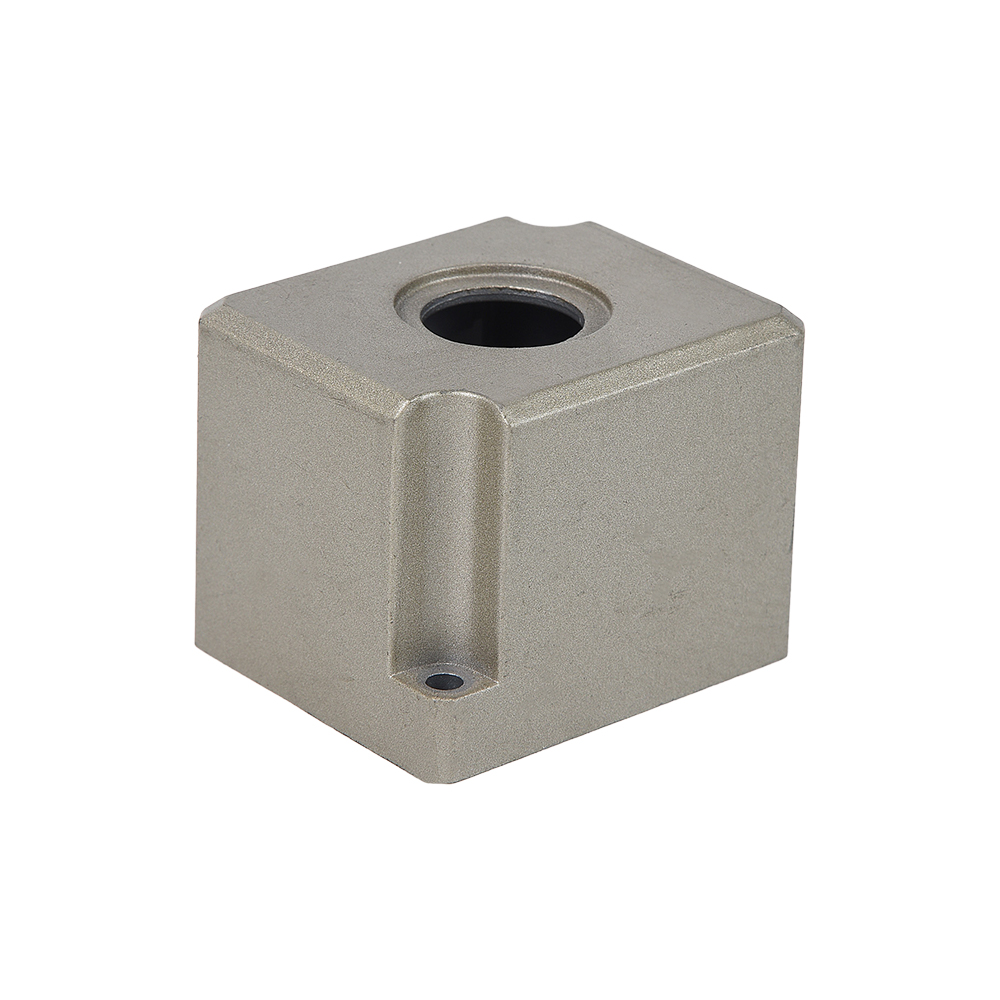
Wax Casting Aluminum Versus Die Casting Versus Sand Casting
The most common decision point for a buyer is not whether to use aluminum, but which casting process to use for that aluminum part. Each process has a genuinely different cost and capability profile, and choosing the wrong one is the most frequent sourcing mistake in this category.
| Factor | Investment (Wax) Casting | Die Casting | Sand Casting |
|---|---|---|---|
| Tooling cost | Moderate | High | Low |
| Best production volume | 50 – 10,000 pieces | 5,000+ pieces | 1 – 500 pieces |
| Dimensional accuracy | High | Very high | Low to moderate |
| Minimum wall thickness | 1.5 mm | 0.5 mm | 4 mm |
| Internal soundness | Good | Prone to gas porosity | Moderate |
| Design complexity supported | Very high, including internal passages | High, but limited by die pull direction | Moderate |
| Typical lead time for new part | 4 – 8 weeks | 10 – 16 weeks | 3 – 6 weeks |
For a part that needs die-cast-like precision but a production volume too low to justify a hardened die casting die, wax casting aluminum sits in the gap between the two other processes and is frequently the better economic choice for prototype-to-mid-volume runs.
Design Guidelines That Actually Affect Cost And Yield
Foundries quote every aluminum investment casting job based on a handful of geometric factors. Getting these right at the drawing stage avoids costly redesign after tooling is already cut.
- Keep wall thickness as uniform as possible; a sudden jump from 3 mm to 12 mm creates a hot spot that shrinks unevenly and often forms internal porosity right at the transition.
- Add fillets at every internal corner; sharp internal angles concentrate stress in the ceramic shell during cooling and are a common source of shell cracking that shows up as a fin or flash on the casting.
- Avoid isolated heavy bosses that are not fed by a riser; these solidify last and pull material from the surrounding wall, leaving shrinkage porosity exactly where a bolt hole is later drilled.
- Specify only the tolerances that the function actually needs; every tolerance tighter than the process default of about plus or minus 0.005 inch per inch adds inspection cost and rejection risk.
- Group machining stock only on surfaces that truly need a finished dimension, since as-cast surfaces are both cheaper and, for this alloy family, cosmetically acceptable for most industrial uses.
Common Defects In Aluminum Wax Castings And How Foundries Prevent Them
Gas Porosity
Aluminum absorbs hydrogen readily while molten, and if that hydrogen is not removed before pouring, it comes out of solution as the metal cools and forms rounded internal voids. Degassing the melt with an inert gas such as nitrogen or argon, combined with a clean, dry charge material, is the standard prevention method.
Shrinkage Porosity
Unlike gas porosity, shrinkage porosity is irregular in shape and occurs at the last area of a section to solidify. Proper riser placement and controlled directional solidification, engineered into the gating system before the wax tree is even built, is the primary defense.
Misrun And Cold Shut
These occur when the molten aluminum begins to solidify before it completely fills a thin section, leaving an incomplete casting or a visible seam where two metal fronts met but did not fully fuse. Raising shell preheat temperature and pouring temperature, or widening the gate at that location, resolves most cases.
Inclusions
Small particles of oxide film or refractory shell material can become trapped in the casting. Filtration of the metal stream through a ceramic foam filter placed in the gating system is now standard practice at most aluminum investment foundries to catch these before they reach the mold cavity.
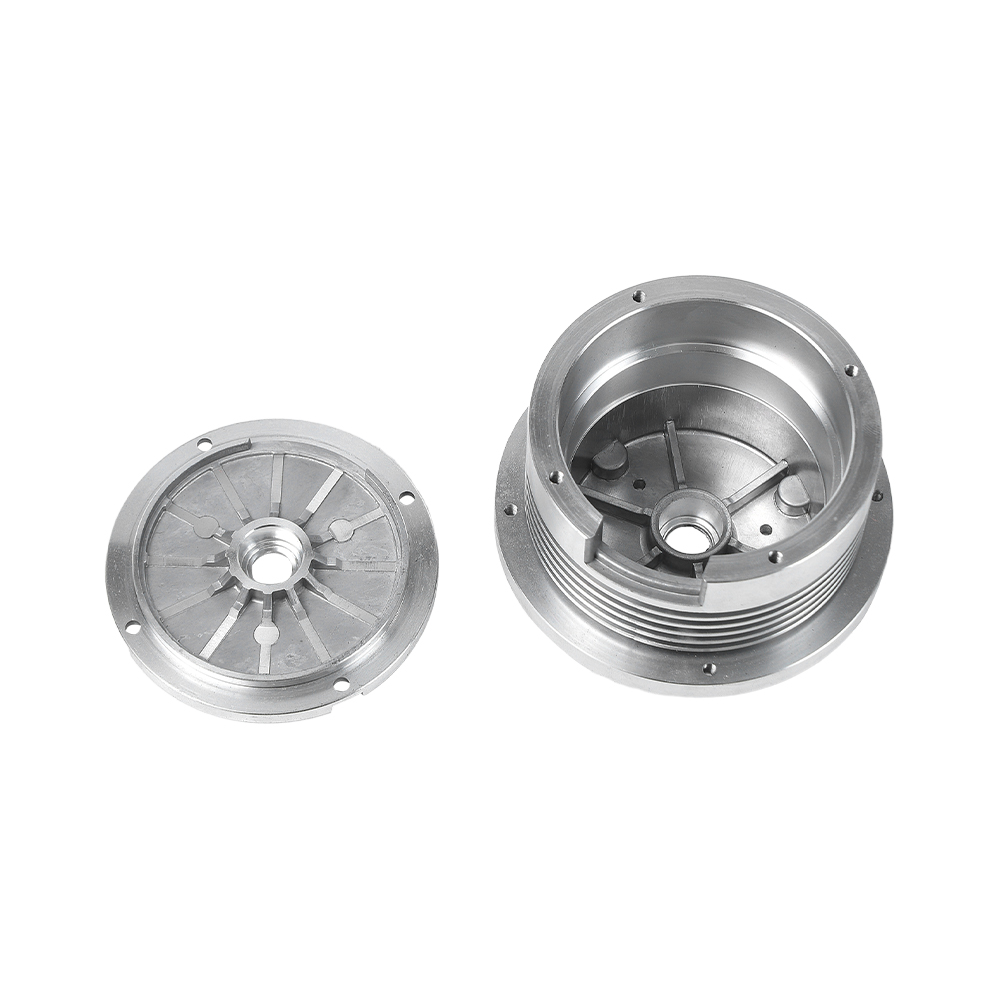
Industries And Parts Where Wax Casting Aluminum Is Used
| Industry | Typical Components |
|---|---|
| Aerospace | Bracket assemblies, actuator housings, hydraulic manifold bodies |
| Automotive and motorsport | Turbocharger housings, brake components, suspension knuckles |
| Firearms and defense | Lower receivers, optic mounts, trigger housings |
| Medical equipment | Imaging equipment housings, surgical instrument handles |
| Marine hardware | Cleats, winch housings, pump bodies |
| Industrial equipment | Valve bodies, pump impellers, gearbox covers |
What Drives The Cost Of An Aluminum Investment Casting Quote
Buyers requesting quotes are often surprised that two visually similar parts can differ in price by 30 percent or more. The following factors explain most of that spread.
- Part volume and yield: the ratio of usable metal in the finished part versus the total metal poured into the tree, including sprues and risers that are later scrapped and remelted.
- Number of parts per wax tree: more cavities per tree reduces per-piece labor for shell building, dewaxing, and pouring.
- Machining stock and secondary operations: any surface requiring CNC finishing after casting adds a fixed cost regardless of casting complexity.
- Heat treatment requirement: T6 treatment adds a furnace cycle and typically 3 to 5 days to lead time.
- Inspection level: parts requiring x-ray or dye penetrant inspection for internal soundness carry an added per-piece inspection charge.
Frequently Asked Questions About Wax Casting Aluminum
Is aluminum investment casting stronger than aluminum die casting?
Strength depends more on alloy and heat treatment than on the casting process itself, but investment castings generally have lower gas porosity than die castings, which improves fatigue resistance and allows for heat treatment that die castings often cannot undergo without blistering.
What is the minimum order quantity for aluminum wax casting?
Most foundries accept orders starting around 25 to 50 pieces for a new tool, though single prototype pieces are increasingly available using 3D printed wax-substitute patterns that skip hard tooling entirely.
Can aluminum investment castings be anodized?
Yes, A356 and A357 both anodize well after proper surface preparation, and anodizing is a common finish for aerospace and consumer-facing aluminum investment castings.
How does wall thickness affect the price of an aluminum casting?
Thinner walls require higher shell preheat and pouring temperatures and carry higher scrap risk from misruns, so very thin sections below 2 mm typically raise the unit price even though they use less metal.
What tolerance can I expect on an as-cast aluminum investment casting?
A realistic default is plus or minus 0.13 mm to 0.25 mm per 25 mm of dimension, with tighter tolerances achievable on specific critical features through secondary machining.
Does aluminum wax casting require heat treatment?
Not always. Alloys like 713.0 are used specifically because they reach acceptable strength in the as-cast condition, but A356 and A357 typically go through a T6 solution and aging treatment to reach their full mechanical properties.
What is the difference between A356 and A357 aluminum casting alloy?
A357 contains tighter compositional controls, including a small beryllium addition and lower allowable iron content, which together produce higher tensile and yield strength after T6 treatment compared to A356. A357 typically costs more per kilogram of raw material, so it is usually reserved for applications where the added strength justifies that premium.
How thin can a wall be in an aluminum investment casting?
Most foundries can reliably hold walls down to about 1.5 mm with standard gravity pouring, and specialized vacuum or centrifugal assisted pouring can push that thinner in limited areas, though a consistent thin wall across a large surface area increases the risk of misrun regardless of pouring method.
Can aluminum investment castings be welded or repaired?
Minor cosmetic defects can sometimes be repaired with TIG welding using filler rod matched to the base alloy, though repair welding on load-bearing or pressure-critical areas is generally avoided in favor of scrapping the part, since a weld repair changes the local microstructure and can introduce new stress concentrations.
How does aluminum investment casting compare in price to CNC machining from billet?
For simple geometry in low quantities, machining from billet is often cheaper because there is no tooling cost, but as part complexity increases or order quantity rises past roughly 50 to 100 pieces, investment casting typically becomes the lower total cost option since it removes most of the material that machining would otherwise cut away as scrap.
What causes a rough or grainy surface on an aluminum casting?
A grainy as-cast surface is usually the result of coarse stucco sand used in the outer shell layers or a shell that was not fully cured before pouring; requesting a finer face coat slurry on cosmetic surfaces during the quoting stage typically resolves this.
Is aluminum investment casting suitable for pressure-containing parts?
Yes, provided the casting is properly designed for directional solidification and, where needed, verified through x-ray or pressure testing, aluminum investment castings are routinely used for hydraulic manifolds and pump housings that must hold internal pressure without leaking.
How long does it take to get a first aluminum wax casting sample?
Using a 3D printed wax-substitute pattern instead of hard tooling, a first sample can often be produced in 1 to 2 weeks; with conventional injection tooling, allow 4 to 6 weeks for tool build before the first shell is even poured.