 LANGUAGE
  English
 русский
 Español

Content
The Role of Permanent Molds in Die Casting
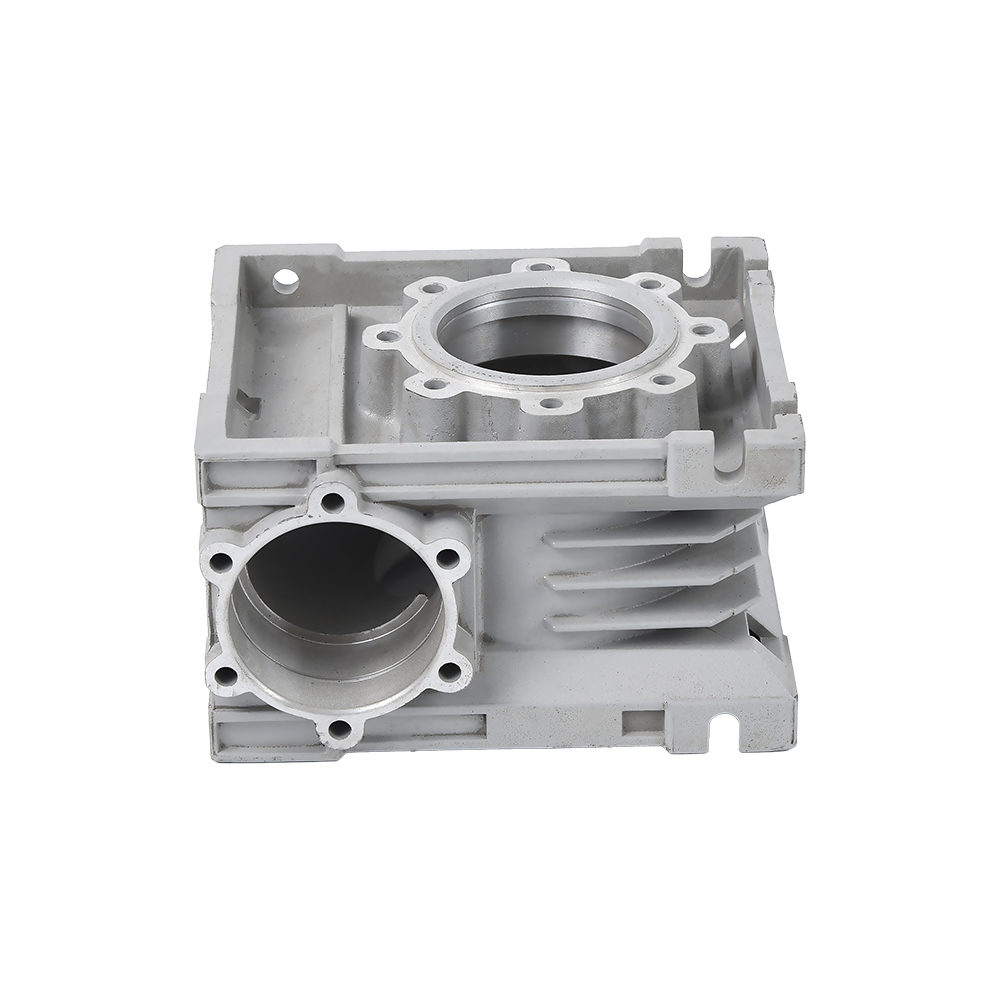
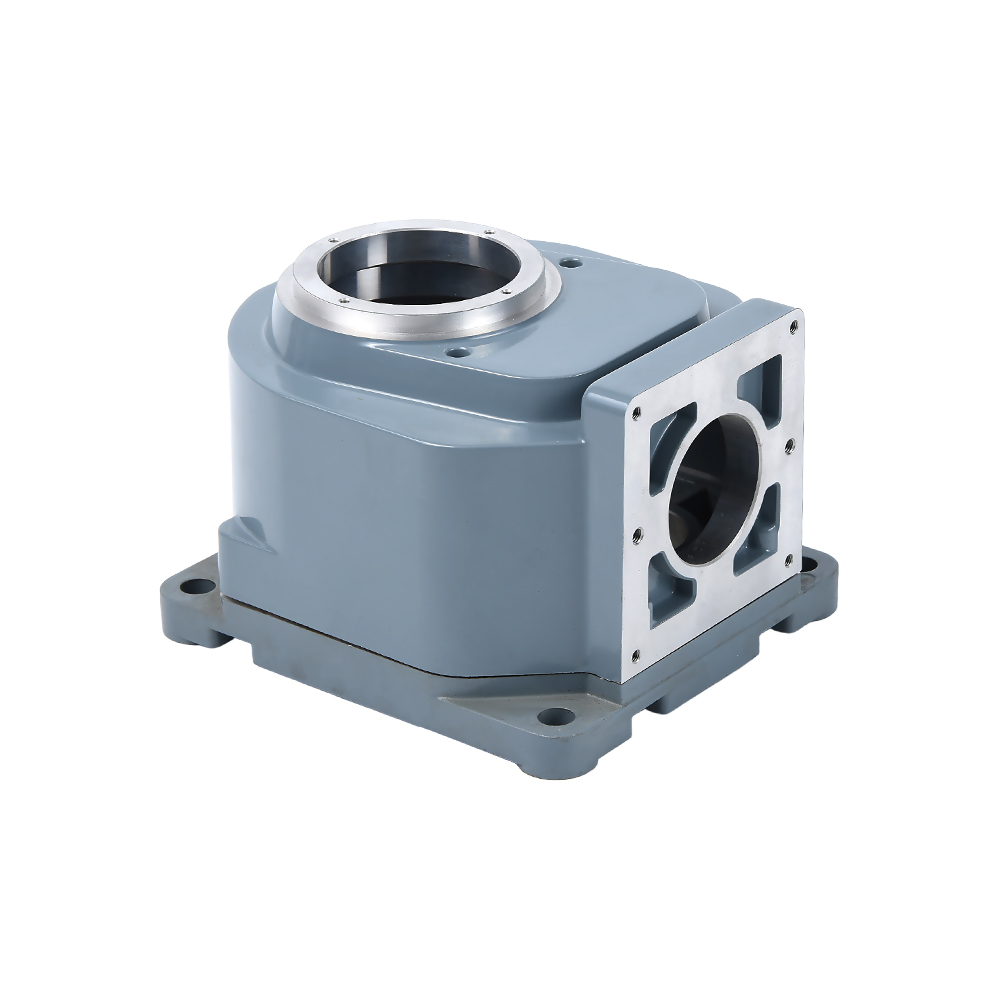
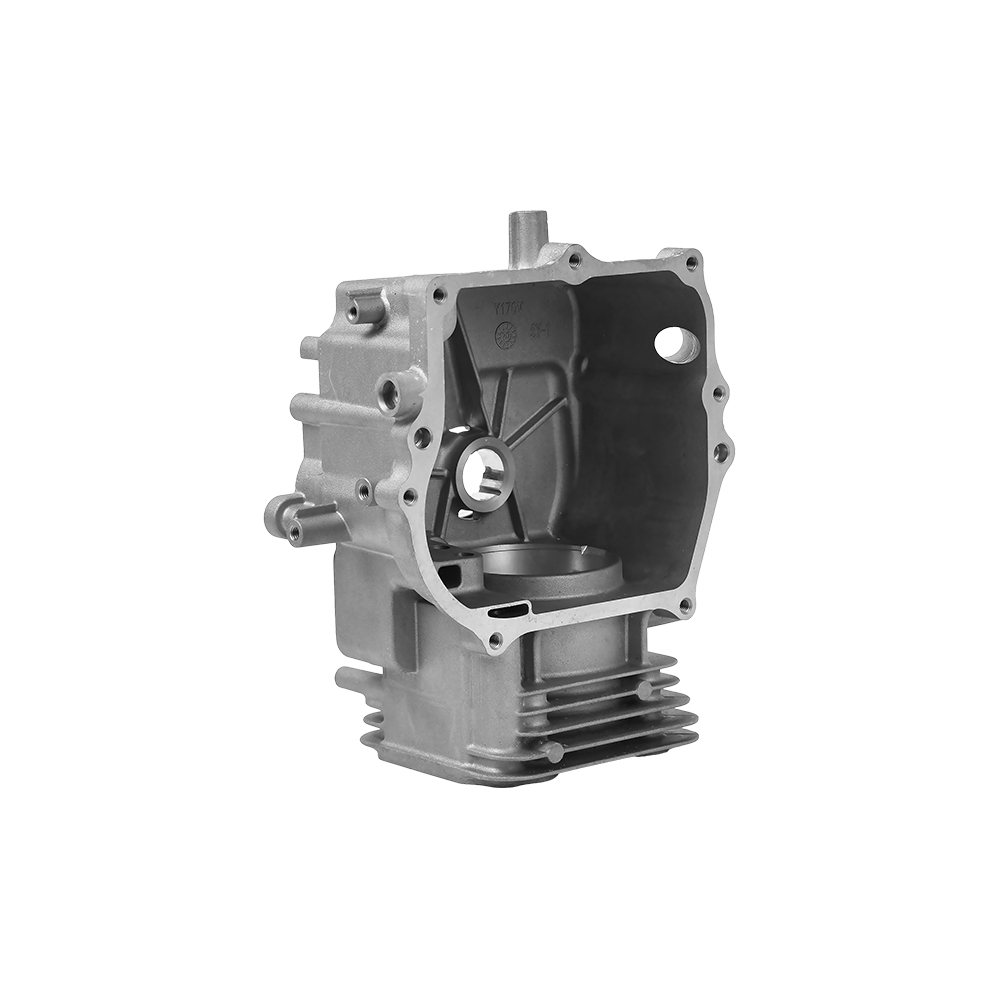
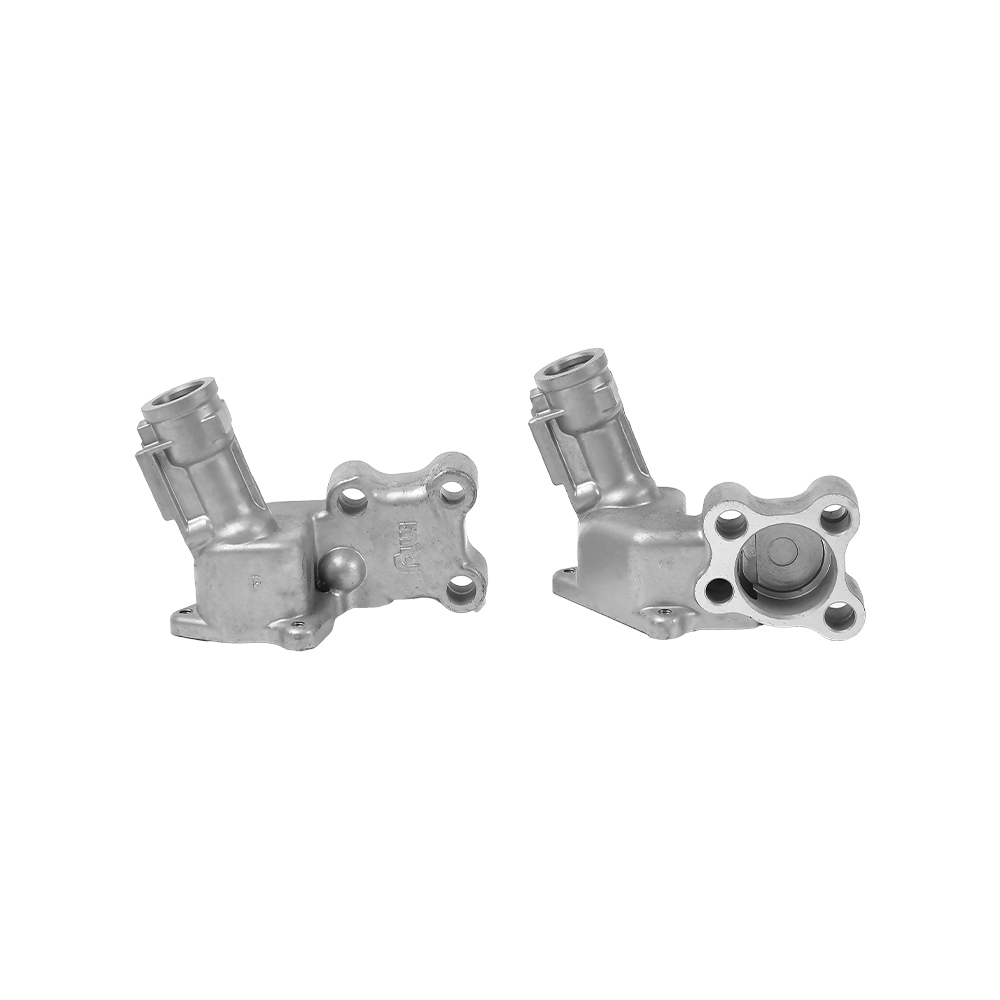
Yes, die casting strictly utilizes permanent molds, which are typically crafted from high-strength heat-resistant steel. Unlike sand casting or investment casting where the mold is destroyed to retrieve the part, die casting relies on reusable steel dies designed to withstand thousands of production cycles under extreme pressure and temperature.
This permanent nature is the defining characteristic of the process, allowing for the rapid, high-volume production of identical metal components with minimal dimensional variation between the first and the ten-thousandth unit.
Material Composition of Die Casting Molds
The "permanent" mold used in die casting is more accurately described as a "long-life" tool. Because it must endure the thermal shock of molten metal and the mechanical stress of high-pressure injection, the choice of material is critical.
Common Tooling Materials
- H13 Tool Steel: The industry standard for aluminum and magnesium die casting due to its excellent resistance to thermal fatigue.
- P20 Steel: Often used for zinc die casting or for the holder blocks that support the main die inserts.
- Tungsten Alloys: Reserved for extreme applications where superior heat resistance is required to prevent mold erosion.
Comparative Life Expectancy of Die Casting Molds
While the mold is permanent, it does have a finite lifespan. The longevity depends heavily on the melting point of the alloy being injected. Lower melting points result in less thermal stress, significantly extending the life of the die.
| Alloy Type | Typical Mold Material | Estimated Tool Life (Cycles) |
|---|---|---|
| Zinc Alloys | H13 or P20 Steel | 500,000 – 1,000,000+ |
| Aluminum Alloys | Premium H13 Steel | 100,000 – 200,000 |
| Magnesium Alloys | H13 Steel | 150,000 – 250,000 |
| Copper/Brass Alloys | Specialized Hot-Work Steels | 5,000 – 50,000 |
Key Advantages of Using Permanent Steel Dies
The transition from temporary molds to the permanent tooling used in die casting offers several constructive benefits for manufacturers focusing on scalability.
Exceptional Dimensional Stability
Because the steel die does not change shape between cycles, the resulting parts maintain tight tolerances (typically ±0.1mm). This level of precision often eliminates the need for secondary machining, saving both time and money.
Surface Finish and Detail
Permanent molds are polished to a high degree of smoothness. When metal is injected under pressure, it captures every minute detail of the mold surface, resulting in a finish that is superior to almost all other casting methods.
The Economics of Die Casting Tooling
While the use of a permanent mold is advantageous, it requires a significant upfront investment. Engineering and machining a complex H13 steel die can cost anywhere from $5,000 to over $100,000 depending on complexity.
However, for production runs exceeding 2,000 pieces, the per-unit cost drops dramatically. The speed of the die casting cycle—often producing a new part every 30 to 60 seconds—makes it the most economical choice for mass-produced consumer electronics, automotive components, and hardware.