 LANGUAGE
  English
 русский
 Español

Home / News / Industry News / Aluminium CNC Milling: Complete Guide to Process, Tolerances, and Choosing a Supplier
Content
- 1 What is Aluminium CNC Milling?
- 2 Important Aluminium Grades and Machinability
- 3 How CNC Milling Completes Aluminium Die-Cast Components
- 4 Tolerances, Surface Finish, and Quality Inspection
- 5 Cost Factors and How to Keep Aluminium CNC Milling Economical
- 6 How to Select an Aluminium CNC Milling Partner
- 7 Frequently Asked Questions
Aluminium CNC milling is a subtractive manufacturing process that uses computer-controlled rotating cutters to remove material from aluminium workpieces. It delivers high dimensional accuracy and excellent surface quality, and it is the standard finishing step for aluminium castings that need machined faces, bores, and mounting threads.
If you are sourcing custom aluminium parts, the decision is not simply about milling. The most efficient route starts with a casting process that creates the near-net shape, followed by CNC milling for the precise features. At Ningbo Beilun Youyuan Machinery Manufacturing Co., Ltd., we combine aluminium die casting with CNC machining in one production chain to reduce outsourcing and deliver finished parts faster.
This guide gives you a direct look at how aluminium CNC milling works, what tolerances you can expect, which aluminium alloys are easiest to machine, and how to keep your project economical.
What is Aluminium CNC Milling?
CNC milling is a flexible machining operation. Unlike turning, which rotates the workpiece against a fixed tool, milling rotates the cutting tool and moves it along multiple axes. For aluminium parts, this makes it possible to create flat surfaces, slots, pockets, and complex three-dimensional geometries in one setup.
Modern CNC machining centres are usually classified as 3-axis, 4-axis, or 5-axis machines. A 3-axis machine moves the tool in X, Y, and Z directions, which covers most flat plates and monolithic housings. A 4-axis machine adds a rotary table for cylindrical features. A 5-axis machine gives full freedom for undercuts and complex contours, which is often required for aerospace and automotive aluminium components.
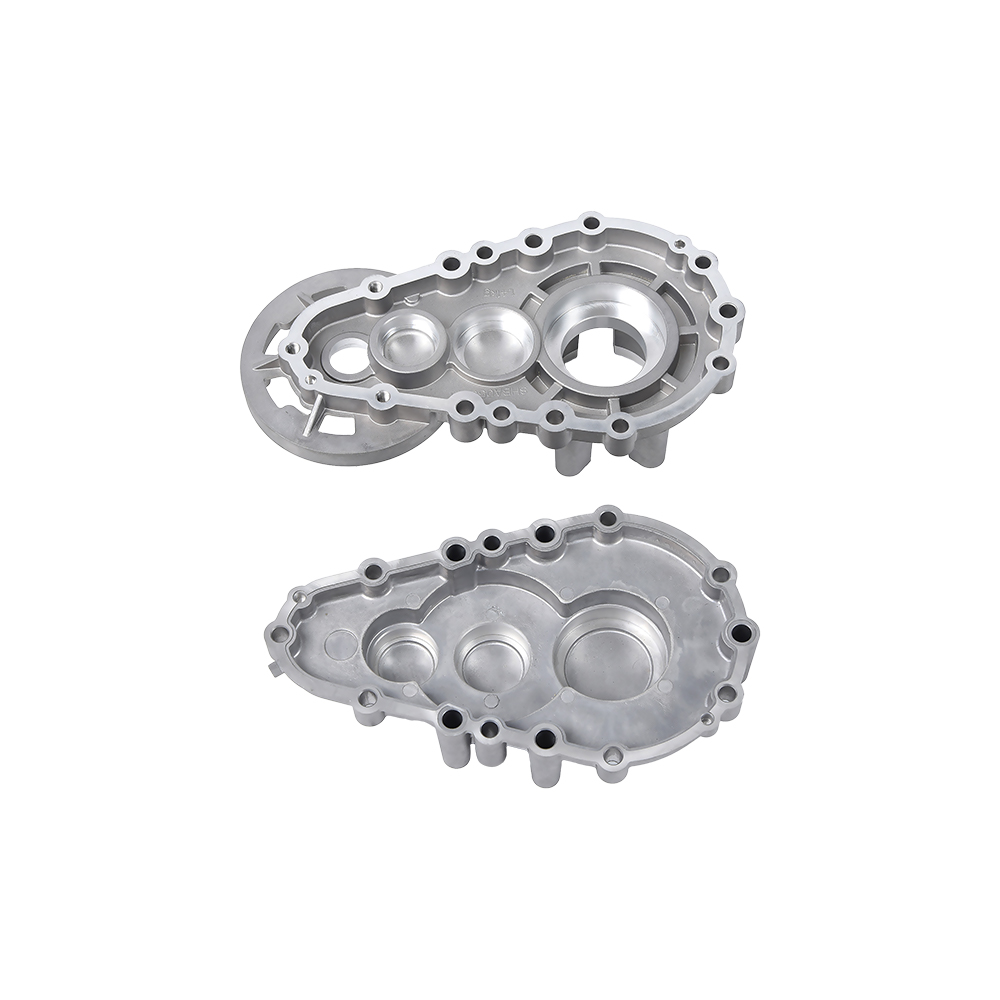
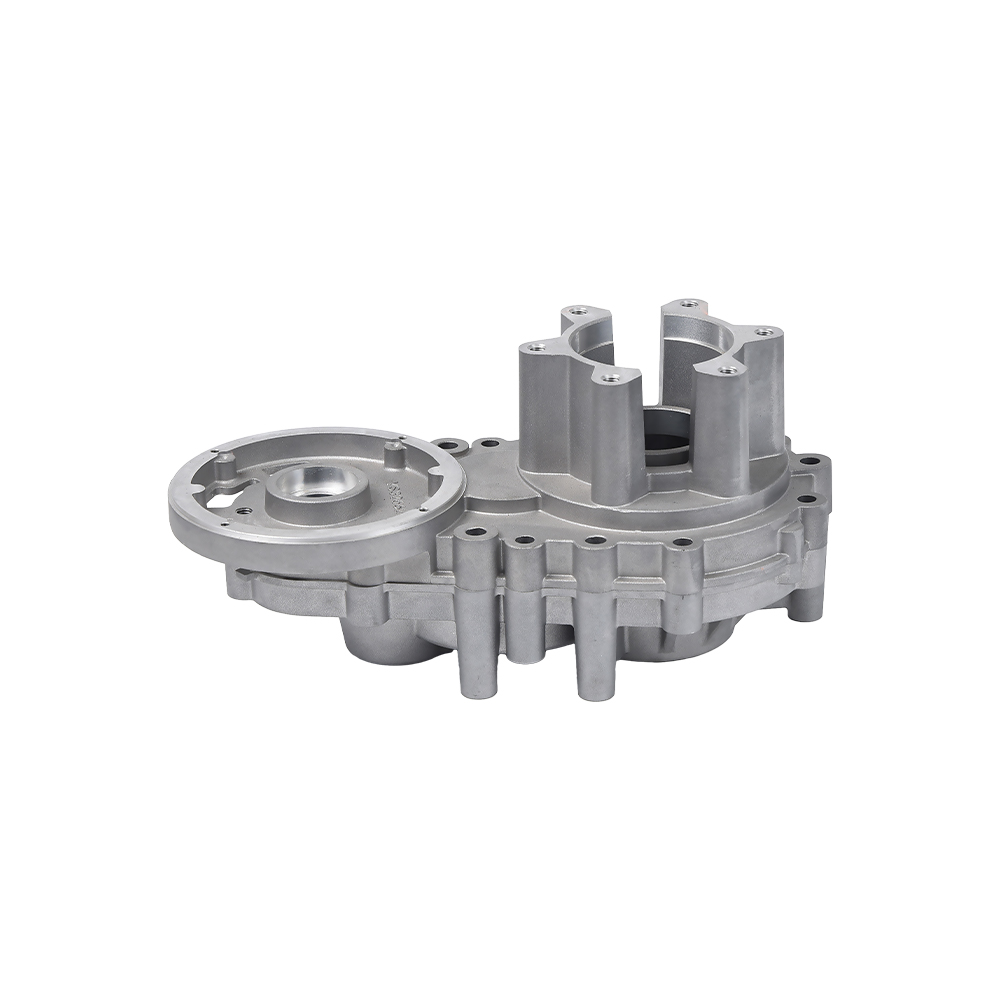
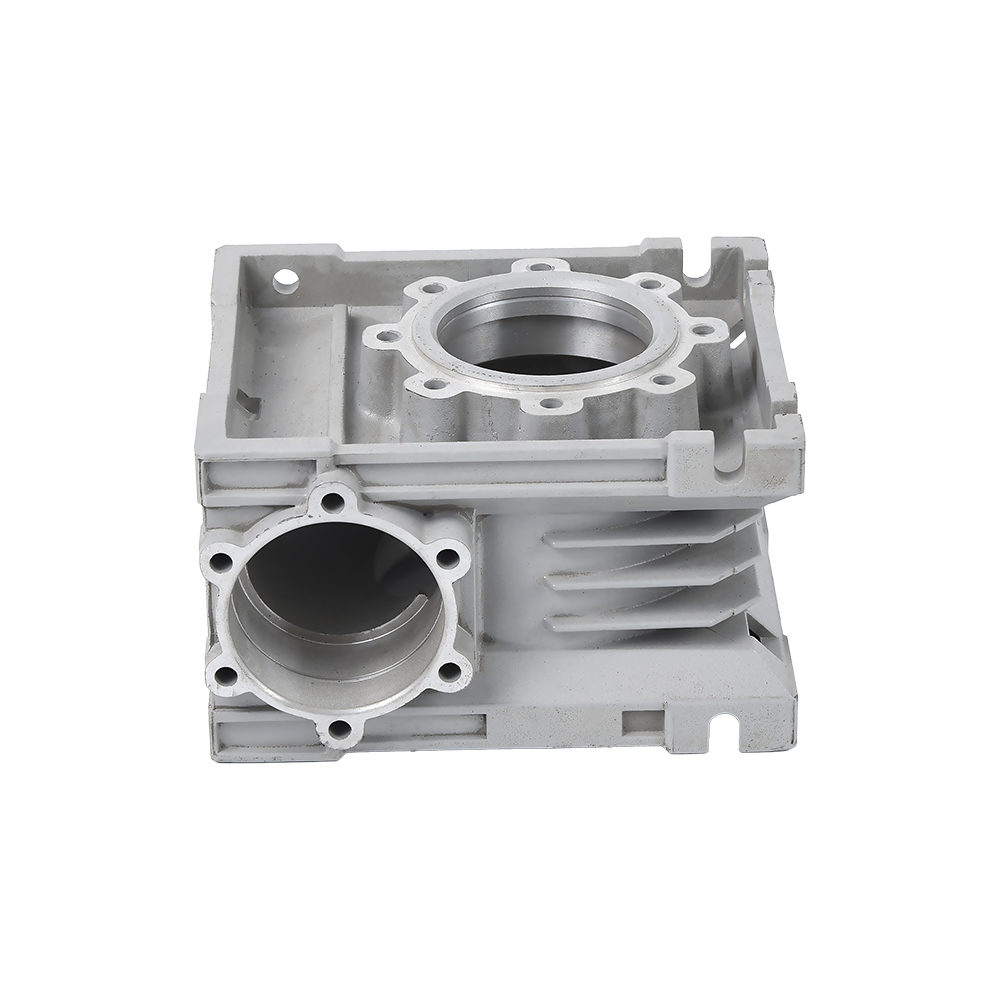
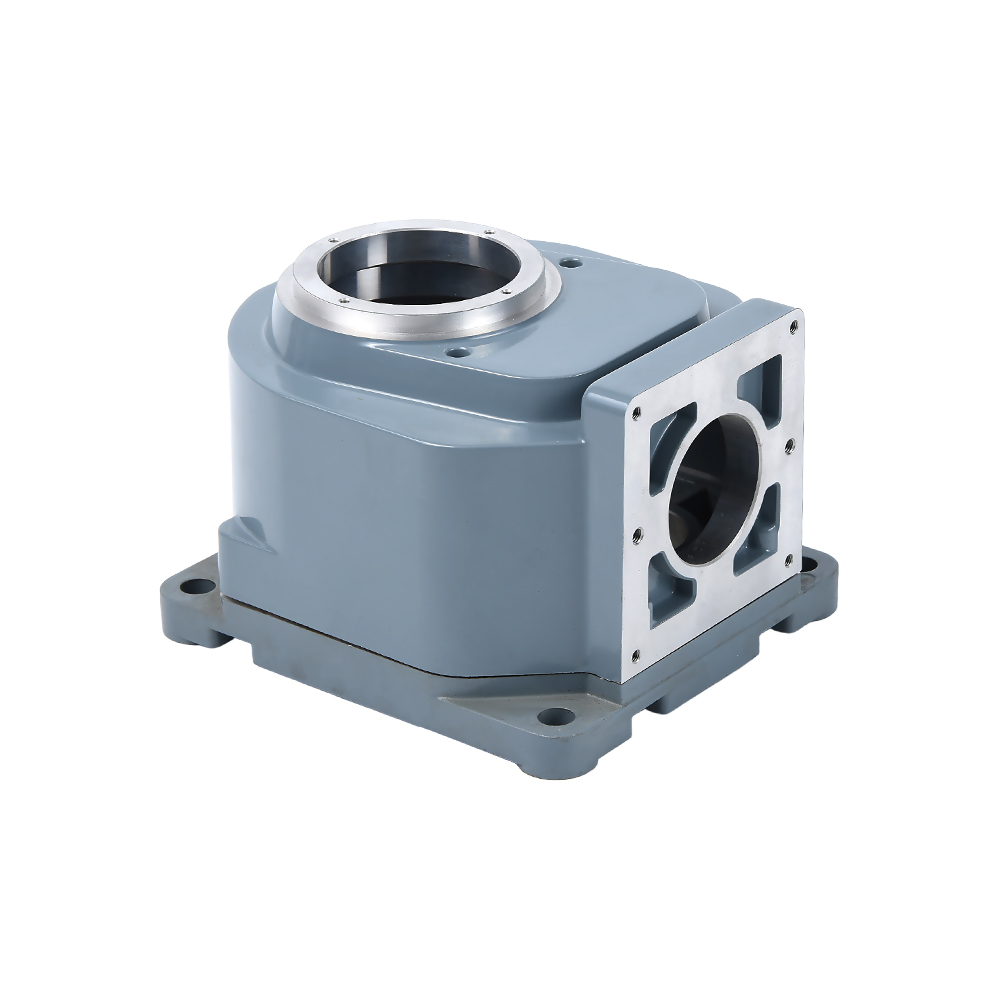
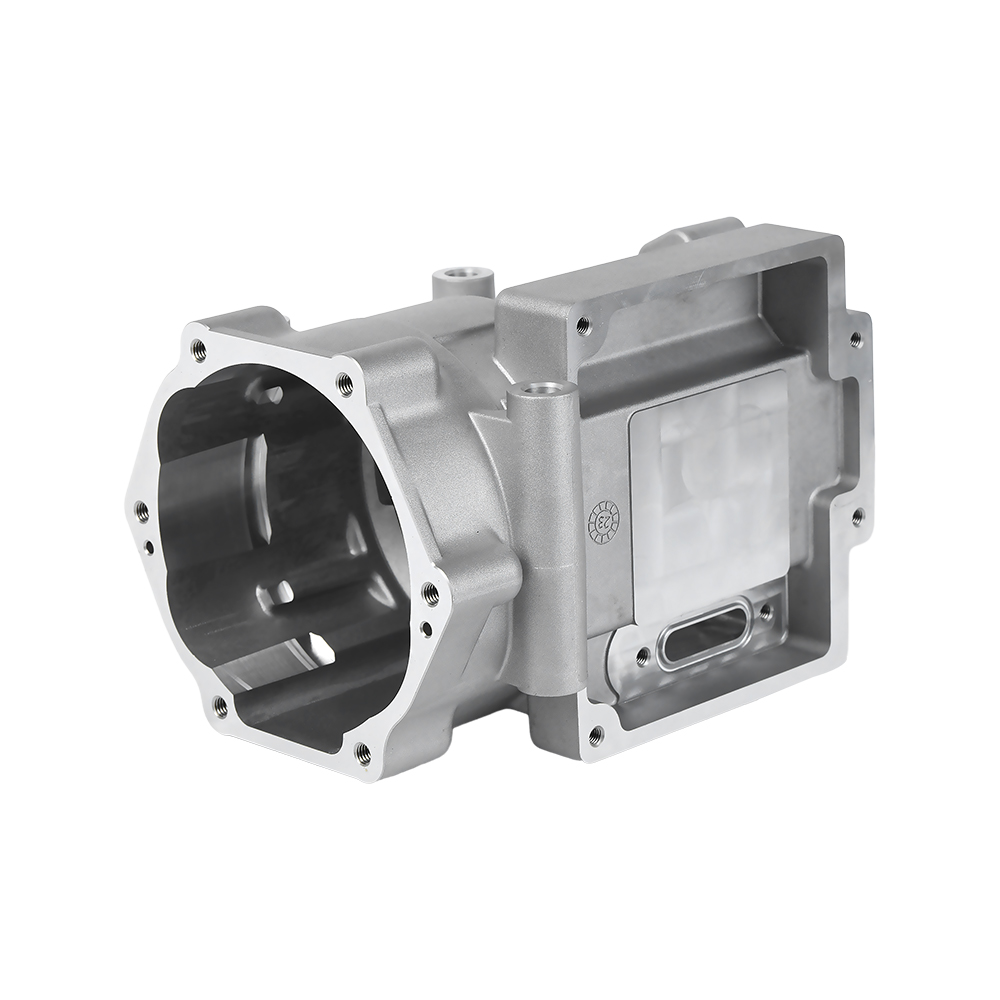
For a part like a die-cast gearbox housing, CNC milling is used to machine the mounting faces, bearing bores, and bolt patterns after casting. The milling step removes the remaining casting draft and brings all important surfaces to final size.
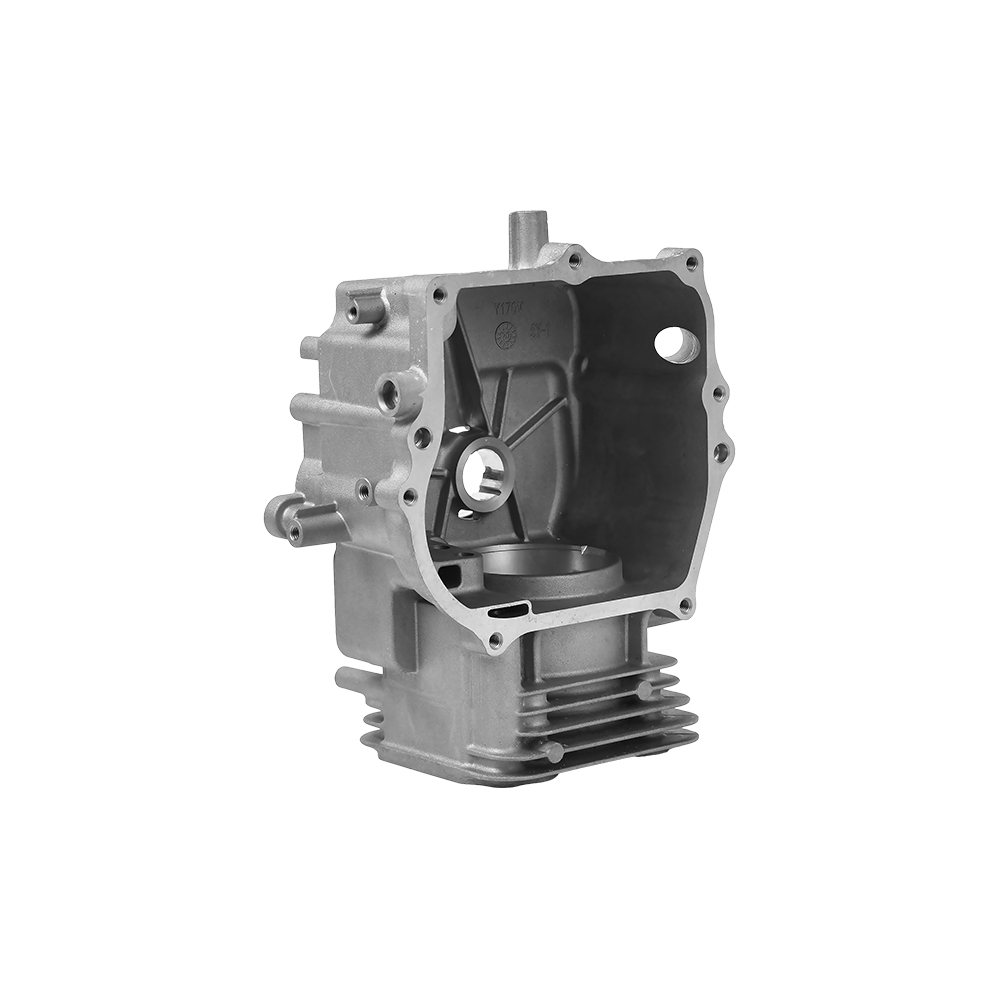
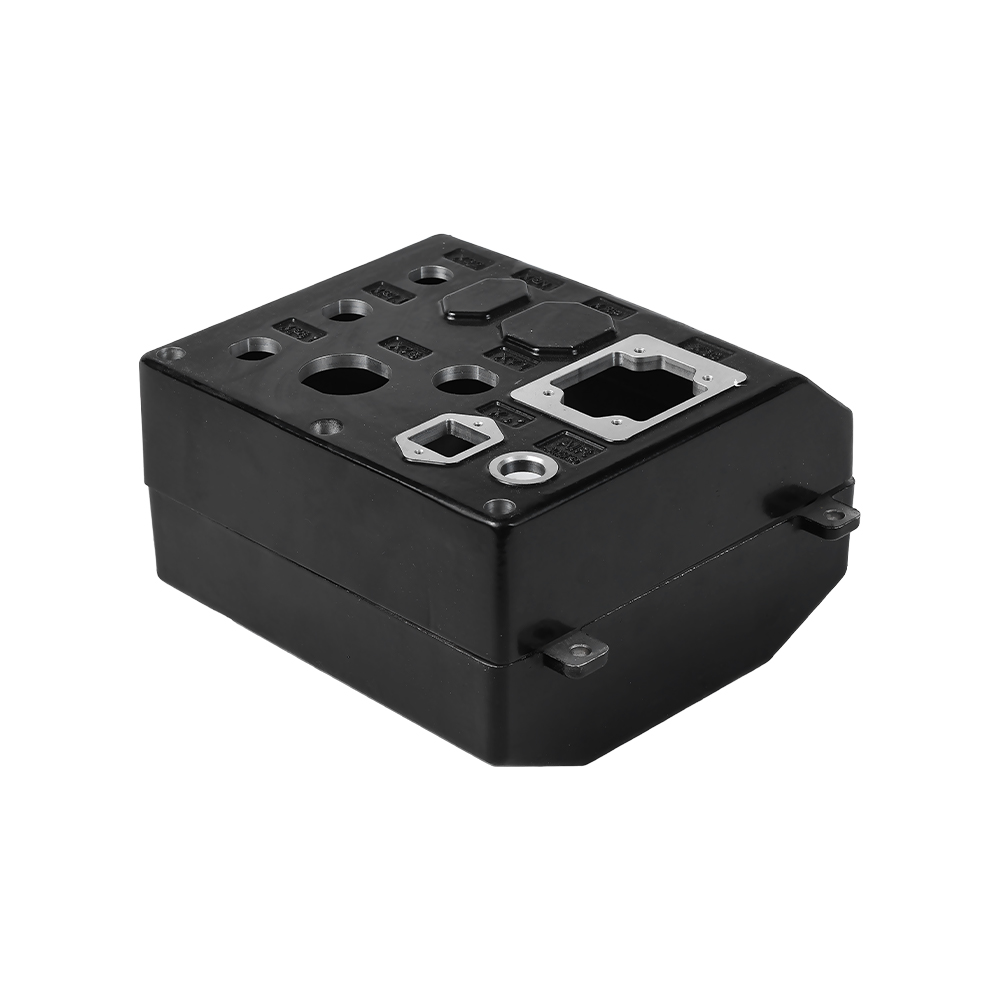
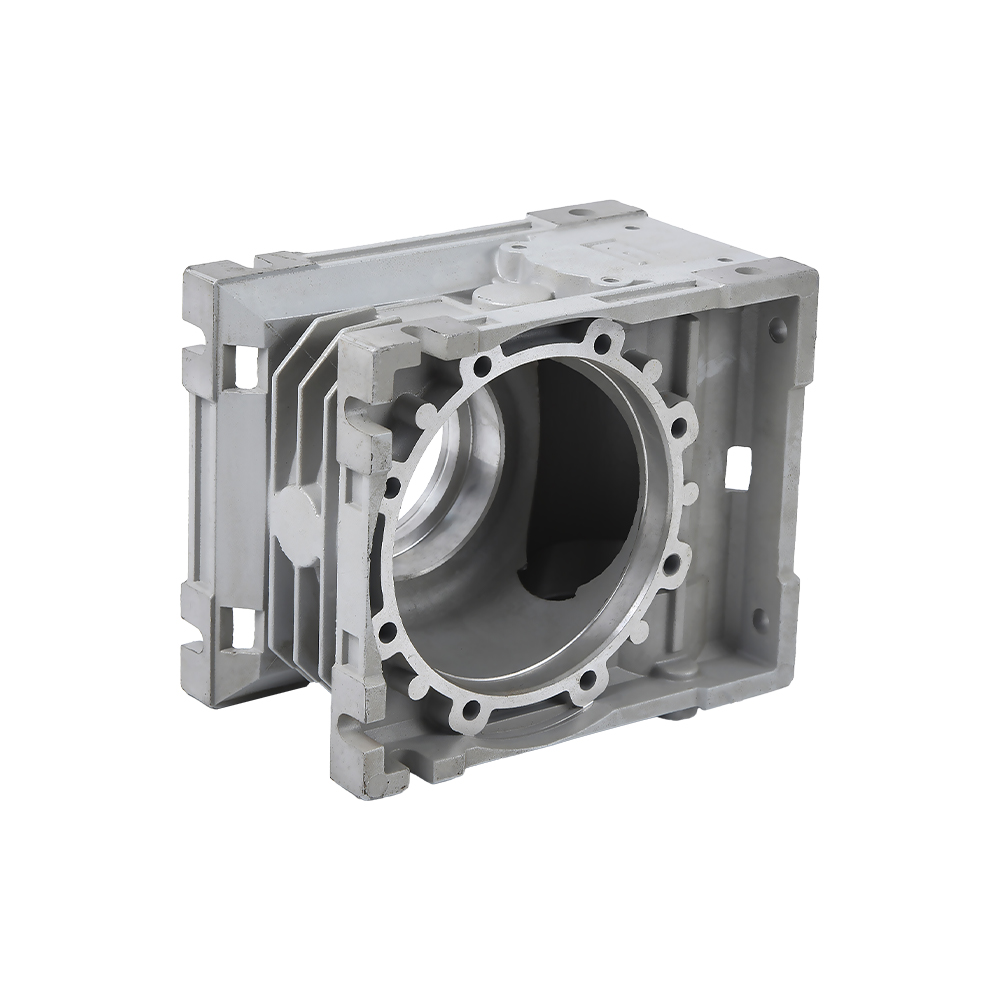 Aluminum Die Casting Gearbox HousingMotorcycle CrankcaseView Product →
Important Aluminium Grades and Machinability
Not all aluminium alloys behave the same way under a milling cutter. Wrought alloys such as 6061 are widely known for their consistency and good surface finish. Cast alloys such as A380 and AD12 are used extensively for aluminium die casting, but their silicon content can accelerate tool wear. High-strength alloys like 7075 offer excellent mechanical properties, yet they are more difficult to machine and require careful cutting parameters.
Selection matters because it influences cycle time, tooling cost, and part quality. The table below gives a practical comparison based on general machining data.
| Alloy | Key Characteristics | CNC Milling Behaviour | Typical Application |
|---|---|---|---|
| 6061-T6 | Excellent machinability, good surface quality, moderate strength | Fast cutting, low tool wear | Frame parts, covers, brackets |
| A380 / ADC12 | Die-cast alloy, high silicon, good fluidity | Higher abrasive wear on tools, use coated carbide | Engine housings, gearboxes, motor parts |
| 7075-T6 | Very high strength, lower corrosion resistance | More difficult to cut, use sharp tools and rigid setups | Aerospace, high-stress components |
| 5052 | Good corrosion resistance, weldable | Good machinability, slightly softer than 6061 | Panels, fuel tanks, general sheet parts |
A common issue in aluminium casting is the presence of hard inclusions or high silicon phases. When you mill such parts, you need to choose a cutter with the right geometry and a coating that resists abrasive wear. In our own workshop, we adjust feed rates and spindle speeds for every alloy so that tool life stays predictable.
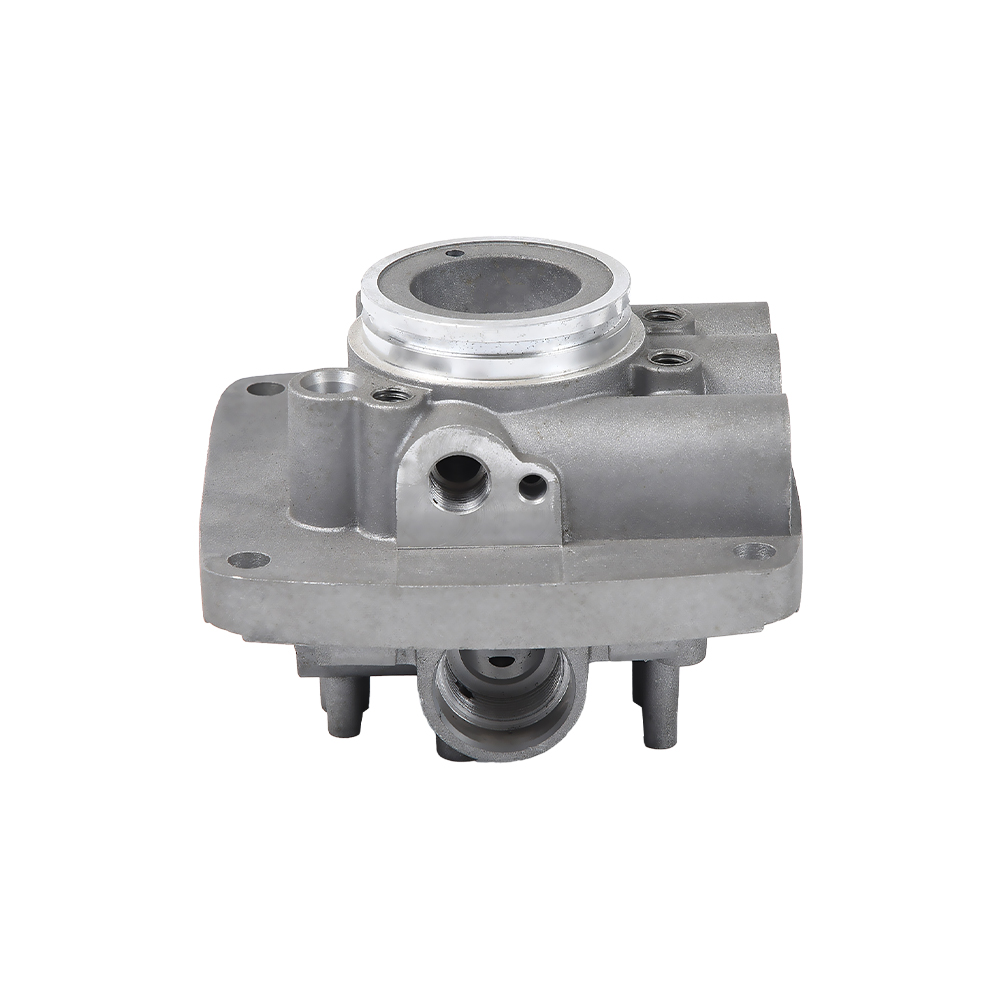
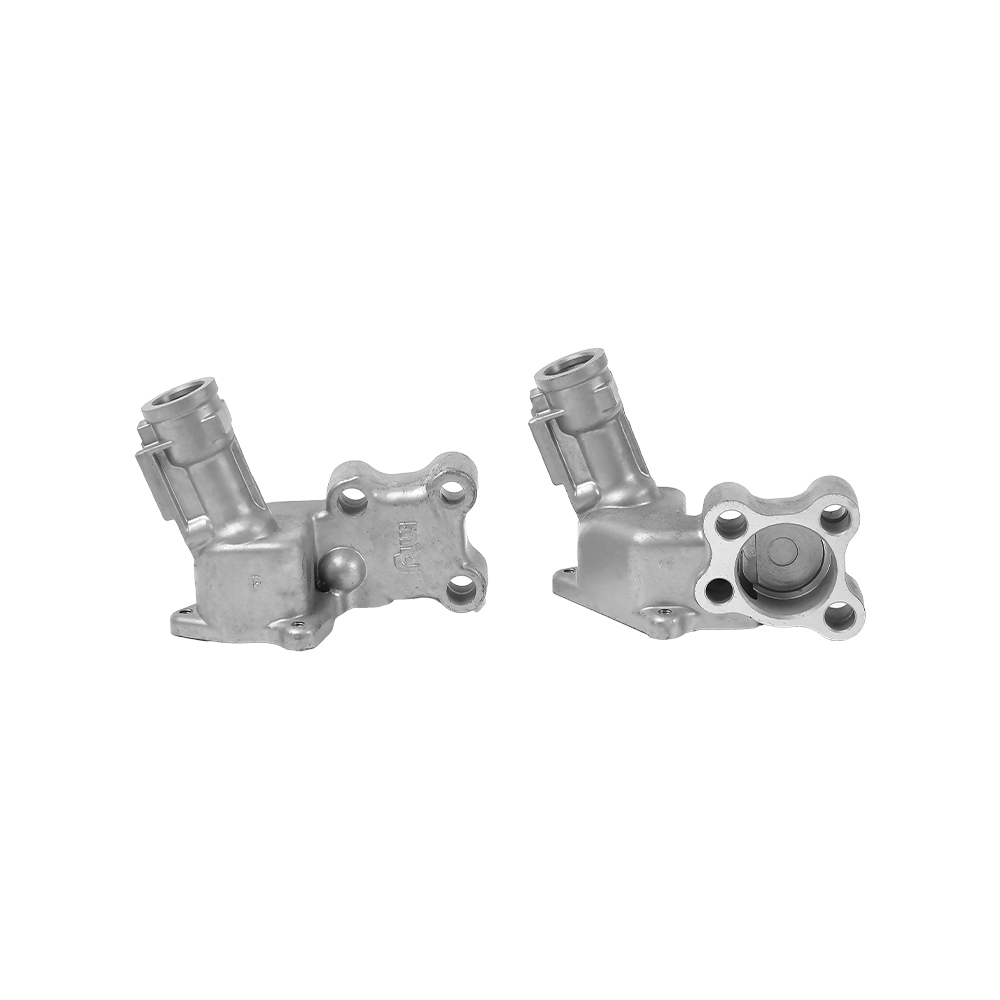
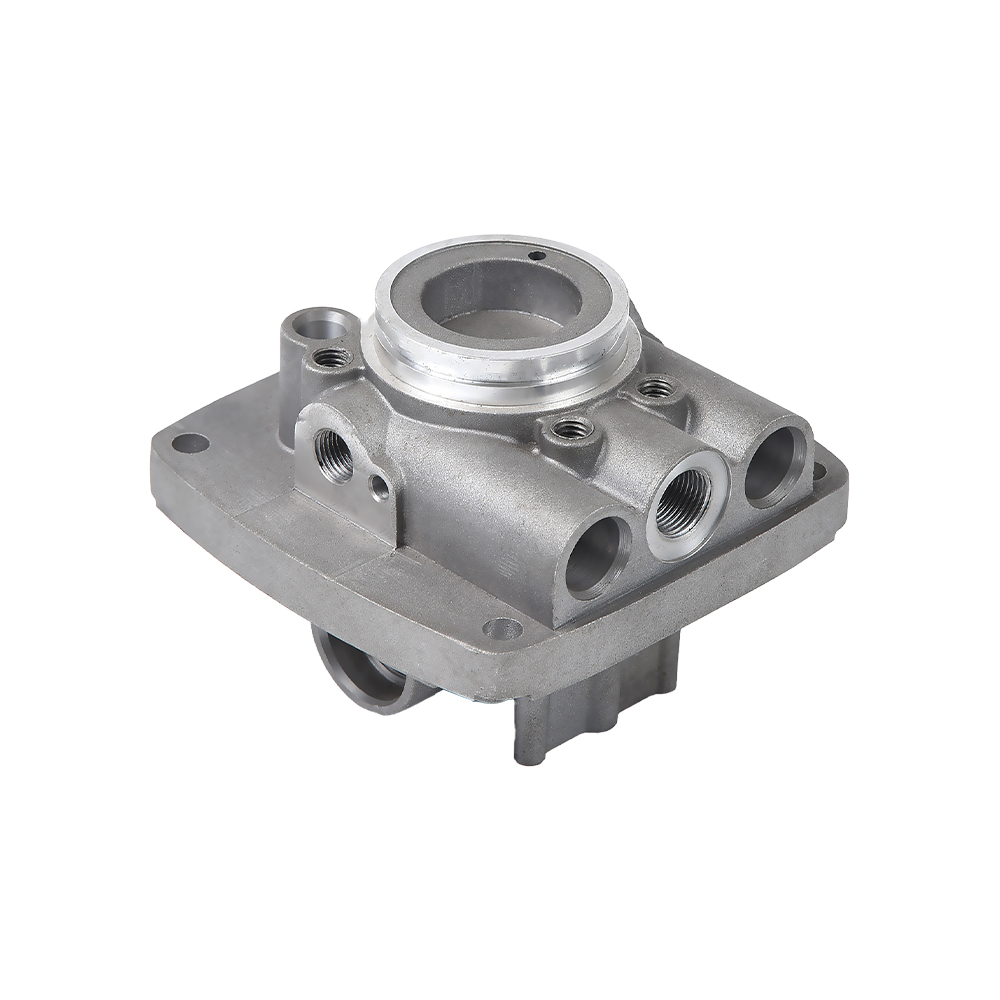 Aluminum Die Casting Hydraulic ValveAluminum Die Casting Motorcycle Transmission CaseView Product →
How CNC Milling Completes Aluminium Die-Cast Components
Aluminium die casting produces near-net shapes with complex internal cavities. The process is very efficient for volume production, but casting alone cannot deliver tighter tolerances or fine surface textures. CNC milling closes that gap.
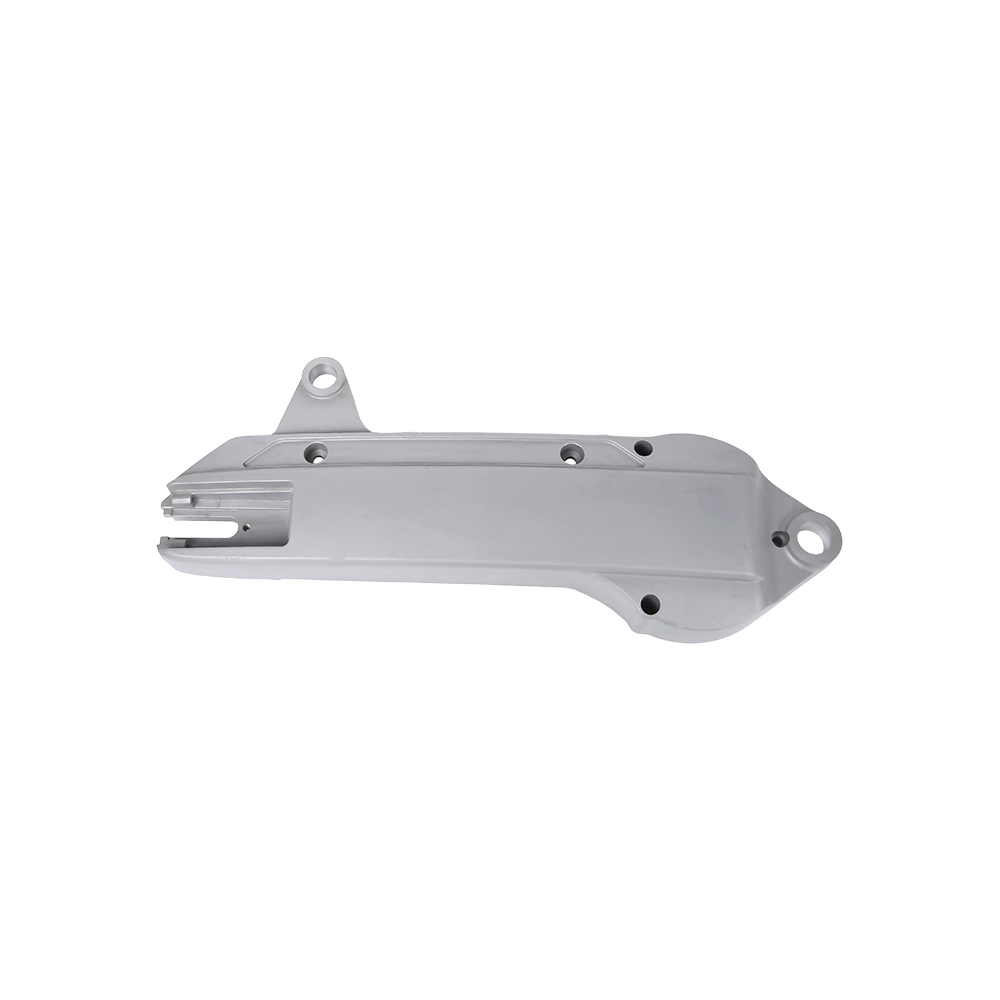
When a gearbox housing, valve body, or motor guard plate leaves the die-cast machine, it has an allowance of roughly 0.3 mm to 1.0 mm on every machined surface. CNC milling then removes this allowance to achieve the required functional dimensions. A typical milling operation on an aluminium casting can hold a positional tolerance of plus or minus 0.02 mm and a surface roughness of Ra 0.8 micrometres under good conditions.
Examples of Typical Machining Features
- Machined bolt holes for structural assembly
- Flat mounting faces for seals and gaskets
- Bearing journals that require concentricity
- Threaded ports for hydraulic valves
This combined approach reduces lead time because the parts do not need to be sent to an outside machining shop. It also improves quality control, because the same production team can inspect the casting and the finished part at each transition.
For a deeper understanding of the casting side, you can read our article on aluminium die casting.
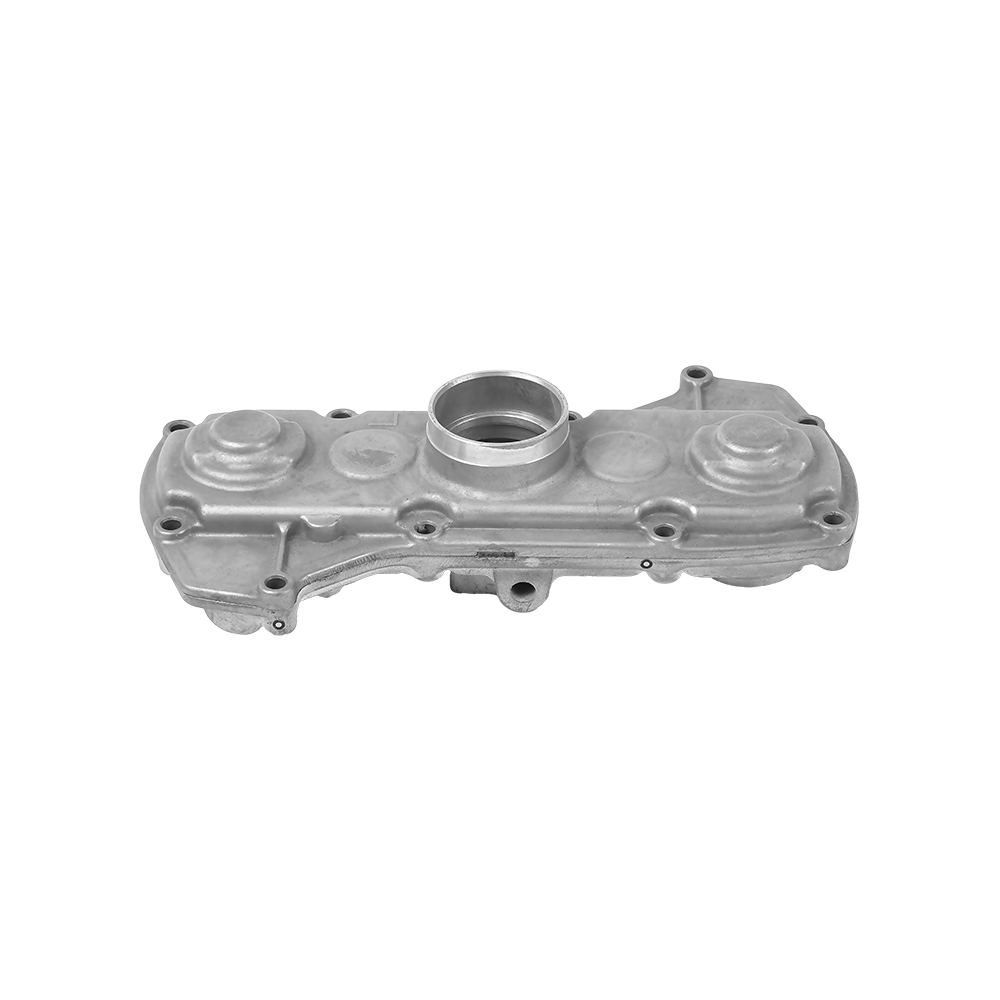
 High Precision High Pressure Aluminum Die Casting Auto PartsMotorcycle CrankcaseView Product →
Tolerances, Surface Finish, and Quality Inspection
The request for a specific tolerance is one of the first questions a buyer sends to a machining supplier. For aluminium CNC milling, the answer depends on the part size, geometry, and alloy. In standard practice, production machined aluminium parts can be held to the ranges shown below.
| Feature | Typical Tolerance | Notes |
|---|---|---|
| Linear dimensions | plus or minus 0.05 mm | Standard milling accuracy |
| Hole positions | plus or minus 0.02 mm | Requires CMM inspection |
| Bore diameters | plus or minus 0.01 mm | Reaming or boring recommended |
| Surface finish | Ra 0.8 to 1.6 micrometres | Depends on feed and cutter geometry |
Quality inspection is not limited to final measurements. In a reliable factory, the machinist checks the first article, the in-process dimensions, and the final batch using calibrated instruments. A common practice is to use a coordinate measuring machine, or CMM, to verify the position of critical holes and faces. At our facility, every production run is documented with a sample inspection report.
Surface finish is also a functional requirement. For sliding surfaces, a Ra 0.8 to 1.6 micrometre finish is common. For cosmetic parts, you may need a polished or anodized surface, and that changes the milling strategy because you want a fine cut before the finishing treatment.
Cost Factors and How to Keep Aluminium CNC Milling Economical
CNC milling cost is driven by machining time, tooling, material handling, and setup. Aluminium is generally easy to cut, so the main expense is often the number of setups and the complexity of the part.
- Small batches: CNC milling is flexible and requires no expensive fixture that is hard to change. It is economical for prototype and medium-volume work.
- Large batches: If the same part is produced in high volume, you can reduce machining time by using dedicated fixtures and optimized tool paths. This is where a die-casting plus milling approach really shines.
- Tolerance requirements: Tight tolerances increase inspection time and reject risk. Specifying the loosest tolerance that still works saves money.
Another important factor is material cost. Aluminium scrap can be recycled, but for cast parts, the casting process itself is already the most economical way to create a near-net shape. The milling step only needs to remove the machining allowance, so a well-designed casting keeps waste low.
If you are at the design stage, keep these practical things in mind: leave at least 0.5 mm of stock on surfaces that need final machining, avoid sharp internal corners, and use standard hole sizes. These decisions reduce tooling cost and machining time.
For a specific quotation, you can contact our engineering team with your drawings or 3D models.
How to Select an Aluminium CNC Milling Partner
Choosing a machining partner is about more than the lowest price. The right supplier can help you solve problems during design, avoid machining errors, and keep the delivery schedule.
At Ningbo Beilun Youyuan Machinery Manufacturing Co., Ltd. we have operated as a mechanical manufacturing partner since 2010. Our factory has around RMB 10 million in fixed assets and an annual output value of RMB 30 million, with equipment covering die casting, CNC, and smart machining cells. This scale allows us to take on medium-size production runs while still giving each order direct attention.
What to Ask Before You Place an Order
- What CNC machines do you have? Do you have 4-axis or 5-axis capability?
- Can you cast and machine in one factory?
- How do you control tolerance and surface quality?
- What is your typical lead time for a pilot order?
- Can you provide a sample or first-article inspection report?
A supplier that answers these questions clearly is more likely to deliver a consistent result. Good communication is also crucial: a supplier should be able to explain why a particular tolerance is expensive and how to improve designs to lower costs.
Frequently Asked Questions
What tolerance can aluminium CNC milling achieve?
In normal production conditions, machining tolerances of plus or minus 0.01 mm to 0.05 mm are achievable on aluminium parts. For very precise bores, you can use reaming and boring operations to reach plus or minus 0.01 mm or better.
Is CNC milling suitable for small batch production?
Yes. CNC milling is one of the most economical methods for producing small quantities of aluminium parts because it does not require permanent tooling. The main time is spent on programming and setup.
Do I need CNC milling after aluminium die casting?
Usually yes if your part needs precise mounting faces, threaded holes, or tight tolerances. Die casting creates near-net shapes, but milling refines the dimensions that matter for assembly.
How can I reduce the cost of aluminium CNC milling?
Use standard hole sizes, design with soft edges, avoid unnecessary tight tolerances, and combine casting and milling as a single operation. This lowers material waste and tooling expenses.