 LANGUAGE
  English
 русский
 Español

Home / News / Industry News / CNC Machining Aluminum: Tolerances, Alloys, Costs, and Supplier Selection Guide
Content
- 1 Why Aluminum Is the Default Choice for CNC Machined Parts
- 2 Common Aluminum Alloys for CNC Machining: Properties and Selection
- 3 CNC Machining Processes Used for Aluminum Parts
- 4 Key Machining Considerations When Cutting Aluminum
- 5 Aluminum CNC Machining Tolerances and Surface Finishes
- 6 How Die Casting and CNC Machining Work Together for Aluminum Parts
- 7 Applications of CNC Machined Aluminum Parts
- 8 How to Choose a CNC Machining Aluminum Supplier
- 9 Cost Drivers in CNC Machining Aluminum
- 10 FAQ: Frequently Asked Questions about CNC Machining Aluminum
- 10.1 What is the typical tolerance for CNC machining aluminum?
- 10.2 Can CNC machining aluminum achieve a mirror-like finish?
- 10.3 How long does CNC machining aluminum take for a typical part?
- 10.4 How do I choose between machining and die casting for aluminum parts?
- 10.5 Should I specify 6061-T6 or 7075-T6 for CNC machined aluminum?
- 10.6 Can CNC machined aluminum be welded?
- 10.7 How do I know if my CNC machined aluminum part will corrode?
- 11 Final Takeaway on CNC Machining Aluminum
CNC machining aluminum is the most reliable production method for achieving tight tolerances, excellent surface finishes, and repeatable part quality on aluminum components. Aluminum cuts roughly two to three times faster than steel, requires less spindle power, and produces parts that weigh about 35 percent of equivalent steel parts. For prototype runs, medium batches, and high-volume production, CNC machining aluminum delivers the strongest combination of speed, dimensional accuracy, and cost efficiency. If you need aluminum parts held to +/-0.01 mm or a surface finish of Ra 0.8 um, CNC machining is the practical route to get there.
Many manufacturers now combine aluminum die casting with CNC finish machining to save time and money. The casting step forms the near-net shape quickly, while machining finishes critical dimensions, bolt holes, sealing faces, and precisely controlled contours. At Ningbo Beilun Youyuan Machinery Manufacturing, the same factory handles both operations, which shortens lead times and gives customers one accountable partner from raw material to finished component.
Why Aluminum Is the Default Choice for CNC Machined Parts
Aluminum is the most widely machined non-ferrous metal, and the reasons are easy to see. The density of aluminum is 2.70 g/cm3, about one-third of steel's 7.85 g/cm3, which directly cuts part weight without compromising strength in most engineering applications. With automotive and aerospace industries pushing for weight savings, this single property drives massive demand for CNC machined aluminum.
Aluminum also maintains a naturally forming oxide layer (Al2O3) that protects the metal from atmospheric corrosion. In most industrial environments, CNC machined aluminum parts do not require paint or plating for corrosion protection alone. Anodizing is still recommended when cosmetic appearance, color coding, or wear resistance is needed.
The machinability of aluminum is another decisive advantage. 6061-T6, the most common machining grade, has a machinability rating near 90 percent compared with free-cutting brass, which is the traditional benchmark. This means aluminum can be milled and turned at high cutting speeds with moderate spindle loads, shortening cycle times and reducing per-part cost even when the raw material price is higher per kilogram than steel.
- Thermal conductivity: 6061-T6 conducts heat at 167 W/mK, roughly six times that of 304 stainless steel, which makes it ideal for heat sinks, motor housings, and thermal management parts.
- Electrical conductivity: Aluminum is about 61 percent as conductive as copper but at less than half the weight, so it is often chosen for current-carrying brackets and enclosure parts.
- Recyclability: Aluminum can be recycled indefinitely without losing its mechanical properties, and remelting consumes only about 5 percent of the energy needed to produce primary aluminum.
Common Aluminum Alloys for CNC Machining: Properties and Selection
Not all aluminum alloys machine the same way. The alloy you choose determines strength, corrosion resistance, ease of cutting, and final part cost. The table below summarizes the most frequently specified grades for CNC machined aluminum components.
| Alloy | Tensile Strength (MPa) | Machinability | Corrosion Resistance | Typical Applications |
|---|---|---|---|---|
| 6061-T6 | 310 | Excellent (90%) | Good | Structural frames, automotive parts, hydraulic components |
| 7075-T6 | 572 | Excellent (90%) | Fair | Aerospace brackets, high-stress components |
| 2024-T4 | 450 | Good | Fair | Aircraft structures, fatigue-resistant parts |
| 5052-H32 | 228 | Fair (70%) | Excellent | Fuel tanks, marine parts, sheet-metal housings |
| 6063-T5 | 215 | Good | Excellent | Extruded profiles, enclosures, trim parts |
For most CNC machined applications, 6061-T6 is the best starting point because it balances strength, machinability, corrosion resistance, and cost. When the part is highly stressed and weight is critical, 7075-T6 provides about 85 percent more tensile strength but costs roughly 30 percent more and has reduced corrosion resistance. For parts exposed to marine or chemical environments, 5052 is a stronger corrosion performer but has lower strength and requires slightly slower cutting parameters.
If the intended manufacturing route is die casting rather than machining from solid bar, the alloy choice changes. Die-cast parts commonly use A380 or A383 aluminum-silicon alloys, which have excellent castability but lower ductility compared with 6061-T6. Aluminum die casting creates the near-net shape, and CNC machining then defines the critical dimensions that casting alone cannot hold economically.
CNC Machining Processes Used for Aluminum Parts
Five CNC machining methods are most common for aluminum components. Each produces different geometry, tolerances, and surface characteristics.
3-axis CNC milling
3-axis milling is the workhorse for aluminum parts, with the cutting tool moving along X, Y, and Z axes. It handles flat plates, square blocks, pockets, and most bracket geometries. For parts where more than 90 percent of material is removed from one side, 3-axis machining is almost always the cheapest option.
5-axis CNC milling
5-axis milling tilts the table or head to approach the part from any direction. This reduces the number of setups for complex shapes, improves surface finish, and makes undercuts and internal channels possible. For turbine blades, impellers, and complex manifold blocks, 5-axis machining aluminum is the preferred route even if the machine rate is higher.
CNC turning
Turning produces round parts such as shafts, bushings, and piston components. Aluminum turns very well, and high-speed turning can achieve excellent dimensional tolerances with a very fine surface finish. CNC lathes with live tooling can also perform milling and drilling operations in one chucking.
Drilling and tapping
Drilling and tapping are the most common secondary operations on aluminum. Because aluminum forms long, stringy chips, correct drill geometry and chip evacuation are critical. Spiral-flute taps are standard for internal threads in aluminum; thread forming taps are used for some applications where chip removal is not desired. Tapping depth, hole depth, and speed control are the main factors that affect thread quality.
Swiss CNC machining
Swiss-type lathes are used for small-diameter parts with tight tolerances, typically below 32 mm. They offer excellent concentricity and can produce complex profiles in a single pass, which is valuable for pins, fittings, and small sensor housings.
Die casting plus CNC finish machining
A hybrid route increasingly used in volume production is die casting the rough form and then CNC machining only the critical faces. The die casting step costs far less per part than removing all material from solid bar, and the machining step adds the precision that casting alone cannot hold. This is the approach favored by manufacturers who make automotive, hydraulic, and electrical components in quantities of 1,000 or more per year.
Key Machining Considerations When Cutting Aluminum
CNC machining aluminum is more forgiving than machining steel, but specific problems still arise in production. Understanding chip formation, tool wear, thermal expansion, and coolant use helps avoid scrap parts and unnecessary delays.
- Chip formation and evacuation: Pure aluminum produces a long, stringy chip that can wrap around the spindle and ruin the surface. High-shear cutters, high spindle speeds, and deep radial engagement break chips into small sections. Cutting dry or using mist coolant also helps prevent chip welding.
- Tool selection: Carbide end mills with polished flutes are standard for general aluminum work. For high-volume production, polycrystalline diamond (PCD) tools last substantially longer and can maintain tighter dimensions. Tool deflection is usually the main limitation, so short, rigid tool holders are preferred.
- Thermal expansion: Aluminum expands at 23 um per meter per degree C, approximately double that of steel. Precise parts machined at room temperature can drift out of tolerance in an uncontrolled shop. For tolerance below +/-0.01 mm, temperature-controlled machining environments are recommended.
- Coolant strategy: Flood coolant is the most common method for aluminum; it removes heat and flushes chips. Minimum quantity lubrication (MQL) is a dry alternative that uses a fine mist and is popular in high-speed machining. The choice affects cycle time, part cleanliness, and tool life.
- Burr formation: The last chip cut on the part edge often leaves a burr. Burnishing chamfers, high-feed cutters, and a dedicated deburring station all help produce clean edges without adding slow manual work.
In practical terms, most aluminum machining problems trace back to feed rate and tooling gaps. For example, a 6 mm end mill in 6061-T6 running at 12,000 RPM with 0.05 mm per tooth feed will clear chips efficiently, whereas the same tool at 4,000 RPM with 0.02 mm per tooth often loads chips into the flutes and produces poor surface finish. The shop that tunes cutting parameters for each alloy and tool type delivers more consistent parts.
Aluminum CNC Machining Tolerances and Surface Finishes
CNC machining aluminum can hold tolerances from +/-0.10 mm for standard commercial parts down to +/-0.005 mm for precision-turned or ground components. The achievable tolerance depends on the operation, part size, and the stiffness of the whole machining system, not just the CNC controller.
| Operation | Standard Tolerance | Precision Tolerance | Surface Roughness (Ra) |
|---|---|---|---|
| 3-axis milling | +/-0.05 mm | +/-0.015 mm | 1.6 um |
| 5-axis milling | +/-0.025 mm | +/-0.008 mm | 0.8 um |
| CNC turning | +/-0.025 mm | +/-0.005 mm | 0.4 um |
| Grinding | +/-0.005 mm | +/-0.002 mm | 0.2 um |
| Die casting + machining | +/-0.10 mm | +/-0.01 mm | 1.6 um |
Common post-processing options for machined aluminum include Type II anodizing (typically 20-25 um coating) for corrosion protection and appearance, hard anodizing (Type III) for wear resistance, powder coating for durable color, and electroless nickel plating for applications where conductivity or solderability matters. Surface finish directly affects these post-processing choices: a smooth Ra 0.8 um surface yields a uniform anodized layer, while a rough milled surface can produce uneven coating thickness.
For sealing surfaces, the recommended surface finish is typically Ra 0.8 um to 1.6 um. Gasket contact faces that are too rough cannot seal properly under pressure, while excessively smooth surfaces can sometimes reduce the friction needed for some gasket materials to stay in place.
How Die Casting and CNC Machining Work Together for Aluminum Parts
When volume is high and the part geometry is complex, machining everything from solid aluminum bar becomes economically unattractive. A simpler approach is to start with a die-cast blank that already approximates the final shape, then machine only the functional faces. This hybrid process can reduce material waste by 60-70 percent and cut machining time by 40-50 percent compared with machining from a solid billet.
The trade-off is upfront tooling cost. An aluminum die casting die costs between USD 5,000 and USD 50,000 depending on cavity count and complexity. For annual volumes above about 1,000 pieces, the die cost is usually recovered through lower per-unit price. For lower volumes, machining from bar remains the better choice.
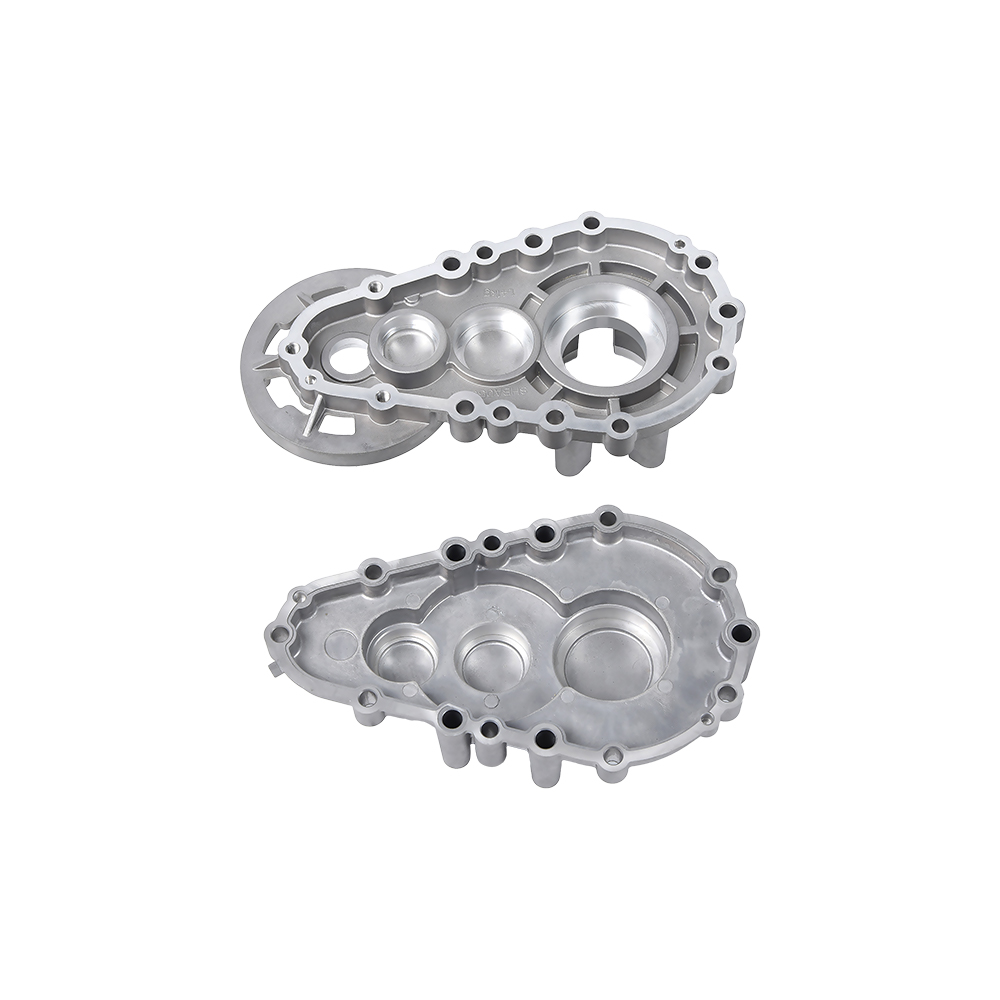
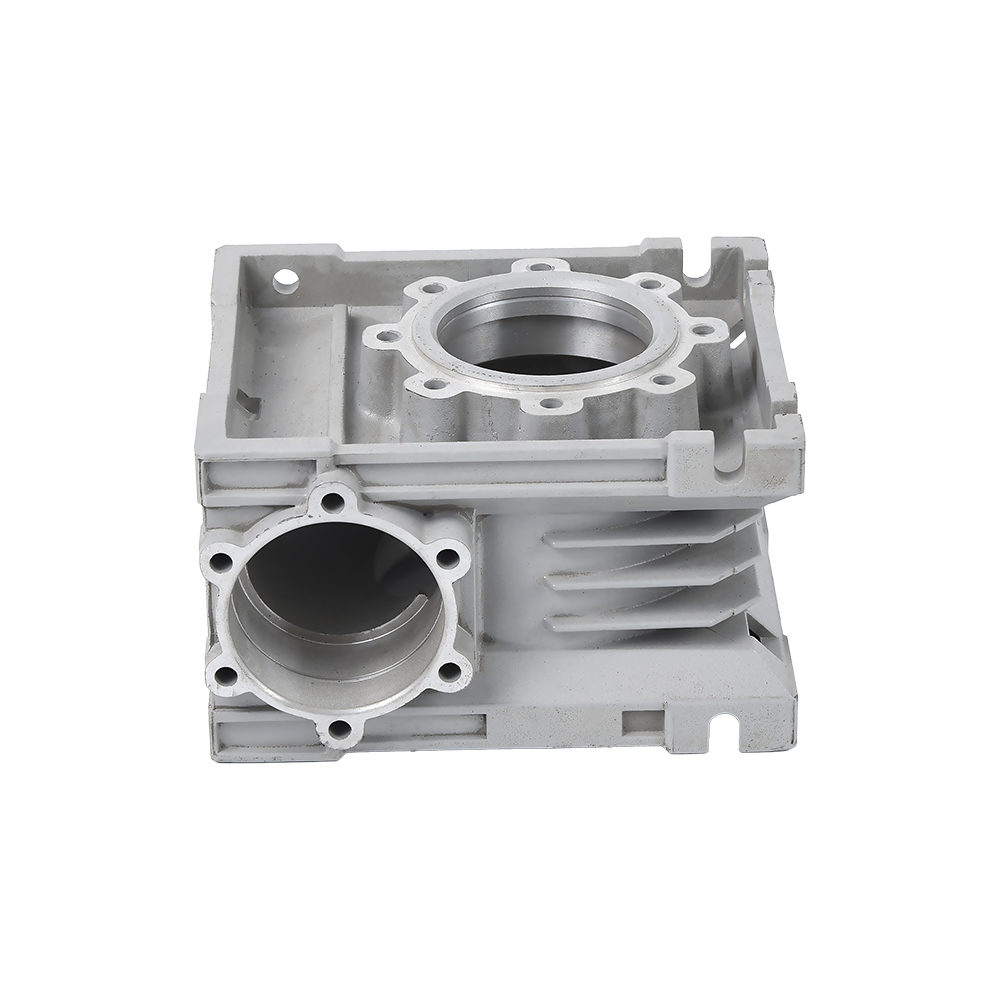
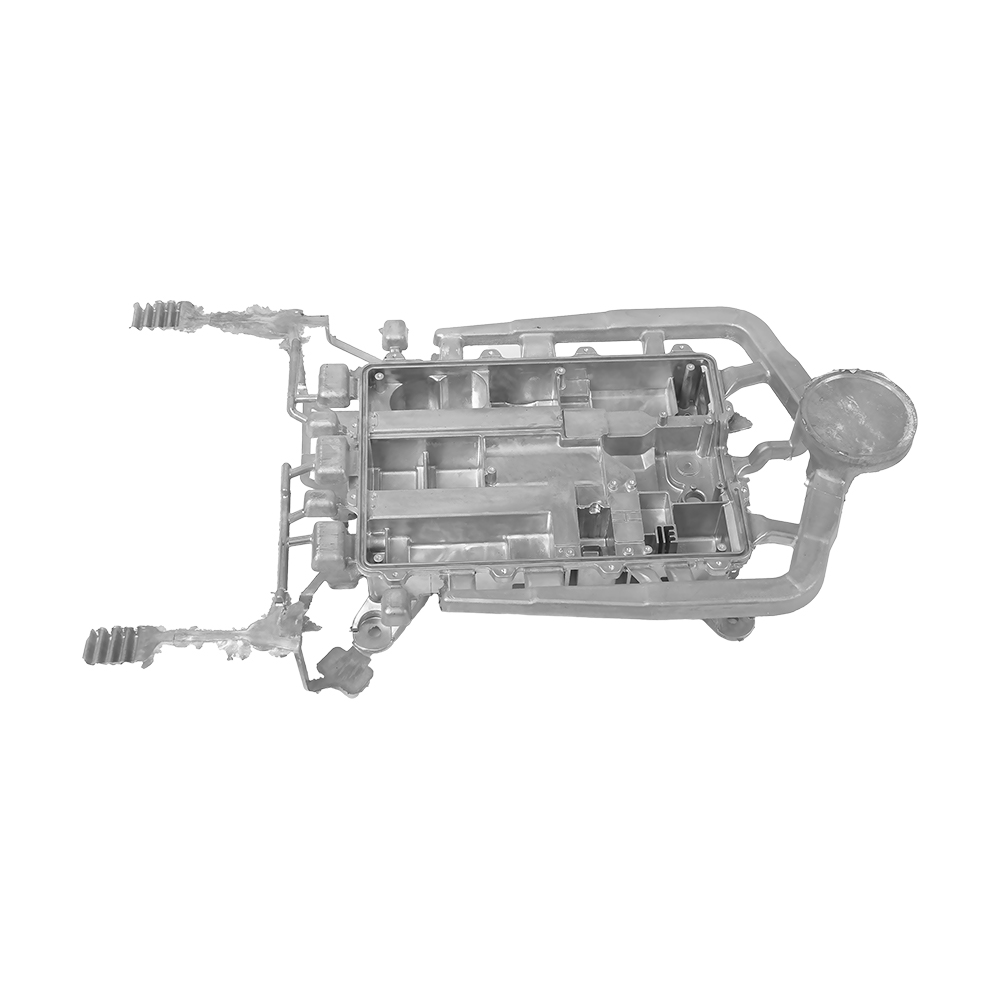 Aluminum Die Casting Gearbox Body for Rice TransplanterThis gearbox body is crafted via aluminum die casting, suitable for agricultural machinery like rice transplanters. The process ensures precise dimensions and durability, making it a reliable component for transmission systems.View Product →
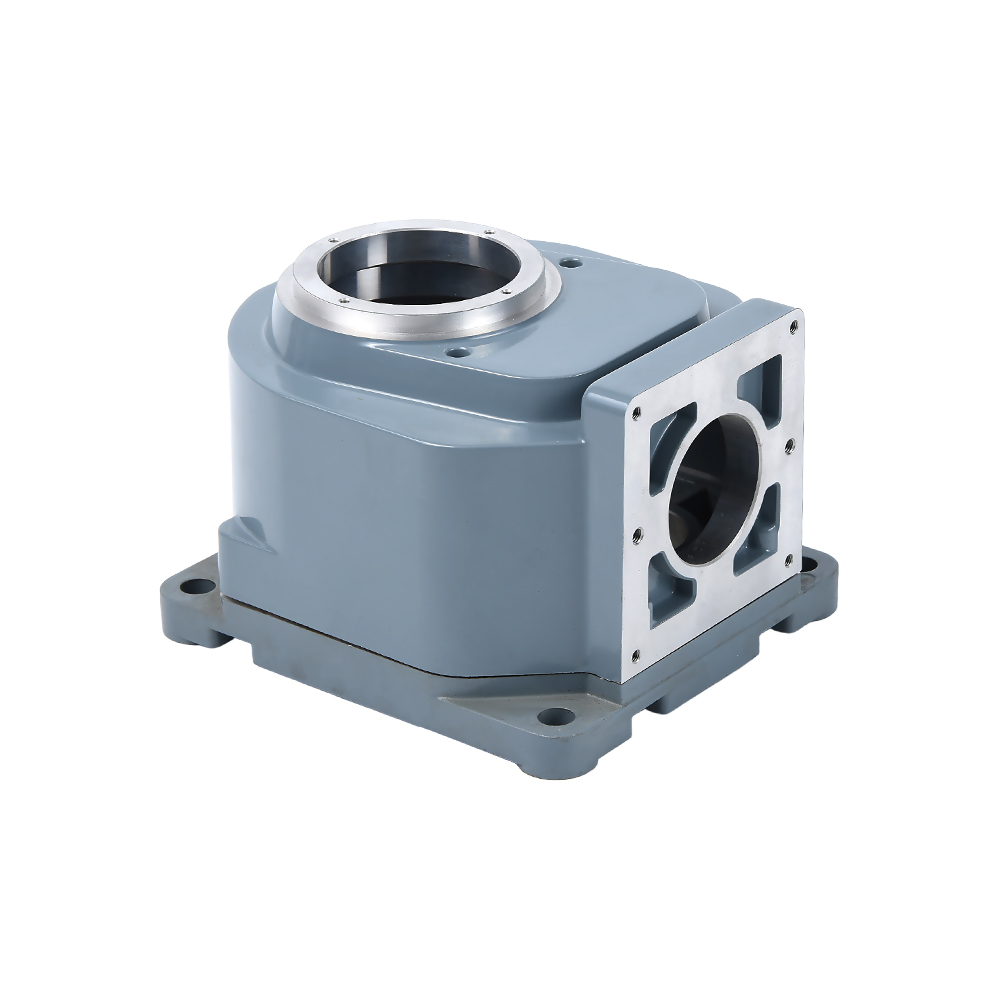
At Ningbo Beilun Youyuan Machinery Manufacturing, the company combines tooling, die casting, and CNC machining under one roof. The result is a continuous manufacturing chain: the die casting shop produces the near-net shape, and the machine shop finishes it to drawing tolerance. The customer receives a completed part, not a cast blank needing separate supplier coordination. Such an arrangement matters for gearbox housings and transmission cases where multiple bolt faces, bores, and sealing surfaces must meet tight specifications.
In addition to a standard machine shop, the practice also improves component consistency. Casting suppliers who machine their own parts can sort scrap, adjust casting parameters, and compensate for small dimensional shifts before they reach the CNC program. This makes the whole manufacturing process more stable and reduces the number of rejected final parts.
For projects that already use casting, the advantages of aluminum die casting include high production rates and excellent surface detail. When CNC finish machining is added on top, the part gets both the economic benefits of casting and the accuracy of machining.
Applications of CNC Machined Aluminum Parts
CNC machined aluminum components appear in nearly every industrial sector. The most common categories include:
Automotive and new energy vehicles
Engine mounts, transmission housings, heat sink plates, sensor brackets, battery housings, and motor structural parts are standard. Aluminum's high strength-to-weight ratio directly improves vehicle range by reducing overall weight. Every 100 kg of vehicle weight reduction in an electric vehicle can add approximately 10-15 km of driving range, making aluminum an obvious choice for mass-reduction programs. For example, electric vehicle manufacturers have replaced steel bearing brackets with aluminum die castings that are then CNC machined to hold bearing tolerances of +/-0.02 mm.
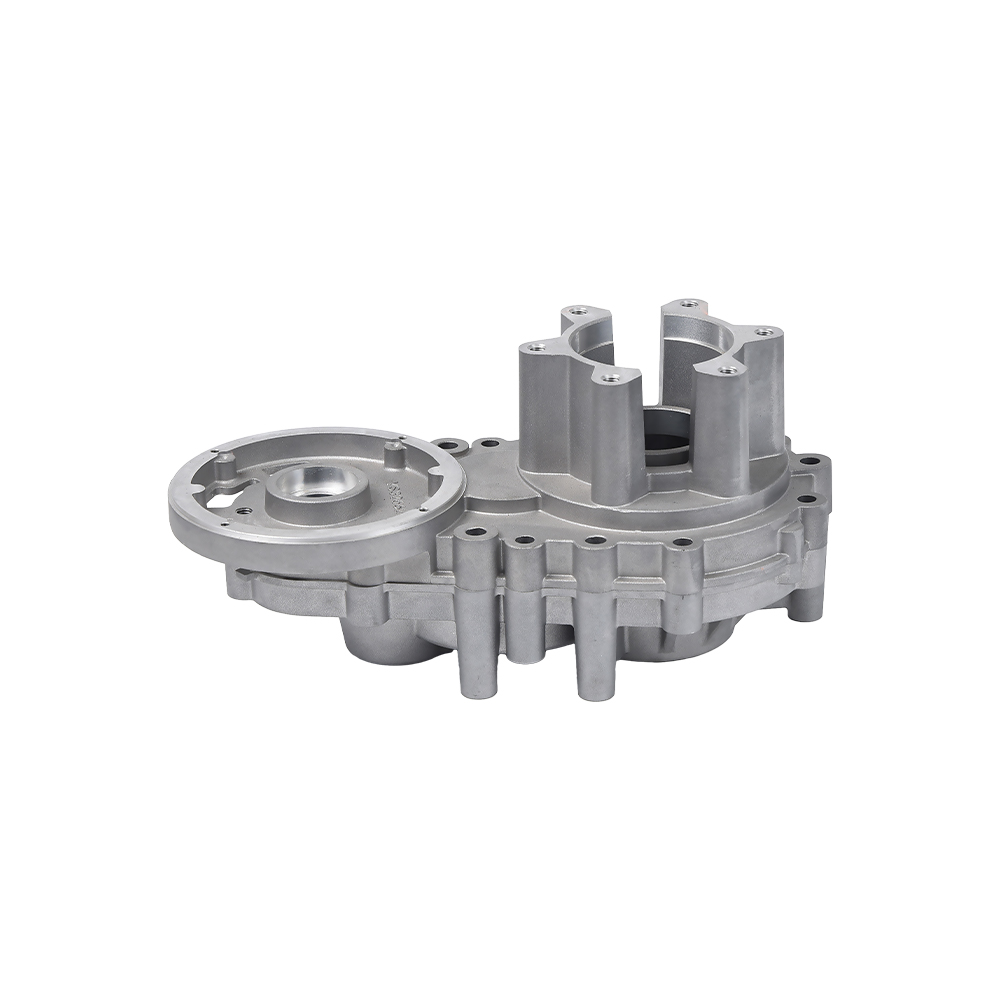
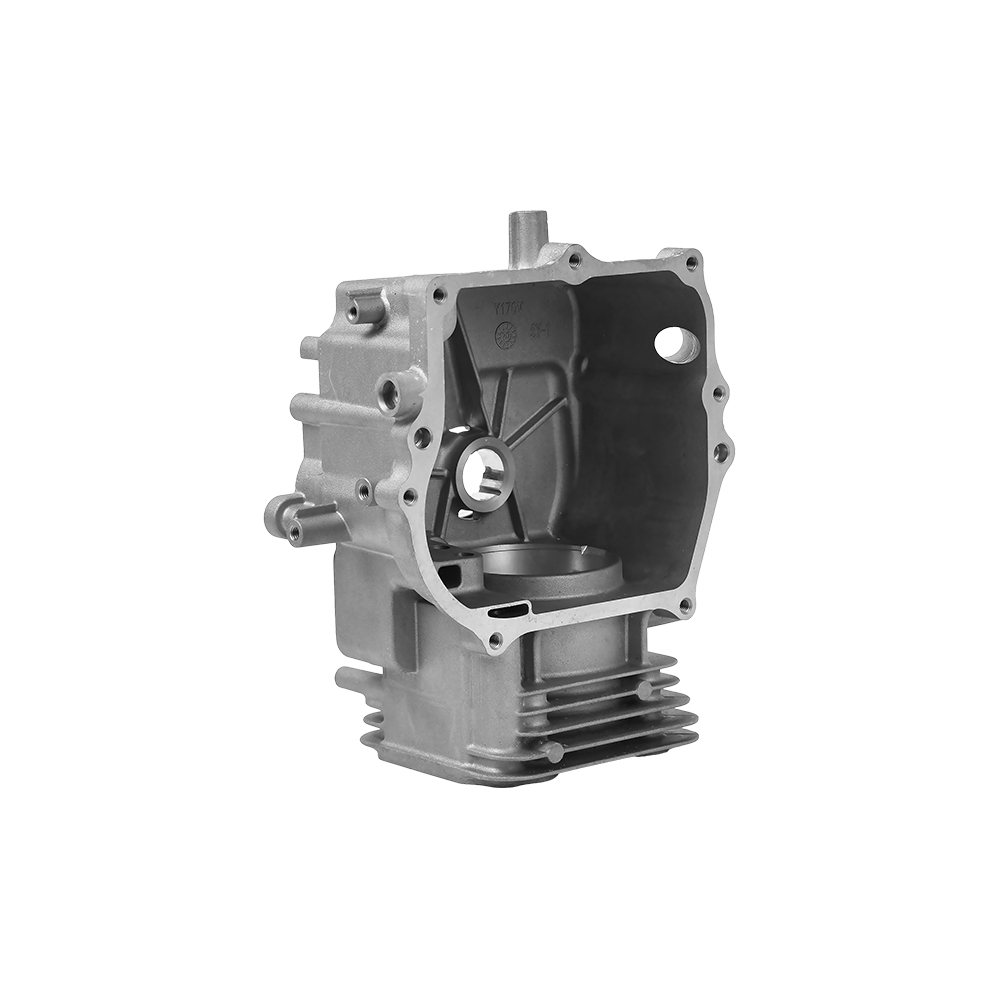
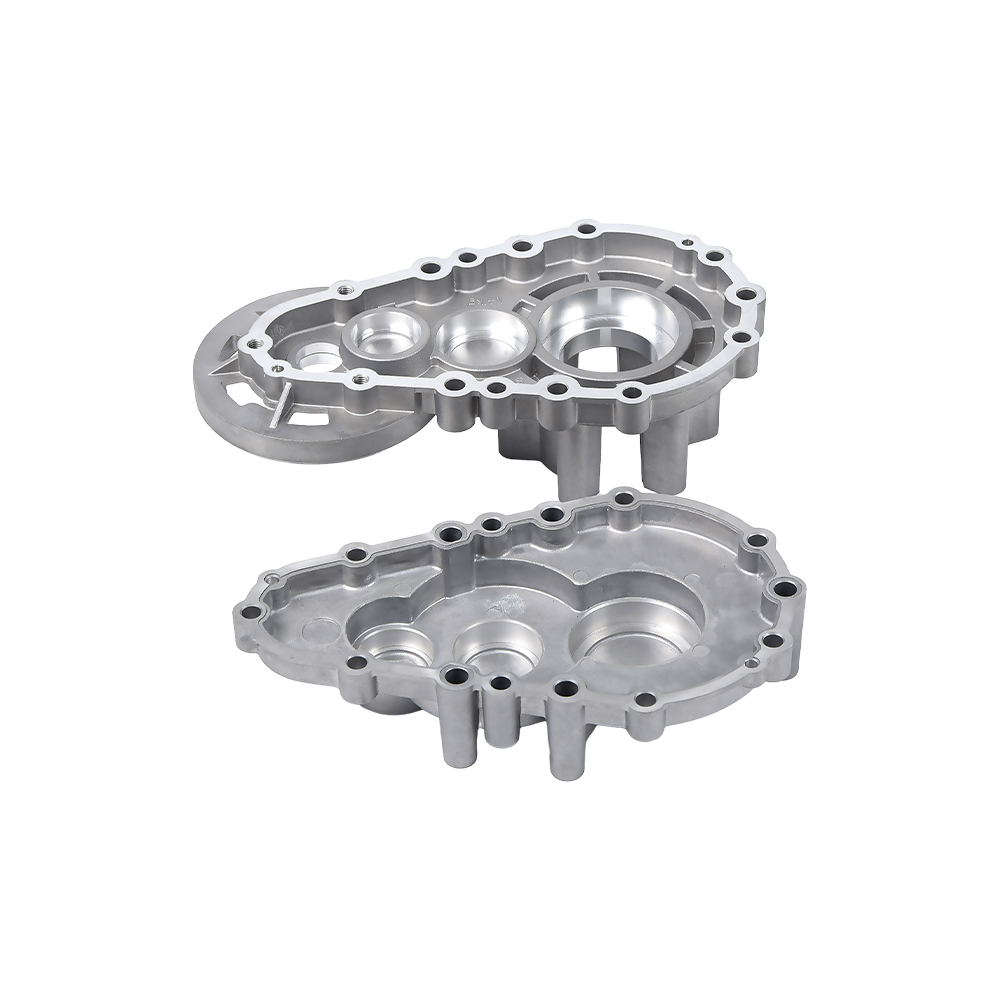 Motorcycle Crankcase Made with Aluminum Die CastingThis motorcycle crankcase is produced through aluminum die casting, providing strength and lightweight properties. It is essential for engine assembly, requiring subsequent CNC machining for accurate bores and threads.View Product →
Power tools and small engines
Motorcycle crankcases, transmission boxes, and engine covers are often cast and then machined. These parts need threaded holes, bearing bores, and gasket faces, all of which are most economically produced by machining after casting. The same logic applies to micro tiller gearboxes and planting machinery components.
Hydraulics and pneumatics
Hydraulic valves, valve blocks, regulator bodies, and pneumatic fittings rely on aluminum for lightweight and corrosion resistance. CNC machining produces the internal bores and threaded ports that control fluid flow. Many valve bodies are pressure tested after machining to confirm they meet the specified pressure class.
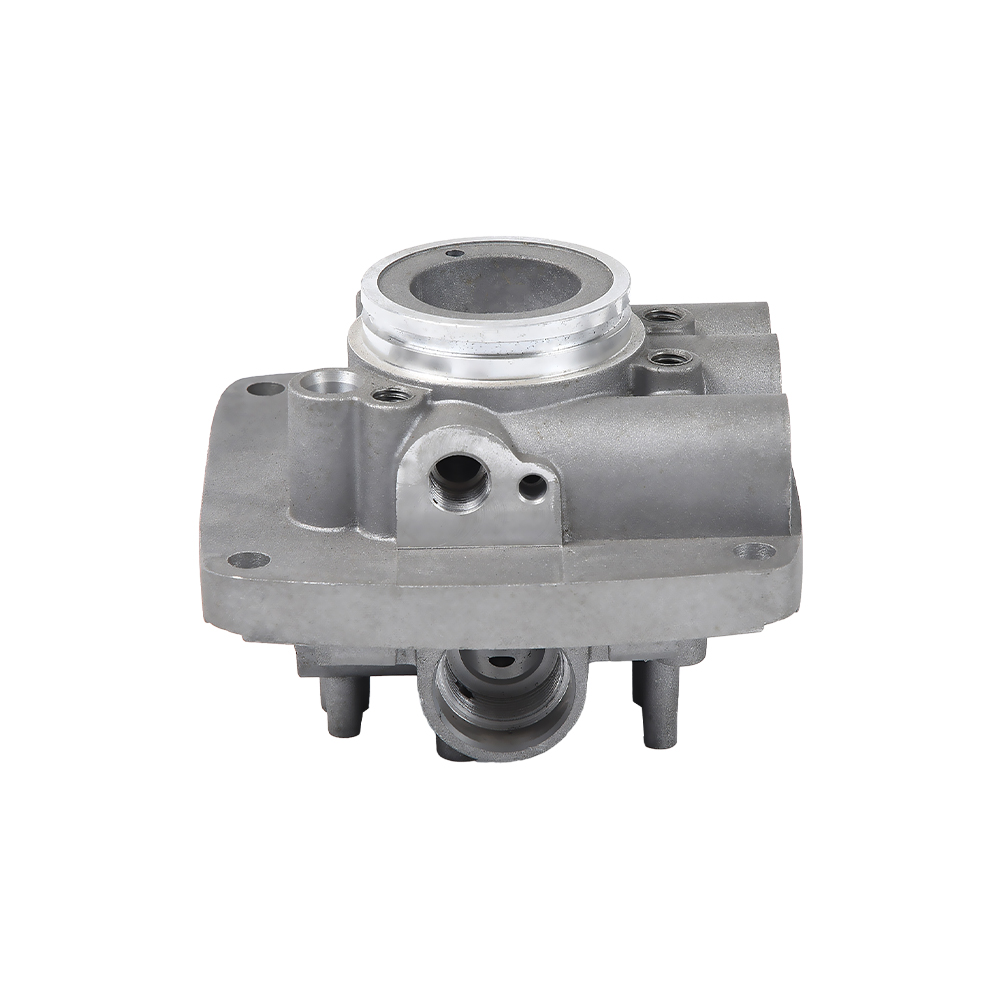
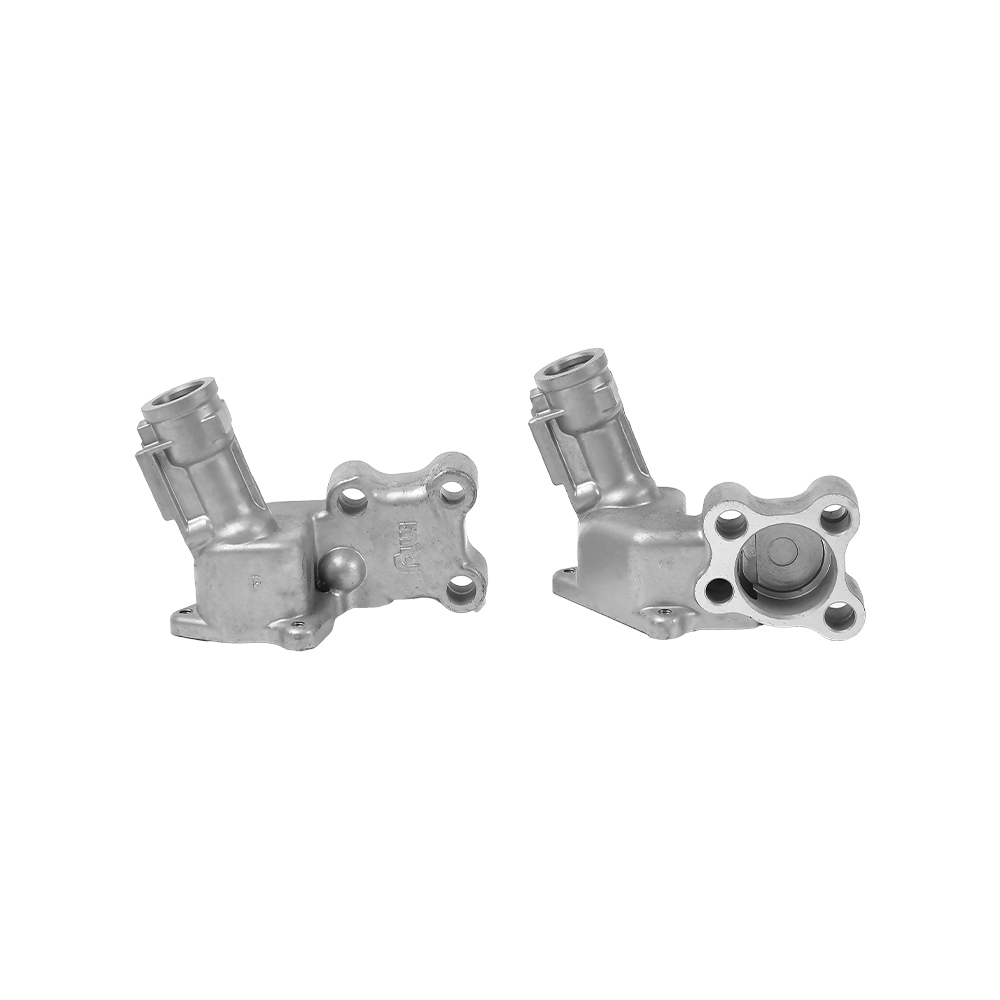
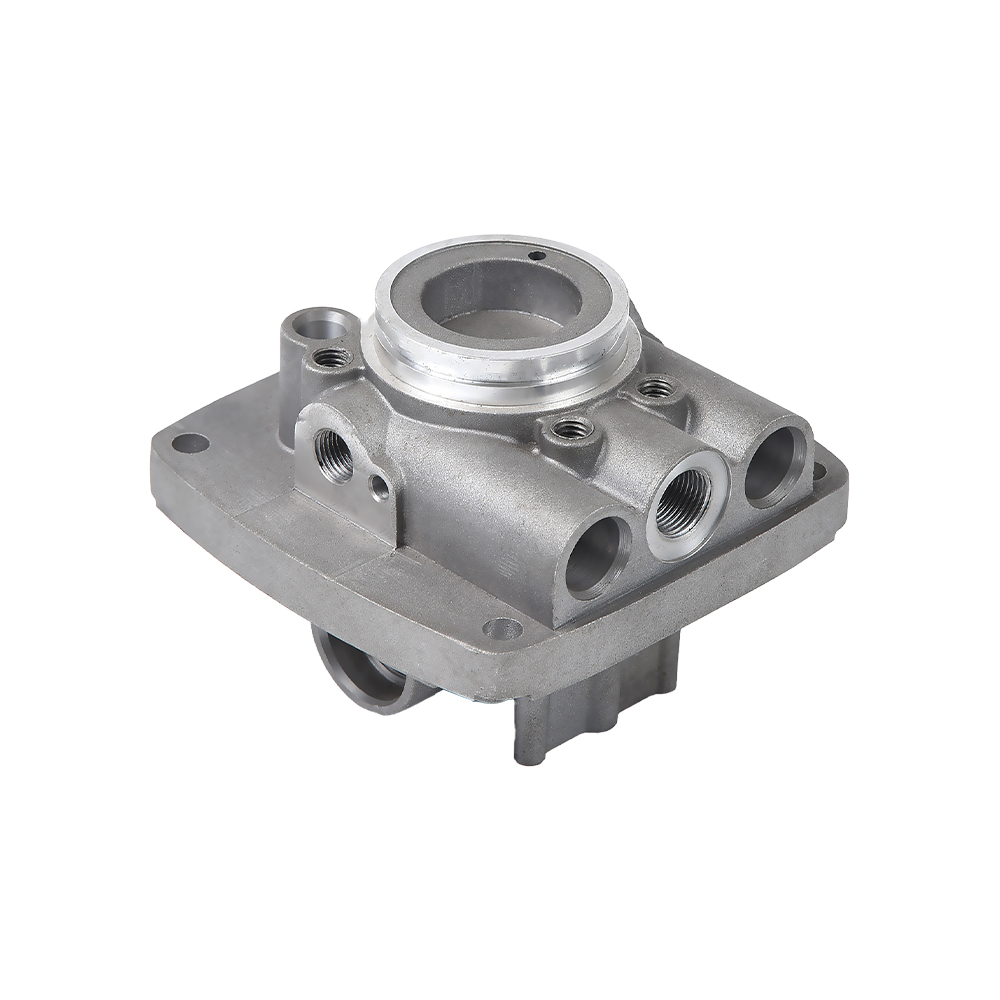 Aluminum Die Casting Hydraulic Valve for Fluid ControlThis hydraulic valve is made from aluminum die casting, offering corrosion resistance and lightweight construction. It is used in fluid control systems, with internal passages machined to exact specifications.View Product →
Electronics and thermal management
Heat sinks, LED housings, and electronic enclosures are frequently CNC machined or cast from aluminum. Since aluminum dissipates heat effectively, these parts are used in power supplies, inverters, and motor controllers. The low magnetic permeability of aluminum also makes it suitable for sensor housings where the material must not interfere with magnetic fields.
Agricultural machinery
Rice transplanter parts, crankcase housings, and gear boxes are commonly cast and machined. These parts need reliable sealing, bolt mounting, and dimensional interchangeability. CNC machining produces consistent fits and smooth surfaces that reduce wear and leakage in the field.
Medical device components
Aluminum instrument housings and brackets are used in portable medical devices where weight and corrosion resistance matter. CNC machining gives the device a smooth surface and exact dimensions, while anodizing provides a clean finish that withstands repeated cleaning.
How to Choose a CNC Machining Aluminum Supplier
Selecting the right supplier for CNC machined aluminum requires more than comparing quotes. The following factors consistently determine whether a project succeeds or suffers from delay and quality problems.
- Ask for the machining envelope and spindle capacity: Some shops max out at 600 mm travel on X, while others hold 1,000 mm or more. Know whether your largest part fits before you issue the order.
- Request tolerance and surface finish data: A competent supplier should tell you what tolerances they hold in production, not just what is possible. For aluminum parts, look for +/-0.01 mm on critical bores and Ra 0.8 um on sealing faces.
- Check the machine list: CNCs, milling centers, turning centers, and wire-cut machines make up the shop's capability. If the shop also has die casting, it can produce near-net shapes for high-volume work. Ningbo Beilun Youyuan Machinery lists die casting and CNC machining quantities in its production system.
- Look for integrated tooling and casting: A supplier that can produce the tooling, cast the part, and machine it is a strong partner for volume production. This reduces coordination overhead and makes quality control easier.
- Evaluate the inspection setup: Standard tools include calipers, micrometers, height gauges, and CMM equipment. The supplier should be able to provide a dimensional report with the first article.
- Test with a sample order: Always run a small batch or prototype before requesting production quantities. This verifies the machining process, packaging, and response time before committing large capital.
For buyers sourcing aluminum parts in China, the factory location matters. The supplier should demonstrate a track record in the specific part family: automotive, hydraulic, agricultural, or electrical. The example of an established die-cast and machining company in Ningbo, with over a decade of production experience, shows the value of alignment between the supplier's product range and the customer's application.
Cost Drivers in CNC Machining Aluminum
Understanding where the money goes helps buyers negotiate the right price and avoid overpaying for irrelevant requirements.
| Cost Driver | Impact on Part Cost | How to Reduce It |
|---|---|---|
| Material grade | 7075-T6 costs about 30-40 percent more than 6061-T6 | Use 6061-T6 unless the design requires specific strength |
| Die casting tooling | USD 5,000-50,000 per die set | Use casting only when volume justifies the tooling cost |
| Machining time | Usually the largest single cost item | Minimize the number of setups and cutter paths; design for 3-axis where possible |
| Surface treatment | Adds from USD 0.5 to 3 per part depending on type | Only include anodizing or plating when the function or appearance requires it |
| Inspection | Full CMM inspection adds time and cost | Only inspect critical dimensions in full, use statistical sampling for others |
| Quantity | Fixed setup and tooling costs spread across more parts | Increase order quantity where demand allows; small orders carry high fixed cost |
To give a practical example, a simple aluminum bracket of 0.2 kg might cost USD 2-4 to machine from 6061-T6 in a low-volume order of 50 pieces. That same bracket, when produced as a die casting and then CNC finished in a quantity of 10,000 pieces, can drop to USD 0.8-1.5 per part, even after the machining step.
FAQ: Frequently Asked Questions about CNC Machining Aluminum
What is the typical tolerance for CNC machining aluminum?
Standard CNC machining aluminum holds tolerances of +/-0.10 mm for most commercial parts. Tighter tolerances of +/-0.01 mm are achievable with careful setup and temperature control. Precision grinding can reach +/-0.002 mm but adds significant cost per part.
Can CNC machining aluminum achieve a mirror-like finish?
Yes, a mirror-like finish requires a combination of high-speed machining with fine polished tools and often a post-process like buffing or diamond turning. Standard CNC milling gives Ra 0.8-1.6 um, which is smooth but not mirror-like. For decorative surfaces, anodizing or polishing is usually added.
How long does CNC machining aluminum take for a typical part?
For a simple bracket, lead time is usually 3-5 working days. For a complex part with 5-axis work and anodizing, allow 2-3 weeks. If the component starts as a die casting and needs tooling, the full lead time is often 4-6 weeks including tool making and first article approval.
How do I choose between machining and die casting for aluminum parts?
The decision comes down to volume and geometry. For quantities below about 500 pieces, machining from bar is more economical. For 1,000 pieces or more, with a complex near-net shape, die casting plus CNC finish machining saves money. The difference is primarily the tooling cost of the casting die.
Should I specify 6061-T6 or 7075-T6 for CNC machined aluminum?
Use 6061-T6 for general-purpose parts, machine components, and enclosures. Choose 7075-T6 when the part is highly loaded, like an aerospace bracket or a high-strength armature, and when the added cost is justified. The tensile strength of 7075 is 572 MPa versus 310 MPa for 6061, but the cost and corrosion resistance are less favorable.
Can CNC machined aluminum be welded?
Yes, aluminum can be welded using TIG or MIG methods. However, welding heat can alter the mechanical properties of the base material, especially in the heat-affected zone. If the part is machined after welding, weld stress and distortion need careful consideration. Most CNC machined aluminum suppliers avoid welding unless the design has no alternative.
How do I know if my CNC machined aluminum part will corrode?
Aluminum resists atmospheric corrosion well, but it can experience galvanic corrosion when coupled with steel or copper in a wet environment. Anodizing, sealed anodizing, or powder coating each provide additional protection. If the part operates outdoors or near the ocean, specify a thicker anodic coating.
Final Takeaway on CNC Machining Aluminum
CNC machining aluminum is a mature, reliable manufacturing process. Aluminum's low density, natural corrosion resistance, and excellent machinability make it the standard material for precision components in automotive, electronics, hydraulics, agricultural, and medical equipment. Tolerances down to +/-0.01 mm and surface finishes of Ra 0.8 um are entirely realistic, and the best supplier will help you choose the right alloy and process combination for your application.
For higher volumes, combining die casting with CNC finish machining offers the lowest total cost without losing dimensional precision. The key is to choose a manufacturing partner that controls both the casting and machining steps internally, giving you one point of accountability. With the right supplier, CNC machined aluminum parts arrive at the right tolerance, on time, and at a cost that reflects the actual manufacturing effort.