 LANGUAGE
  English
 русский
 Español

Home / News / Industry News / Aluminum Machining Services for Precision Die-Cast and CNC-Machined Parts
Content
- 1 What Aluminum Machining Services Actually Deliver
- 2 Die Casting and CNC Machining: How the Two Stages Work Together
- 3 Common Aluminum Alloys Used in Machining Services
- 4 Precision, Tolerances, and Surface Finish: What You Can Expect
- 5 Aluminum Machining Applications Across Industries
- 6 Choosing Between High-Pressure Die Casting, Low-Pressure Casting, and CNC Billet Machining
- 7 Cost and Lead Time Considerations
- 8 How to Evaluate an Aluminum Machining Supplier
- 9 Frequently Asked Questions About Aluminum Machining Services
- 9.1 What is the difference between aluminum die casting and aluminum machining?
- 9.2 What tolerances can aluminum machining services hold?
- 9.3 Do aluminum machining services include surface treatment?
- 9.4 Which aluminum alloy is best for machined parts?
- 9.5 Can I send an existing casting to an aluminum machining service?
- 9.6 How many pieces are suitable for aluminum machining services?
What Aluminum Machining Services Actually Deliver
Aluminum machining services turn raw aluminum or cast blanks into finished components with controlled dimensions, clean surfaces, and reliable assembly performance. For most buyers, the practical conclusion is direct: choose a supplier that handles both casting and machining in one facility, because that removes alignment problems between manufacturing steps and shortens the overall lead time.
Ningbo Beilun Youyuan Machinery Manufacturing Co., Ltd. follows this integrated model. The workshop combines aluminum die casting, low-pressure die casting, and CNC machining, so a part can move from molten alloy to finished product without changing factories. This matters most for automotive, industrial, and electrical parts where dimensional stability and leak-free channels are critical.
A functional aluminum machining service should include:
- CNC milling, turning, drilling, reaming, tapping, and deburring of aluminum components.
- Machining of castings produced internally or supplied by the customer.
- Stable fixture design that keeps hole positions and bore alignment consistent across batches.
- Inspection of critical dimensions before forming, anodizing, or assembly.
The rest of this article explains the main alloys, tolerance levels, surface finishes, application areas, and selection factors that should shape an aluminum machining decision.
Die Casting and CNC Machining: How the Two Stages Work Together
Aluminum machining services do not always start with a solid block. In many production programs, the part begins as a die casting. Machining then brings only the functional surfaces, hole patterns, and thread positions to final accuracy.
Why Die Casting Comes First
High-pressure die casting produces near-net-shape components quickly and consistently. It is particularly efficient for complex forms such as motor housings, pump bodies, and gearbox housings. Once the casting leaves the die, however, many dimensions remain in a cast condition. For a step-by-step introduction to this stage, see how aluminum die casting is made. The casting still needs machining when a hole, bore, or sealing face must be more accurate than the casting process can hold.
Why CNC Machining Follows
CNC machining removes material from selected locations with much tighter control. It shapes the mounting face, opens oil and water passages, and cuts thread forms. It also improves the surface condition at sealing areas. When casting and machining run under one roof, the machining team can give faster feedback to the casting team, which reduces scrap and accelerates first-article approval.
- Trim the gate, overflow, and flashing from the casting.
- Machine the locating datums and principal mounting faces.
- Drill, ream, and tap holes for fasteners and fluid passages.
- Deburr edges and clean internal channels.
- Inspect final dimensions and release the part for surface treatment or assembly.
Common Aluminum Alloys Used in Machining Services
Material selection sets the ceiling for strength, corrosion resistance, and finishing quality. In aluminum machining services, the most common alloys are split into casting alloys and wrought alloys. Each has a different machining behavior.
| Alloy | Typical Process | Best Suited For | Machining Notes |
|---|---|---|---|
| ADC12 | High-pressure die casting | Pump housings, valve bodies, brackets | Good fluidity and moderate strength; machines cleanly with coated carbide tools. |
| A356 | Low-pressure die casting | Structural parts, cylinder-related parts | Better toughness and weldability; responds well to heat treatment. |
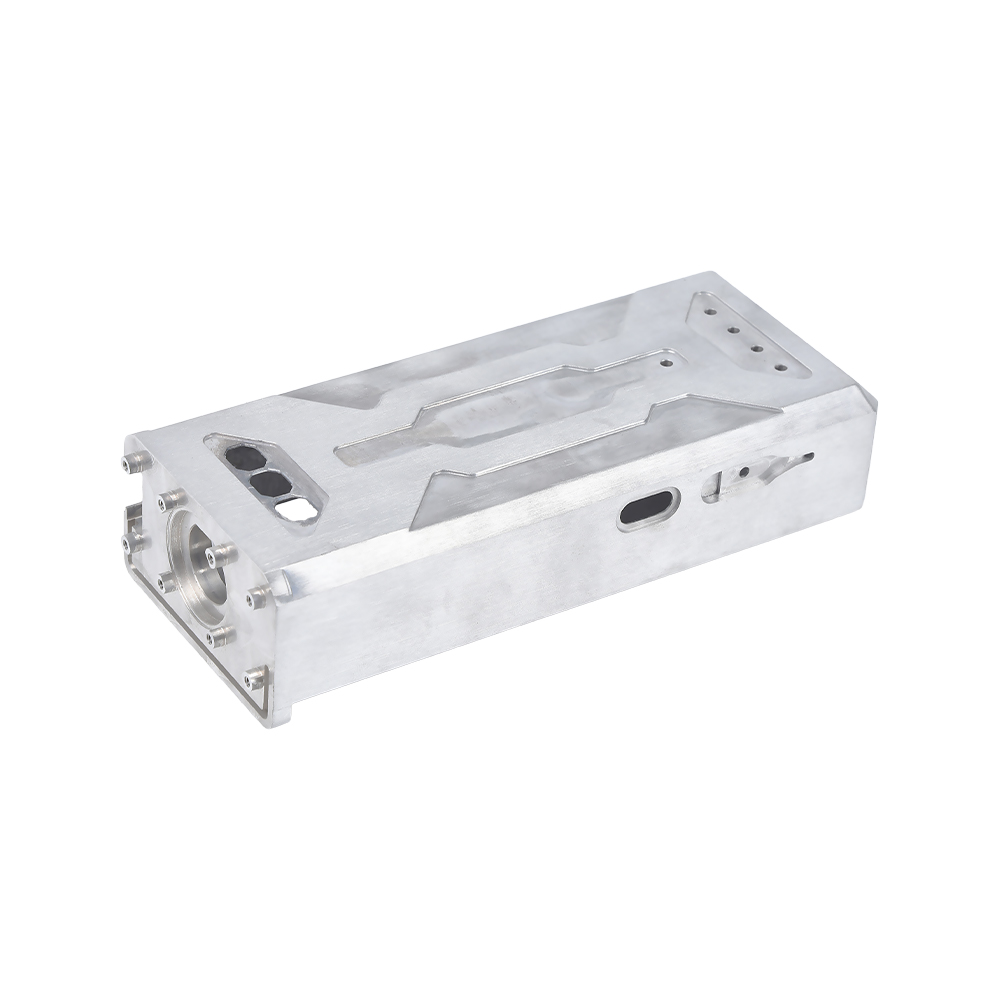
| 6061-T6 | CNC billet machining | Custom brackets, covers, frames, prototypes | Excellent machinability; stable anodizing response. |
| 6063 | Extruded profile plus machining | Heat sink frames, rails, housings | Good surface appearance; lower strength than 6061. |
| 7075-T6 | CNC billet machining | High-strength structural parts | Very strong but more abrasive on tooling; higher cost. |
For machined parts, the alloy and temper should appear on the drawing. A quote based on aluminum alone risks the wrong strength, hardness, or corrosion behavior.
Precision, Tolerances, and Surface Finish: What You Can Expect
A reliable aluminum machining service can hold general machined tolerances of +/- 0.05 mm and precision features of +/- 0.02 mm when the fixture, tool, and inspection method are controlled. For lower-volume CNC work from billet, the same tolerances are realistic. For die-cast surfaces without machining, dimensional variation is larger and should not be compared with cut surfaces.
| Feature | Typical Capability | Production Notes |
|---|---|---|
| Outer profile and linear dimensions | +/- 0.10 mm | Standard for most manufacturing drawings. |
| Machined faces and bores | +/- 0.03 to 0.05 mm | Depends on fixture stability. |
| Hole positions | +/- 0.05 mm | Tighter with a coordinate measuring machine. |
| Thread position | +/- 0.15 mm | Practically driven by the tapped hole position. |
| Surface finish | Ra 1.6 micrometers standard; Ra 0.8 micrometers possible | Requires a finishing pass and a sharp tool. |
| Flatness | 0.05 mm per 100 mm | Designed feature; not always required for every part. |
The numbers above are planning values, not guarantees. A final tolerance study should be done on the actual part geometry, because thin walls and deep holes change the result.
Aluminum Machining Applications Across Industries
The value of aluminum machining services becomes clear when a part has to fit, seal, or move against another component. The applications below represent the most common demand patterns for integrated casting and machining.
Automotive and New Energy Vehicle Parts
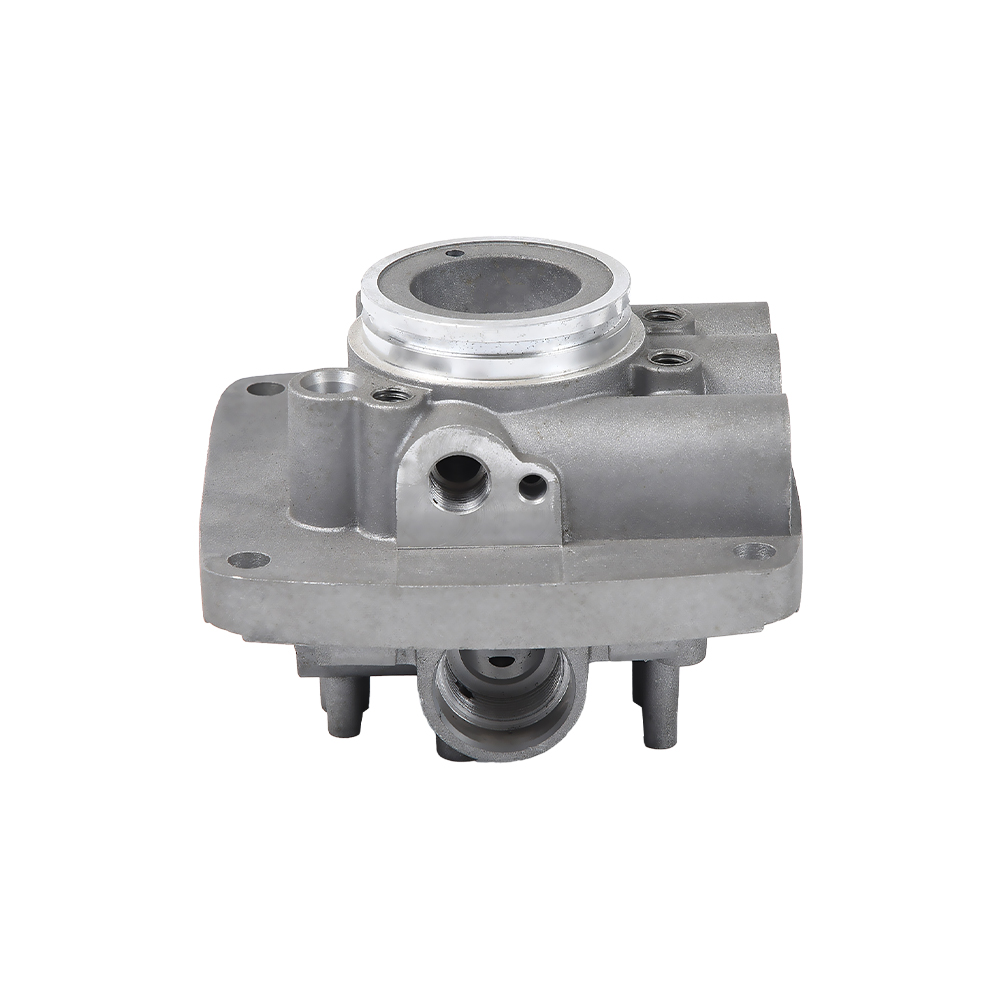
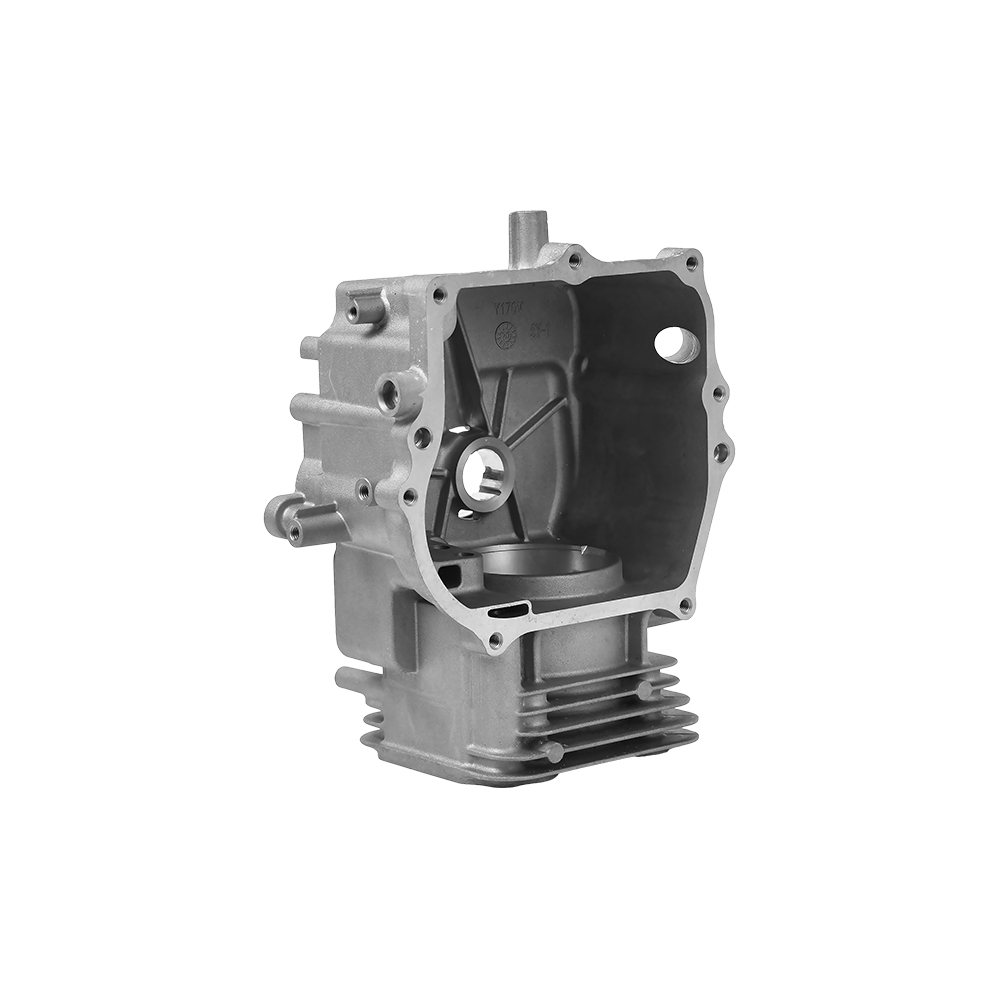
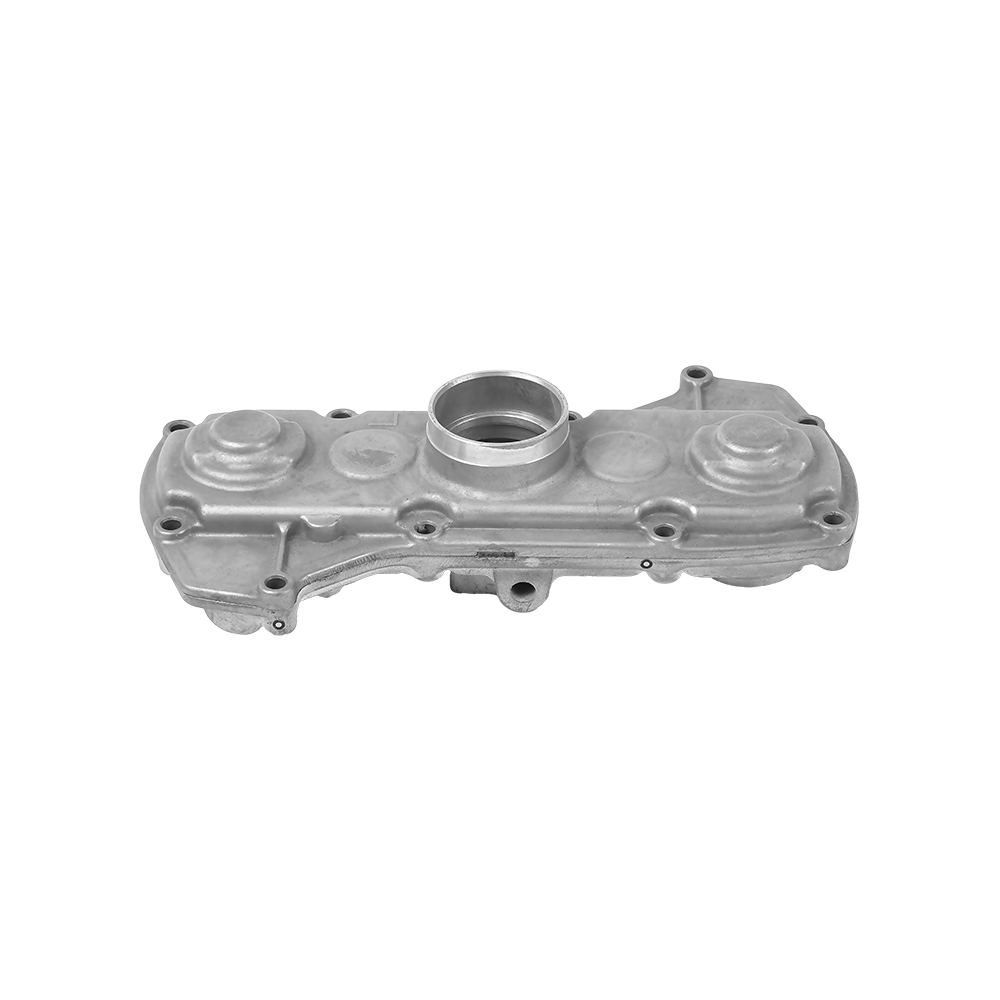
Automotive buyers rely on aluminum machining for engine oil pump housings, water pumps, thermostat casings, heat-dissipation covers, and electric motor parts. These components face engine vibration, thermal cycling, and fluid pressure. A clean machined bore and a correct sealing face are the main quality gates. For example, our range includes aluminum auto engine cylinder parts, where the casting provides the complex outer shape and CNC machining finishes the critical mounting and sealing surfaces.
 Custom Aluminum Auto Engine Cylinder Parts Manufacturers. OEM Suppliers - NingboBeilun Youyuan Machinery Manufacturing Co., Ltd is a China OEM/ODM Aluminum Auto Engine Cylinder Parts manufacturers and Aluminum Auto En...View Product →
Gearboxes and Transmission Housings
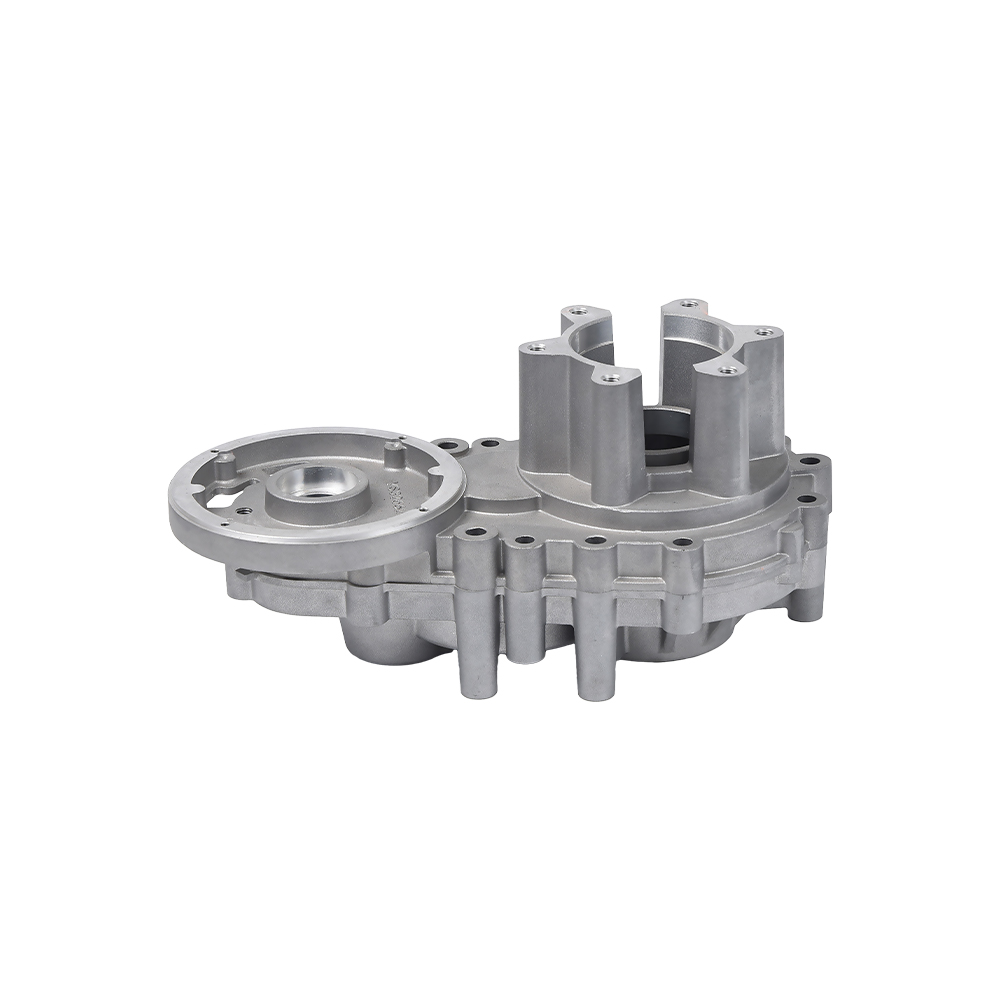
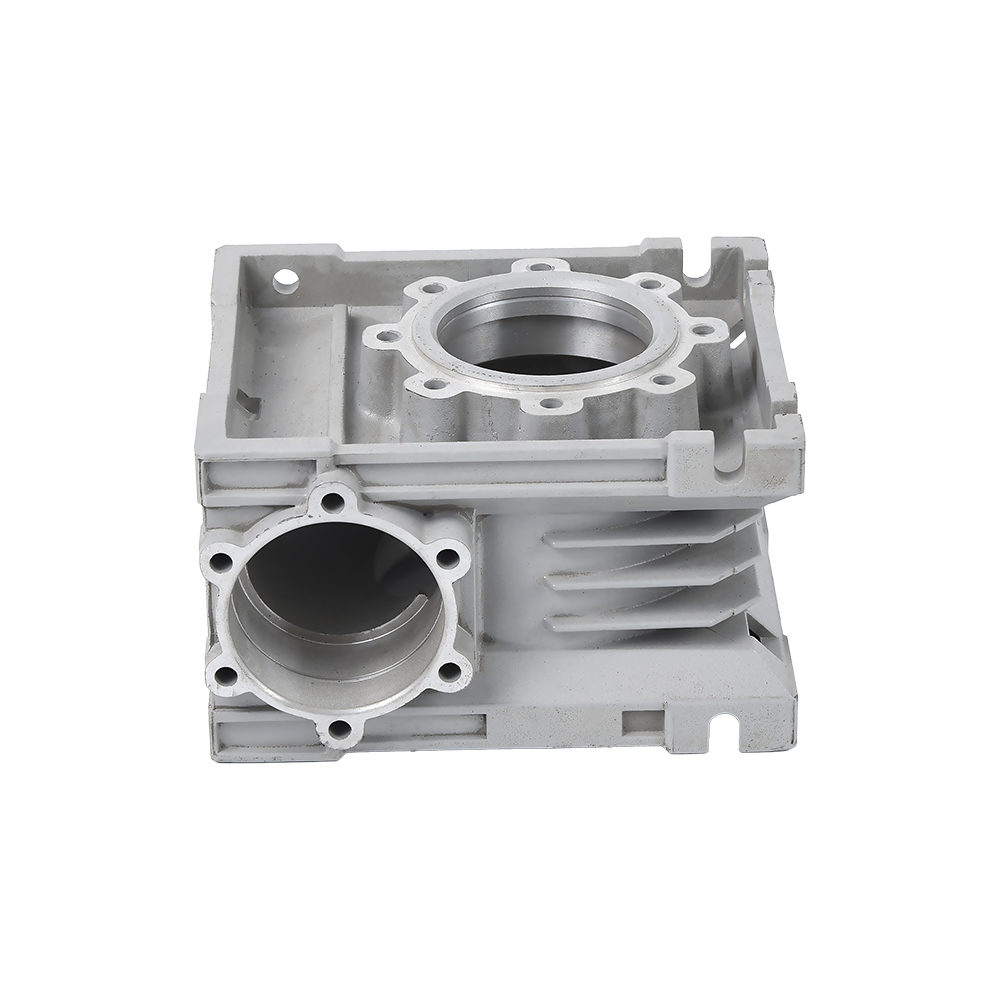
Gearboxes need a rigid housing to keep shafts and bearing seats aligned. Aluminum offers a good balance between weight and stiffness, which is why motorcycle transmission cases, gear reducers, and agricultural gearboxes are commonly cast and then machined. A representative product is the aluminum die-cast gearbox housing, with machined bores for the bearings and a machined joint face for the cover.
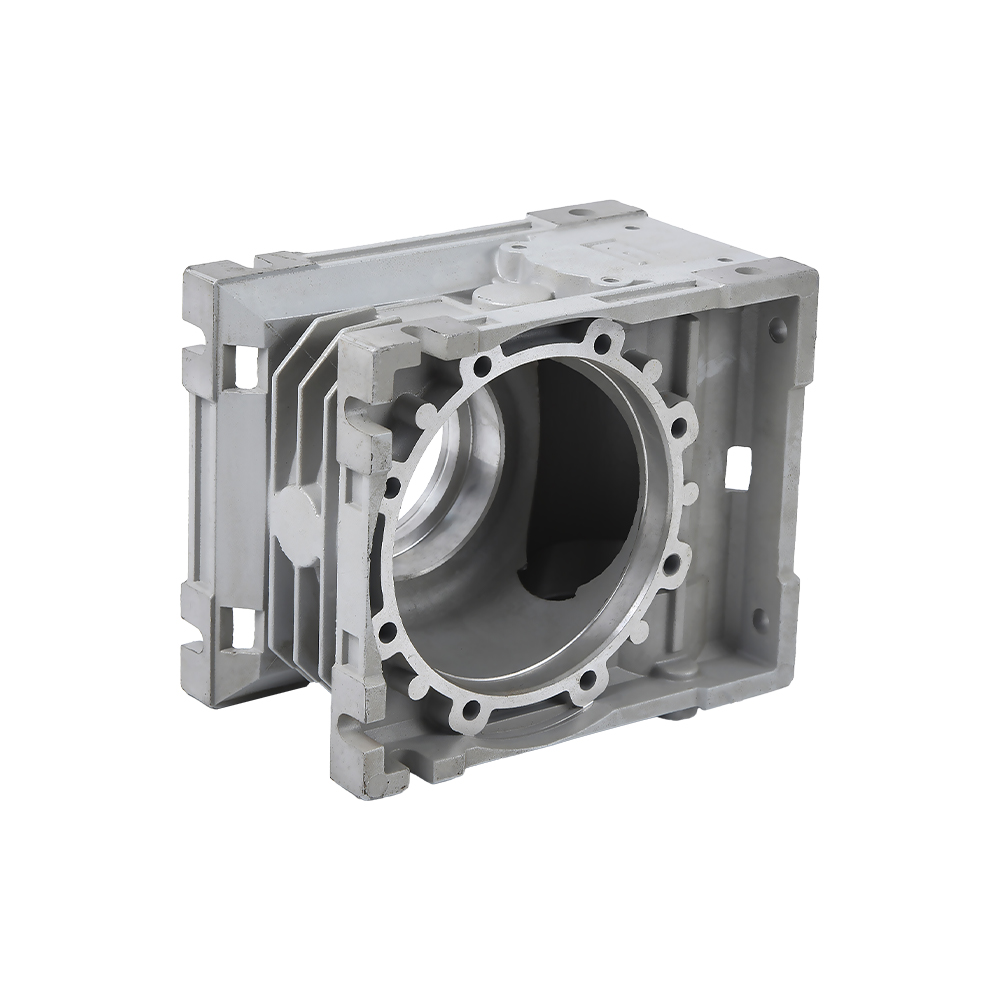 Aluminum Die Casting Gearbox Housing- Ningbo Beilun Youyuan Machinery ManufacturThe aluminum die-casting gearbox housing represents a pinnacle in engineering excellence, seamlessly merging durability, precision, and l...View Product →
Hydraulic, Pneumatic, and Industrial Machinery Parts
Hydraulic and pneumatic systems depend on internal passages and valve seats that are free of burrs and accurately positioned. Aluminum machining services handle hydraulic valve bodies, pressure-regulating valves, pneumatic components, and opening machine accessories. The machining sequence must avoid pushing chips into cross-drilled holes, so good deburring and cleaning routines are part of the service.
Electrical, Smart Home, and Medical Device Accessories
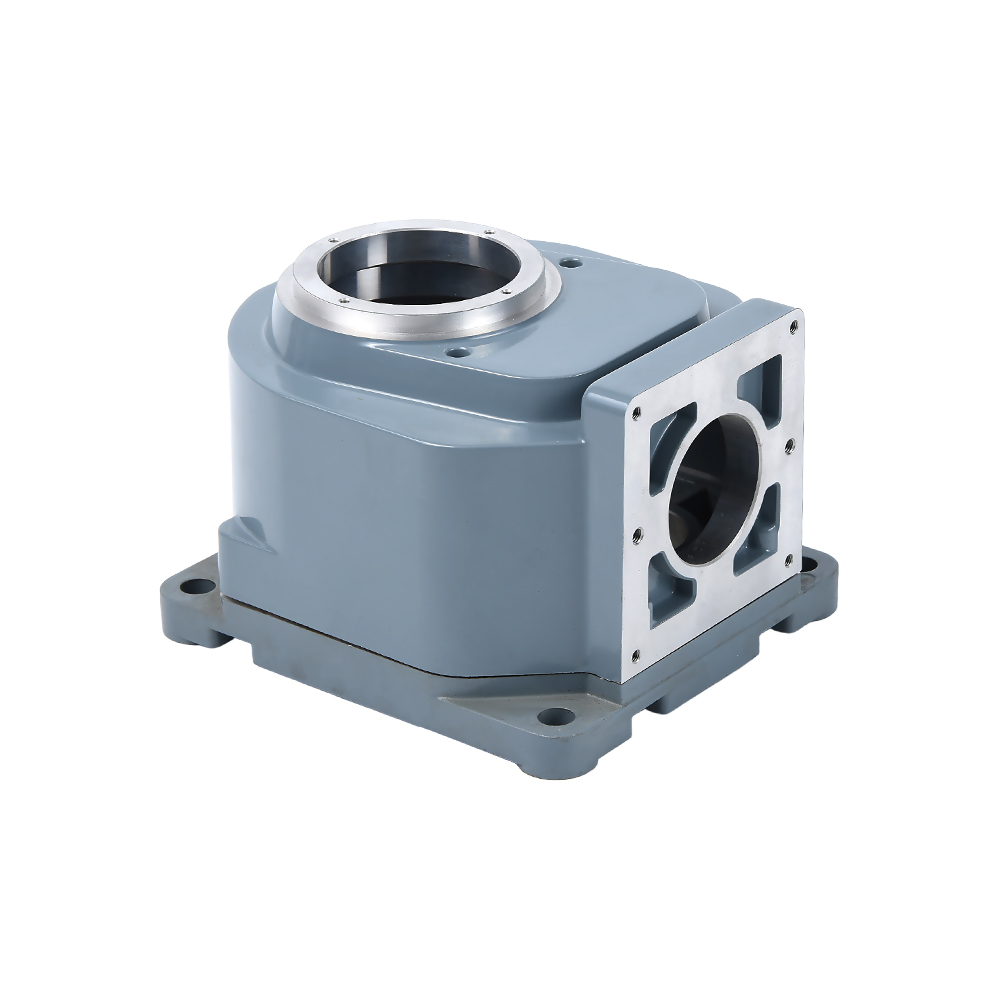
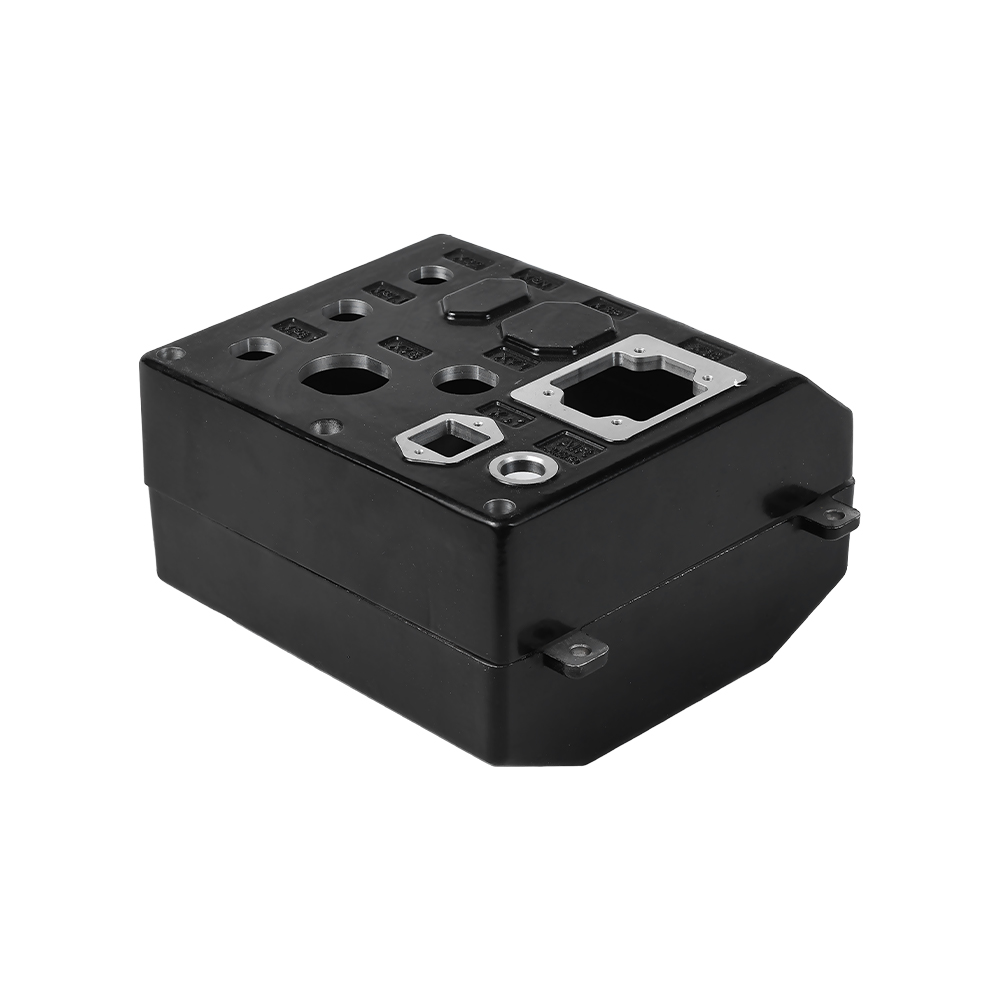
Smaller parts such as motor housings, sensor casings, smart home accessories, and medical device accessories also benefit from the cast-plus-machined approach. The casing protects sensitive internals, and the machined faces create the datum for sealing or assembly. A practical example is the aluminum die-cast motor housing 375, where the inside diameter and mounting flange need controlled dimensions that cannot be left in the as-cast state.
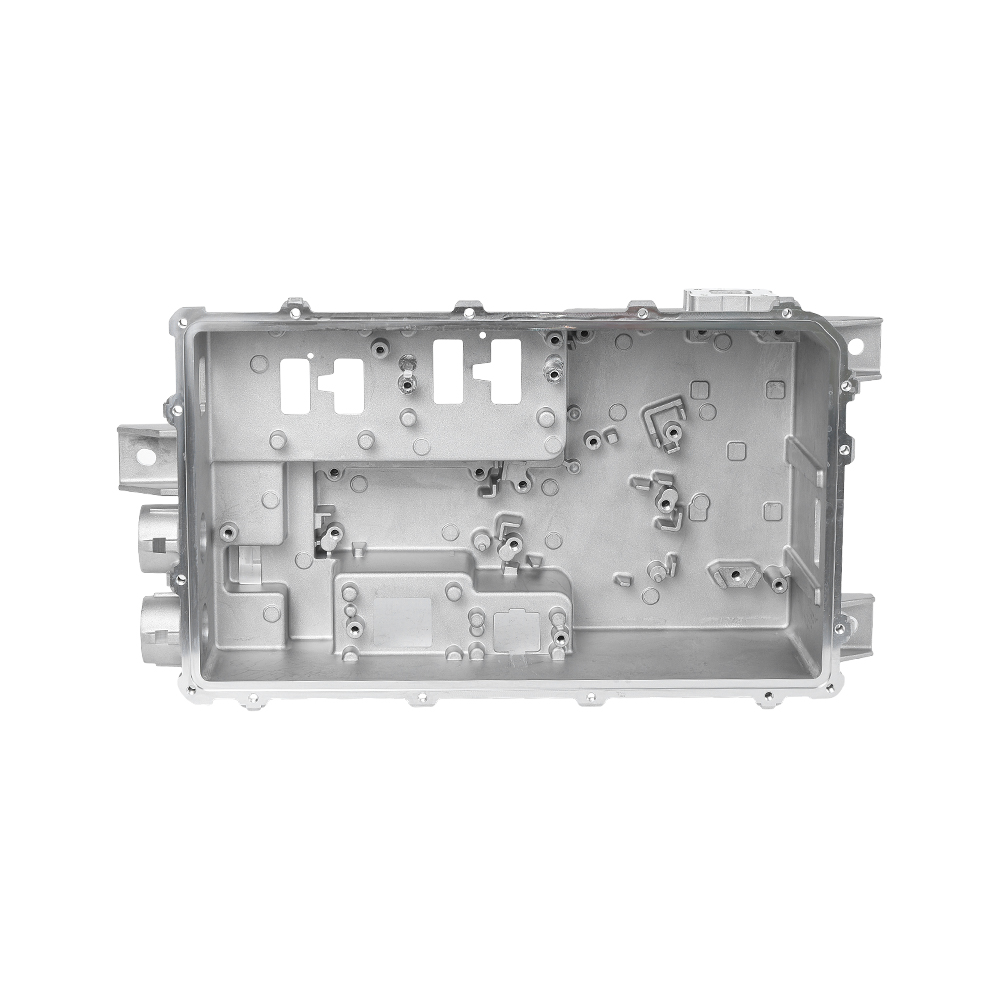 Custom Aluminum Die Cast Motor Housing 375 Manufacturers. OEM Suppliers - NingboBeilun Youyuan Machinery Manufacturing Co., Ltd is a China OEM/ODM Aluminum Die Cast Motor Housing 375 manufacturers and Aluminum Die Cas...View Product →
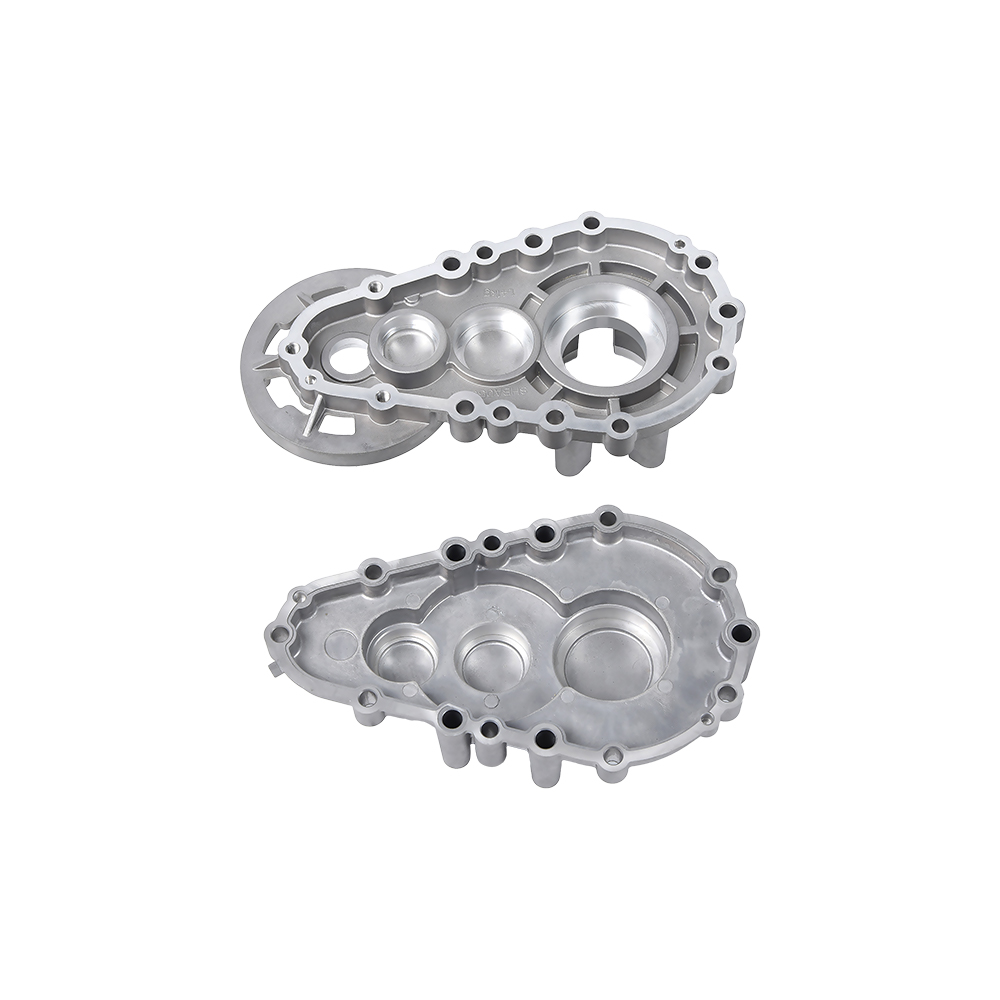
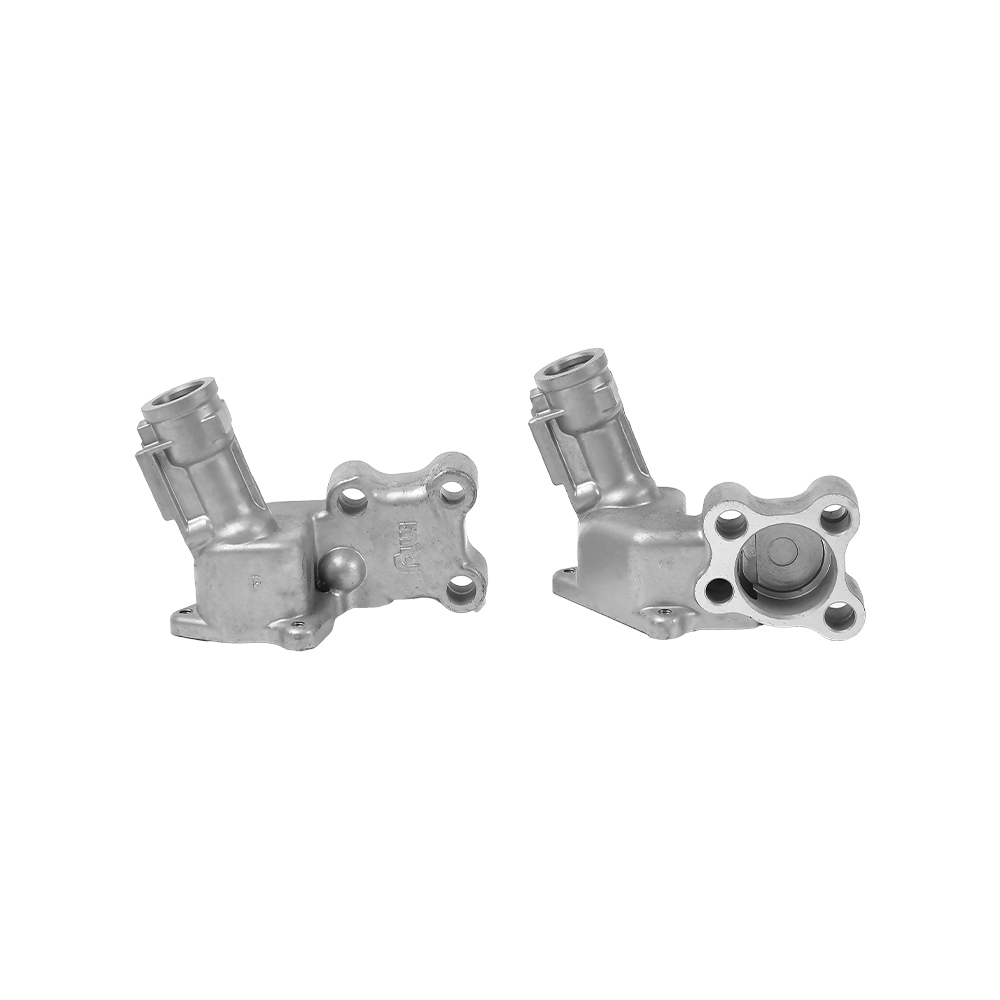
To compare more completed parts, you can browse the full aluminum die casting product range. The product list covers automotive, agricultural, power transmission, hydraulic, and electrical components.
Choosing Between High-Pressure Die Casting, Low-Pressure Casting, and CNC Billet Machining
Before quoting, the supplier should decide which starting form gives the best commercial and technical result. Three routes are common in aluminum machining services.
| Process | Starting Form | Practical Volume | Machined Tolerance | Best Suited For |
|---|---|---|---|---|
| High-pressure die casting + machining | Molten aluminum injected into a steel die | 3000 pieces and above | +/- 0.05 mm on machined features | Complex housings, valve bodies, motor housings |
| Low-pressure die casting + machining | Molten aluminum fills a die from below under low pressure | 1000 pieces and above | +/- 0.05 mm or tighter | Leak-tight structural parts, cylinder-related parts |
| CNC billet machining | Solid aluminum plate or bar stock | 1 to 1000 pieces | +/- 0.02 mm | Prototypes, custom brackets, low-volume production |
High-Pressure Die Casting
High-pressure die casting is the most common route for large batches. The process copies complex cavity details very fast, and the machining stage corrects the functional surfaces. If the mold is well designed, thin walls and ribs can reduce weight without adding machining time.
Low-Pressure Die Casting
Low-pressure die casting uses upward filling, which supports more uniform solidification and lowers the risk of gas porosity. This is useful for structural or pressure-containing parts where internal tightness is more important than maximum output speed.
CNC Billet Machining
For prototypes, jigs, and low-volume custom parts, machining directly from solid aluminum is the simplest route. It avoids mold cost and allows quick design changes. The downside is higher material waste per part and longer cutting time on complex internal shapes.
A service that handles both casting and machining can move between these routes according to quantity, geometry, and performance requirements.
Cost and Lead Time Considerations
Aluminum machining services are usually priced from five factors: material, complexity, tolerance, surface treatment, and quantity. A supplier with die casting and CNC machining in one plant can reduce cost and schedule at the same time because there is no external transportation step between the casting and machining stages.
| Cost Factor | Typical Impact | Control Measure |
|---|---|---|
| Part complexity | More machined features increase programming, tooling, and cycle time. | Simplify secondary holes and internal undercuts when possible. |
| Tolerance | Tight tolerances require slower feed rates and more inspection. | Call out only the dimensions that affect function. |
| Material | Harder alloys wear tools faster. | Match alloy to the need for strength or thermal properties. |
| Surface treatment | Anodizing adds process and handling time. | Decide early whether the part needs a clear or colored coating. |
| Quantity | Setup and mold cost spread over the batch. | Plan combined batches for similar parts. |
Lead time depends on mold availability, material stock, machining capacity, and surface treatment. For a simple machined billet part, sample production can be a matter of a few days. For a new die casting with a new mold, the mold development stage sets the longer lead time.
How to Evaluate an Aluminum Machining Supplier
The strongest sign of machining capability is stable results on real parts, not the number of machines in the workshop. A supplier should be able to explain how they anchor the part, how they choose cutting tools, and how they inspect the final dimensions.
- Send a clear drawing with critical dimensions marked. See whether the supplier asks about datum selection and clamping strategy.
- Request a first article for the first trial. Measure the bores, thread positions, and surface finish against the drawing.
- Ask about deburring and cleaning of internal passages. This is one of the most common hidden quality risks in machined aluminum parts.
- Confirm how the supplier controls tool wear and machine offsets. Batch consistency depends on small corrections before dimensions drift out of tolerance.
- Look at the production scope. A supplier with in-house die casting and machining, such as Ningbo Beilun Youyuan Machinery Manufacturing, can manage the complete route from mold and casting to finished CNC part.
Once the technical fit is clear, use the contact page to send drawings and request a feasibility review. A serious supplier will reply with questions about function, volume, alloy, and target finish rather than a blind price.
Frequently Asked Questions About Aluminum Machining Services
What is the difference between aluminum die casting and aluminum machining?
Aluminum die casting forms molten aluminum into a near-net-shape part inside a steel mold. Aluminum machining removes material from a casting or solid blank with cutting tools to reach the final dimensions, tolerances, and surface finish. In practice, they work together: casting gives the shape and machining controls the fit.
What tolerances can aluminum machining services hold?
Standard CNC machining can hold +/- 0.10 mm on general dimensions and +/- 0.05 mm on machined features. For carefully controlled bores and hole positions, +/- 0.02 mm is achievable, but the drawing needs to specify which dimensions are critical.
Do aluminum machining services include surface treatment?
Machining and surface treatment are separate processes. A CNC machined part can be released as machined, or it can go on to anodizing, powder coating, or other finishing. Many integrated suppliers organize both steps, which is shorter than finding a separate finishing shop.
Which aluminum alloy is best for machined parts?
For CNC billet parts, 6061-T6 is the most common because it machines well, has good strength, and responds well to anodizing. For cast-then-machined parts, ADC12 and A356 are typical, with A356 offering better elongation when the part needs more toughness.
Can I send an existing casting to an aluminum machining service?
Yes. Many machining services accept customer-supplied castings and perform the complete machining stage. If the same supplier also provides the casting, however, they can react faster to dimensional issues because they control the earlier process.
How many pieces are suitable for aluminum machining services?
CNC billet machining is practical from 1 to 1000 pieces depending on complexity. For larger production runs, high-pressure or low-pressure die casting followed by CNC machining becomes more economical. A good supplier will recommend the lower-cost route for the annual volume.