 LANGUAGE
  English
 русский
 Español

Home / News / Industry News / Low Pressure Aluminum Casting: Process, Benefits, Alloys & Applications
Content
- 1 What Low Pressure Aluminum Casting Delivers
- 2 How the Low Pressure Casting Process Works, Step by Step
- 3 Low Pressure vs. High Pressure Die Casting
- 4 Aluminum Alloys Used in Low Pressure Casting
- 5 Advantages and Limitations You Should Know
- 6 Industrial Applications of Low Pressure Aluminum Casting
- 7 Defects and Quality Control in Low Pressure Casting
- 8 Cost Considerations for Low Pressure Aluminum Casting
- 9 How to Choose a Low Pressure Aluminum Casting Supplier
- 10 Frequently Asked Questions
- 10.1 What pressure level does low pressure aluminum casting use?
- 10.2 How is low pressure casting different from gravity casting?
- 10.3 Which alloys can be used for low pressure aluminum casting?
- 10.4 Can low pressure aluminum castings be heat treated?
- 10.5 What is the minimum wall thickness for low pressure casting?
- 10.6 Does low pressure casting completely eliminate porosity?
What Low Pressure Aluminum Casting Delivers
Low pressure aluminum casting is a permanent mold process that uses gas pressure of only 0.2 to 0.8 bar to push molten aluminum from a sealed furnace up through a riser tube and into a reusable steel mold. The result is a casting with high density, low gas porosity and mechanical properties that consistently beat gravity casting and most high pressure die casting. If your component has to hold fluid pressure, carry structural load or pass X-ray inspection, this is the process to evaluate first.
The performance advantage comes from flow control. The mold fills from the bottom at a steady, laminar rate, so the melt front stays calm and does not trap air. After filling, pressure remains on the casting while it solidifies. That continuous pressure feeds the zones where shrinkage would normally open up, which is why low pressure aluminum castings stay dense and pressure-tight even in thick sections.
Production data supports this. A356 alloy in T6 condition typically develops 220 to 290 MPa yield strength with 3 to 10 percent elongation, and optimized A357-T6 castings reach 280 MPa or more. Because the gating system is small and leftover melt returns to the furnace after every cycle, material yield reaches 85 to 95 percent, and scrap rates are lower than in gravity or high pressure casting.
Bottom line: low pressure aluminum casting is the best fit when soundness matters more than cycle speed. Wheels, cylinder heads, suspension components, valve bodies and structural housings are its natural territory.
How the Low Pressure Casting Process Works, Step by Step
The entire sequence runs as a closed cycle, typically 4 to 12 minutes per shot depending on part size and wall thickness. Here is what happens in one complete cycle.
- Melt preparation. Aluminum ingots, return scrap and master alloys are charged into an electric or gas furnace and held at 680 to 730 degrees C. Fluxing and degassing with argon remove hydrogen, and a spectrometer check confirms the alloy chemistry before casting begins.
- Mold preheating and coating. The steel permanent mold is preheated to 250 to 350 degrees C, and a ceramic-based coating is sprayed onto the cavity. The coating controls cooling rate, improves metal flow and protects the mold surface over tens of thousands of cycles.
- Pressure filling. The sealed furnace is pressurized with dry compressed air. Molten metal rises through a stainless steel riser tube into the mold cavity at a controlled rate. Fill time is typically 20 to 60 seconds for a wheel and 10 to 40 seconds for a smaller housing.
- Pressurized solidification. Pressure is maintained for 2 to 8 minutes or longer while the casting solidifies directionally from the mold wall toward the riser tube. This sustained pressure feeds the shrinking zones and is the key to producing porosity-free parts.
- Pressure release and metal recycle. The furnace is vented, and the remaining liquid metal in the riser tube drops back into the furnace for the next shot. This is why LPC material utilization reaches 85 to 95 percent.
- Mold opening and extraction. A hydraulic cylinder opens the mold, ejector pins push the casting out, and the coating is touched up before the mold closes again.
- Post-casting operations. The riser is cut off, the casting is shot blasted, and parts that need higher strength go through T6 heat treatment, CNC machining, pressure testing and surface finishing.
A single low pressure casting cell with two stations can deliver roughly 10 to 30 castings per hour depending on part mass. That is slower than high pressure die casting, but the quality profile is different, and the two processes are rarely interchangeable for the same part.
Low Pressure vs. High Pressure Die Casting
Buyers often ask which process to choose. The comparison below covers the parameters that affect part design, quality and cost.
| Parameter | Low Pressure Aluminum Casting | High Pressure Die Casting |
|---|---|---|
| Fill pressure | 0.2-0.8 bar | 200-1,000 bar |
| Melt front speed | 0.1-1 m/s, laminar | 20-100 m/s, turbulent |
| Gas porosity risk | Low | Moderate to high |
| T6 heat treatment | Possible without blistering | Usually not possible |
| Minimum wall thickness | 3-4 mm | 0.8-1.5 mm |
| Typical cycle time | 4-12 minutes | 1-3 minutes |
| Mold and die life | 80,000-150,000 shots | 60,000-150,000 shots |
| Typical part weight | 1-30 kg | 0.05-10 kg |
| Pressure tightness | Excellent | Limited by porosity |
| Typical products | Wheels, cylinder heads, knuckles, valve bodies | Transmission housings, brackets, thin shells |
Choose low pressure when the part is structural, pressurized or heat-treated and production volume sits in the 1,000 to 100,000 parts per year range. Choose high pressure when you need thin walls and short cycles at very high volumes, and the part does not have tight pressure or elongation requirements. The automotive industry frequently uses both processes on the same vehicle.
Aluminum Alloys Used in Low Pressure Casting
Alloy selection decides how the part will cast, machine and perform in service. The four groups below cover the large majority of commercial low pressure aluminum casting work.
| Alloy | Key Composition | Typical Yield Strength (T6) | Best For |
|---|---|---|---|
| A356 (AlSi7Mg0.3) | 6.5-7.5% Si, 0.25-0.45% Mg | 220-260 MPa | Wheels, suspension arms, general structural castings |
| A357 (AlSi7Mg0.6) | 6.5-7.5% Si, 0.45-0.70% Mg | 250-300 MPa | High-load structural and aerospace-grade parts |
| A413 (AlSi12) | 11-13% Si | Moderate | Hydraulic valve bodies, pump housings needing pressure tightness |
| AlSi9Cu3 | 8-11% Si, 2-4% Cu | Good at elevated temperature | Engine and transmission parts running at 150-200 degrees C |
For pressure-tight valve bodies, choose A413 with its higher silicon content. For weldable, heat-treatable structural parts, A356 is the workhorse. For parts near an engine that must keep strength at operating temperature, AlSi9Cu3 is the safer pick. Magnesium and zinc alloys can also run on the same low pressure machines, but aluminum dominates the process in practice.
Advantages and Limitations You Should Know
Why buyers choose low pressure aluminum casting
- Dense microstructure. Laminar filling and sustained pressure reduce both gas porosity and micro-shrinkage, giving castings that can pass strict X-ray classes.
- Heat-treatable. Low gas content allows T4 and T6 without blistering, which unlocks yield strengths of 220 to 300 MPa.
- Pressure tightness. Valve bodies, pump housings and reservoirs made by LPC pass air and helium leak tests more reliably than high pressure die castings.
- High material yield. Because the gating system is small and unused metal returns to the furnace, 85 to 95 percent of purchased alloy becomes finished casting.
- Long tool life. Steel permanent molds last 80,000 to 150,000 or more cycles with regular coating maintenance.
- Dimensional consistency. The automated pressure profile produces repeatable filling and solidification from shot to shot.
Limitations to design around
- Long cycle time. At 4 to 12 minutes per casting, LPC is not a process for extreme mass production of small parts.
- Minimum wall thickness. About 3 to 4 mm for reliable filling; thin ribbed lightweight enclosures belong in high pressure die casting.
- Tooling investment. Permanent molds and pressurized furnace cells require a larger upfront investment than simple gravity molds.
- Shape constraints. Internal undercuts require sand cores, and large changes in wall section extend solidification time and can create hot spots.
- Part weight ceiling. Practical part weight is roughly 30 kg if you want to keep cycle times economical.
Industrial Applications of Low Pressure Aluminum Casting
Low pressure aluminum casting is not a general-purpose process. It wins in specific applications where internal soundness, pressure tightness and structural strength are decisive. This is also why automotive OEMs choose low pressure die casting for lightweight components over faster alternatives.
Automotive and new energy vehicles
Aluminum wheels are the highest-volume LPC product in the world, and the process also produces cylinder heads, suspension knuckles, control arms, brake caliper bodies, compressor housings and structural frames in electric vehicles. The common thread is a need for fatigue strength and leak resistance that gravity casting cannot guarantee.
Agricultural and small machinery
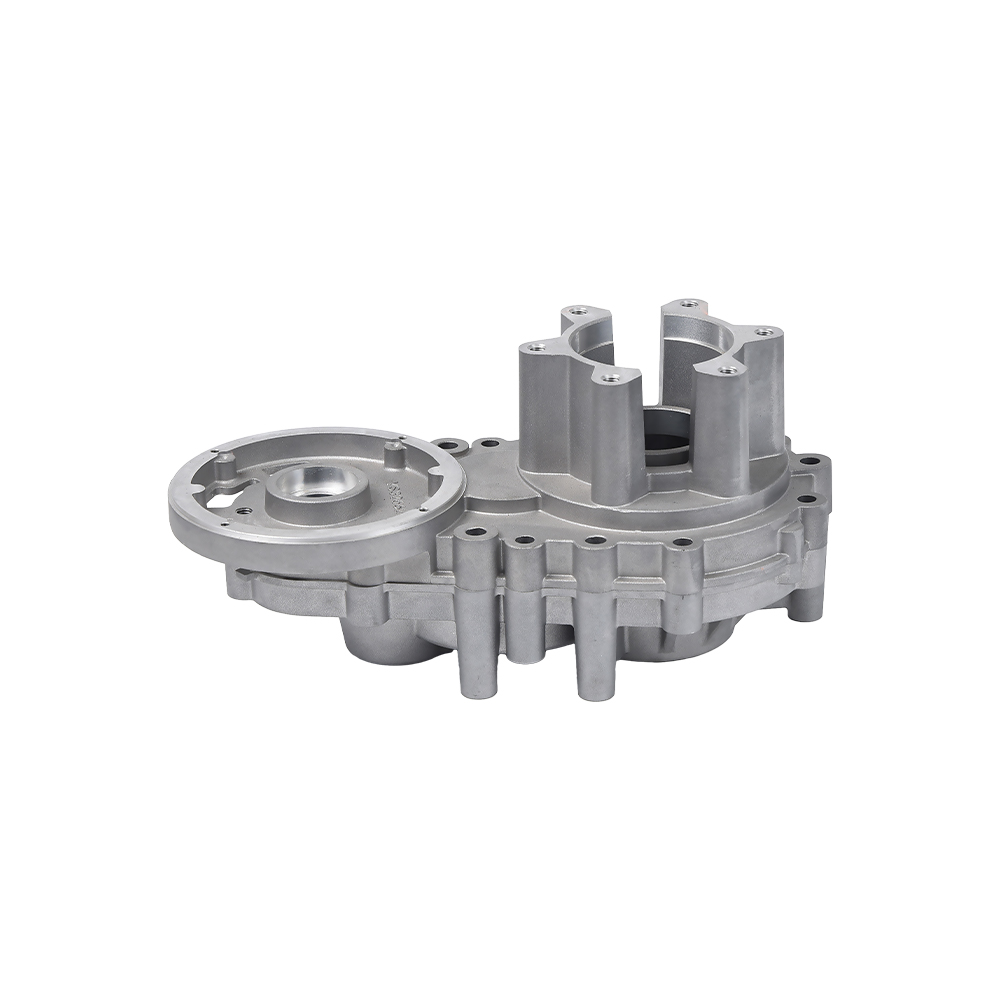
Rice transplanter gearboxes, micro-tiller transmissions, bearing brackets and drive housings spend their lives in dust, vibration and changing loads. Low pressure casting gives these parts the density to survive field conditions without premature fatigue cracks.
Hydraulic and pneumatic systems
Valve bodies, pressure regulating valve bodies, reducer valve bodies and brake pump housings all demand pressure tightness. A413 cast by LPC is a standard combination for these parts, and the low porosity rate keeps leak-test rejects at an acceptable level.
Motorcycles and power equipment
Crankcases, transmission cases, drive covers and fan clutches benefit from the combination of thin-section detail and vibration resistance. The process is also frequently used for two-wheeler wheels because the same structural logic that applies to car wheels applies to motorcycles.
Smart home, medical and telecom hardware
Low pressure casting is increasingly used for smart home structural panels, medical equipment housings and telecom base station components where cosmetic surfaces and dimensional accuracy have to coexist with good mechanical strength. These parts are usually smaller, but the density advantage still justifies the process in mid-volume production.
Defects and Quality Control in Low Pressure Casting
No casting process is defect-free, and low pressure aluminum casting is no exception. The difference is that most LPC defects are preventable through melt handling, mold temperature and pressure profile control.
Common defects and their prevention
| Defect | Typical Cause | Prevention |
|---|---|---|
| Gas porosity | Hydrogen pickup, moisture on the mold coating | Degas melt to below 0.15 ml H2 per 100 g of aluminum; keep mold coating dry |
| Shrinkage porosity | Insufficient feeding pressure or pressure released too early | Maintain pressure until solidification is complete; optimize riser diameter |
| Oxide inclusions | Turbulent melt handling, dirty furnace | Use a 20-40 ppi ceramic foam filter; clean the furnace regularly |
| Cold shuts or misruns | Melt or mold temperature too low | Keep melt at 680-720 degrees C; preheat mold to 250-350 degrees C |
| Surface roughness | Worn mold coating, eroded mold surface | Recoat each shift; inspect the mold surface daily |
Production quality checks that matter
- Spectrometer verification of alloy chemistry on every melt before casting begins.
- First article inspection with sectioning and microstructure evaluation to check dendrite arm spacing and pore distribution.
- X-ray or computed tomography sampling on a defined frequency to confirm internal soundness.
- Air or helium leak testing for parts that will hold fluid pressure in service.
- Coordinate measuring machine verification of machined datums and critical mounting interfaces.
For a more detailed technical discussion of this topic, you can read how low pressure die casting reduces gas pores and other casting defects in our industry news archive.
Cost Considerations for Low Pressure Aluminum Casting
What drives the price per part
| Cost Element | Typical Range and Impact |
|---|---|
| Permanent mold tooling | USD 15,000 to 80,000 per mold, depending on cavity count, part size and water cooling design |
| Machine cell investment | USD 250,000 to 750,000 per low pressure casting station |
| Cycle time cost | 4 to 12 minutes per shot; one cell produces 5 to 15 shots per hour |
| Material utilization | 85 to 95 percent because leftover melt returns to the furnace |
| CNC post-processing | Often 20 to 50 percent of the finished part cost |
| Heat treatment and surface finish | Adds 5 to 15 percent to part cost |
Volume economics and the breakeven decision
- Prototype stage (10-100 pieces): CNC machining from aluminum billet is usually cheaper than building a permanent mold.
- Low volume (100-1,000 pieces per year): gravity casting with a simple steel mold is often more economical.
- Mid volume (1,000-50,000 pieces per year): low pressure casting hits the quality-to-cost sweet spot.
- High volume (50,000+ pieces per year): high pressure die casting wins for thin-wall parts, but structural and pressure-tight parts stay with LPC, as the aluminum wheel industry demonstrates with millions of castings per year.
A comparison study published by LSRPF, a pressure casting supplier, reports that switching from other casting routes to low pressure casting reduces part cost by 20 to 35 percent while holding tensile strength at 280 MPa or above, thanks to fewer rejects and higher material yield. The actual saving depends heavily on part geometry and annual volume.
How to Choose a Low Pressure Aluminum Casting Supplier
The evaluation checklist that matters
- One-stop capability. Does one facility cover mold design, casting and CNC machining? This eliminates inter-supplier tolerance disputes and shortens the supply chain lead time.
- Melt quality control. Look for an in-house spectrometer, a degassing routine and documented chemistry checks on every melt.
- Inspection depth. X-ray or CT sampling, pressure testing and CMM verification should be part of the standard offer, not optional extras.
- Alloy and application experience. A supplier that regularly casts A356, A357 and A413 is less likely to make a gating or melt-handling mistake on your part.
- Engineering support. Does the team simulate filling and solidification, and can they recommend wall thickness, draft angles and riser placement before tooling starts?
- Heat treatment coordination. For structural parts, the supplier should have a reliable T6 heat treatment partner with documented furnace cycles.
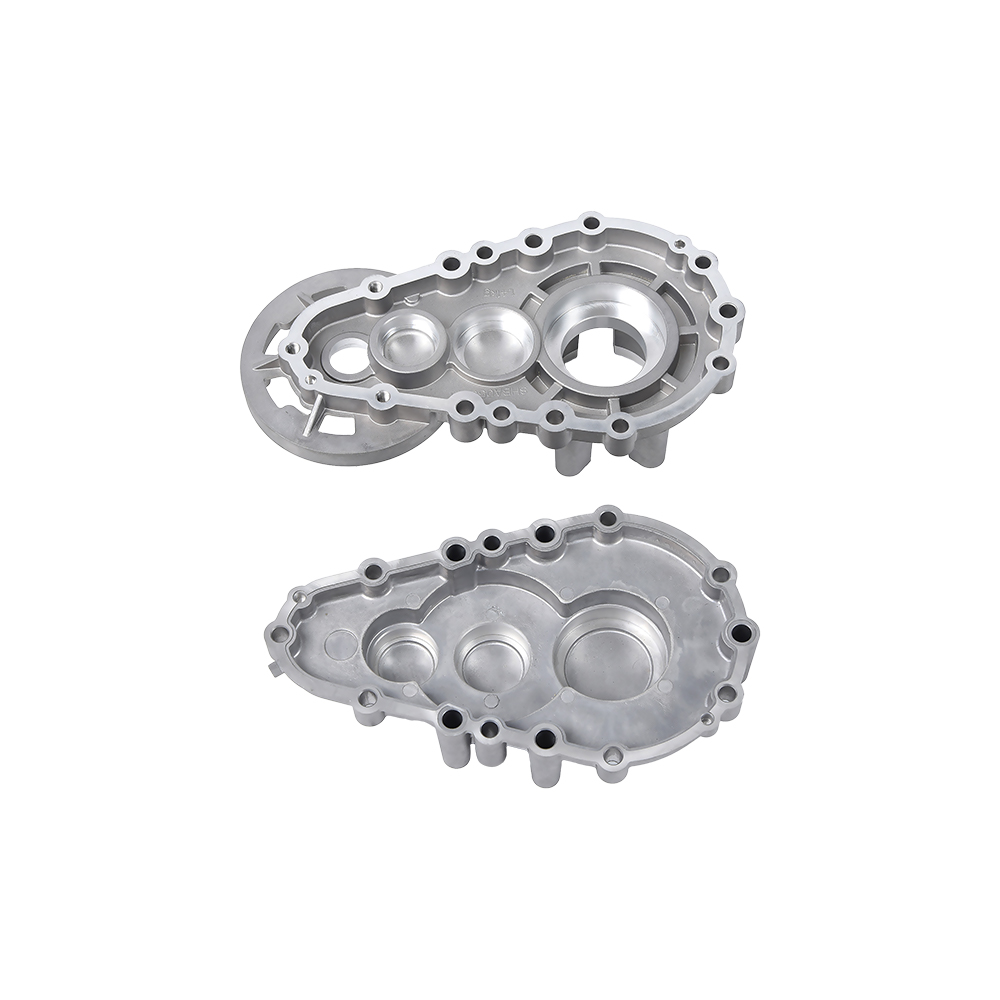
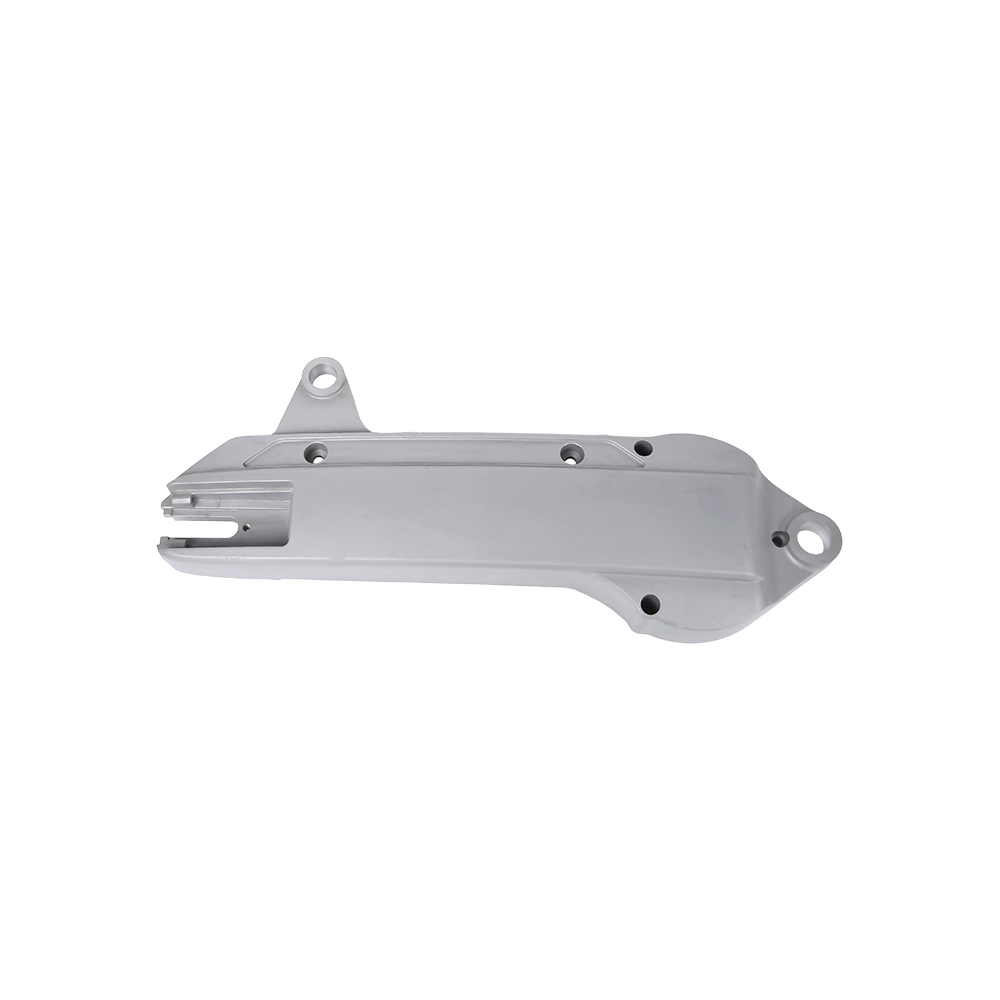
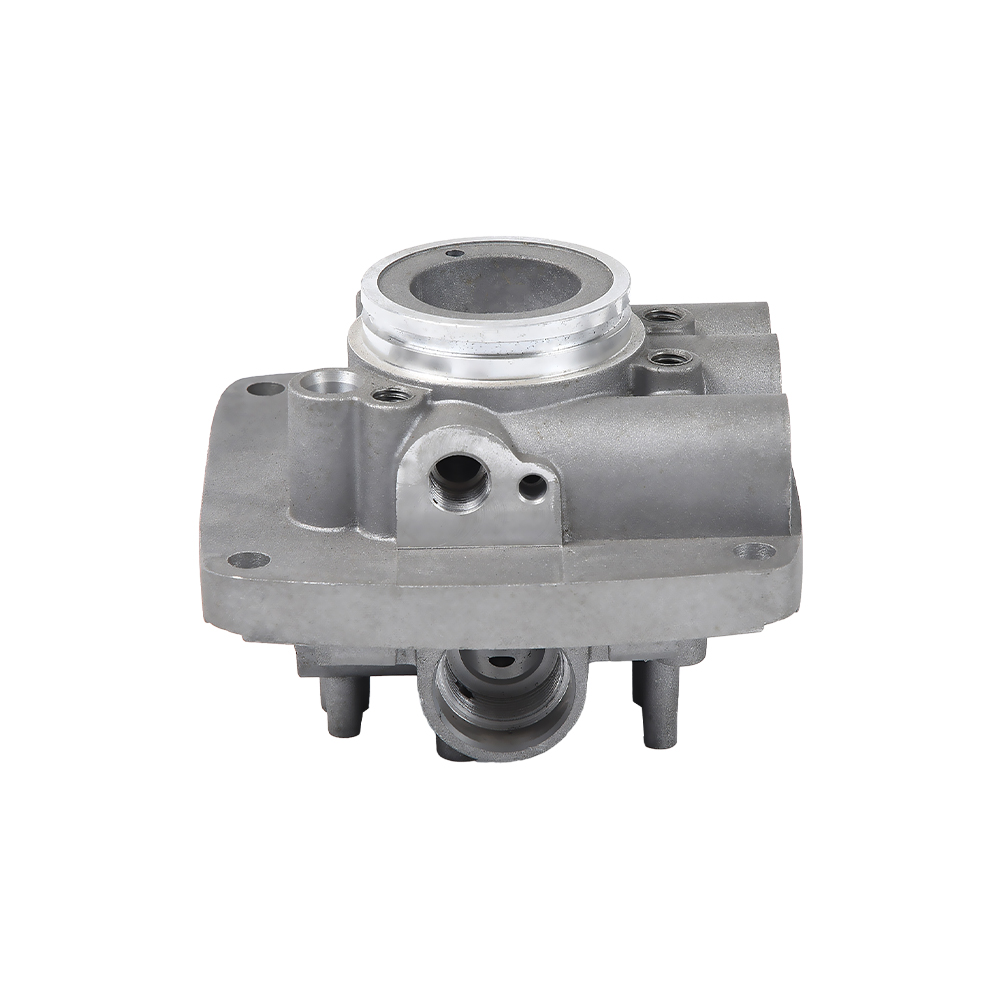
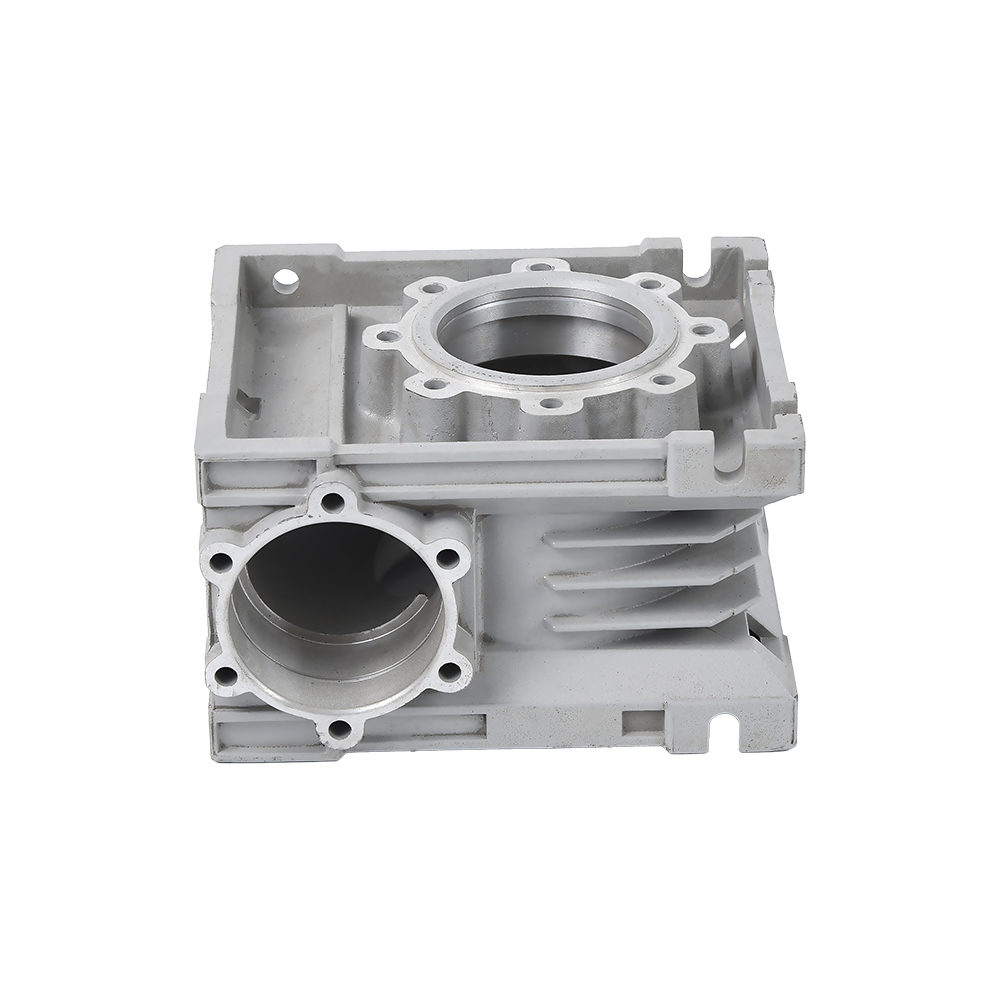
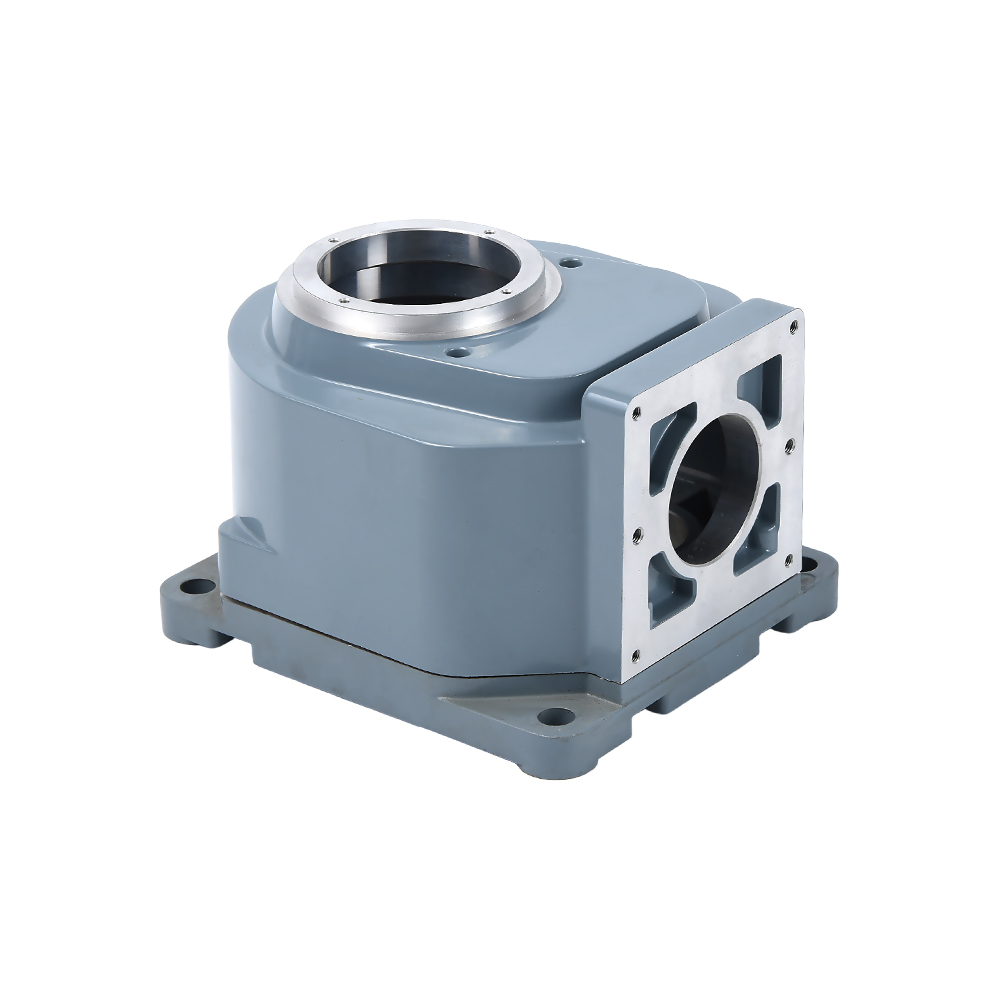
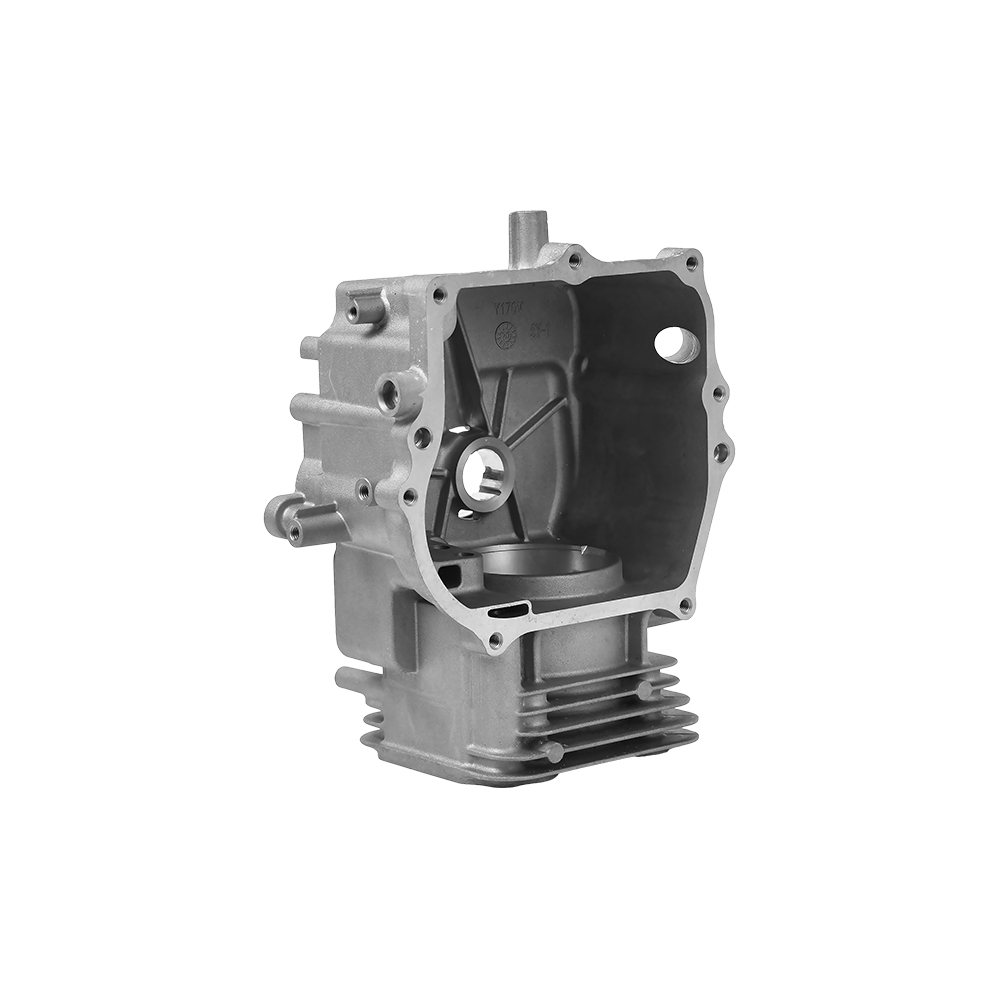
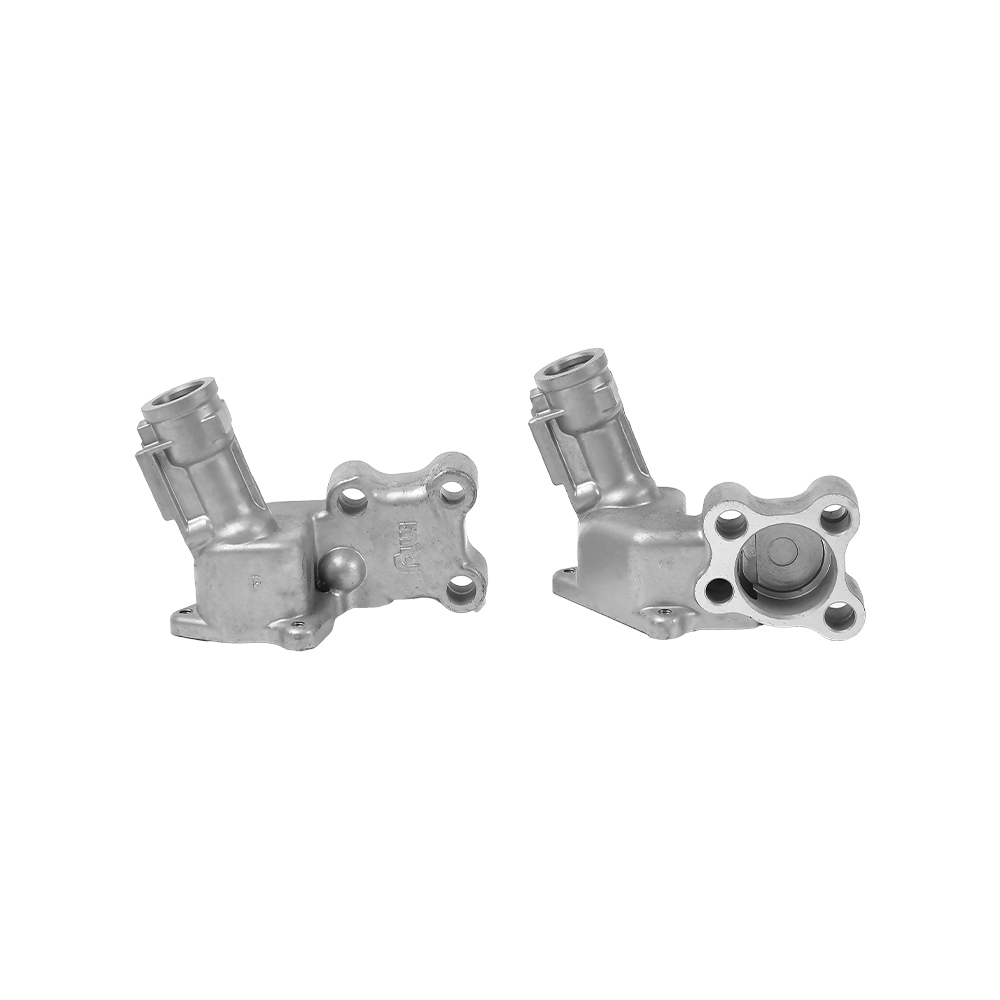
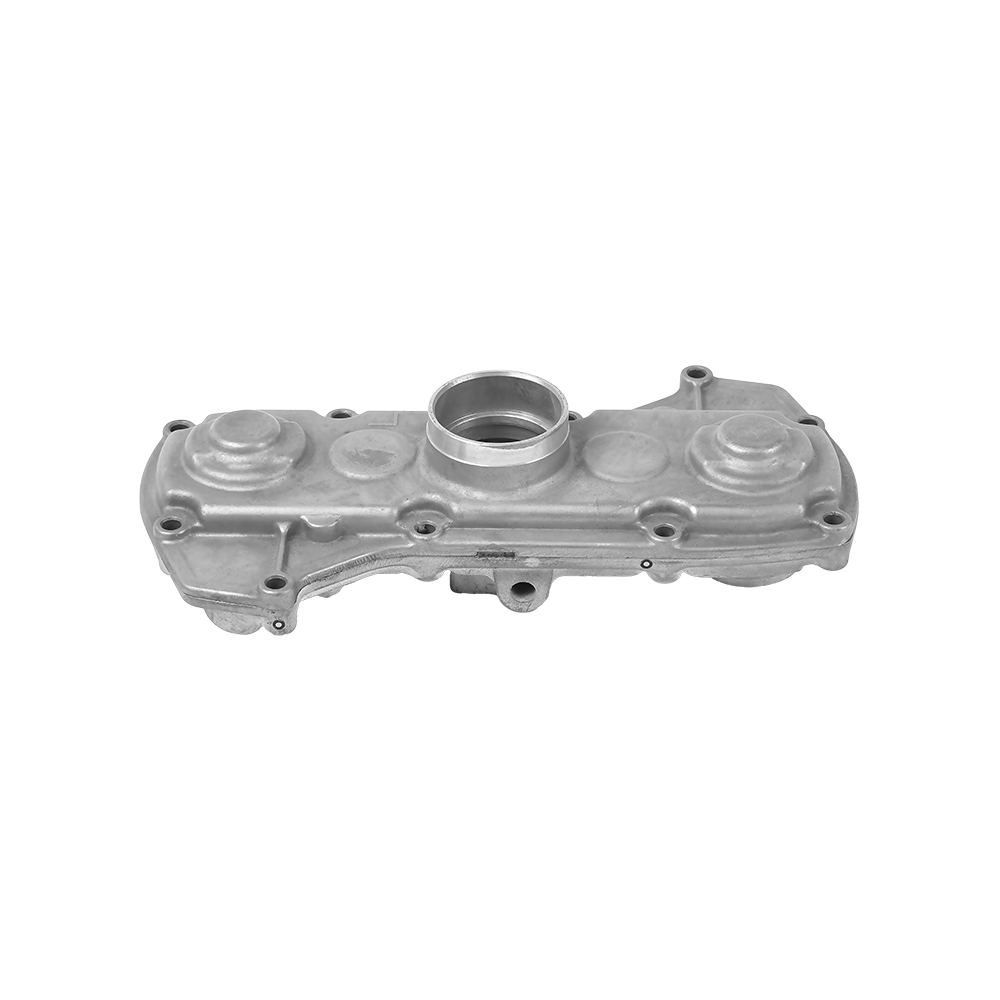
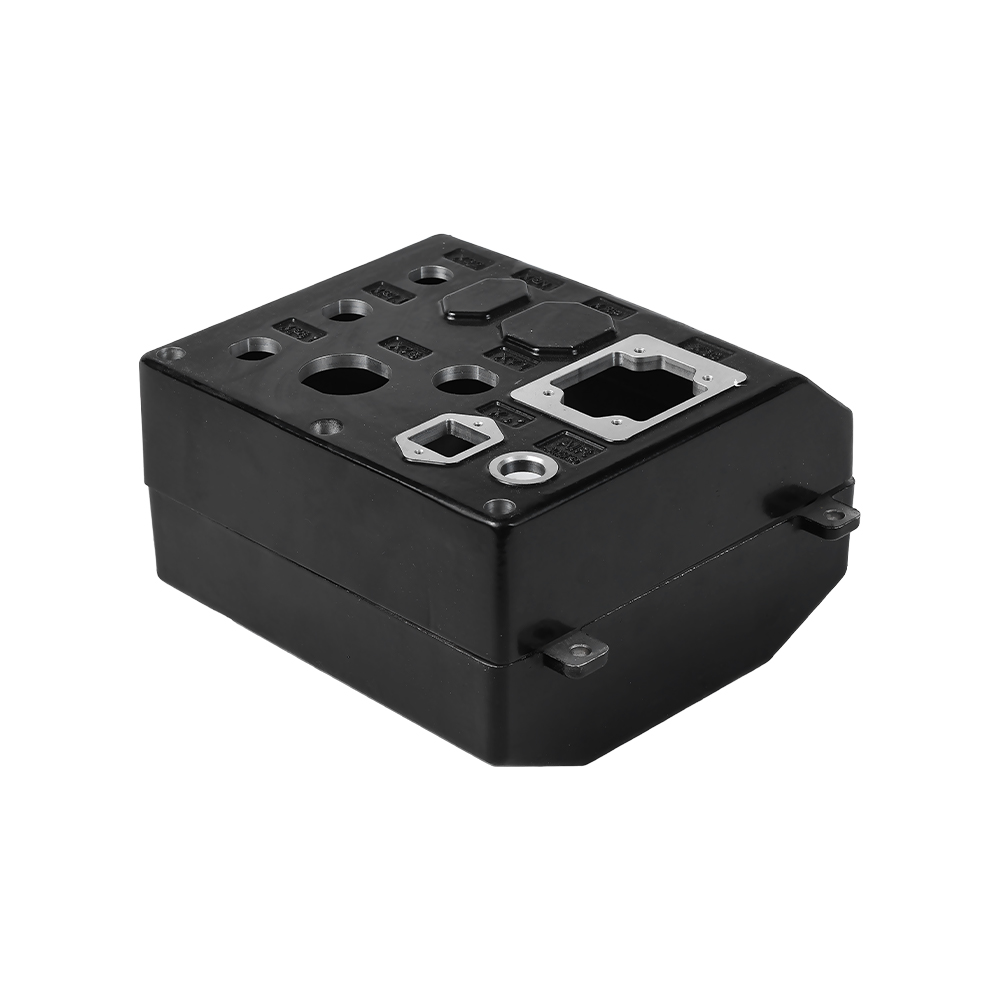
Youyuan Machinery Manufacturing in Ningbo Beilun, China, is an example of a one-stop facility combining mold building, aluminum die casting and CNC machining under one roof. Their existing low pressure range includes low pressure cast automobile cylinder body parts, low pressure die casting bases and pressure regulating valve bodies, which are typical examples of the pressurized, structural work LPC handles best.
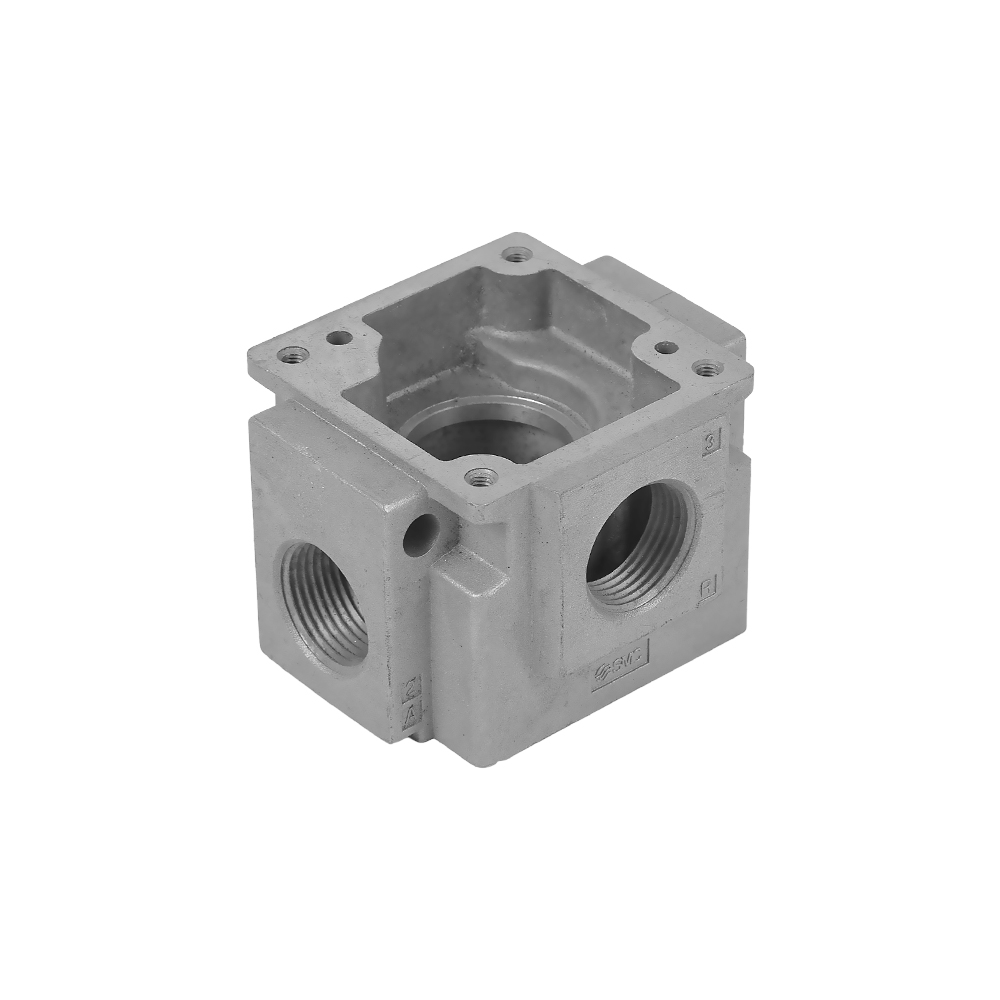 Custom Pressure Regulating Valve Body Manufacturers. OEM Suppliers - Ningbo BeilBeilun Youyuan Machinery Manufacturing Co., Ltd is a China OEM/ODM Pressure Regulating Valve Body manufacturers and Pressure Regulating V...View Product →
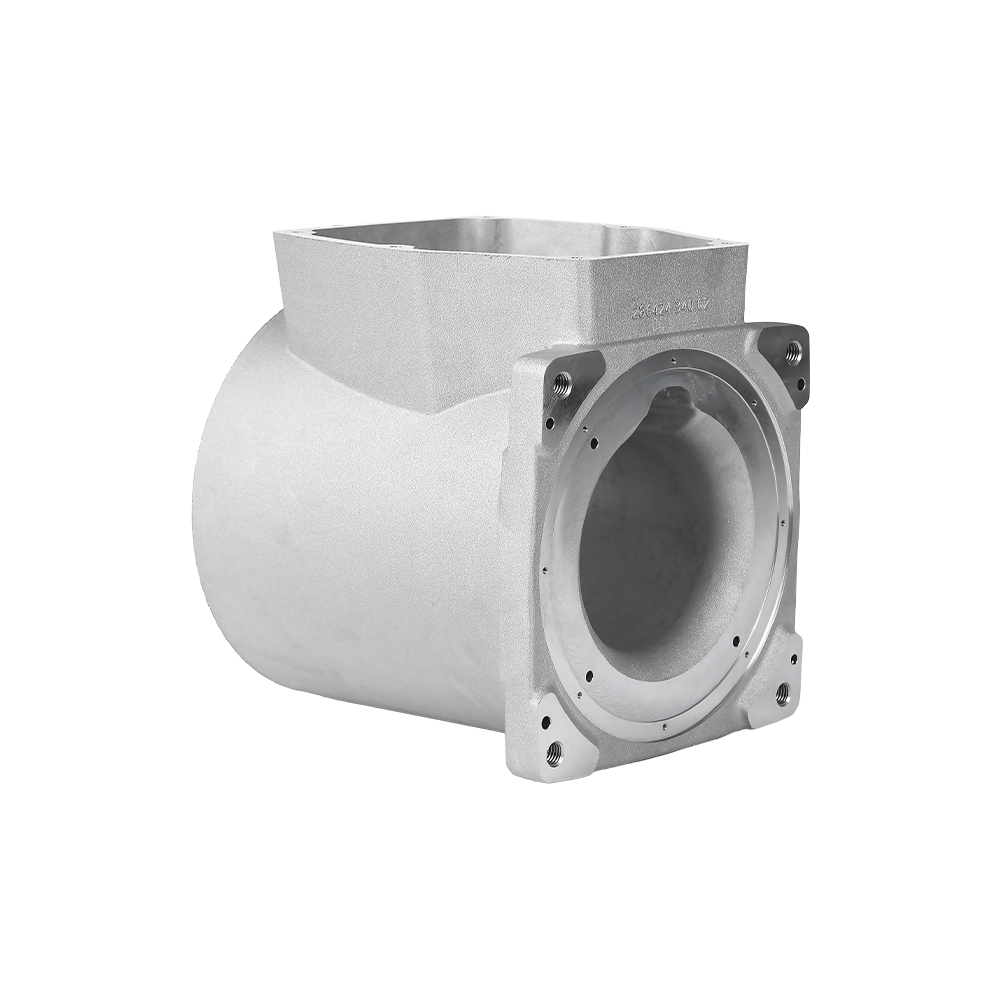 Custom Low Pressure Die Casting Base Manufacturers. OEM Suppliers - Ningbo BeiluBeilun Youyuan Machinery Manufacturing Co., Ltd is a China OEM/ODM Low Pressure Die Casting Base manufacturers and Low Pressure Die Casti...View Product →
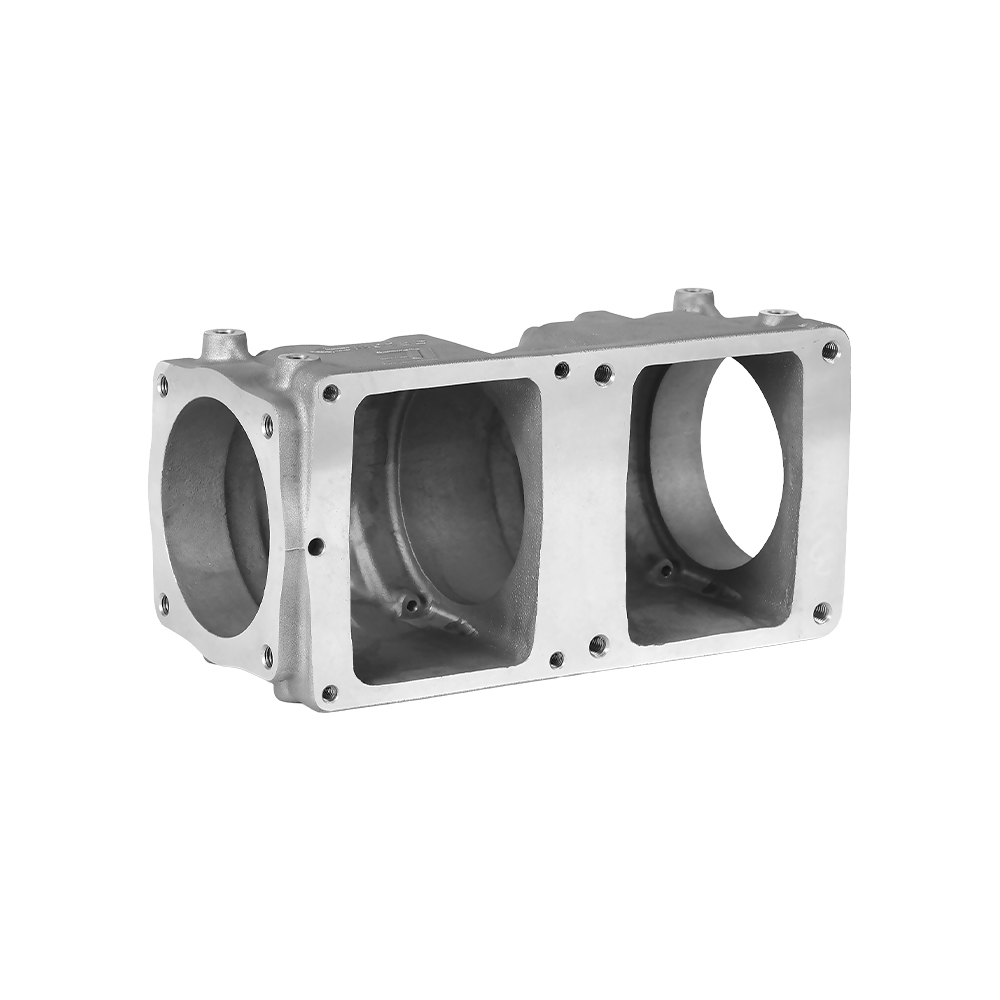 Custom Automobile Cylinder Body Parts Manufacturers. OEM Suppliers - Ningbo BeilBeilun Youyuan Machinery Manufacturing Co., Ltd is a China OEM/ODM Automobile Cylinder Body Parts manufacturers and Automobile Cylinder B...View Product →
Before you send a request for quotation, contact the engineering team with your part drawing, expected annual volume and any leak-test or X-ray requirements. A capable supplier can usually tell you within a few working days whether low pressure aluminum casting is the right route, and which alloy and wall thickness will keep the part both reliable and affordable.
Frequently Asked Questions
What pressure level does low pressure aluminum casting use?
The process operates at 0.2 to 0.8 bar above atmosphere. The exact value depends on alloy density, riser height and the fill speed you want to achieve. A typical wheel fills in 20 to 60 seconds, while a smaller housing fills in 10 to 40 seconds.
How is low pressure casting different from gravity casting?
Gravity casting fills the mold using only the weight of the melt, while low pressure casting applies gas pressure from below. The pressure makes filling slower and more controlled, feeds shrinkage during solidification, reduces riser size and improves part density and consistency. LPC tooling costs more, but the quality per part is higher.
Which alloys can be used for low pressure aluminum casting?
A356 and A357 are the most common for structural and heat-treated parts. A413 is preferred when pressure tightness is the priority, and AlSi9Cu3 suits parts that run at elevated temperature. Magnesium alloys also cast well on the same low pressure machines.
Can low pressure aluminum castings be heat treated?
Yes. Because gas porosity is low, T4 and T6 solution treatment and aging do not cause blistering. This is a major advantage over high pressure die casting for structural parts that need to reach yield strengths of 220 to 300 MPa.
What is the minimum wall thickness for low pressure casting?
General areas should stay at 3.5 to 4 mm for consistent filling. Short sections can reach 2.5 to 3 mm with carefully designed gating. Below that range, high pressure die casting is the more appropriate process.
Does low pressure casting completely eliminate porosity?
No process eliminates porosity completely. Low pressure casting dramatically reduces gas porosity and can pass strict X-ray classes, but melt quality, mold temperature and pressure profile all have to be controlled. When porosity does appear, it usually traces back to hydrogen in the melt or insufficient feeding pressure, not to the process itself.