 LANGUAGE
  English
 русский
 Español

Home / News / Industry News / Casting vs Foundry: Key Differences, Process Steps & Benefits for OEMs
Content
- 1 What Is the Difference Between Casting and Foundry?
- 2 What Exactly Is a Foundry?
- 3 What Exactly Is Casting?
- 4 Casting vs Foundry: A Side-by-Side Comparison
- 5 What Aluminum Die Casting Looks Like Inside a Foundry
- 6 What OEM Buyers Should Check Before Sourcing from a Foundry
- 7 Frequently Asked Questions About Casting and Foundry
- 7.1 Is a foundry the same as a casting factory?
- 7.2 What is the difference between casting and die casting?
- 7.3 What is the difference between a foundry and a forge?
- 7.4 What metals can a casting foundry process?
- 7.5 How can a buyer confirm that a supplier is really a foundry?
- 7.6 What is low-pressure die casting used for?
- 8 Choosing a Partner That Runs the Full Casting Workflow
What Is the Difference Between Casting and Foundry?
Here is the direct answer: a foundry is the factory or workshop that melts metal, while casting is the actual process used to shape that molten metal into a solid part. A foundry is a place, and casting is a method. When a buyer says "I need a foundry," they mean a supplier with melting and molding equipment; when an engineer says "I want to cast this bracket in aluminum," they mean a specific manufacturing process.
A foundry has furnaces, die casting machines, molding lines, trimming presses, CNC equipment and inspection tools. Casting is the sequence of operations that runs inside that facility: melt the alloy, fill the mold, let it cool, and eject the part. The two terms are related, but they answer different questions. "Where will the parts be made?" A foundry. "How will the parts be shaped from liquid metal?" By casting.
A simple analogy: the foundry is the bakery, and casting is baking. Nobody says "we bought a baking" because baking is an action; nobody says "we opened a casting" because casting is not a building. In the same way, you select a foundry for its equipment and workforce, and you choose a casting process for its cost, speed and quality.
In purchasing conversations, this distinction shows up in practical ways. An OEM buyer may say: "We are looking for an aluminum foundry to produce a gearbox housing." That request targets the supplier and its production capability. A design engineer may say: "We plan to die cast this housing to save machining time." That statement targets the method. Both are valid, and both use the words correctly.
- A foundry is the facility, organization and equipment set.
- Casting is the manufacturing technique that creates metal parts from molten metal.
- A foundry can run multiple casting methods depending on the part.
- The same casting method can produce very different quality depending on the foundry's process control.
What Exactly Is a Foundry?
A foundry is an industrial facility that produces metal castings. In an aluminum foundry, the main task is to take aluminum alloy in raw form, melt it and pour or inject it into a mold to form a component. Aluminum foundries serve automotive, agricultural, marine, communication and industrial equipment markets, producing parts such as transmission housings, engine brackets, pump bodies and valve blocks.
The output of a foundry is still mostly a near-net-shape part. After the casting leaves the mold, it goes through trimming, deburring, sometimes heat treatment, machining, surface treatment and final inspection. This is why many modern foundries describe themselves as integrated plants: they combine melting and molding with CNC machining and quality control under one roof.
Core Work Areas Inside a Foundry
- Melting area: furnaces heat aluminum alloy to a working temperature of roughly 660-720 degrees Celsius for most casting alloys.
- Die and mold preparation: dies are cleaned, sprayed with release agent and preheated to avoid thermal cracking.
- Casting stations: high-pressure die casting machines, low-pressure machines or gravity pouring lines, depending on the technology.
- Solidification section: parts cool in the die or on conveyor systems until the metal has fully hardened.
- Trimming and degating: gates, runners and flash are removed, either on trim presses or by robotic cutting.
- Finishing and inspection: blasting, deburring, machining, pressure testing and dimensional measurement.
Ferrous vs Non-Ferrous Foundries
A quick way to classify a foundry is by the metal family it melts. Ferrous foundries produce iron and steel castings, with melting temperatures above 1,100 degrees Celsius, typically used for heavy structural parts and engine blocks. Non-ferrous foundries process aluminum, zinc, magnesium or copper alloys. Aluminum is the most common because it is only about one-third the density of steel, delivers strong corrosion resistance and produces light components for vehicles and machinery.
What Exactly Is Casting?
Casting is a manufacturing process that creates solid metal parts by pouring or injecting molten metal into a mold cavity that mirrors the part's external shape. The metal cools inside the mold, solidifies, and is then removed as a formed component. Casting is one of the oldest industrial processes, and it remains the most economical route for producing complex metal geometries in medium and high volumes.
The casting process is defined by the way molten metal is delivered. Gravity casting lets the metal fall into the mold by its own weight. Low-pressure casting pushes the metal upward using controlled gas pressure. High-pressure die casting injects the metal into a steel die at very high speed and pressure. Each method creates a different cooling condition, which influences porosity, surface finish, strength and production cost.
The Casting Sequence, Step by Step
- Tooling and mold preparation: a steel die, permanent mold or sand mold is produced and prepared with release agents or coating.
- Melting: the aluminum alloy is melted in a furnace, degassed to remove hydrogen and skimmed to remove oxides.
- Pouring or injection: the molten metal enters the cavity through gravity, low-pressure or high-pressure injection.
- Solidification: the metal cools under controlled conditions; the cooling rate directly affects the grain structure and mechanical properties.
- Ejection or shakeout: the part is removed from the die or the sand mold is broken away.
- Degating and deflashing: the gating system, overflow wells and flash are trimmed off.
- Finishing and inspection: the casting is cleaned, machined where needed, heat-treated if required, and inspected for dimensions and internal soundness.
Four Main Casting Methods in Industrial Use
- Sand casting: low tooling cost, flexible geometry, good for large parts and low volumes; surface finish and tolerance are rougher.
- Investment casting: wax pattern and ceramic shell produce intricate shapes with excellent surface detail; cost per part is higher.
- High-pressure die casting: steel dies and fast cycles produce thin-wall aluminum parts in great volume with very good repeatability.
- Low-pressure die casting: slower cycles but denser microstructure and fewer gas defects, preferred for structural and pressure-tight parts.
Because each method has different economics, you should not compare "casting" as a single option. The real decision is between sand casting, investment casting, high-pressure die casting and low-pressure die casting for a specific part drawing and annual volume.
Casting vs Foundry: A Side-by-Side Comparison
The fastest way to fix the difference in your mind is to compare the two terms across several practical dimensions. The table below summarizes how a foundry and a casting process differ from the perspective of an OEM buyer.
| Aspect | Foundry | Casting |
|---|---|---|
| Definition | A factory or workshop that makes metal castings | A process that shapes metal from molten state |
| Nature | Place, organization, equipment | Method, sequence of operations |
| What it produces | Finished or semi-finished castings | A solid component formed in the mold |
| Who operates it | Foundry workers, engineers, inspectors | Operators running melt, pour, cool and trim steps |
| Cost structure | Facilities, energy, labor, tooling, overheads | Tooling cost, cycle time, scrap rate, yield |
| Example sentence | "We source housings from an aluminum foundry." | "We cast the housing in A380 aluminum alloy." |
What "Foundry Casting" Actually Means
"Foundry casting" is a general expression that describes any casting operation performed inside a foundry. The phrase is widely used on supplier websites and in industry conversations, which is exactly why the terms are easily mixed up. When you need technical clarity, replace the phrase with a specific method, such as aluminum die casting, low-pressure casting or sand casting, so everyone knows which production route is planned.
Why People Confuse the Two Terms
Three habits explain the confusion. First, industry language uses "foundry" and "casting" in combination: foundry casting, foundry process, foundry industry. Second, suppliers often call themselves "a casting factory" or "a foundry" to describe the same business, and customers adopt the same loose wording. Third, casting is both a countable object (a cast part is often called a casting) and an action. In English, "casting" already has a dual meaning, and adding "foundry" increases the ambiguity.
For a buyer, the terminology is less important than the capability behind it. Ask, "Which casting processes do you run in-house, and which are subcontracted?" That question gives you a clearer picture than any dictionary definition.
What Aluminum Die Casting Looks Like Inside a Foundry
Aluminum die casting is the workhorse process for high-volume aluminum components. Inside the foundry, molten aluminum is injected into a hardened steel die at pressures that can exceed several hundred bar, forcing the metal into every detail of the cavity. After a short cooling time, the die opens and the near-net-shape part is ejected. The cycle is fast: small and medium housings can cycle in a matter of seconds, which is why the process dominates automotive and industrial component production.
Typical Parts Produced by Aluminum Die Casting
- Gearbox and transmission housings
- Hydraulic valve bodies and valve blocks
- Water pumps, oil pumps and oil pump covers
- Motor housings, end covers and sensor brackets
- Structural brackets and supports for vehicles and machines
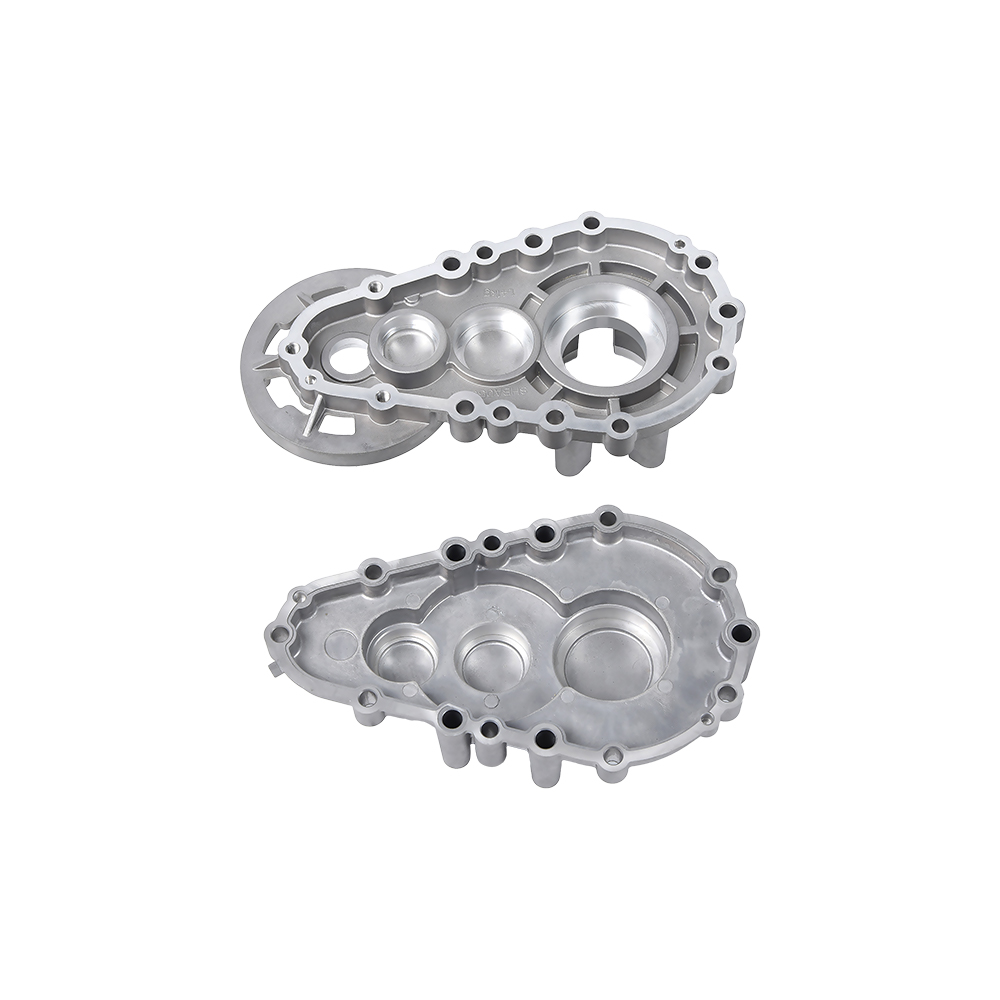
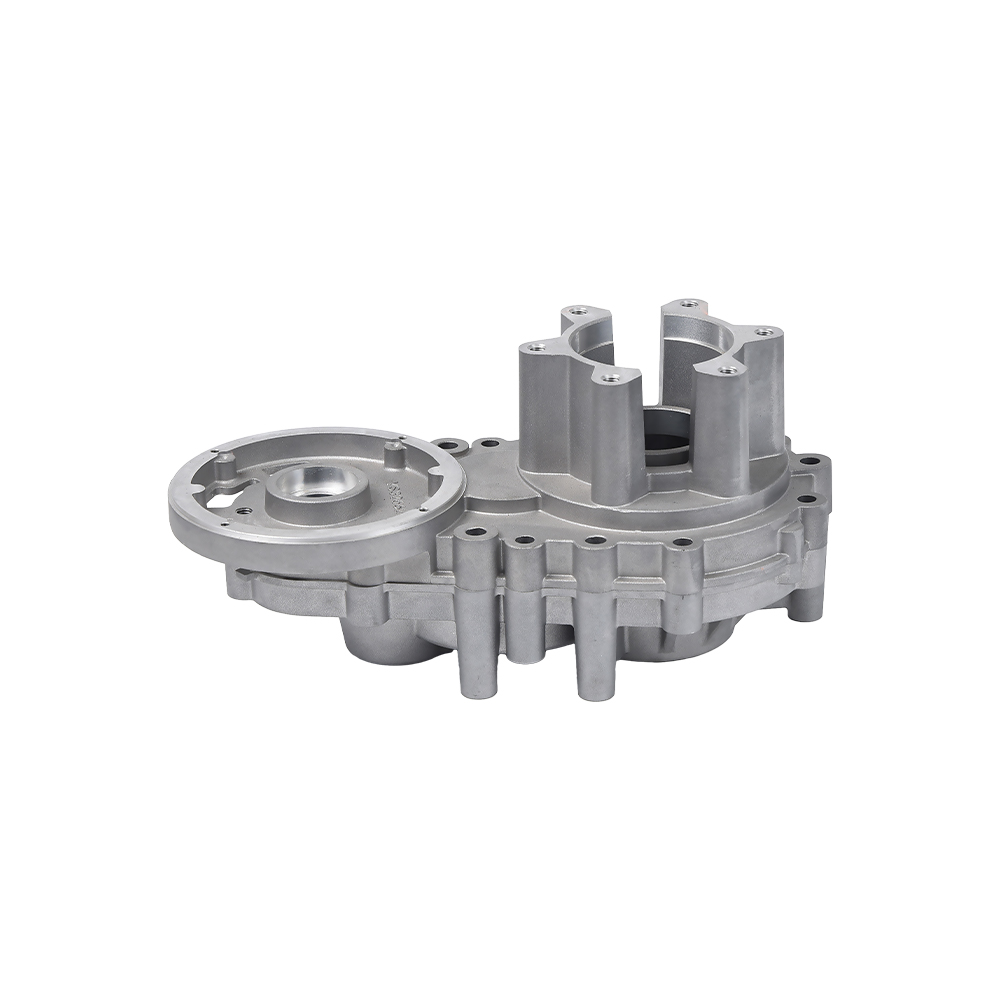
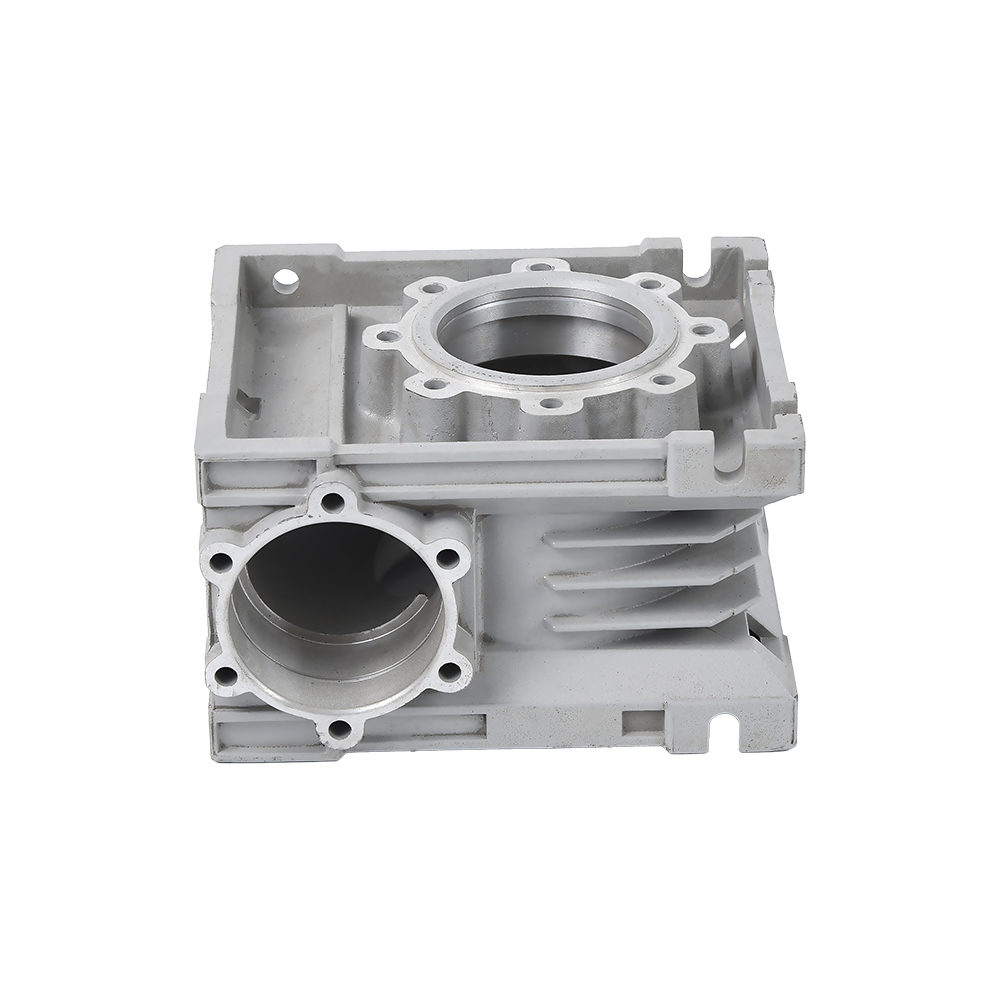
One typical component is an aluminum die cast gearbox housing. The housing must hold precision gears in alignment, protect them from dirt and impact and keep the overall weight low. High-pressure die casting provides the thin walls and dimensional consistency that transmission designers rely on.
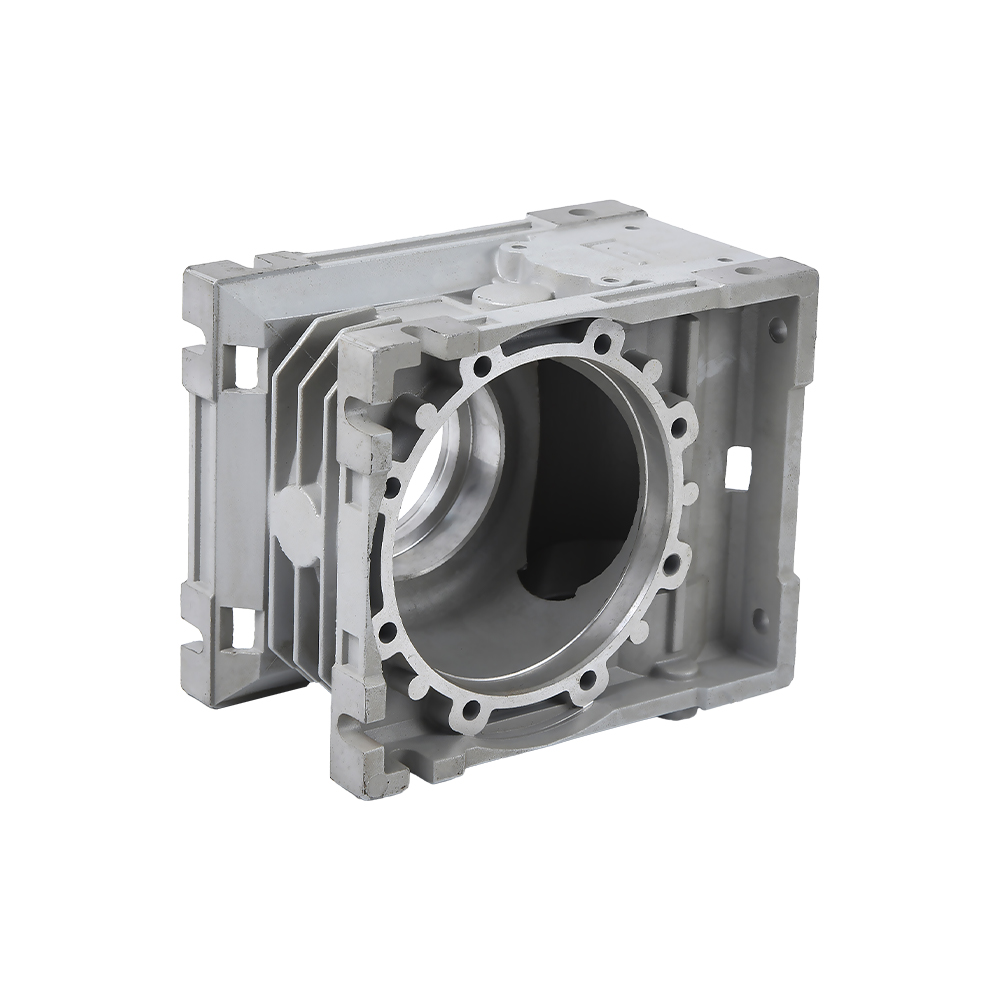 Custom Aluminum Die Casting Gearbox Housing Manufacturers. OEM Suppliers - NingbBeilun Youyuan Machinery Manufacturing Co., Ltd is a China OEM/ODM Aluminum Die Casting Gearbox Housing manufacturers and Aluminum Die Ca...View Product →
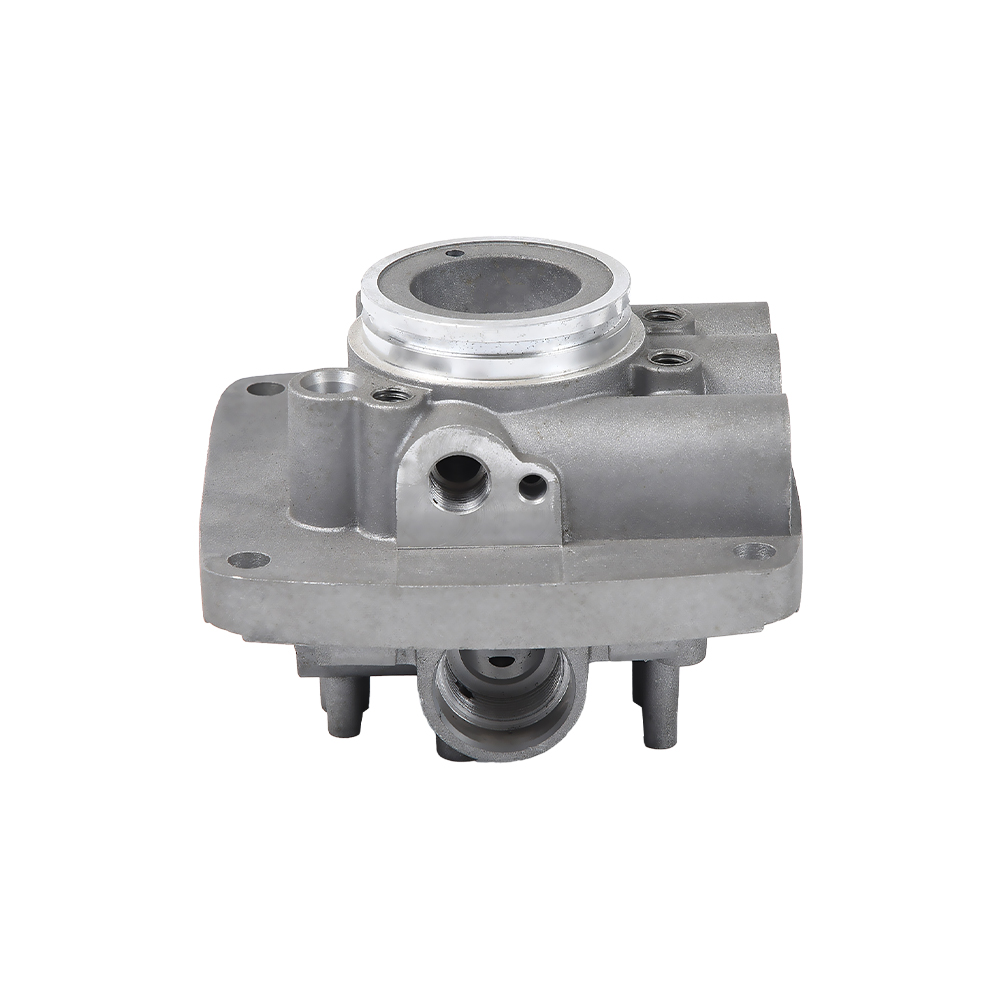
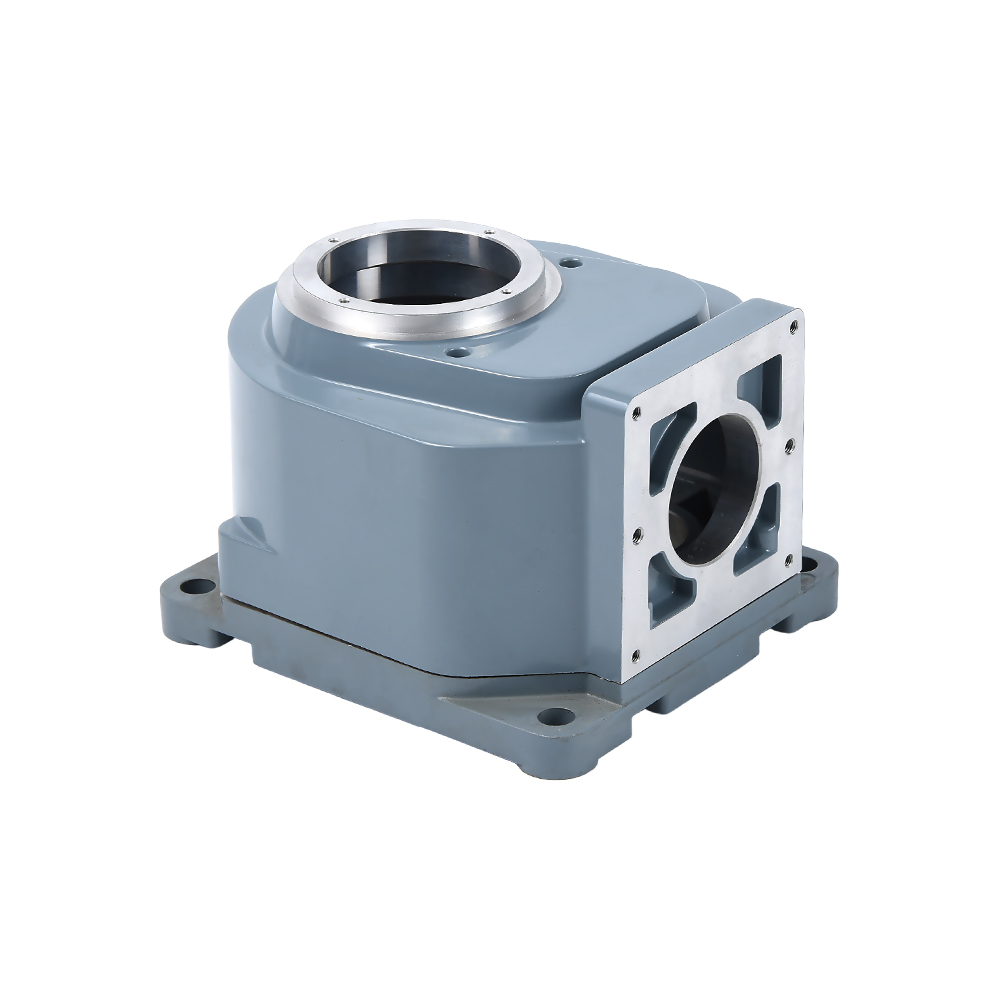
Another example is hydraulic valve bodies. An aluminum die cast hydraulic valve body can have internal fluid passages cast directly into the part, reducing the amount of machining dramatically when compared with drilling long channels through solid material.
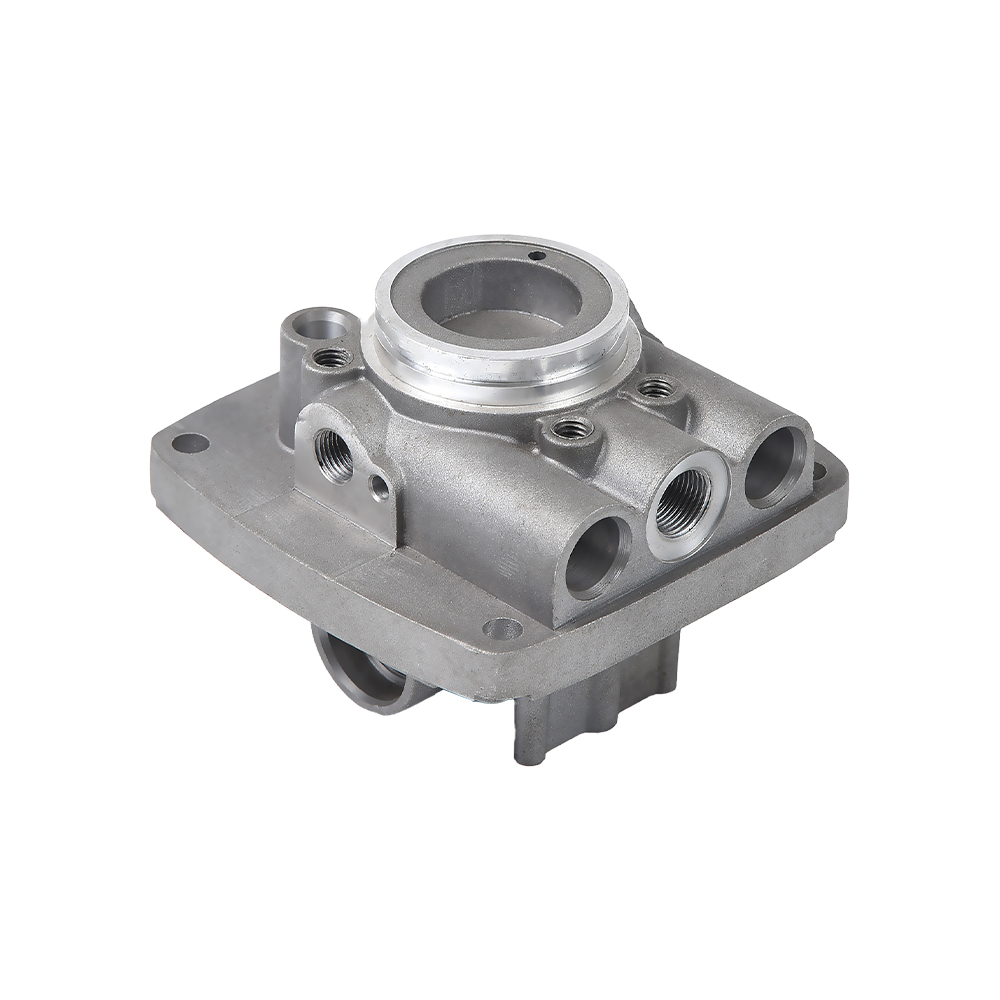 Custom Aluminum Die Casting Hydraulic Valve Manufacturers. OEM Suppliers - NingbBeilun Youyuan Machinery Manufacturing Co., Ltd is a China OEM/ODM Aluminum Die Casting Hydraulic Valve manufacturers and Aluminum Die Ca...View Product →
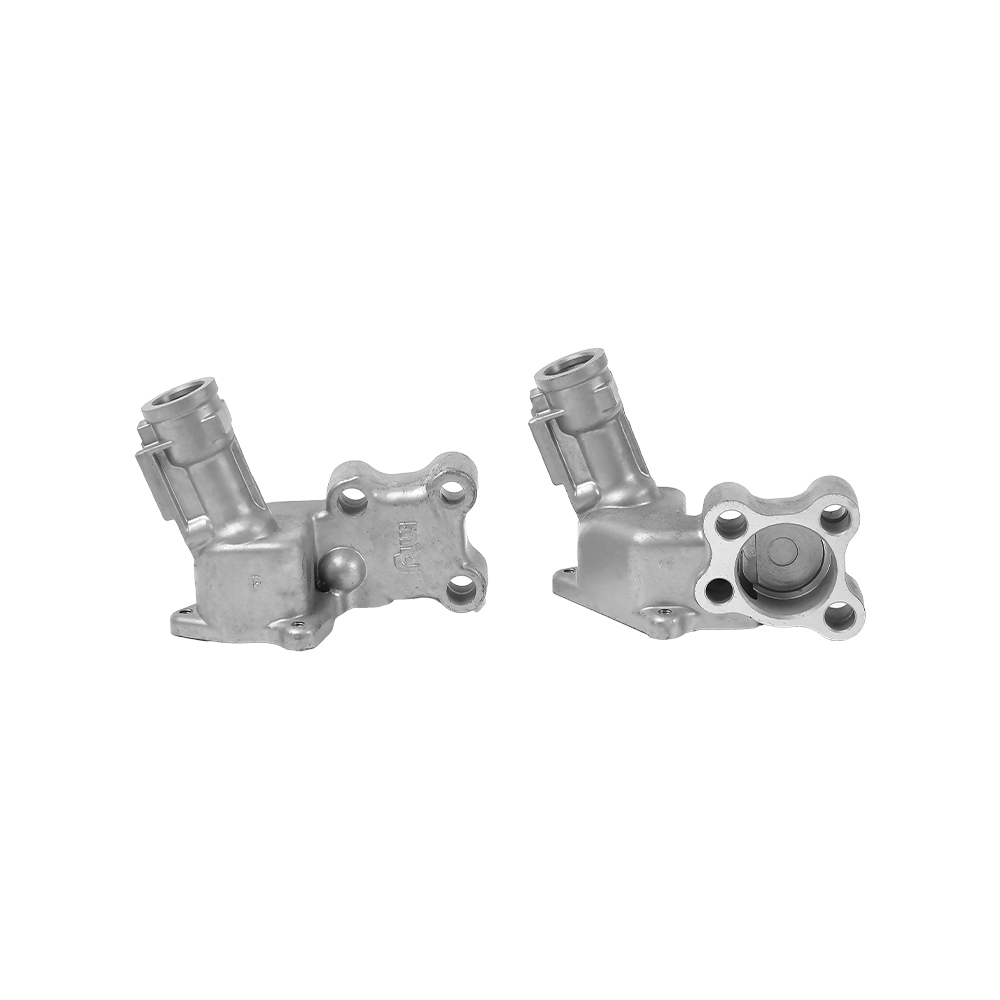
Cooling system components are another natural fit. An aluminum cast engine water pump housing, for example, combines the pump body, inlet and outlet connections and mounting flanges into a single pressure-tight casting, with only the critical bore for the impeller shaft requiring final machining.
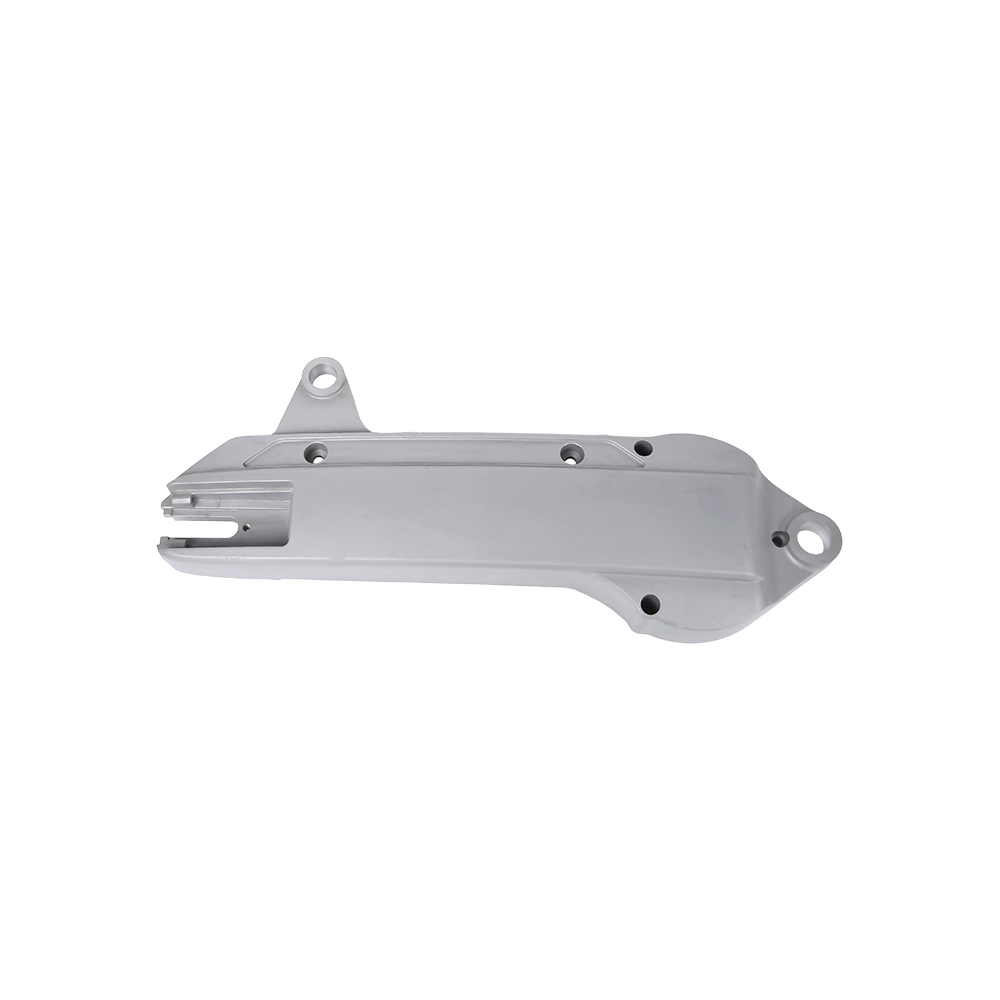
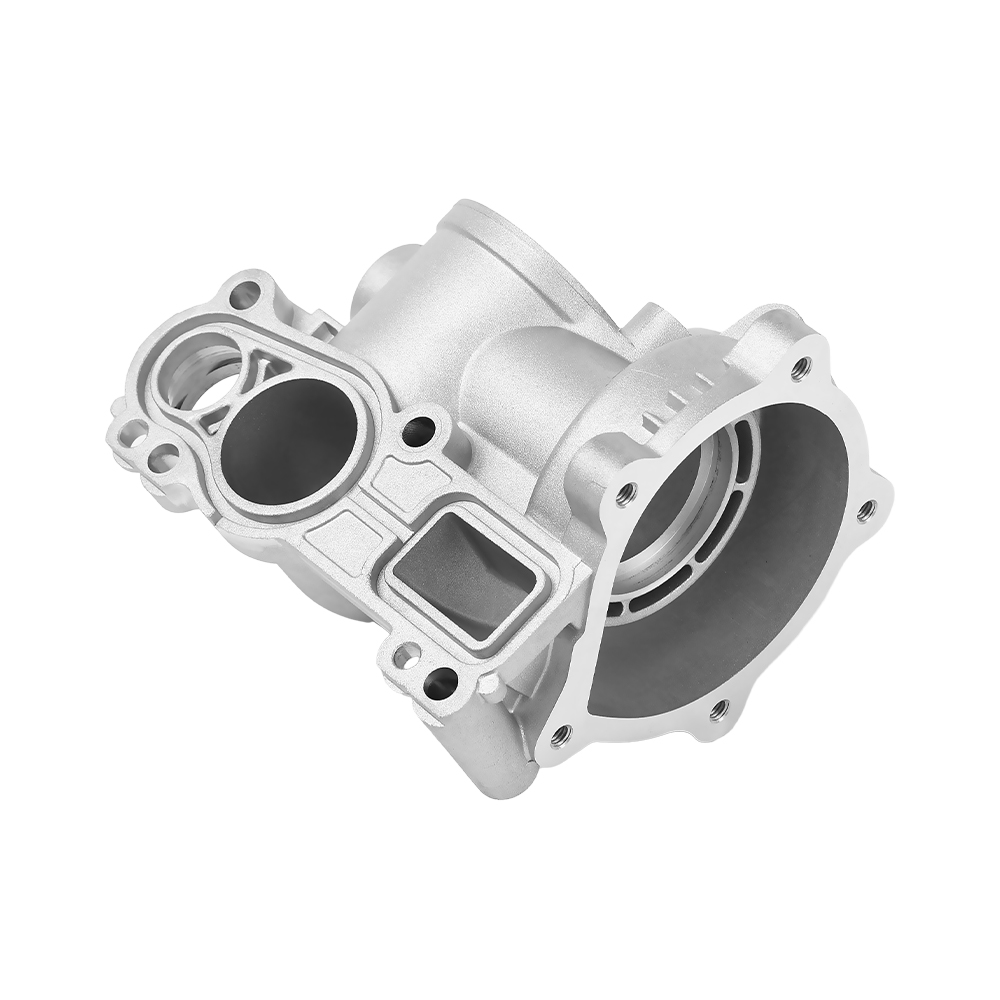 Custom Aluminum Cast Engine Water Pump Manufacturers. OEM Suppliers - Ningbo BeiBeilun Youyuan Machinery Manufacturing Co., Ltd is a China OEM/ODM Aluminum Cast Engine Water Pump manufacturers and Aluminum Cast Engine...View Product →
Why an Integrated Foundry and Machining Shop Helps
A casting from the die is not yet a finished part. Mounting faces, threaded holes, bearing bores and sealing surfaces usually need CNC machining. When the same company runs die casting and machining, the part travels less, tolerances are easier to control, and problems are solved at one plant instead of in emails between two suppliers.
Since 2010, Ningbo Beilun Youyuan Machinery Manufacturing Co., Ltd. has operated an integrated aluminum casting and machining facility in Ningbo, China, producing components such as transmission cases, motor housings, hydraulic valves and agricultural gearboxes. Our production covers high-pressure aluminum die casting, low-pressure die casting, CNC machining and finishing, which lets us deliver a wider scope and shorten the supply chain for OEM customers. You can read more about the advantages of aluminum die casting in our technical notes.
What OEM Buyers Should Check Before Sourcing from a Foundry
The difference between a successful casting project and an expensive correction is usually decided before the first melt. Based on our experience producing aluminum castings for automotive, agricultural, communication and industrial customers, these are the practical checks that matter.
Match the Casting Method to the Annual Volume
Sand casting is economical for a few hundred parts per year, because the tooling is inexpensive. Aluminum die casting becomes the better choice when your demand reaches tens of thousands of parts, because the steel die is costly but each part costs little. The break-even point depends on part size and geometry, but volume is the decisive factor in almost every case. Ask the foundry to prepare a total cost comparison across two methods before you choose tooling.
Verify Dimensional and Material Capability
Aluminum die casting typically holds tolerances in the range of plus or minus 0.1 mm on moderate dimensions and can produce wall thicknesses from roughly 0.8 mm to 3 mm for many designs. These numbers are industry-standard ranges, but your real verification should come from CMM inspection reports on production parts. Ask the foundry for examples with similar features: deep ribs, thin walls, long bores or pressure-tight surfaces.
If material properties matter, specify the alloy by standard designation and confirm the chemical composition. Alloys such as A380 or similar aluminum-silicon-copper die casting alloys are commonly used for housings and structural parts. A foundry should be able to show the alloy specification and control the melt quality in-house rather than buying mystery-alloy ingots from an unverified source.
Confirm the Machining and Finishing Scope
In a fragmented supply chain, the foundry delivers a raw casting, and a separate machine shop adds all functional features. This creates extra transportation, double quality control and more chances for error. An integrated foundry can trim, machine, deburr, test and finish the part in one workflow, as you can see from our casting services overview, giving the buyer a single point of responsibility.
Before placing an order, define the scope in writing: casting operation, trimming, CNC machining operations, pressure testing, surface treatment and packaging. The more complete the scope, the fewer surprises in price and delivery time.
Frequently Asked Questions About Casting and Foundry
Is a foundry the same as a casting factory?
Yes, in nearly all contexts. A foundry is a factory that produces metal castings. "Casting factory" and "foundry" describe the same type of operation. What matters is the distinction between the facility (foundry) and the process (casting), because that distinction helps you communicate clearly with suppliers.
What is the difference between casting and die casting?
Casting is the general process of shaping molten metal in a mold. Die casting is a specific casting method that injects molten metal into a steel die under pressure. Compared with sand casting, die casting is faster, more accurate and better suited for thin-walled aluminum parts produced in high volume, but the steel die is more expensive.
What is the difference between a foundry and a forge?
A foundry melts metal and pours it into a mold to make castings. A forge shapes solid metal by hammering or pressing it, usually at high temperature. Casting can create complex internal cavities directly, while forging produces a denser material but needs machining to form those cavities. For an aluminum gearbox housing or valve body, casting is usually the practical route.
What metals can a casting foundry process?
Foundries generally divide into ferrous and non-ferrous. Ferrous foundries process gray iron, ductile iron, carbon steel and stainless steel. Non-ferrous foundries process aluminum, zinc, magnesium and copper alloys. Aluminum is the most common for lightweight automotive and machine components because of its density, corrosion resistance and thermal conductivity.
How can a buyer confirm that a supplier is really a foundry?
Ask three questions. First, does the supplier operate melting furnaces on site? Second, which casting machines are installed in the plant? Third, can you audit the production area? If melting and casting are all subcontracted, the supplier is a machining or trading company, not a foundry.
What is low-pressure die casting used for?
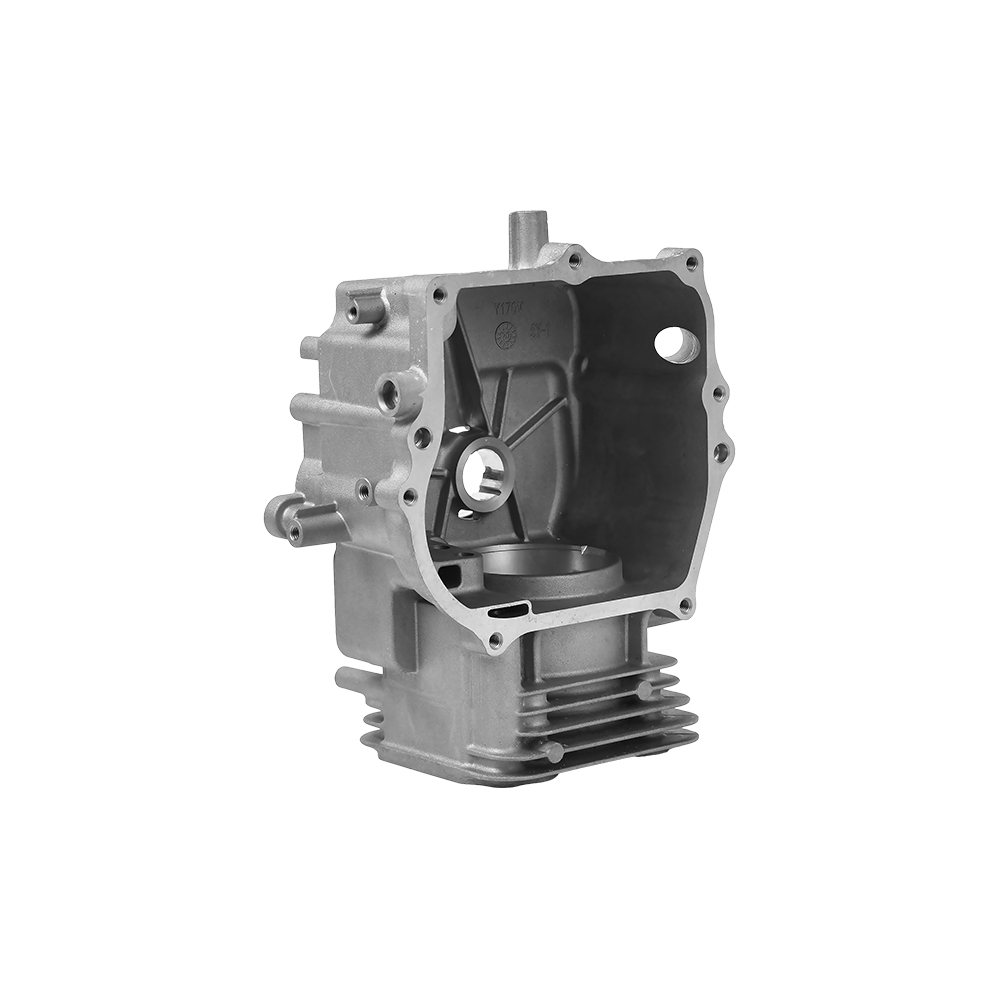
Low-pressure die casting uses gas pressure to push molten metal upward into a die, which produces parts with denser structure and fewer gas pores than gravity or high-pressure injection. It is often chosen for automotive cylinder body parts, wheels and pressure-tight housings where internal soundness is critical. The cycle time is longer, but the mechanical quality is higher.
Choosing a Partner That Runs the Full Casting Workflow
The basic rule for OEM buyers is simple: choose a foundry that can prove its casting capability, machine the parts to final tolerances and take responsibility for the entire workflow. The terms foundry and casting will keep appearing together in your conversations, but what you are really evaluating is process control, equipment and experience.
Ningbo Beilun Youyuan Machinery Manufacturing Co., Ltd. has produced aluminum alloy castings and precision machined components since 2010. Our integrated plant in Ningbo, China, combines high-pressure die casting, low-pressure die casting and CNC machining, serving customers in automotive power systems, cooling systems, agricultural machinery, communication equipment and electric motors. If you are comparing casting processes for a new part, start by reviewing our production examples and talking through your drawing, alloy choice and volume forecast.
Every casting project starts with a drawing, an alloy choice and a realistic volume forecast. Once those inputs are clear, a foundry can recommend the right casting method and give you a dependable price. Contact our casting engineers when you are ready to turn your concept into a production part.