 LANGUAGE
  English
 русский
 Español

Content
- 1 What Is Cast Aluminum Cookware?
- 2 How the Aluminum Casting Process Actually Works
- 3 Key Properties That Make Cast Aluminum Cookware Perform Well
- 4 Surface Coatings and Finishes on Cast Aluminum Cookware
- 5 Cast Aluminum Cookware vs. Other Materials: A Direct Comparison
- 6 Common Types of Cast Aluminum Cookware and Their Uses
- 7 How to Care for Cast Aluminum Cookware to Maximize Its Lifespan
- 8 Is Cast Aluminum Cookware Safe to Use?
- 9 Aluminum Casting in Commercial and Industrial Cookware Production
- 10 What to Look For When Buying Cast Aluminum Cookware
- 11 Environmental Aspects of Aluminum Casting in Cookware
What Is Cast Aluminum Cookware?
Cast aluminum cookware is kitchen equipment made by pouring molten aluminum into molds — a manufacturing method known as aluminum casting — which produces thick, rigid pots and pans with excellent heat retention. Unlike stamped or spun aluminum products, the aluminum casting process creates a denser, more uniform wall structure that distributes heat more evenly across the cooking surface. If you want durable, lightweight, non-reactive cookware that heats fast and holds temperature well, cast aluminum is one of the most practical choices available today.
The core principle behind aluminum casting is straightforward: aluminum is melted at roughly 660°C (1,220°F), poured into a precision mold, cooled, and then machined or finished to spec. The result is cookware that is typically 30–50% lighter than cast iron but shares many of its thermal performance characteristics. That weight difference matters enormously for everyday cooking — a 10-inch cast aluminum skillet weighs around 1.2–1.8 kg, while a comparable cast iron version tips the scale at 2.5–3.5 kg.
Cast aluminum cookware is defined by its production method — aluminum casting — which gives it thick walls, even heat distribution, and a solid feel that thinner pressed-aluminum pans simply cannot match.
How the Aluminum Casting Process Actually Works
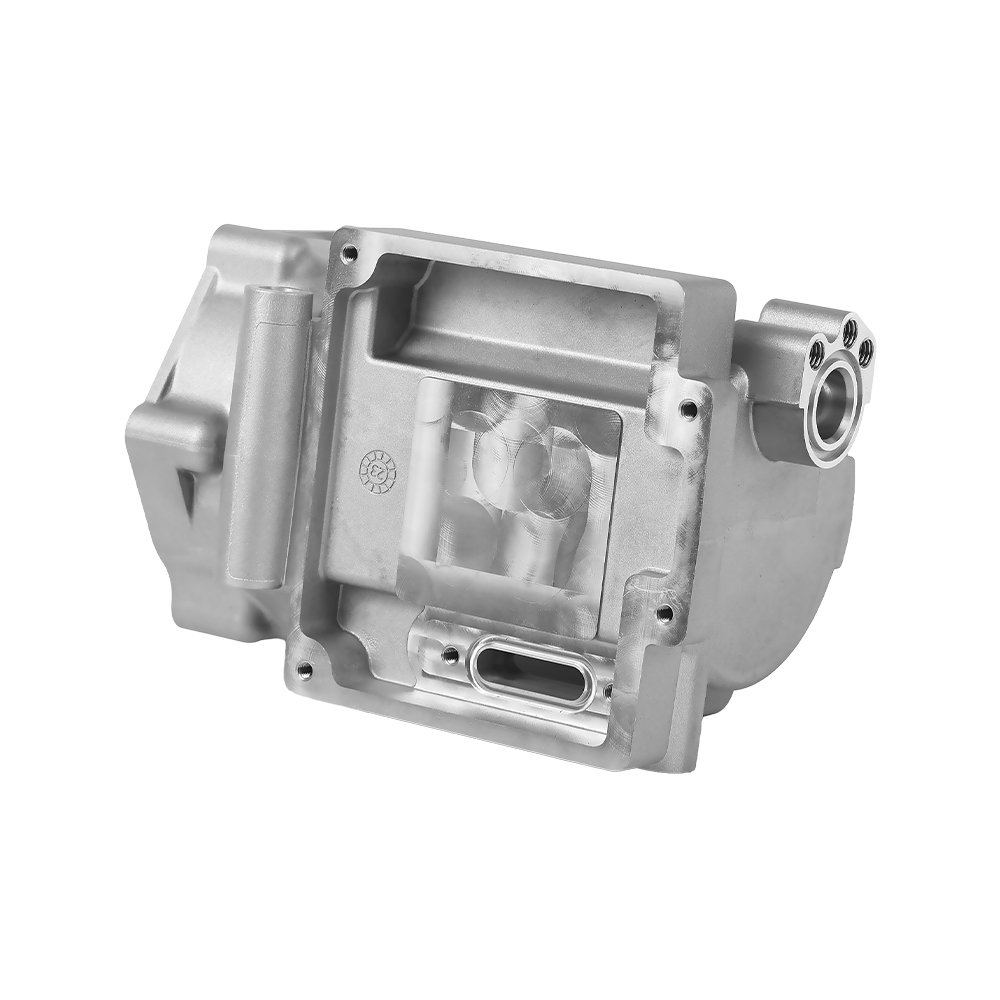
Understanding what is cast aluminum cookware means understanding the manufacturing process behind it. There are several aluminum casting methods used in cookware production, each with different trade-offs in terms of density, surface quality, and cost.
Gravity Die Casting
This is the most common method for standard cast aluminum cookware. Molten aluminum is poured by gravity into a steel or iron mold. The mold controls the shape, wall thickness, and exterior texture. Gravity die casting produces cookware with wall thicknesses typically between 4mm and 8mm, giving it good heat retention without excessive weight. Most mid-range cast aluminum frying pans and casserole dishes on the market are made this way.
Pressure Die Casting
In pressure die casting, molten aluminum is injected into the mold under high pressure (often 1,500–25,000 PSI). This produces finer surface detail and tighter dimensional tolerances but can introduce microscopic porosity if not done correctly. Some premium cookware manufacturers use high-pressure casting to create extremely smooth interior surfaces that bond better with non-stick coatings.
Low-Pressure and Vacuum Casting
Higher-end aluminum casting operations use low-pressure or vacuum-assisted casting to reduce porosity in the final product. Porosity (tiny air pockets in the metal) weakens cookware structurally and reduces thermal conductivity. Vacuum casting is especially common in cookware that will undergo anodizing, since a denser aluminum surface produces a harder, more uniform anodized layer.
| Casting Method | Pressure Used | Typical Wall Thickness | Best For |
|---|---|---|---|
| Gravity Die Casting | Atmospheric | 4–8 mm | Standard cookware, casseroles, skillets |
| Pressure Die Casting | 1,500–25,000 PSI | 3–6 mm | Non-stick coated pans, woks |
| Low-Pressure / Vacuum | Low / Negative | 5–10 mm | Anodized cookware, premium lines |
Key Properties That Make Cast Aluminum Cookware Perform Well
The aluminum casting method directly determines the functional properties of the finished cookware. Here is what sets good cast aluminum apart from cheaper alternatives.
Thermal Conductivity
Aluminum conducts heat at approximately 205 W/(m·K) — about 4 times better than stainless steel and nearly 10 times better than cast iron. This means cast aluminum pans heat up much faster and respond quickly when you adjust the burner. The aluminum casting process produces walls thick enough to hold that heat once achieved, giving you the best of both worlds: fast response and steady temperature.
Weight Advantage
Aluminum has a density of about 2.7 g/cm³ compared to iron's 7.87 g/cm³. Cast aluminum cookware is therefore roughly 65% lighter than equivalent cast iron pieces. For people with wrist or joint issues, or for professional kitchens where cookware is handled hundreds of times a day, this weight difference is significant in practical terms.
Uniform Heat Distribution
Because aluminum casting fills a mold completely and evenly, the resulting wall thickness is consistent throughout the piece. Thin stamped pans develop hot spots near the heat source, leading to uneven cooking. A properly cast aluminum pan distributes heat within ±5–10°C across the cooking surface, compared to ±25–40°C variance in cheaper thin-gauge pans.
Structural Rigidity
The casting process creates a one-piece structure without seams, welds, or stress points. This gives cast aluminum cookware excellent resistance to warping under high heat — a common failure mode in pressed aluminum and thin stainless steel pans. Well-made cast aluminum pieces maintain their flat base even after years of daily use on gas and electric stovetops.
Surface Coatings and Finishes on Cast Aluminum Cookware
Raw cast aluminum is reactive with acidic foods and can leach metal ions into food at high temperatures. Almost all cast aluminum cookware is therefore finished with one of several surface treatments that affect durability, non-stick performance, and maintenance requirements.
PTFE (Teflon-Type) Non-Stick Coatings
The most common finish applied to cast aluminum cookware is a PTFE-based non-stick coating. Modern PTFE coatings are applied in multiple layers (typically 2–3) with a total thickness of around 20–40 microns. The aluminum casting substrate provides an excellent base for these coatings because its surface can be mechanically or chemically treated to improve adhesion. Quality non-stick coatings on cast aluminum are rated for temperatures up to 260°C (500°F) before the coating starts to degrade.
Hard Anodizing
Hard anodizing is an electrochemical process that converts the surface of the aluminum into aluminum oxide (Al₂O₃), creating a layer that is integral to the metal — not a separate coating that can peel. The anodized layer is 2–3 times harder than stainless steel (measuring around 60–70 on the Rockwell C scale) and is non-reactive with food. Hard-anodized cast aluminum cookware is grey-black in appearance and resists scratching from metal utensils far better than PTFE-coated alternatives.
Ceramic Non-Stick Coatings
Ceramic coatings on cast aluminum have grown popular as a PTFE-free alternative. These sol-gel based coatings are applied as a liquid and cured at high temperature, producing a smooth, slippery surface. Ceramic coatings are generally thinner than PTFE (around 10–20 microns) and have a shorter effective lifespan — typically 1–3 years of regular use before the non-stick properties diminish significantly. However, they tolerate slightly higher temperatures before degrading.
Bare Cast Aluminum (Uncoated)
Some cookware — particularly commercial-grade aluminum casting products used in restaurant kitchens — is left uncoated. Bare cast aluminum develops a natural oxide layer with use and seasoning, somewhat similar to cast iron, although it never achieves the same depth of seasoning. Bare cast aluminum is not recommended for cooking acidic foods like tomatoes or citrus-heavy dishes, as aluminum can migrate into the food under those conditions.
- PTFE coatings: best for everyday non-stick performance, moderate durability
- Hard anodizing: best for durability and scratch resistance, no peeling risk
- Ceramic coatings: PTFE-free, good for high-heat short-duration cooking, shorter lifespan
- Bare aluminum: commercial use, requires seasoning, not suitable for acidic foods
Cast Aluminum Cookware vs. Other Materials: A Direct Comparison
Choosing between cookware materials involves trade-offs across weight, heat performance, reactivity, durability, and cost. The following comparisons use specific data points to put cast aluminum cookware in context.
| Property | Cast Aluminum | Cast Iron | Stainless Steel | Stamped Aluminum |
|---|---|---|---|---|
| Thermal conductivity | 205 W/(m·K) | 52 W/(m·K) | 16 W/(m·K) | 205 W/(m·K) |
| Typical weight (10" pan) | 1.2–1.8 kg | 2.5–3.5 kg | 0.9–1.4 kg | 0.5–0.9 kg |
| Heat-up speed | Fast | Slow | Medium | Very fast |
| Warping resistance | Excellent | Excellent | Good | Poor |
| Induction compatible (base) | No (unless bonded) | Yes | Yes (18/10 grade) | No |
| Relative cost | Medium | Low–Medium | Medium–High | Low |
The table makes one thing clear: cast aluminum sits in a practical middle ground. It heats faster than cast iron, is far more rigid and warp-resistant than stamped aluminum, and is significantly lighter than cast iron — all at a reasonable price point. Stainless steel wins on durability and reactivity resistance, but its thermal conductivity is so poor that most stainless cookware uses an aluminum core or disc anyway.
Common Types of Cast Aluminum Cookware and Their Uses
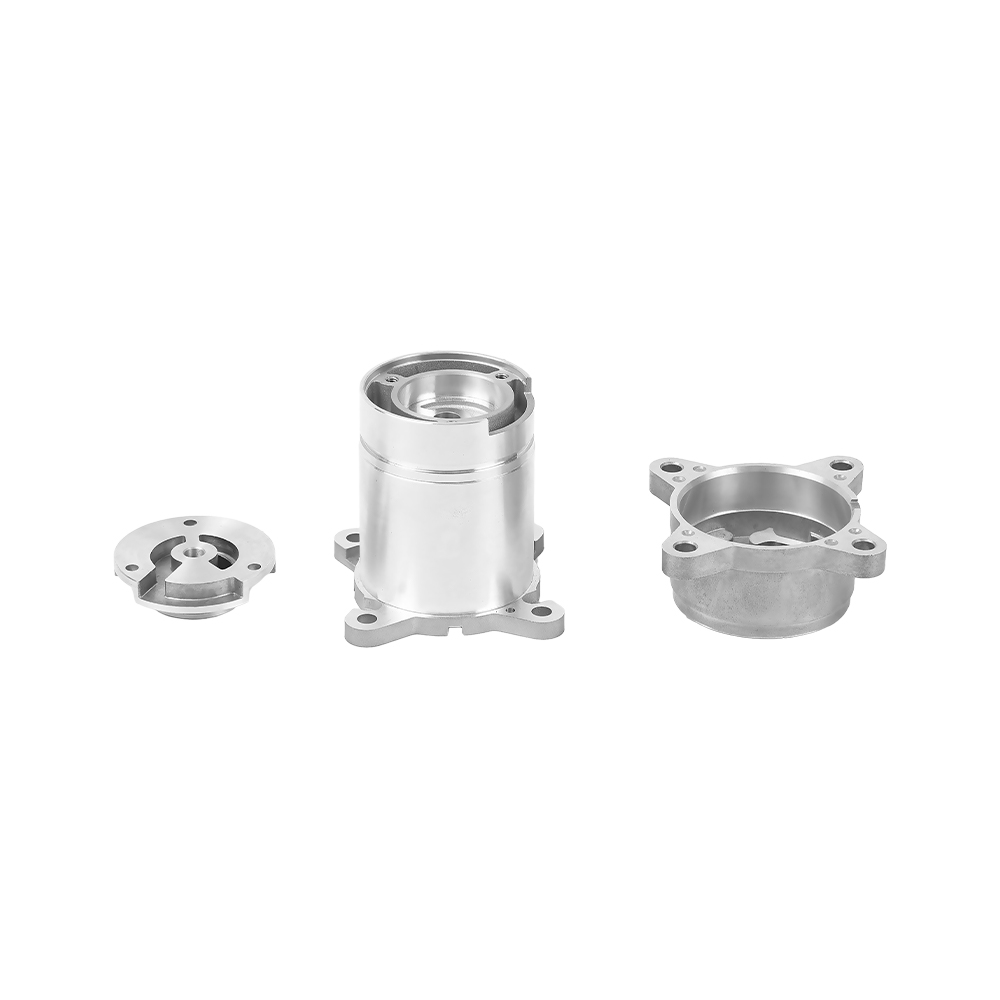
The aluminum casting process is versatile enough to produce a wide range of cookware shapes and sizes. Different pieces are optimized for different cooking tasks.
Cast Aluminum Frying Pans and Skillets
These are the most common cast aluminum cookware items. Available in sizes from 8 inches to 14 inches in diameter, cast aluminum skillets are ideal for sautéing, searing, frying eggs, and pan sauces. The thick base produced by aluminum casting ensures even browning without burning at the center — a problem that plagues thinner pans. Most feature a PTFE or hard-anodized coating for everyday non-stick use.
Cast Aluminum Dutch Ovens and Casserole Dishes
Dutch ovens made via aluminum casting are significantly lighter than their cast iron counterparts — a 6-quart cast aluminum Dutch oven typically weighs around 2.5–3 kg versus 5–7 kg for cast iron. This makes them practical for transferring between stovetop and oven, which is a common cooking technique for braises and stews. They perform well in ovens up to 200–220°C, depending on the handle and lid materials used.
Cast Aluminum Woks
Traditional carbon steel woks require seasoning and are prone to rust. Cast aluminum woks offer a non-stick-coated alternative that heats quickly and handles high-heat stir-frying well. The aluminum casting process allows manufacturers to produce woks with slightly thicker bases that stabilize better on Western flat-top burners, a common complaint with traditional round-bottomed woks.
Cast Aluminum Griddles
Flat griddles produced via aluminum casting provide large, even cooking surfaces for pancakes, eggs, and grilled sandwiches. A typical rectangular griddle (roughly 40cm × 25cm) made from cast aluminum weighs around 1.5–2 kg — light enough to slide on and off the stovetop without difficulty. The thick, uniform base ensures that pancakes brown evenly from edge to center.
Cast Aluminum Roasting Pans
Large roasting pans benefit from the rigidity that aluminum casting provides. Thin stamped aluminum roasting pans can flex and buckle when lifting a full bird from the oven, which creates a safety hazard. Cast aluminum roasting pans maintain structural integrity under the weight of a 5–7 kg turkey or roast, and their excellent thermal conductivity ensures even cooking across the large surface area.
How to Care for Cast Aluminum Cookware to Maximize Its Lifespan
The longevity of cast aluminum cookware depends largely on how you maintain it. The aluminum casting itself is durable, but the coatings on top require specific care practices.
- Avoid extreme thermal shock. Plunging a hot cast aluminum pan into cold water causes rapid contraction that can stress the metal and crack non-stick coatings. Let your cookware cool to room temperature before washing.
- Use low to medium heat settings. Cast aluminum heats so efficiently that high heat is rarely necessary. Cooking on excessively high heat accelerates coating degradation and can cause food to burn. Most cooking tasks work best on medium heat (around 150–180°C surface temperature).
- Hand wash when possible. Dishwasher detergents are alkaline and abrasive. Regular dishwasher cycles strip non-stick coatings faster and can dull anodized surfaces. A gentle hand wash with warm soapy water extends coating life significantly.
- Use appropriate utensils. For PTFE-coated cast aluminum, use silicone, wooden, or nylon utensils. Hard-anodized surfaces tolerate metal utensils better, but metal implements will eventually scratch even hard coatings.
- Store carefully. Stacking cast aluminum cookware without protection scratches non-stick surfaces. Use pan protectors — felt or silicone pads — between stacked pieces to prevent surface damage during storage.
- Re-season bare cast aluminum. If you have uncoated cast aluminum cookware, apply a thin layer of cooking oil after each wash and heat briefly to maintain a protective seasoned surface.
With proper care, a good-quality cast aluminum pan with a multi-layer PTFE coating should maintain effective non-stick performance for 3–5 years of regular daily use. Hard-anodized cast aluminum cookware, with no coating to degrade, can last 10–20 years or more if not subjected to severe physical abuse.
Is Cast Aluminum Cookware Safe to Use?
Concerns about aluminum and health have circulated for decades, largely driven by studies exploring a possible link between aluminum exposure and neurological conditions. The current scientific consensus from regulatory agencies including the WHO and the FDA is that dietary aluminum exposure from cookware is not a significant health risk for most people. That said, there are practical considerations worth understanding.
Aluminum Migration into Food
Uncoated aluminum cookware does transfer some aluminum into food during cooking, particularly when cooking acidic foods (tomatoes, citrus, vinegar-based dishes) or highly alkaline foods. Studies have measured aluminum migration rates from uncoated pans at approximately 1–7 mg of aluminum per kilogram of food, depending on food acidity and cooking duration. The WHO's provisional tolerable weekly intake for aluminum is 2 mg/kg of body weight — so a 70 kg adult has a weekly tolerance of 140 mg. Normal cookware use contributes only a fraction of that amount.
Coated Cast Aluminum and Safety
Coated cast aluminum cookware — whether PTFE, ceramic, or hard-anodized — effectively eliminates direct food-aluminum contact and therefore the migration concern. The safety debate around PTFE coatings specifically centers on PFOA, a processing chemical used in older PTFE manufacturing. Since approximately 2013, major cookware manufacturers have eliminated PFOA from their production processes following regulatory pressure. Current PTFE coatings are considered safe for normal cooking use.
When to Replace Cast Aluminum Cookware
Replace coated cast aluminum cookware when the coating shows significant peeling, flaking, or deep scratching. Ingesting fragments of non-stick coating is not desirable even if individual fragments pass through the body inertly — it is a signal that the functional coating is failing and should be replaced. Hairline surface scratches in a PTFE coating do not require immediate replacement.
Aluminum Casting in Commercial and Industrial Cookware Production
Beyond consumer markets, aluminum casting plays a large role in professional food service and industrial cooking equipment. Understanding this helps explain why certain design features appear in high-end consumer cookware — they originate from requirements developed in commercial kitchens.
Commercial restaurant supply operations favor cast aluminum for several reasons. In a busy kitchen, a cook may handle the same pan hundreds of times per shift. The weight of cast iron becomes a cumulative strain problem over a working day. Cast aluminum gives professional cooks a pan with enough mass for heat retention but light enough for extended handling. Chain restaurant operations standardize on cast aluminum cookware partly for this ergonomic reason.
Large-scale aluminum casting operations for cookware typically run continuous production lines where molten aluminum is gravity cast into molds in cycles of roughly 90–180 seconds per piece. After casting, pieces go through trimming, surface treatment, coating application, curing, and quality control. A modern cookware factory can produce thousands of cast aluminum pieces per day.
The demand for cast aluminum cookware globally is substantial. The global aluminum die casting market — which includes cookware among other applications — was valued at approximately USD 70 billion in 2023 and continues to grow as aluminum replaces heavier metals in multiple manufacturing sectors.
Environmental Aspects of Aluminum Casting in Cookware
Aluminum has a complex environmental profile. Primary aluminum production is energy-intensive — producing one ton of aluminum from bauxite requires roughly 13,500–14,500 kWh of electricity, making it one of the more energy-demanding manufacturing processes. However, aluminum is infinitely recyclable, and recycling aluminum uses only about 5% of the energy required for primary production.
Many cast aluminum cookware manufacturers now use recycled aluminum content in their products. Recycled-content aluminum performs identically to virgin aluminum in the aluminum casting process, and using it significantly reduces the embodied carbon of the finished cookware. Some manufacturers specify their recycled content percentage — typically ranging from 30% to 70% recycled aluminum in their alloy feedstock.
From a use-phase perspective, cast aluminum cookware's thermal efficiency has real energy implications. Because cast aluminum heats faster and distributes heat more evenly than cast iron or stainless steel, you typically use lower heat settings for equivalent cooking results, which reduces energy consumption per meal. Over a product's lifetime of several years, these efficiency gains are not trivial.
End-of-life recycling is straightforward for bare or hard-anodized cast aluminum cookware. PTFE-coated pieces are more problematic — the fluoropolymer coating must be removed or managed during recycling. Some specialty recyclers handle this, but it adds complexity compared to recycling bare metal.