 LANGUAGE
  English
 русский
 Español

Home / News / Industry News / What material is most widely used for die casting? Come and learn more!
Content
The Absolute King of Die Casting: Aluminum Alloy
1. The Dominance of Aluminum Alloy
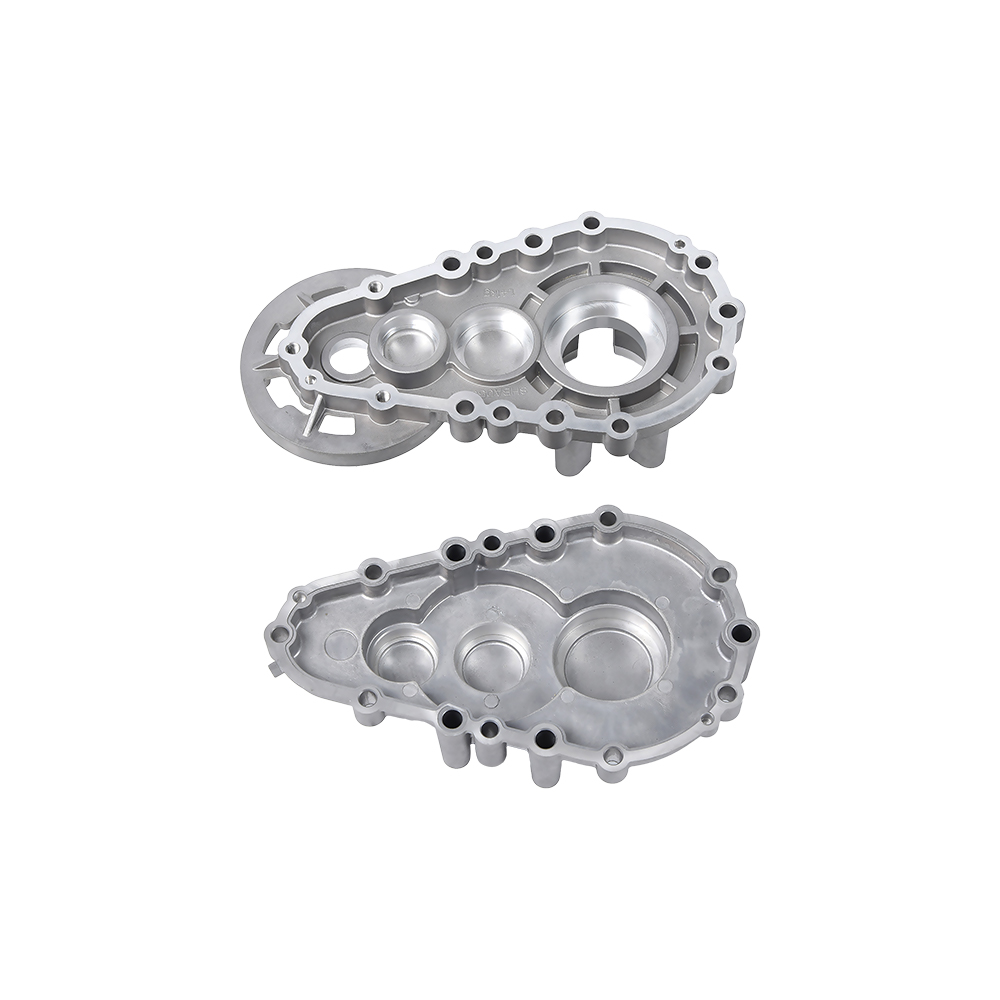
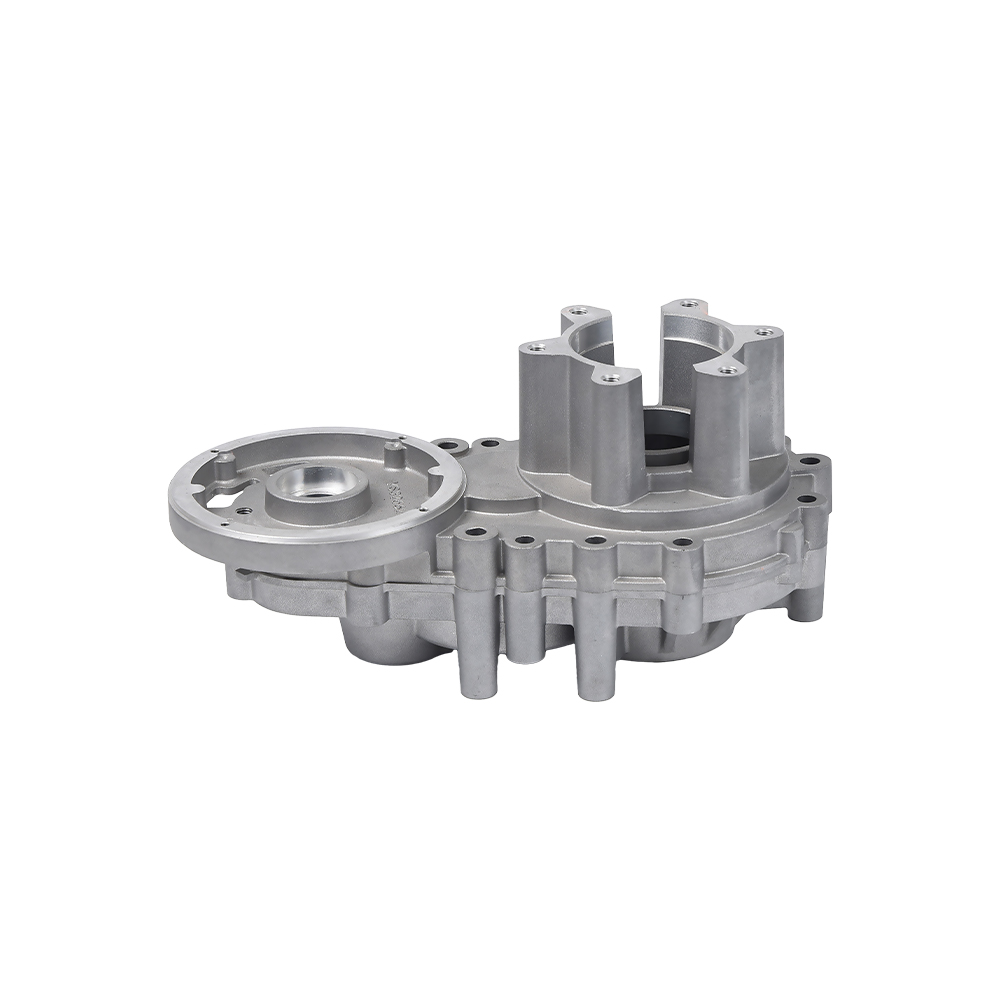
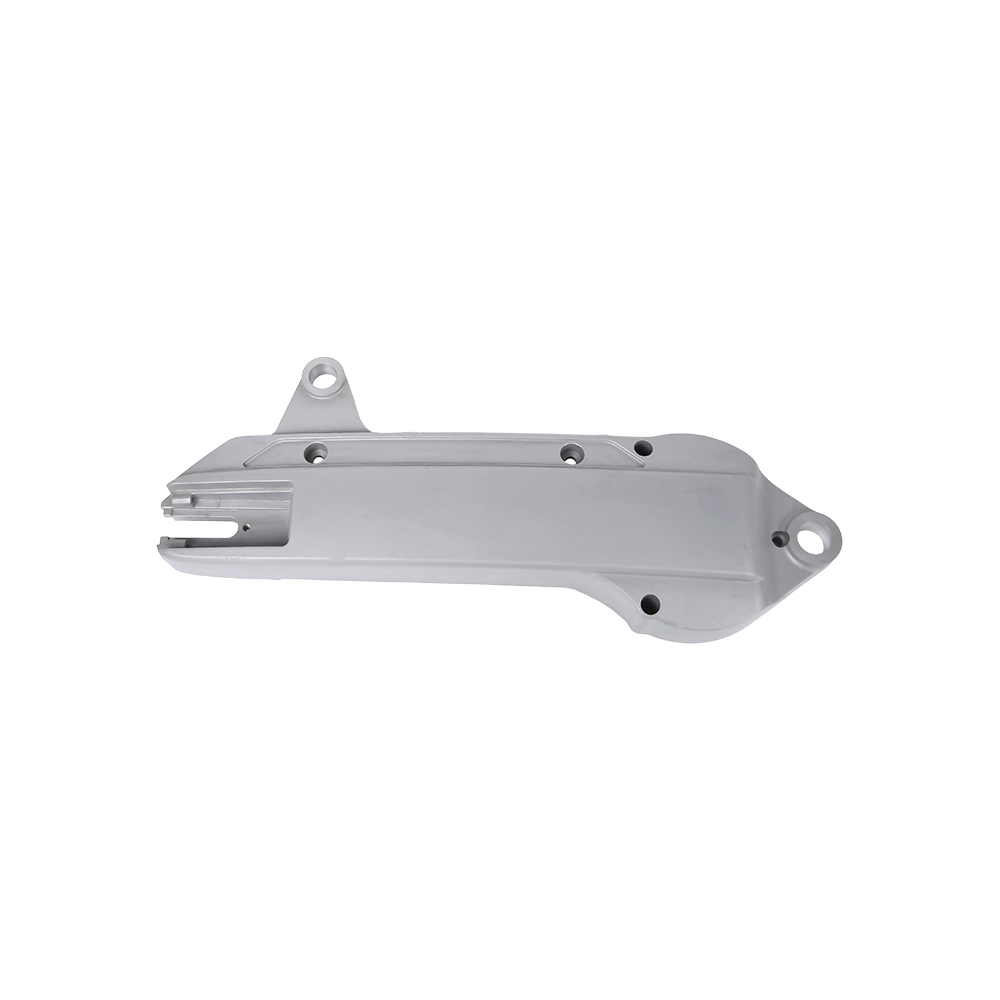
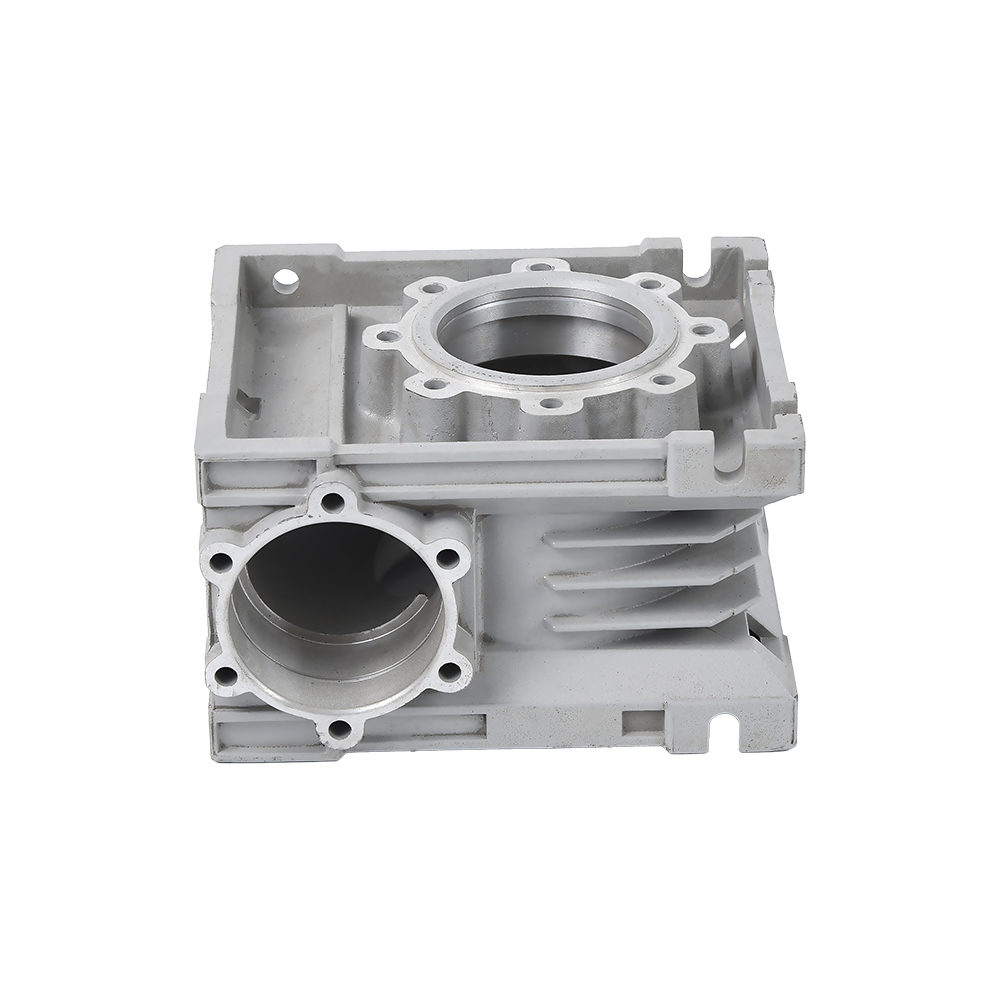
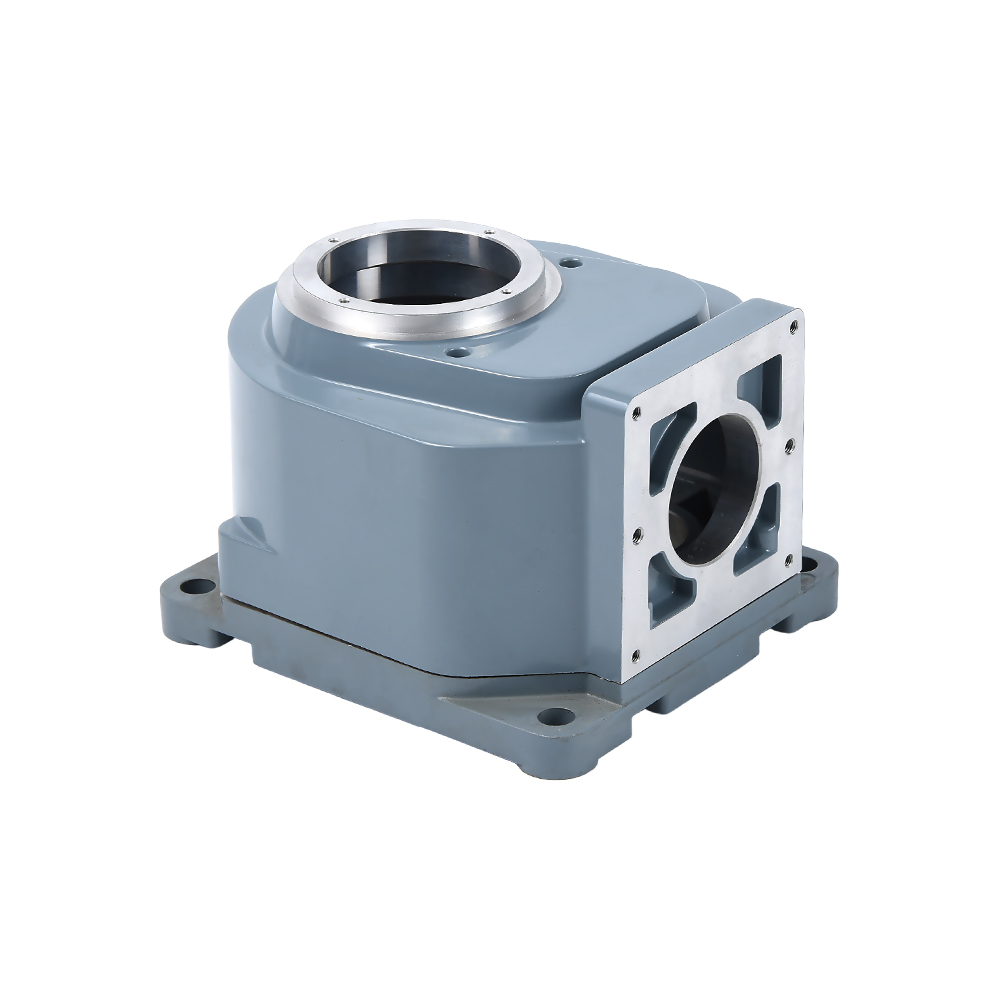
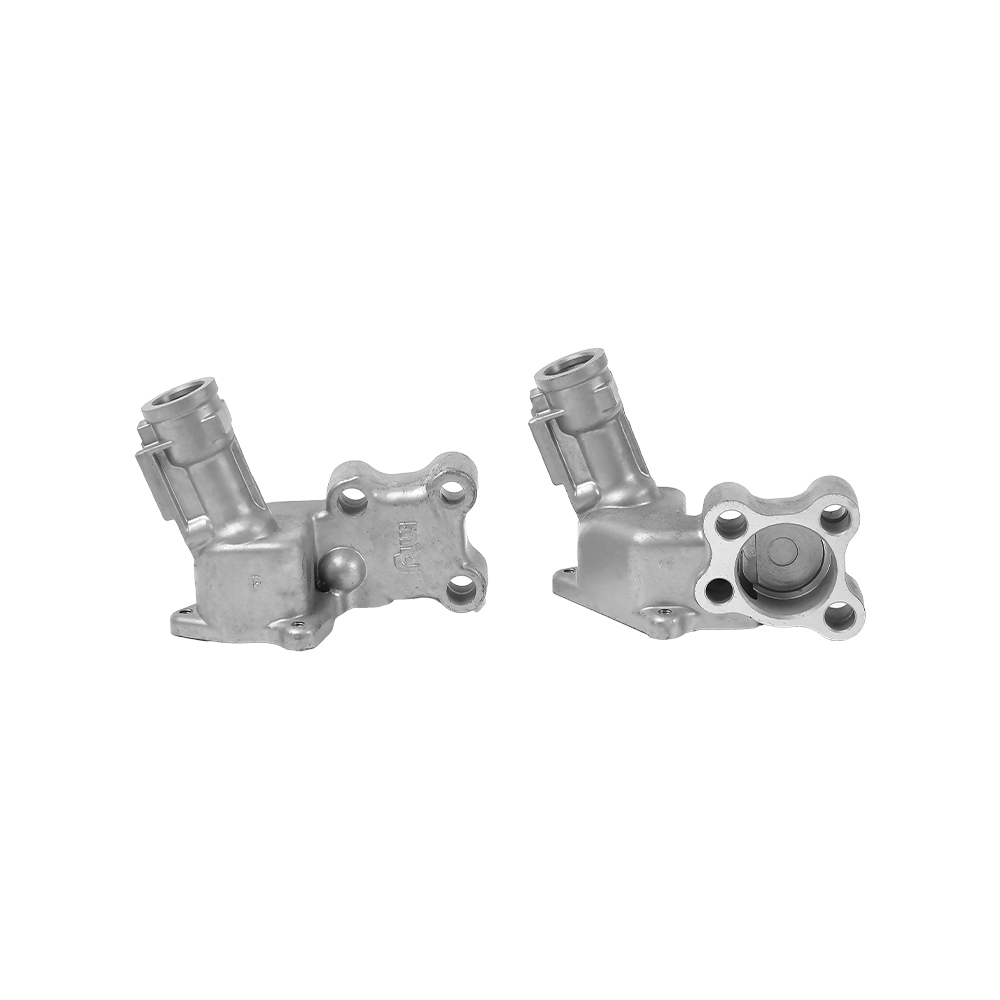
Overwhelming Usage: At least 8 out of 10 die-cast parts are made of aluminum alloy (Aluminum Die Casting). It's ubiquitous in car parts, mobile phone casings, and home appliance frames.
Balanced Performance with No Weaknesses: Half the weight of steel, ten times stronger than plastic, excellent heat dissipation, conductivity, and corrosion resistance – a true "all-rounder."
2. Two Golden Models
ADC12 (Japanese Ace):
High-silicon formula (≈12% silicon), aluminum liquid flows like water, ideal for ultra-thin parts (such as laptop casings) down to 0.5mm.
Recycled aluminum is directly reused, minimizing costs.
A380 (American Tough Guy):
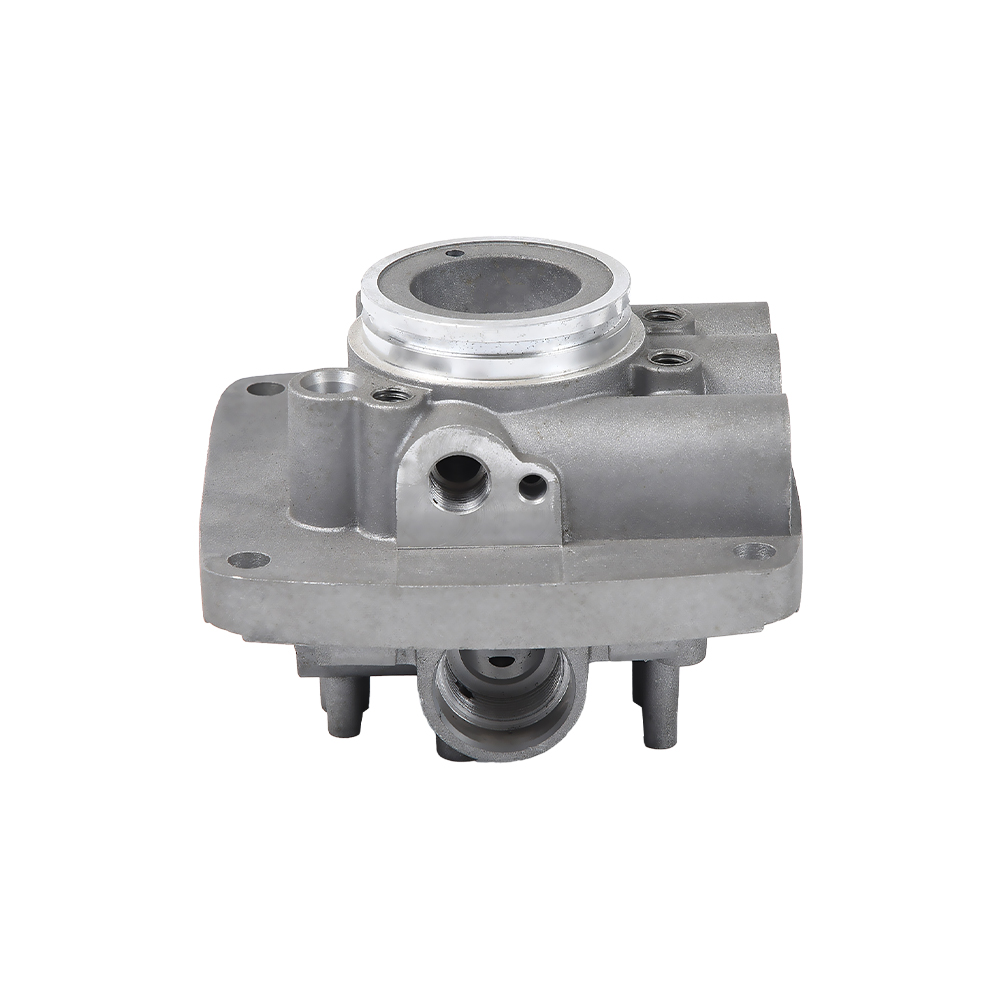
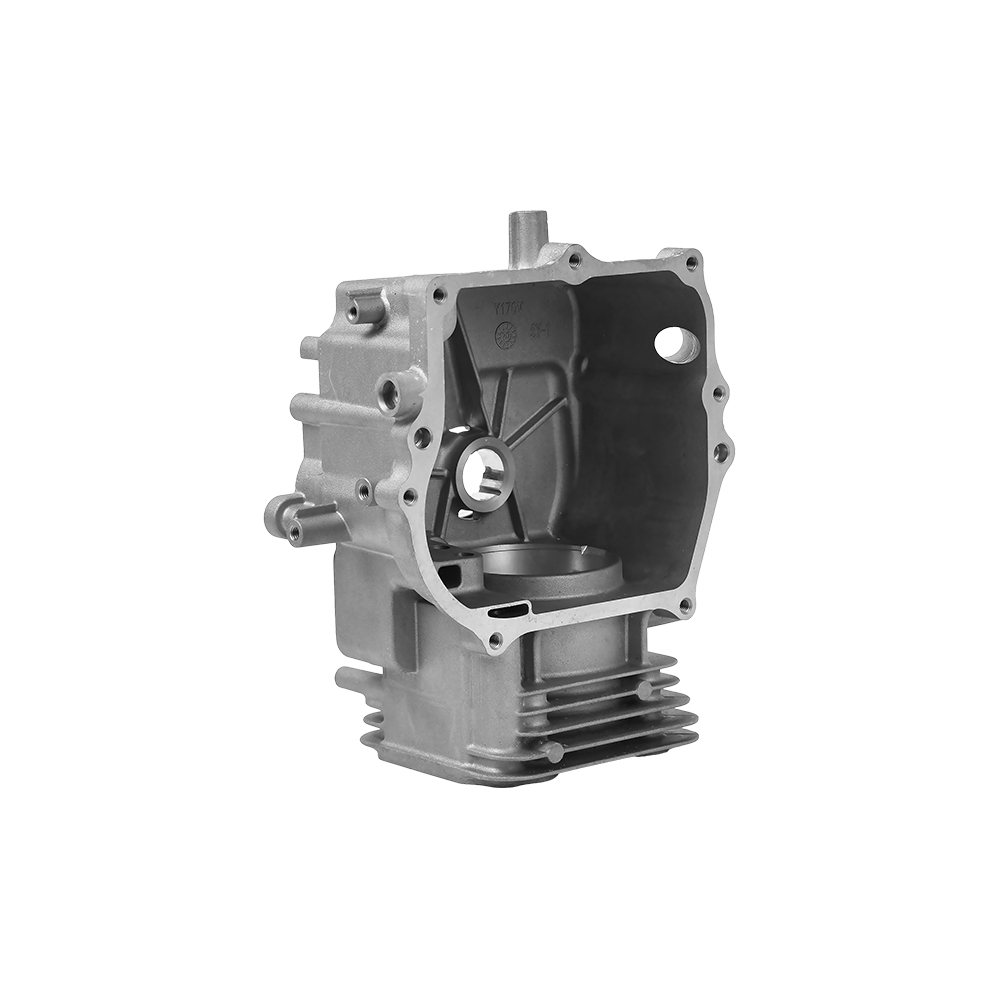
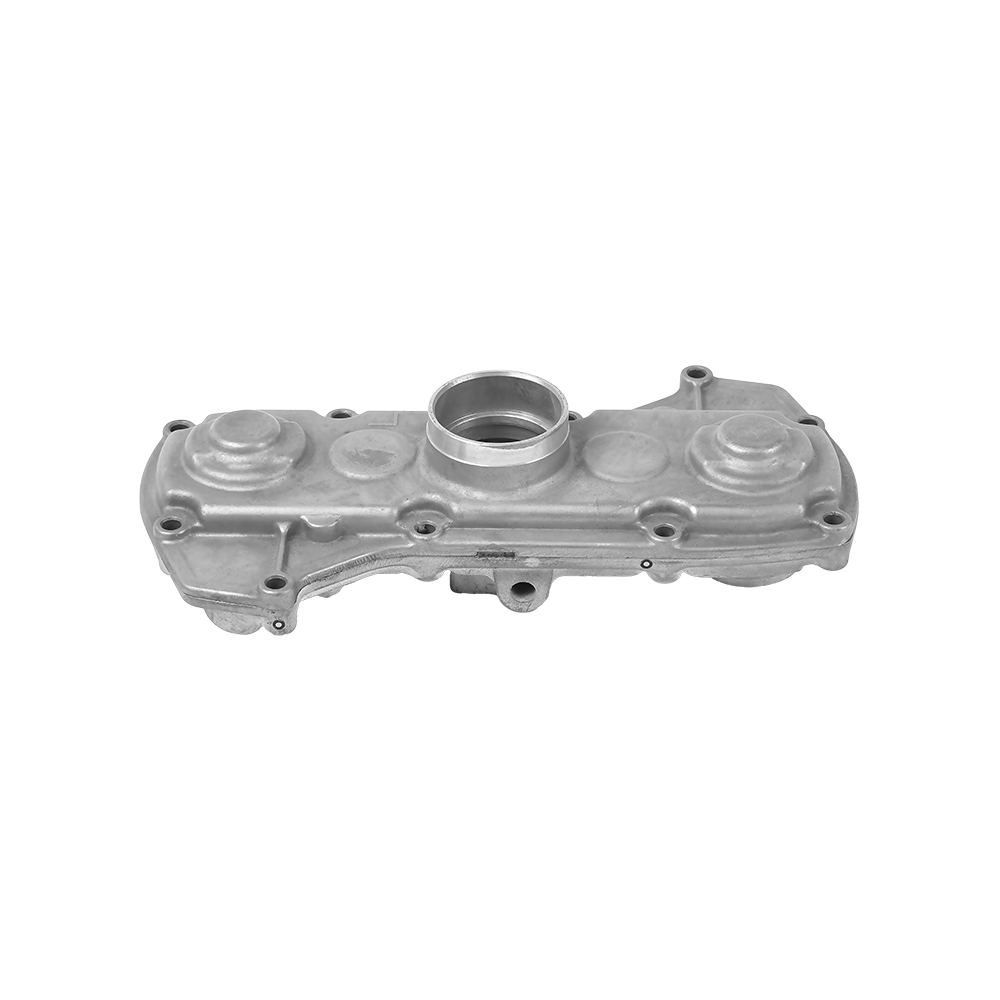
Heat-resistant and crack-resistant, specifically designed for engine cylinder heads, capable of withstanding 200℃ high-temperature baking.
Higher strength than ADC12, suitable for load-bearing parts.
3. Dominating Three Major Industries
| Industry | Signature Part | Aluminum's Edge |
|---|---|---|
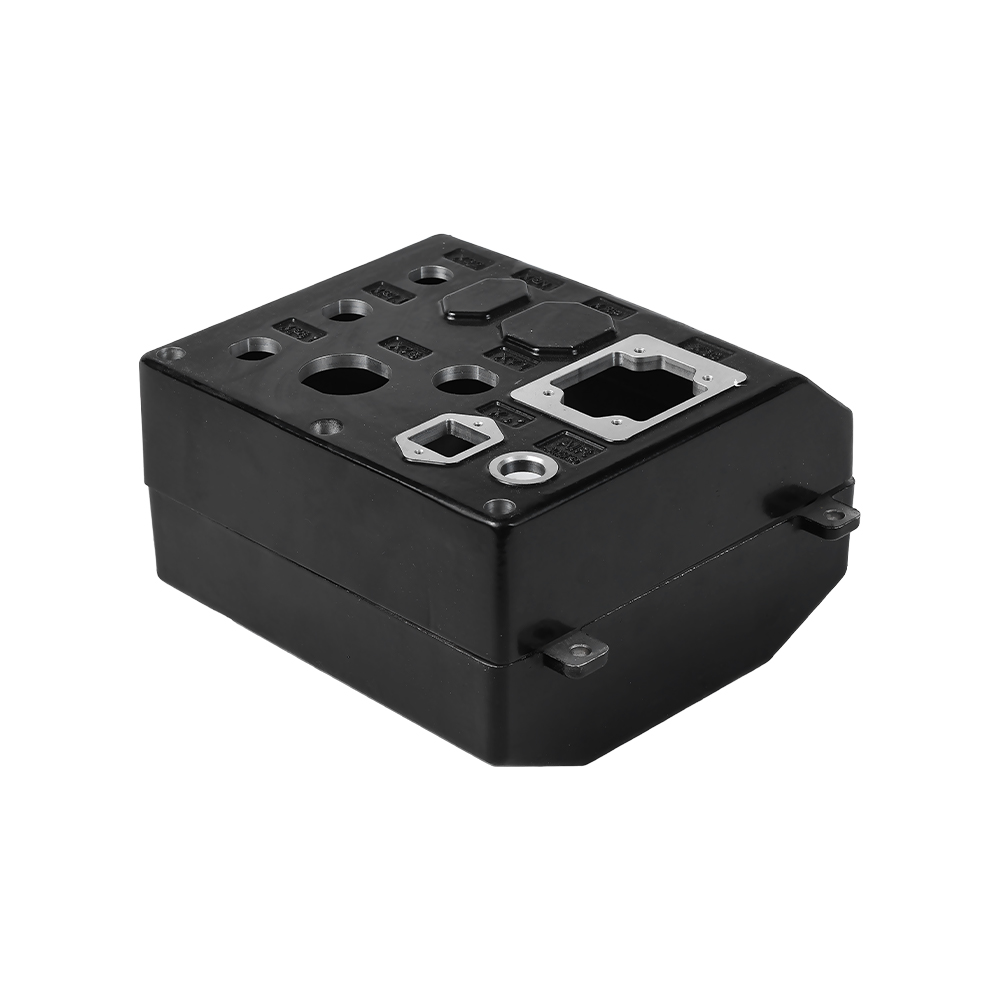
| Automotive | Electric Motor Housings | ▪️ Cooling channels + wire slots cast as one- Zero-leakage for life vs. welded parts |
| 3C Electronics | Smartphone Frames | ▪️ 5G antenna slots + metallic finish- Plastic can’t match signal stability/strength |
| Home Appliances | AC Compressors | ▪️ Structural cooling fins cast-in- Eliminates extra cooling fans |
4. Cost Advantage Over Competitors
Dirt Cheap Material: Aluminum ingot price is 1/3 that of magnesium alloy, and scrap metal can be recycled without degradation.
More Durable Molds: The same steel mold can be used 100,000 times for aluminum alloy, but only 50,000 times for magnesium alloy before becoming unusable.
5. Extremely High Tolerance
Temperature Flexibility: Aluminum liquid can be successfully die-cast at 660℃ ± 20℃, while magnesium alloy will show defects with a difference of only 5℃.
Easy Defect Remediation: Surface pores can be covered by sandblasting, and internal bubbles can be screened out by X-ray, unlike magnesium alloy which corrodes and spreads.