 LANGUAGE
  English
 русский
 Español

Content
Many people might find the term "die cast" a little strange when they hear it for the first time: doesn't "die" mean "death" in English? In fact, in industrial manufacturing, this word has a completely different meaning.
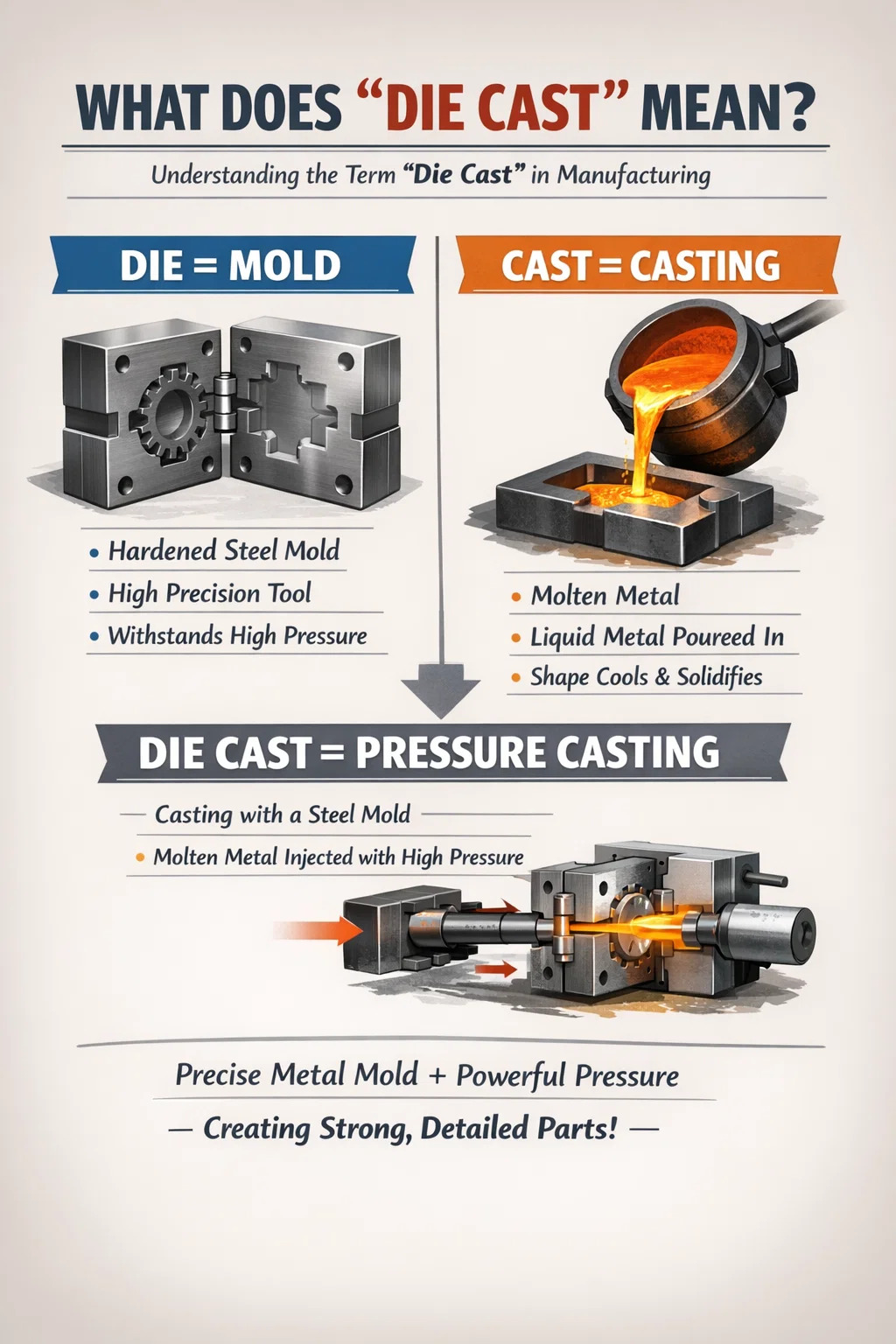
The reason for this name can be understood by breaking down the two words "Die" and "Cast":
1. Here, "Die" refers to a "mold"
In the mechanical processing industry, "Die" is a specialized term referring to a metal mold or die.
Like a stamp: You can imagine it as a steel "mold" or "stamp." This mold usually consists of two very hard pieces of steel, with the desired part shape engraved inside.
Pressure-resistant tool: Only this hard metal mold, called a "Die," can withstand the enormous pressure when molten metal is injected at high speed.
2. Here, "Cast" refers to "casting"
"Cast" or "Casting" is a very old word meaning molding or pouring.
Turning metal into liquid: The basic principle is to heat the metal until it melts, becoming a liquid like water.
Shaping process: This liquid is poured into a container, and after it cools and solidifies, it takes on the shape of that container. This is "casting."
3. Combined, it means "casting with a metal mold"
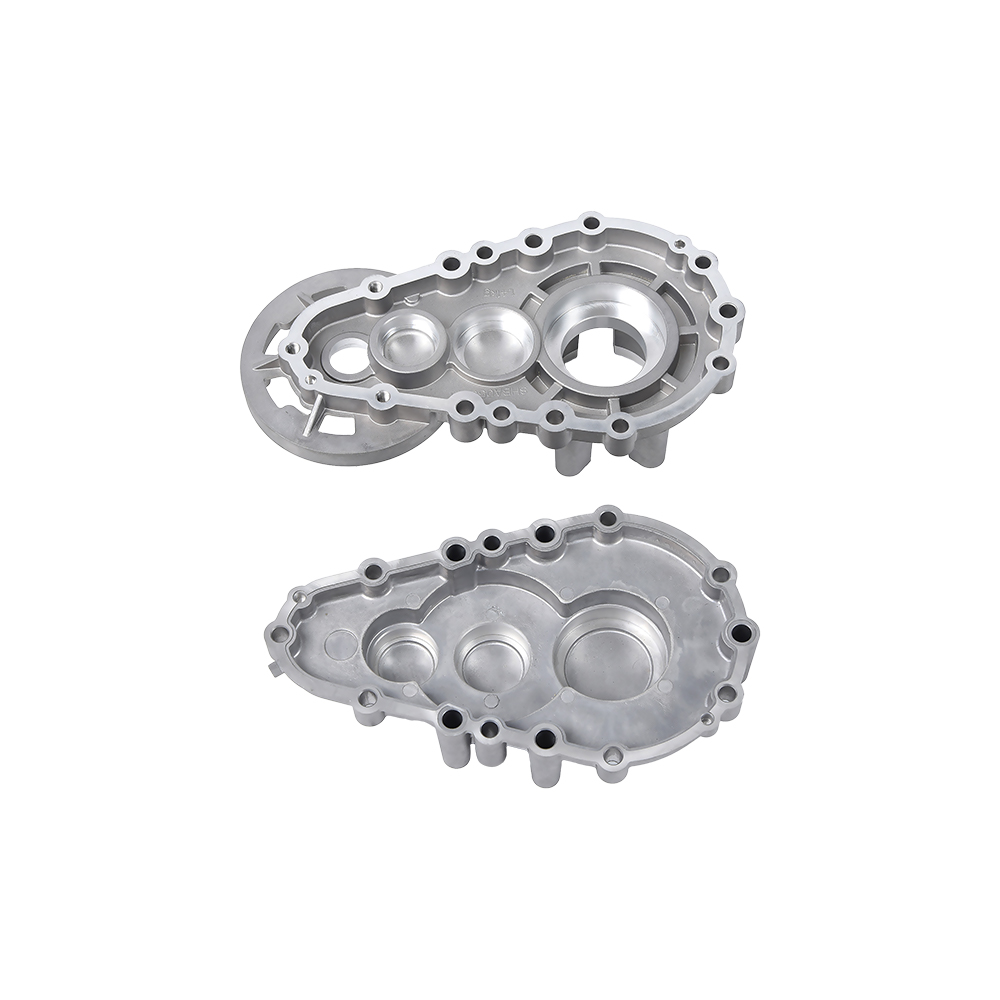
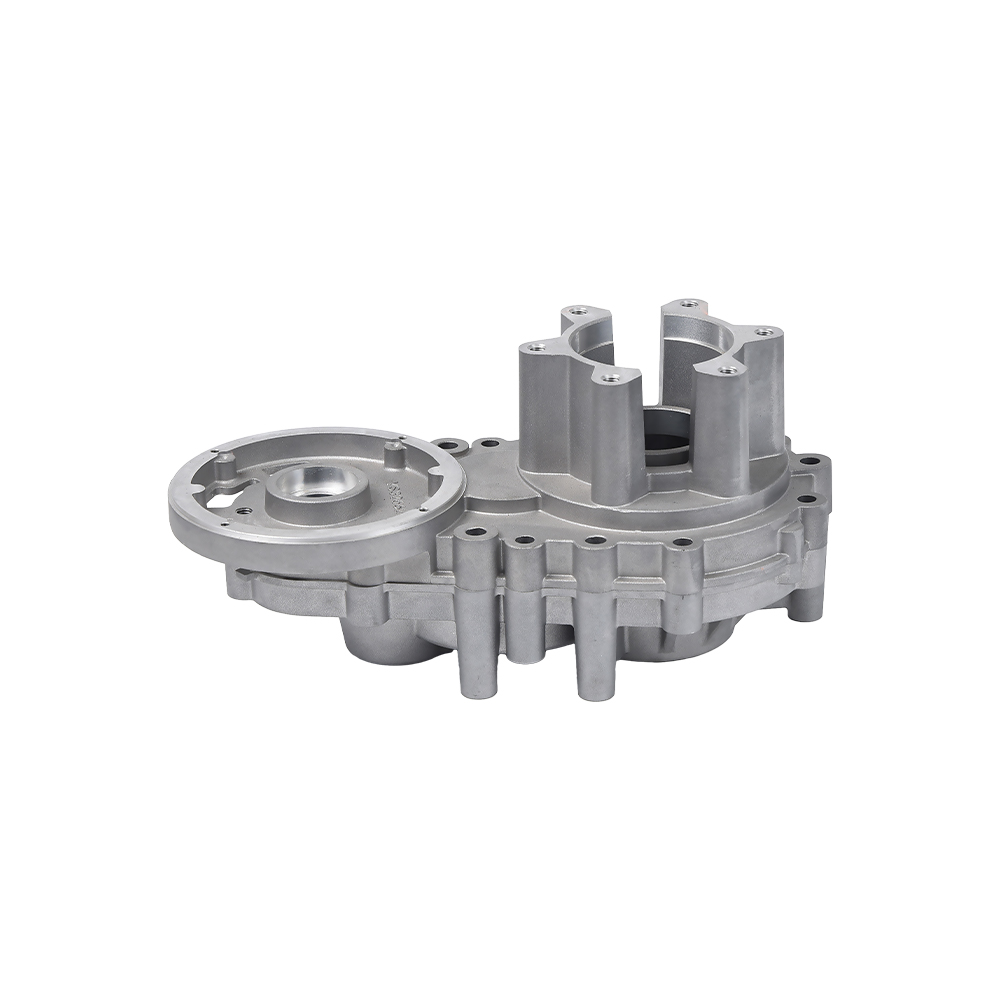
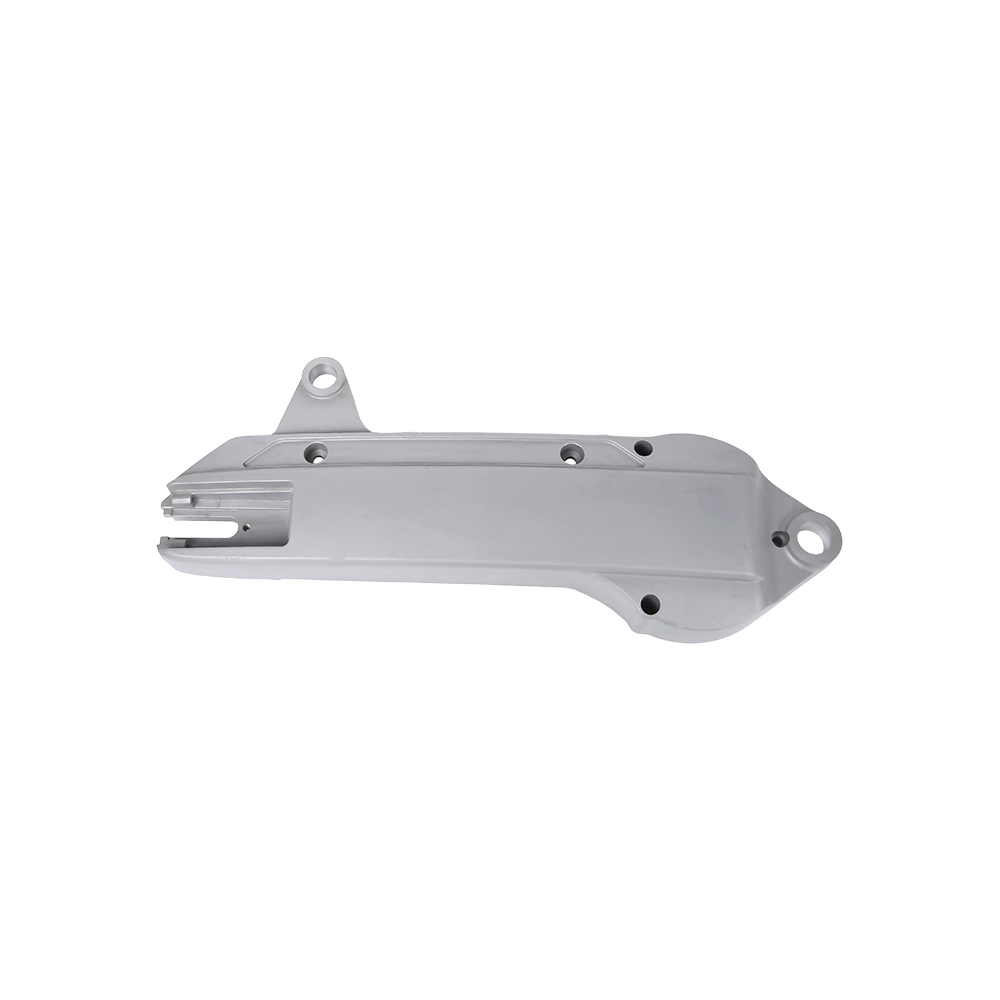
Combining these two words into "die cast," the core meaning is: pressure casting using a precise metal mold.
Different from ordinary casting: Ordinary casting (such as sand casting) might use sand as a mold, which is then broken after use. Die casting, however, must use reusable steel molds (Dies).
Emphasizing the "pressing" action: In Chinese, we translate it as "pressure casting" or "die casting," which more accurately captures its essence—it's not just "pouring" in, but also "pressing" in with powerful pressure.