 LANGUAGE
  English
 русский
 Español

Home / News / Industry News / CNC Machining Materials Guide: How to Choose the Right Metal and Alloy
Content
- 1 Selecting CNC Machining Materials: The Direct Answer
- 2 A Material Comparison for CNC Engineers
- 3 Why Aluminum Alloys Dominate CNC Machining
- 4 Working with Steels and Stainless Steels
- 5 Engineering Plastics and Copper-Based Alloys
- 6 Matching CNC Materials to Application Scenarios
- 7 How Material Selection Affects CNC Machining Speed and Quality
- 8 Tolerances, Surface Finishing, and Post-Processing
- 9 A Step-by-Step Guide to Choosing the Right CNC Material
- 10 Recognizing Common CNC Machining Material Defects
- 11 Frequently Asked Questions About CNC Machining Materials
- 11.1 What is the most common material used in CNC machining?
- 11.2 Which material provides the best machinability?
- 11.3 How does the material affect CNC machining cost?
- 11.4 What is the easiest aluminum grade to machine?
- 11.5 Is it better to machine from billet or cast material?
- 11.6 Can surface finish be measured across different materials?
- 12 Rethinking Material Selection for Your Next CNC Project
Selecting CNC Machining Materials: The Direct Answer
The most reliable material for CNC machining is aluminum alloy, specifically AL 6061-T6, because it offers an unmatched balance of machinability, strength, and cost-effectiveness. However, the optimal choice depends entirely on the intended application, production volume, and required physical properties. In industrial practice, over 60% of precision CNC machined components are fabricated from aluminum alloys due to their excellent thermal conductivity, corrosion resistance, and weight-to-strength ratio.
For manufacturers in sectors like automotive, telecommunications, and agricultural machinery, the material selection process directly impacts production costs and performance. A primary goal should be to align the material's mechanical properties with the functional requirements of the final part. While aluminum dominates, steel, stainless steel, and engineering plastics each hold specific niches.
A Material Comparison for CNC Engineers
When evaluating materials for CNC machining, engineers typically assess a combination of trade-offs. The following table provides a comparative outlook on the most widely used CNC materials, highlighting the technical differences that guide decision-making. This comparison is based on standard industry metrics and typical machining behaviours.
| Material | Machinability (1-10) | Tensile Strength (MPa) | Relative Cost | Typical Applications |
|---|---|---|---|---|
| Aluminum 6061-T6 | 8.5 | 290 | Medium | Structural parts, brackets, automotive, electronics |
| Stainless Steel 303 | 6.0 | 550 | High | Shafts, corrosion-resistant components |
| Carbon Steel 1045 | 6.5 | 585 | Low | Gears, axles, heavy-duty machinery |
| Brass C360 | 9.0 | 340 | Medium | Fittings, valves, electrical components |
| POM (Acetal) | 9.5 | 70 | Medium | Gears, insulators, wear-resistant components |
Why Aluminum Alloys Dominate CNC Machining
Aluminum alloys are the backbone of CNC machining because of their exceptional machinability. Unlike steels, aluminum chips break cleanly, allowing for higher cutting speeds and lower spindle load. The most common alloys are 6061-T6, known for its corrosion resistance and weldability, and 7075-T6, which offers strength comparable to steel but at half the weight.
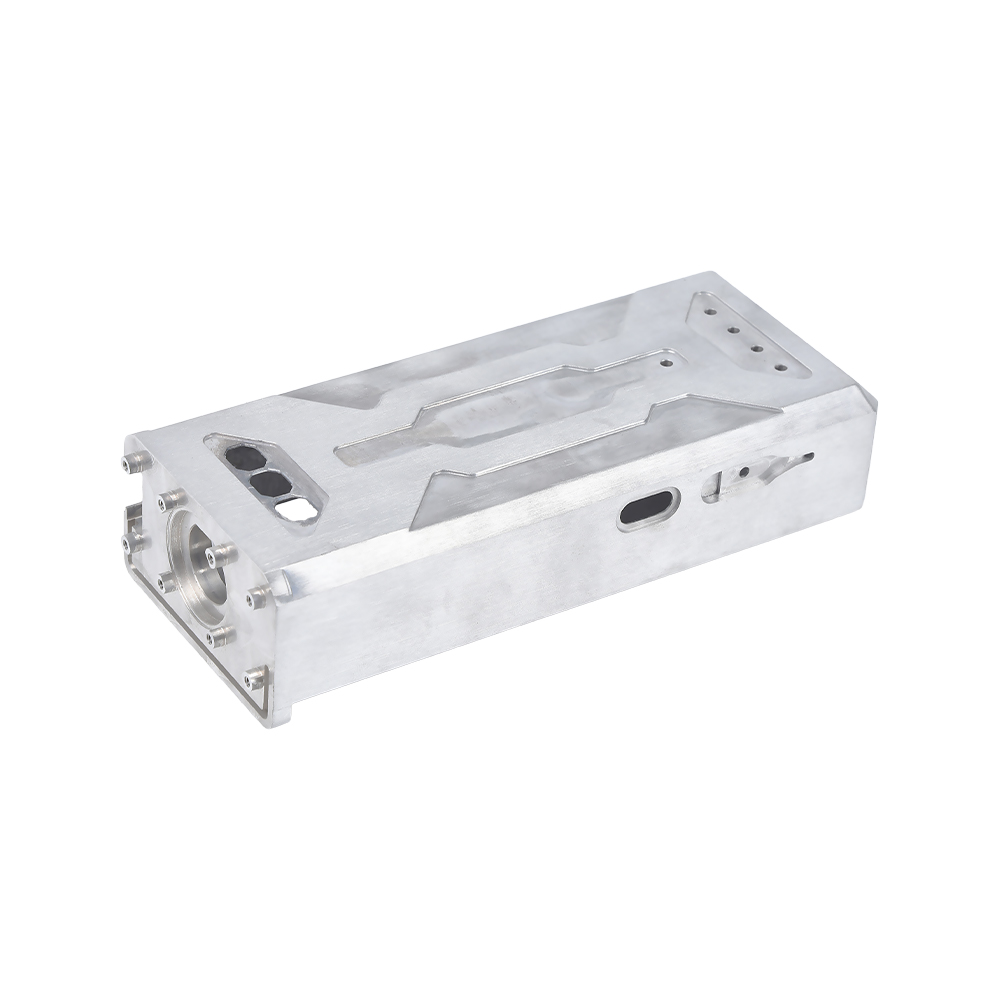
When machining aluminum, achieving tight tolerances such as ±0.005 mm is relatively straightforward. In high-volume production runs, CNC machined aluminum plates often provide superior surface quality compared to other materials. For projects where the raw material enters as a solid billet or plate, thermal stability is a decisive factor. Aluminum is particularly appealing for lightweight chassis, thermal sinks, and automotive precision components.
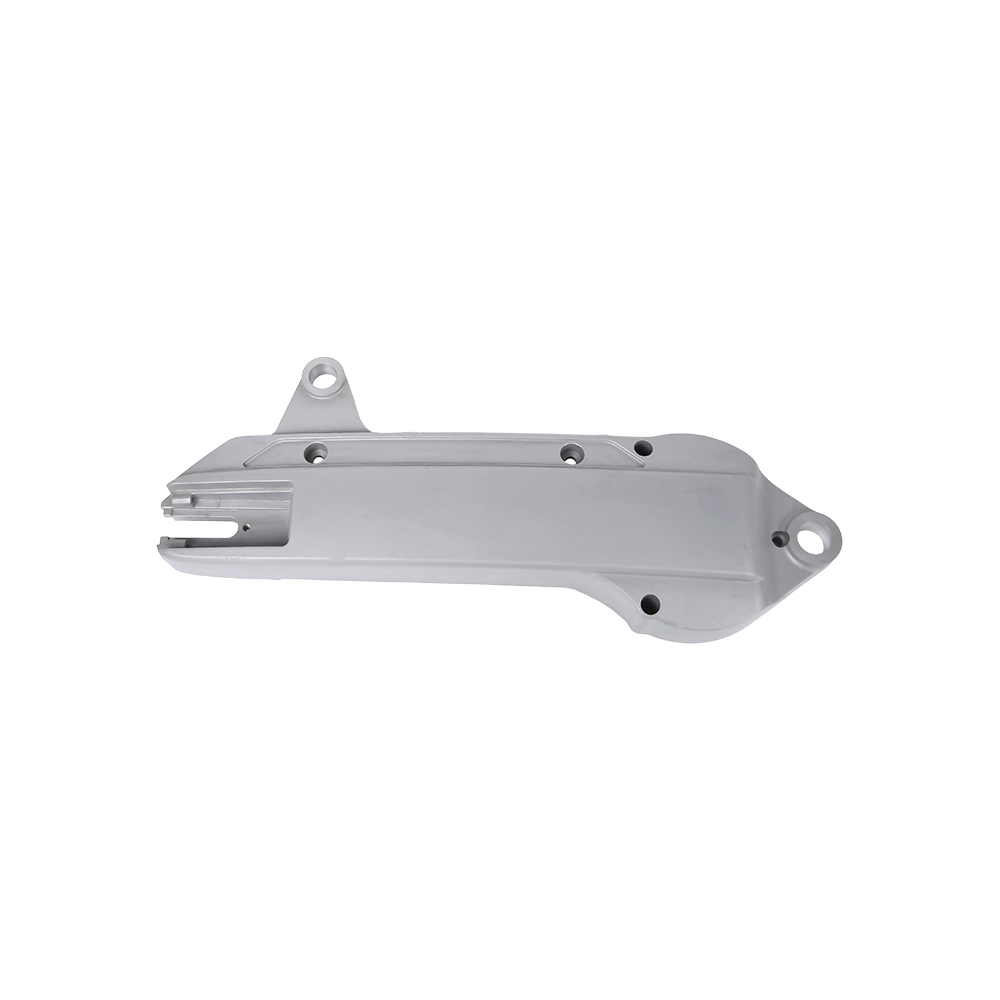
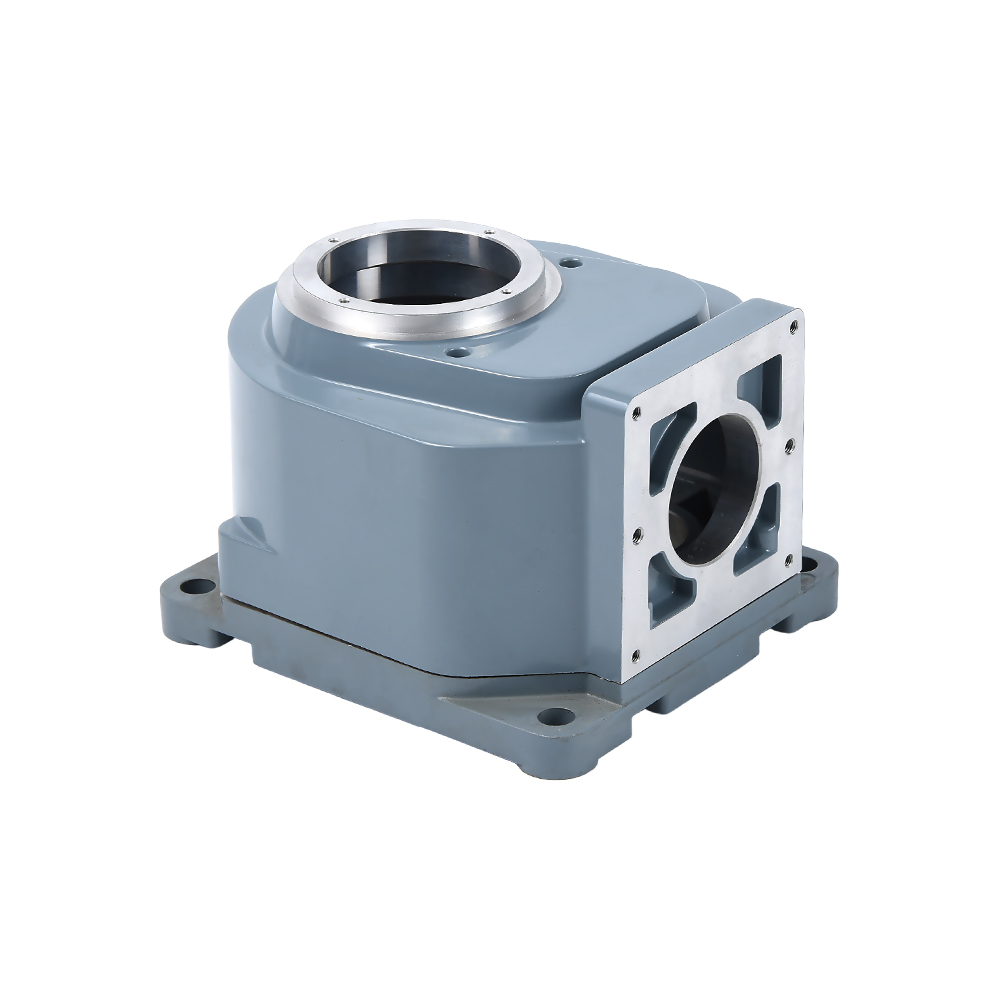
 CNC Machined Aluminum Plate for Precision ComponentsSolid aluminum plates offer uniform grain structure, making them ideal for anodizing and achieving tight tolerances. Their thermal stability suits lightweight chassis, heat sinks, and automotive parts.View Product →
For manufacturers combining casting and machining, the choice of aluminum alloy sets the foundation. Milled components from aluminum plates possess a uniform grain structure, which is preferable for anodizing than certain cast alloys. The decision to machine solid aluminum versus casting is often driven by order quantity and wall thickness requirements.
Working with Steels and Stainless Steels
Steel remains the standard choice when parts are subjected to extreme loads. Stainless steel, particularly grade 304 and 316, is selected for its impressive corrosion resistance, making it dominant in food processing, medical devicemaking, and marine engineering. The machinability of steel is lower than aluminum, requiring slower spindle speeds and generous coolant flow.
Carbon steel (C45) is a workhorse in industrial equipment. Although it is harder to cut, it offers excellent wear resistance. A nuanced detail is the role of sulfur content in free-cutting steel. Including sulfur improves chip formability, allowing for longer tool life. Engineers must weigh longer machining cycles and higher tooling wear against the superior fatigue strength that steel provides.
Engineering Plastics and Copper-Based Alloys
Engineering plastics such as POM (Acetal), PTFE, and PEEK are becoming increasingly common in CNC machining due to their low friction and electrical insulation properties. POM is frequently used for precision gears and sliding mechanisms because it absorbs little moisture and maintains dimensional stability. Machining plastics, however, requires a distinctive strategy; the material must be carefully clamped to prevent workpiece flexing, and sharp single-flute tools are typically preferred.
Copper alloys like brass and bronze are highly machinable with a 9.0 rating, making them ideal for bespoke fittings, electrical connectors, and valve components. They offer excellent thermal and electrical conductivity. Understanding the specific thermal expansion of these materials is crucial, especially for parts that must maintain their shape under temperature fluctuations.
Matching CNC Materials to Application Scenarios
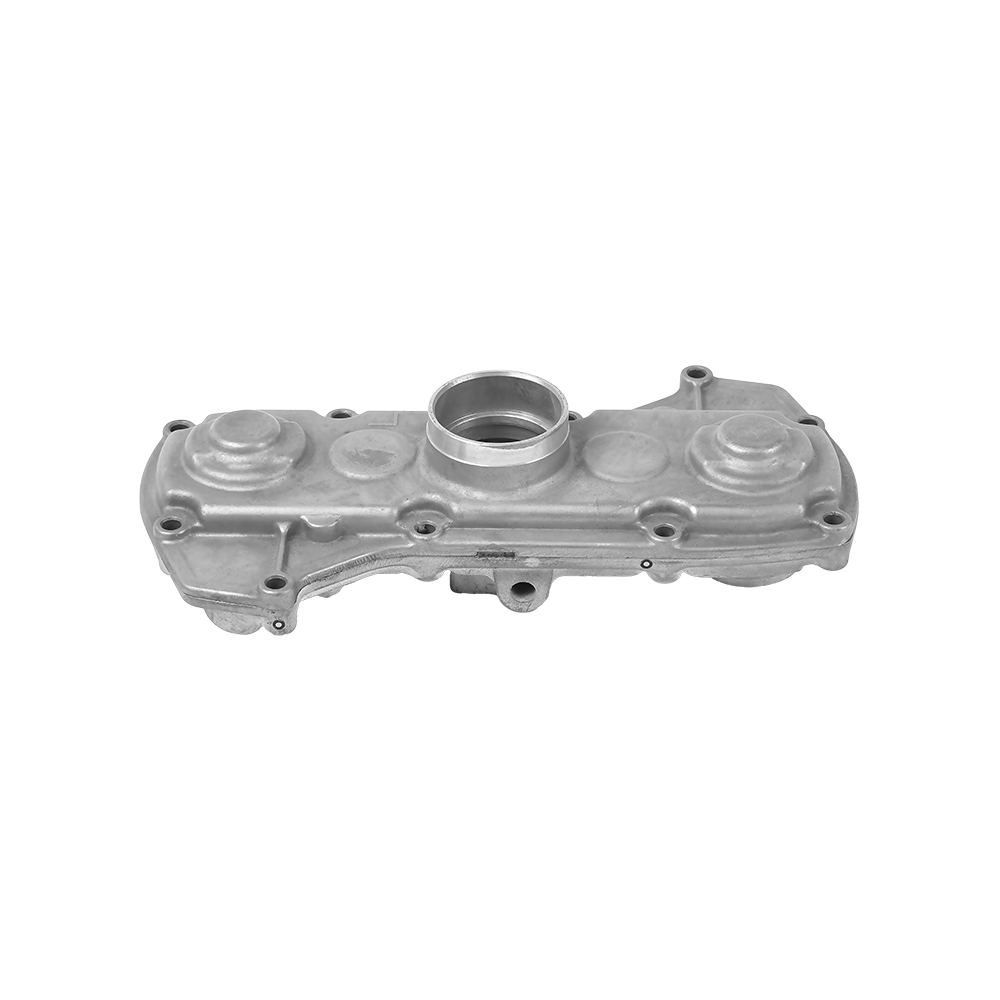
Choosing CNC machining materials is fundamentally a task of aligning with the specific operational context of the component. Different industries impose different constraints. For example, the automotive industry prioritizes vehicle weight reduction to improve fuel efficiency, driving the demand for aluminum components. In this context, high-pressure aluminum die castings are sometimes used, but CNC machining is required to achieve the final dimensional accuracy.
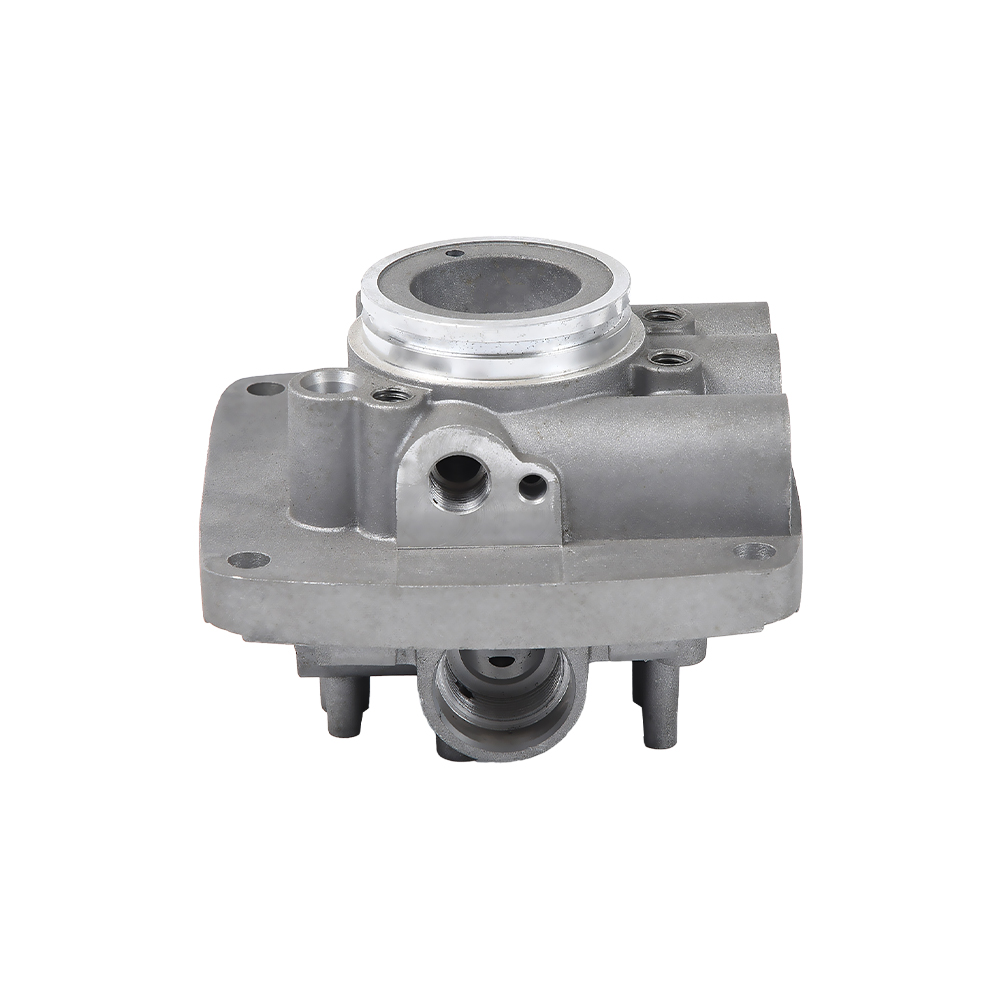
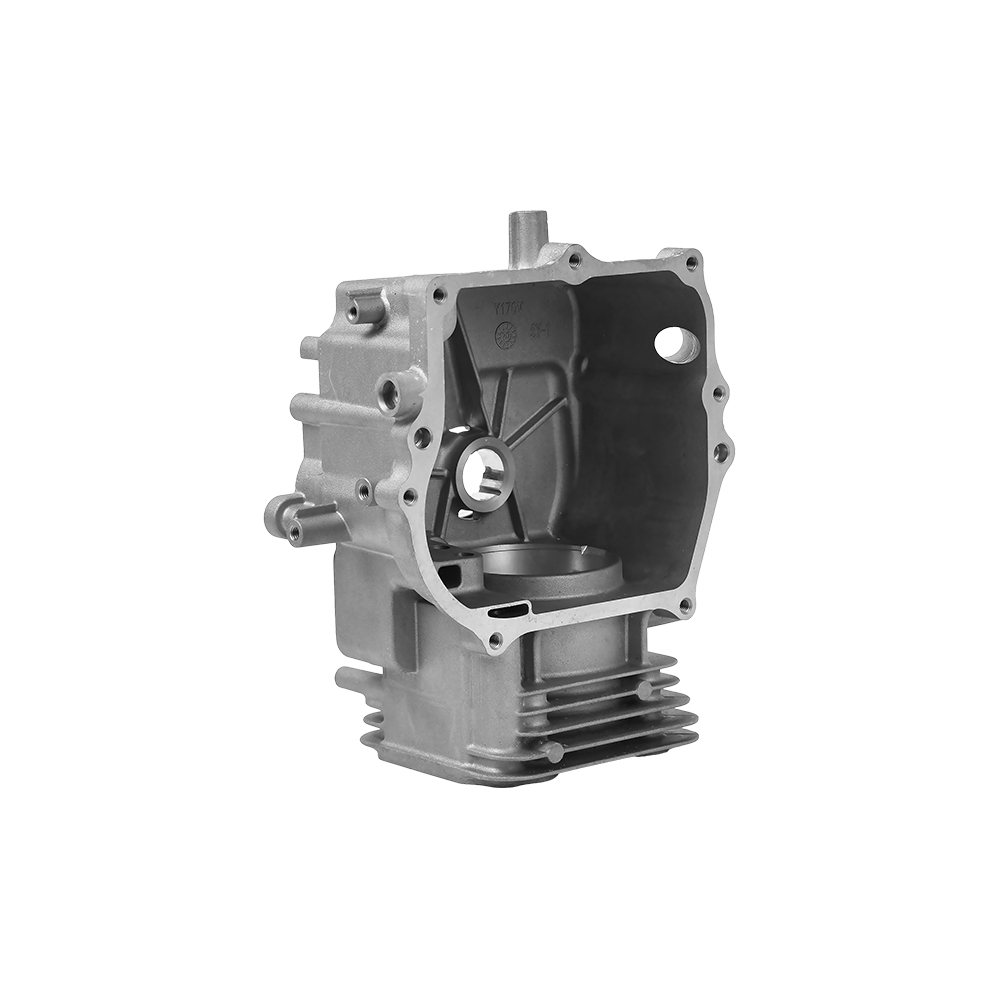
 Machined Aluminum Auto Engine Cylinder PartsFor automotive components like valve bodies, CNC-machined forged aluminum ensures precision and airtightness. This choice balances weight reduction with durability, critical for engine performance.View Product →
For components requiring high precision and excellent airtightness, like valve bodies or transmission cases, CNC machining of forged aluminum provides a reliable path. Engineers must also consider the environmental exposure of the part. The combination of corrosion resistance in aluminum and the strength of steel impacts the lifespan of the finished product. Read our detailed article on what aluminum die casting is to see how it relates to secondary CNC machining.
How Material Selection Affects CNC Machining Speed and Quality
The physical properties of a material severely limit the cutting parameters available to a CNC operator. Aluminum’s high thermal conductivity allows for rapid heat dissipation, preventing the tool from overheating. In contrast, machining titanium or high-alloy steels requires low cutting speeds to prevent the tool from failing due to high heat concentration at the cutting edge.
Let’s examine the cycle time impact. When switching from aluminum to steel, the recommended cutting speed drops dramatically. For example, while aluminum can be machined at 600 m/min with carbide tools, steel must often be machined at just 200-300 m/min. This directly translates into longer production lead times and increased cost. Furthermore, every material interacts with tool geometry differently. Chips from aluminum may form stringy masses if the tool geometry is incorrect, whereas steel chips tend to break cleanly.
Tolerances, Surface Finishing, and Post-Processing
Achieving high precision in CNC machining is highly dependent on material consistency. When looking at surface finish requirements, aluminum can be machined to an exceptionally smooth Ra 0.8 µm finish without additional processes. For parts that require anodizing, the material grade must be chosen carefully. A uniform alloy ensures a consistent anodized layer, preventing surface mottling.
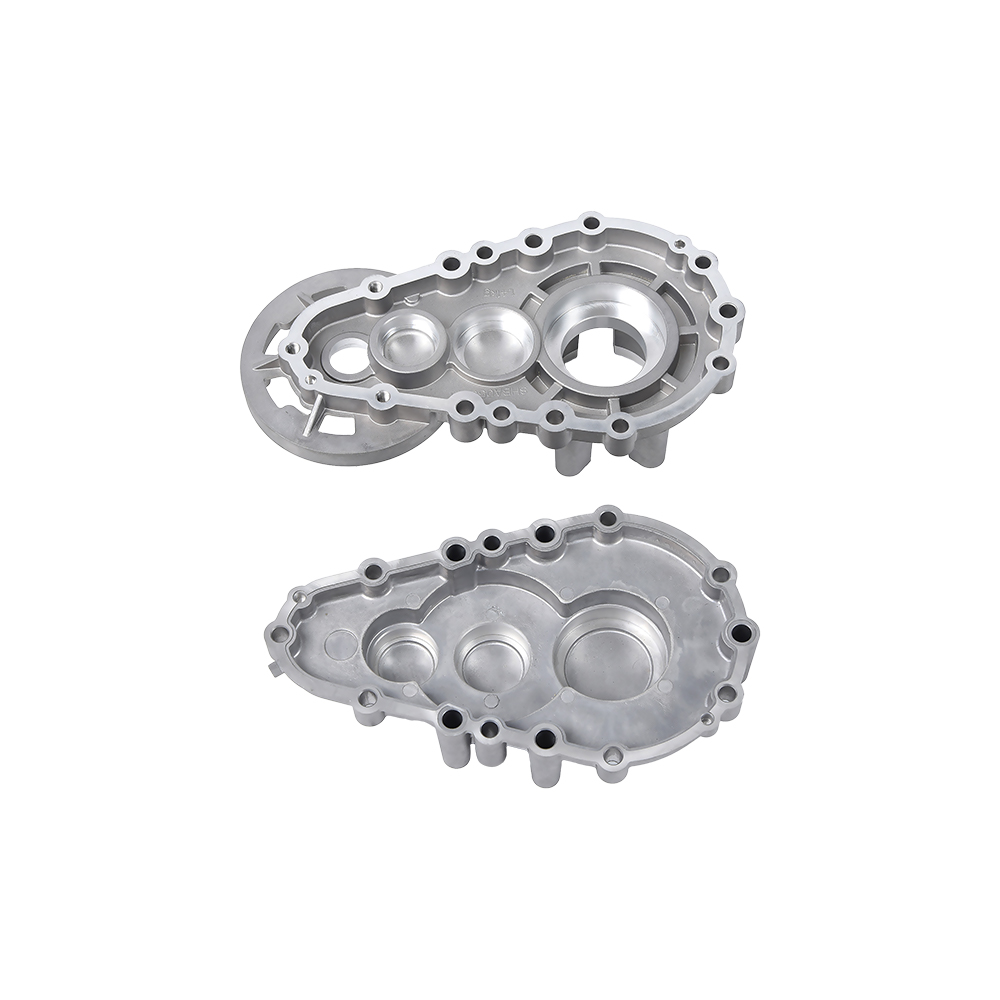
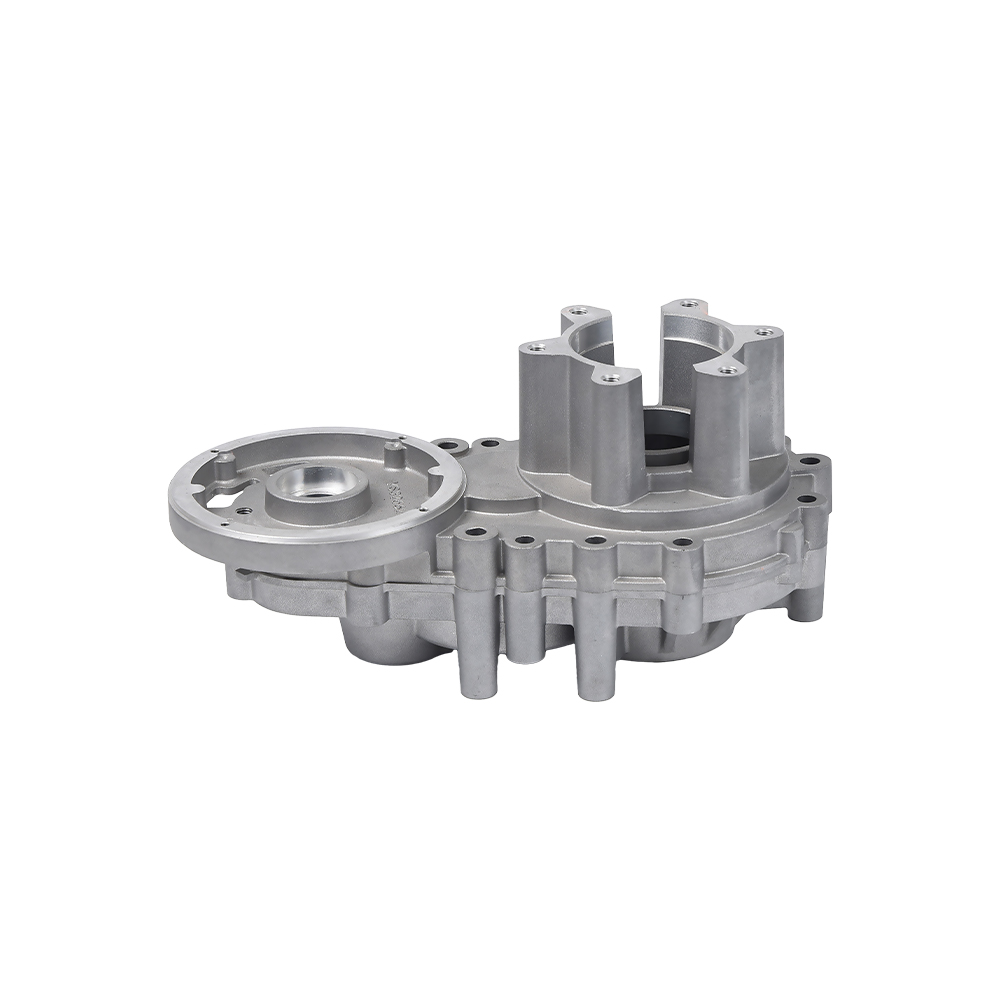
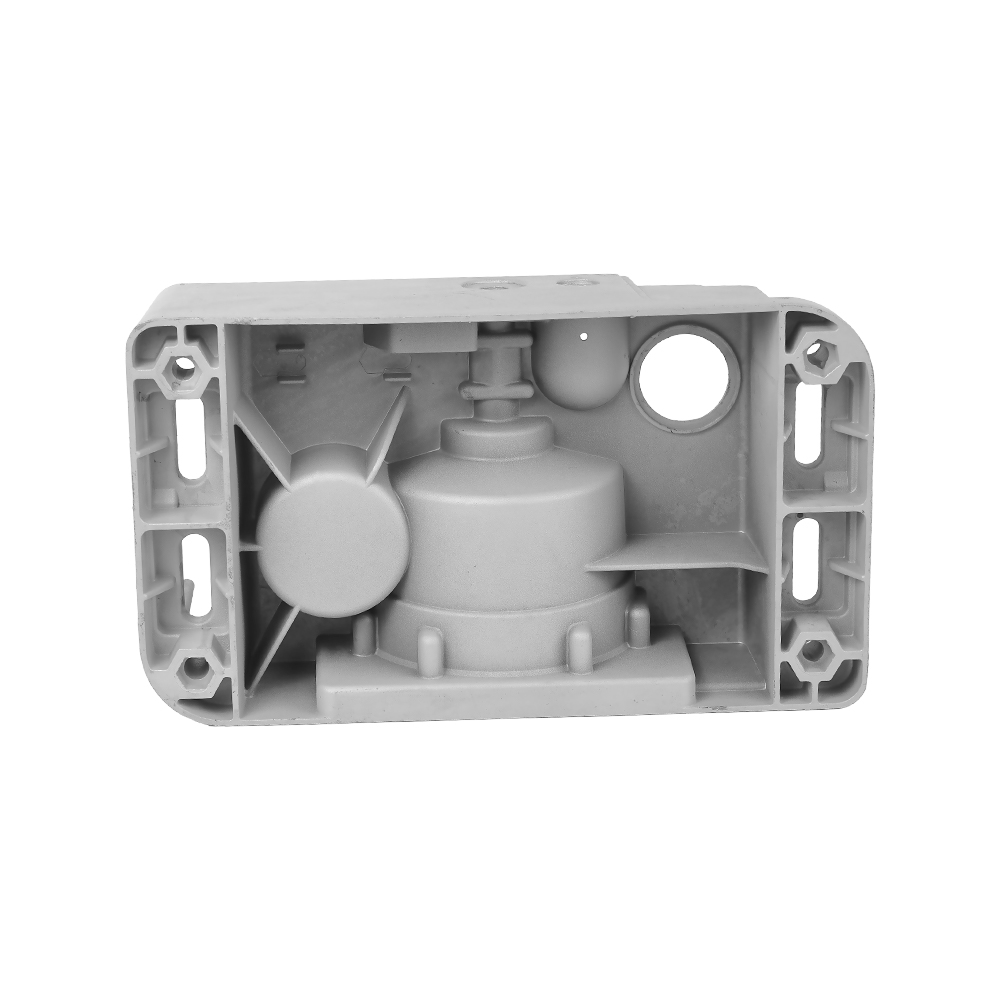
Manufacturers must often plan for post-processing. For example, complex parts like gearbox housings can be cast and then machined to meet precise tolerances, but the machining steps can alter the part’s dimensional stability. An in-depth understanding of whether aluminum die-cast parts need post-processing helps designers accurately forecast the required machining allowance during the CNC stage.
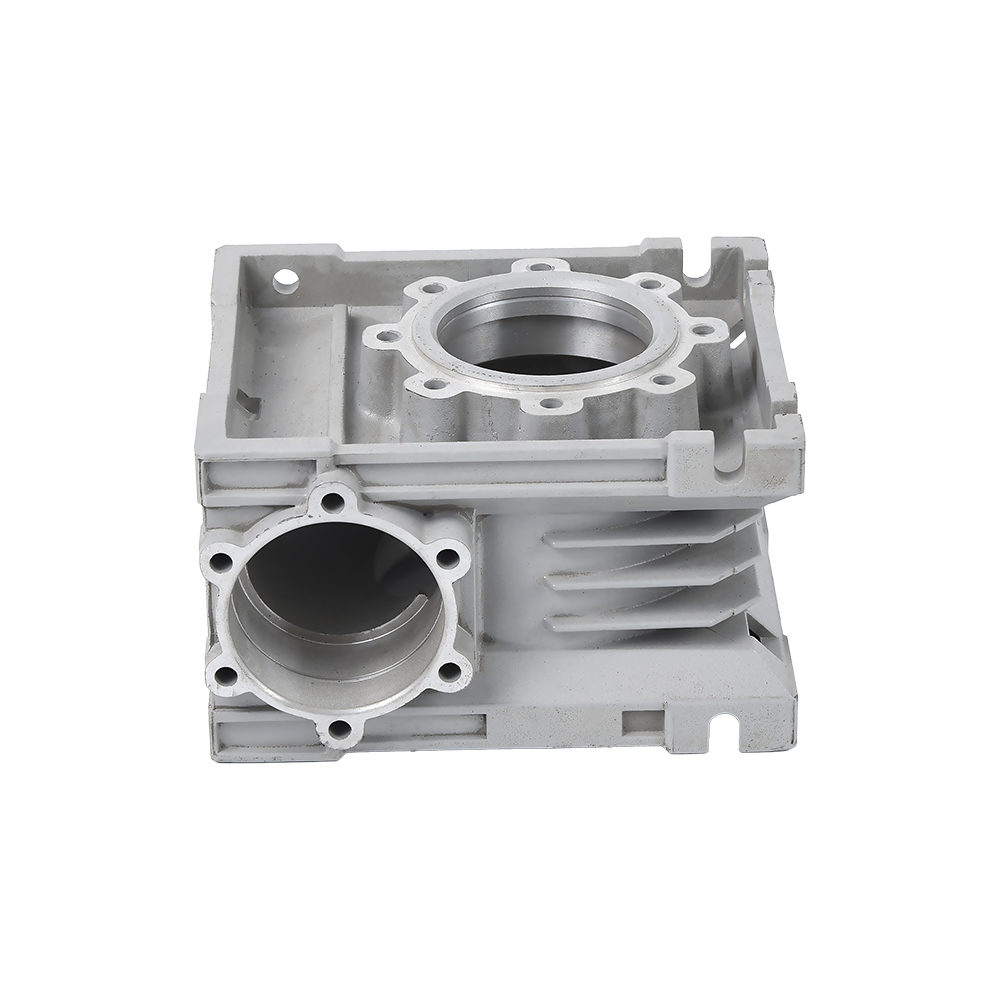
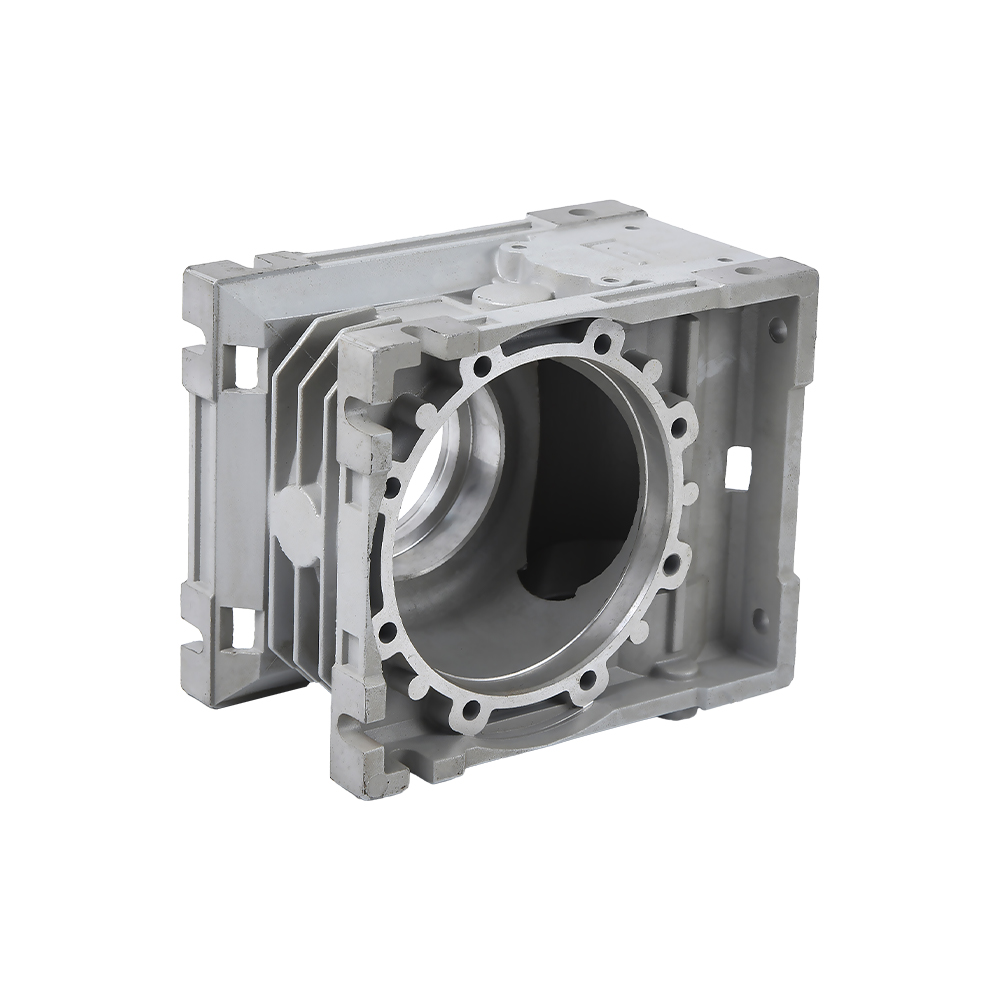 Aluminum Die Cast Gearbox Housing for Precision MachiningThis housing is cast then machined to meet strict tolerances. Understanding post-processing needs helps predict machining allowances, ensuring dimensional accuracy in complex gearbox parts.View Product →
A Step-by-Step Guide to Choosing the Right CNC Material
To eliminate guesswork, follow a straightforward decision sequence:
- Define the functional requirement: State the primary purpose of the part. Is it a structural component, a thermal interface, or a moving wear surface?
- Calculate the budget ceiling: Differentiate between raw material cost and machining time cost. Aluminum is often more cost-effective overall owing to faster machining rates.
- Determine the required tolerance and surface finish: Tight tolerances (below ±0.01 mm) are easiest to achieve in aluminum.
- Evaluate environmental exposure: Corrosiveness, temperature extremes, and external stresses will dictate whether stainless steel or a coated material is required.
- Select the standard: Confirm whether your CNC machining supplier has most experience with the material. For precise parts in medium quantities, 6061-T6 is a safe default.
Recognizing Common CNC Machining Material Defects
Several defects can arise if the material is not handled correctly. First, burr formation is a leading issue in softer metals like aluminum. These wavy edges often require manual deburring, adding to the manufacturing cost. On harder materials like stainless steel, the challenge is often machining chattering, which creates an undesirable wavy surface finish.
Additionally, thermal deformation during machining can cause part rejection. Thin-walled aluminum components can flex under cutting forces, causing dimensions to fall out of spec. To mitigate this, machinists use dedicated fixtures with soft jaws to support the workpiece and balance cutting depths.
Frequently Asked Questions About CNC Machining Materials
What is the most common material used in CNC machining?
The most common material is aluminum alloy, especially 6061 and 7075. It offers high machinability, good strength, and versatile finishing options, making it the favorite for industrial parts.
Which material provides the best machinability?
Brass (C360) and POM (Acetal) top the machinability charts with a rating of 9.0 to 9.5 out of 10, closely followed by aluminum 6061 with an 8.5 rating.
How does the material affect CNC machining cost?
Cost is affected both by raw material price and machining time. While raw titanium may cost 20 times more than aluminum, harder materials also require slower machining speeds, doubling the total impact on per-part cost.
What is the easiest aluminum grade to machine?
Aluminum 6061-T6 is the easiest grade to machine for general-purpose components. The addition of silicon in cast grades like ADC12 makes it more abrasive, reducing tool life slightly.
Is it better to machine from billet or cast material?
This depends on the batch size. Machining from billet is ideal for prototypes and small batches because it involves no tooling cost. For high-volume production, casting combined with CNC finishing is the most economical route.
Can surface finish be measured across different materials?
Yes, surface finish is commonly measured in Ra. Aluminum parts can typically reach an Ra of 1.6 µm after milling, while a secondary finishing process can achieve 0.8 µm or even finer.
Rethinking Material Selection for Your Next CNC Project
The true cost of any CNC machining project is never simply the raw material price. A more expensive material that allows for faster cutting speeds and longer tool life can prove more cost-effective in total. Since over 70% of all CNC machined components are fabricated in aluminum, it remains the benchmark against which all other materials are judged.
By prioritizing the functional demands of the part—whether it is heat dissipation, weight reduction, corrosion resistance, or mechanical strength—procurement teams and engineers can make informed decisions. Partnering with a machining supplier that maintains deep expertise in aluminum enables companies to navigate the material selection process with confidence.