 LANGUAGE
  English
 русский
 Español

Content
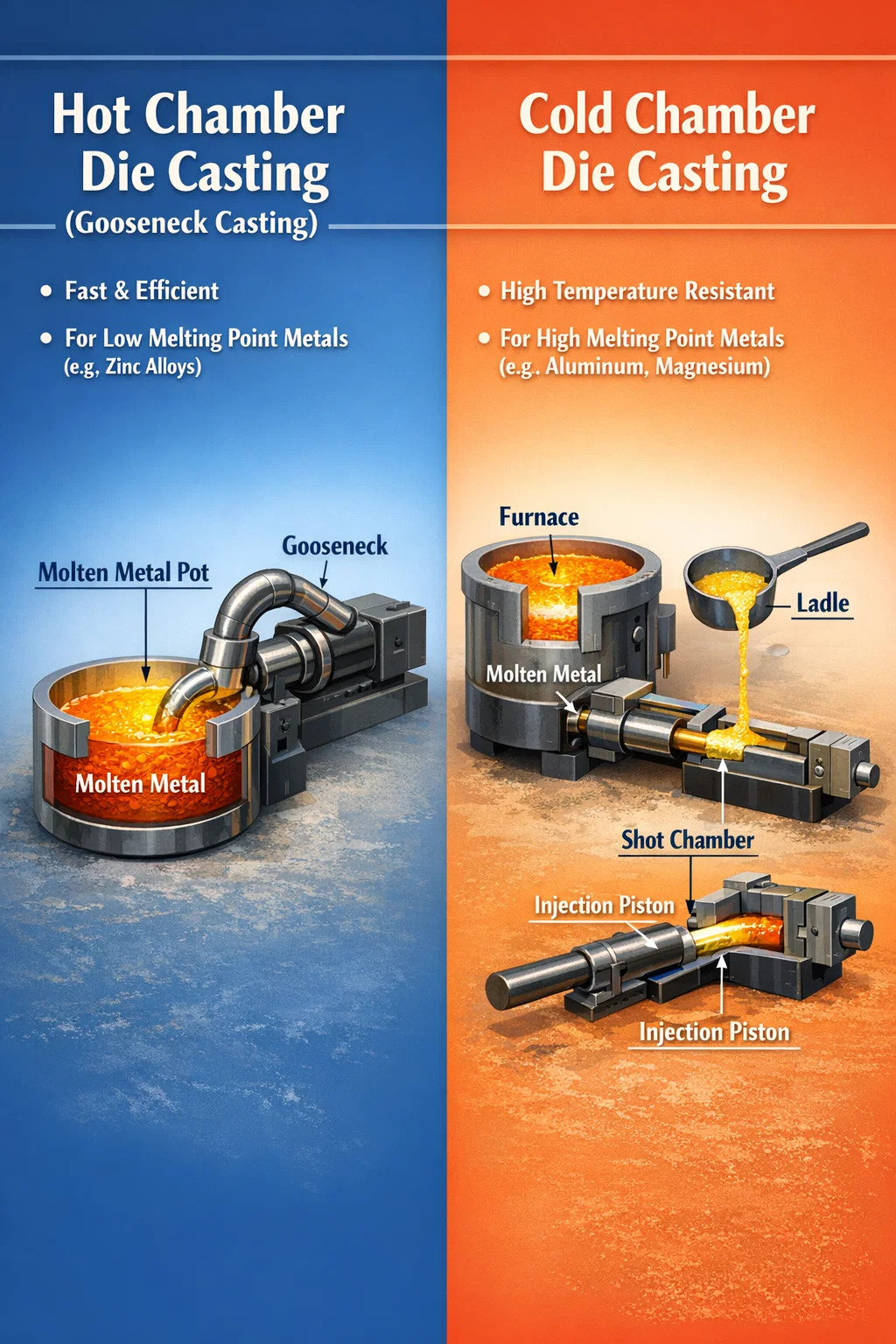
In the world of die casting, there are two main categories based on how the metal is melted and injected into the mold: hot chamber die casting and cold chamber die casting.
You can think of them as the difference between "scooping soup directly from the pot" and "serving soup from a separate container."
1. Hot Chamber Die Casting
This method is also often called "gooseneck die casting" because the injection tube resembles a goose's neck.
How it works: The pressure mechanism (like a large syringe) is directly immersed in a pot filled with molten metal. When producing parts, the machine, like a pump, directly injects the liquid metal from the pot into the mold.
Main characteristic: Fast. Because it doesn't need to retrieve the metal from an external source, the process is seamless, resulting in extremely high production efficiency, making it ideal for small parts produced in the thousands or even millions.
Who uses it most: Metals with low melting points, such as zinc alloys. Because the injection system is constantly immersed in hot metal, if the metal's melting point is too high, the machine parts will quickly be damaged by the heat.
2. Cold Chamber Die Casting
Unlike hot chamber die casting, the furnace and the machine are separate in this process.
How it works: The furnace is outside the machine. Before producing each part, a ladle of molten metal is manually or mechanically scooped from the furnace and poured into the machine's "feed port," and then the injection head pushes it into the mold.
Main characteristic: High temperature resistance. Because the injection mechanism is not continuously immersed in high-temperature metal, it can handle metals with higher melting points.
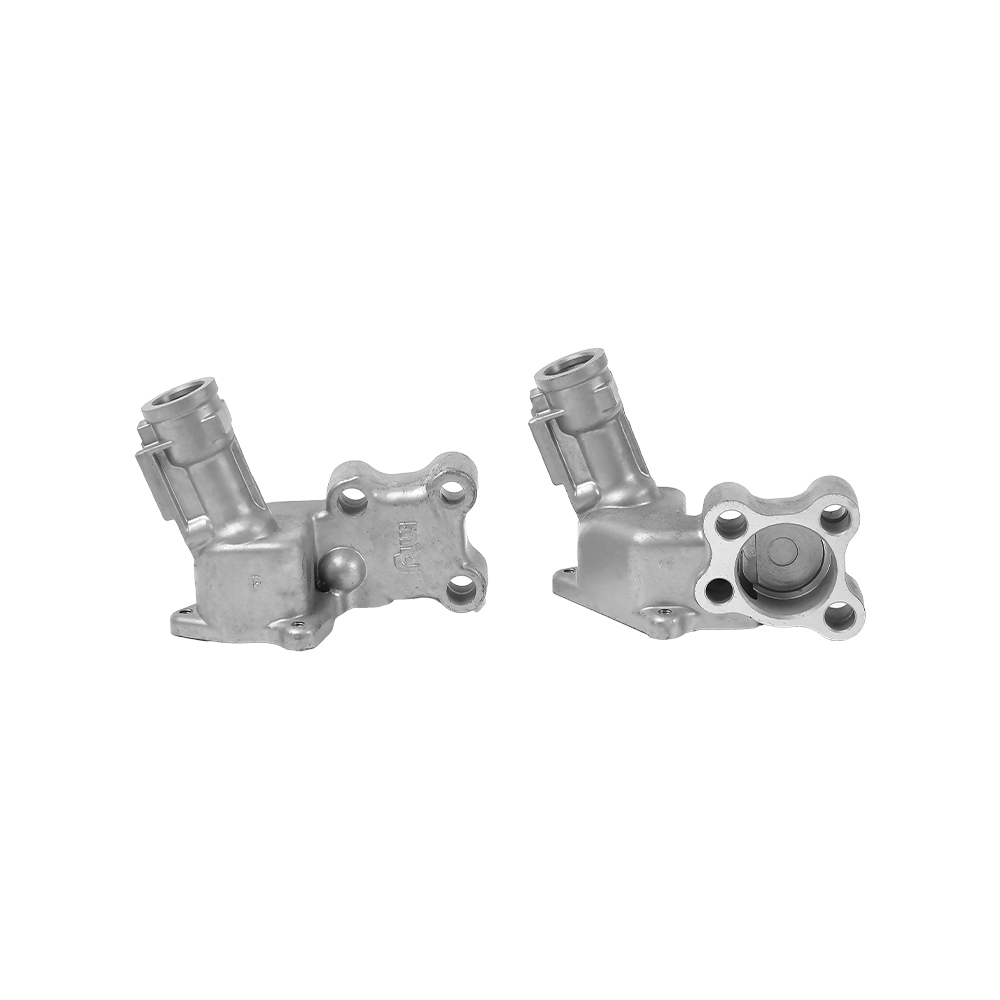
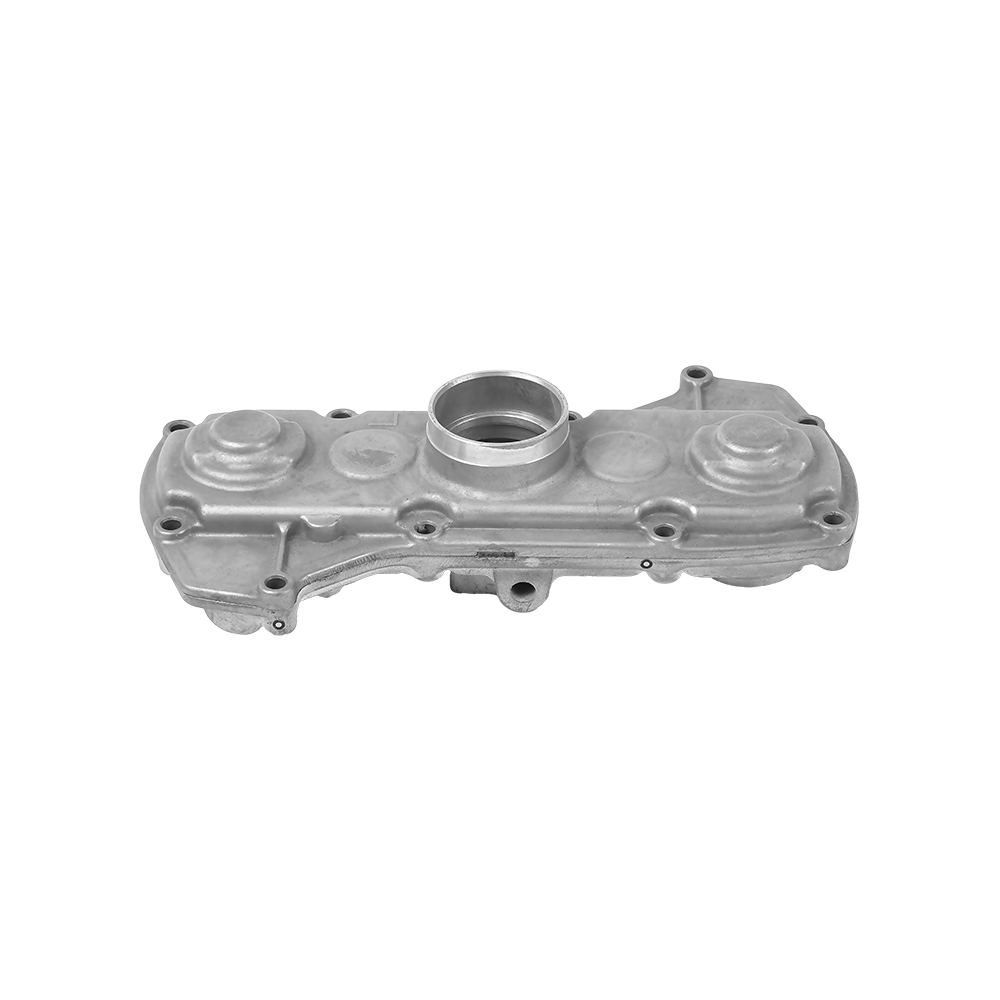
Who uses it most: The most common examples are aluminum alloys and magnesium alloys. The large aluminum parts we see in cars are mostly made using cold chamber die casting machines.
In summary, here's a simple comparison of the two:
| Feature | Hot Chamber Die Casting | Cold Chamber Die Casting |
| Equipment Structure | Pressure mechanism is submerged in molten metal. | Pressure mechanism is separate from the melting furnace. |
| Production Speed | Very fast; ideal for high-volume mass production. | Slightly slower due to the additional "ladling" step. |
| Suitable Metals | Low melting point metals like Zinc and Tin. | High melting point metals like Aluminum, Magnesium, and Copper. |
| Equipment Wear | Relatively low wear on parts. | Stable maintenance cycle due to shorter contact with high heat. |